
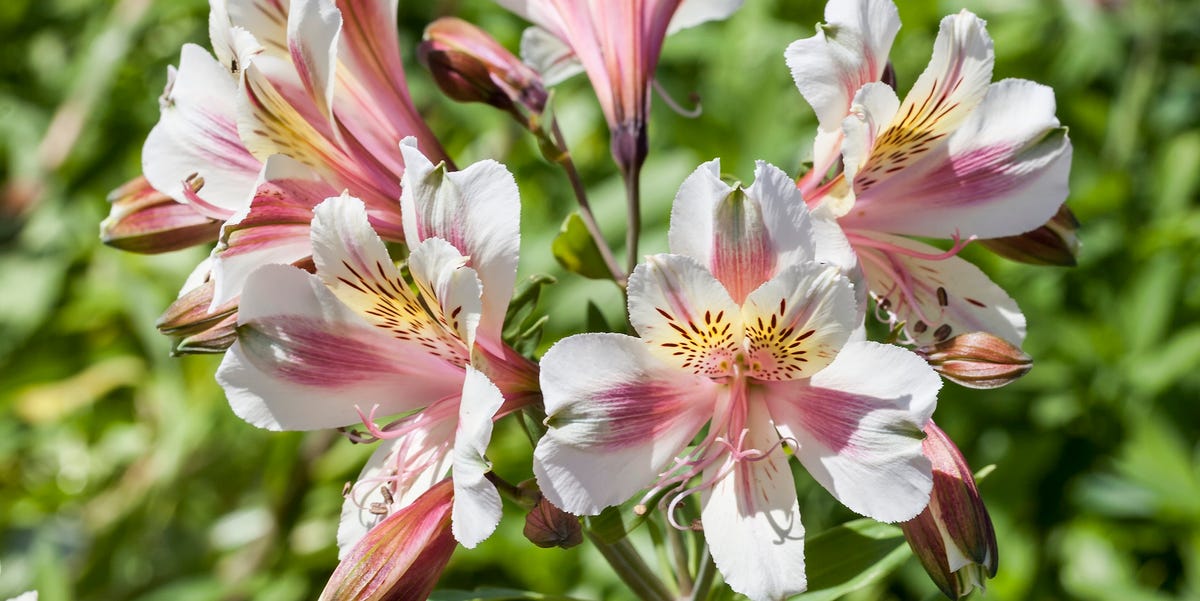
Timelessly elegant planting can be hard to define — what feels refined in one garden might look overly formal in another. But if you’re looking for a benchmark, the White Garden at Sissinghurst remains one of the most enduring examples, with its balance of structure, scent and a restricted white palette.
In practice, elegance often comes down to restraint: a limited colour scheme, strong structural planting, and carefully repeated varieties. As Sarah Raven puts it, there are plants she and her team ‘rely on time and again’ — varieties that offer beauty over a long season and sit effortlessly within a cohesive scheme.
White flowers are a natural starting point for a classic, elegant look. Here are 10 of the best elegant plants to try in your own outdoor space:
1. Rosa banksiae ‘Alba’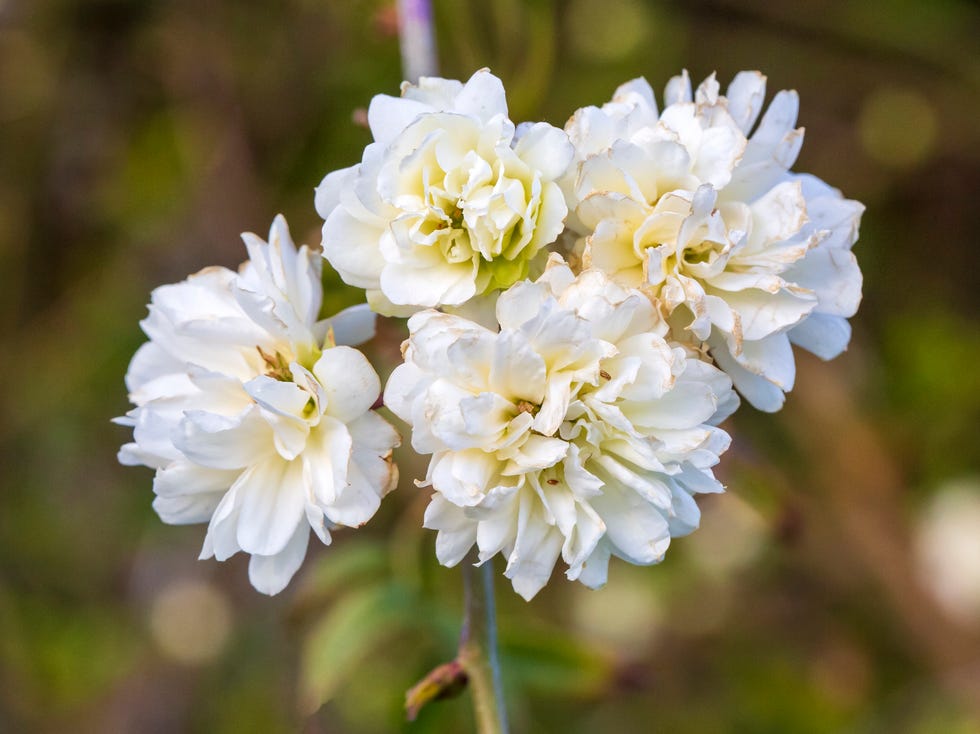

Esin Deniz//Getty Images
If you have to choose one rose, landscape designer Rachael White suggests this gentle rambler. It has classic white double flowers early in the season and also the bonus of thornless stems. Roses are, of course, quintessentially elegant, with a whole range of colours and scents, so look for one to suit your space and location as well as your chosen colour theme.
2. Magnolia stellata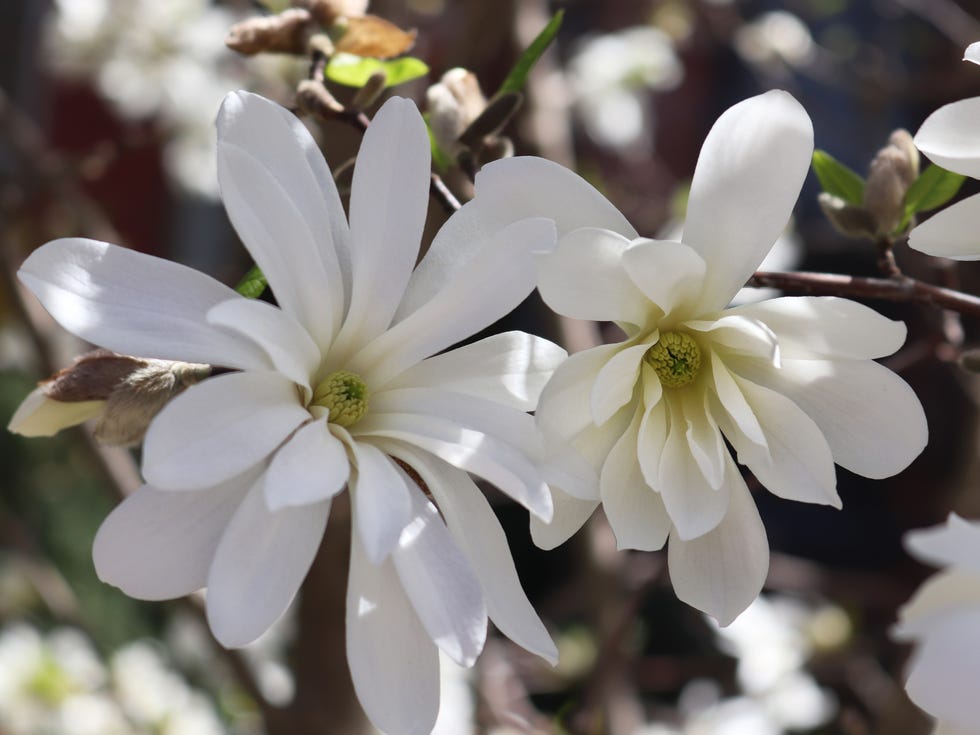
Katrin Ray Shumakov//Getty Images
Magnolia stellata Royal Star – Double Starry Flowers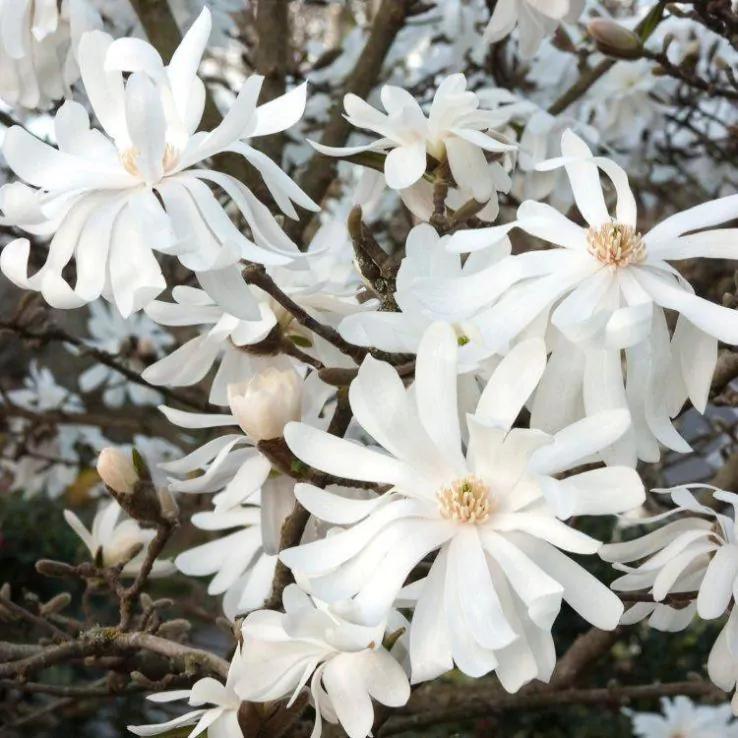
Now 50% Off
Credit: Gardening Express
This is guaranteed to bring early season joy with its starry white blooms. If you had to pick one genus that was unfailingly elegant, it probably would be magnolias. The more compact M. stellata is an ideal choice as a small tree in tighter spaces or a large shrub in borders. Plant in autumn/winter, adding plenty well-rotted compost, and water regularly throughout the first year until the roots are firmly established.
3. Hydrangea ‘Limelight’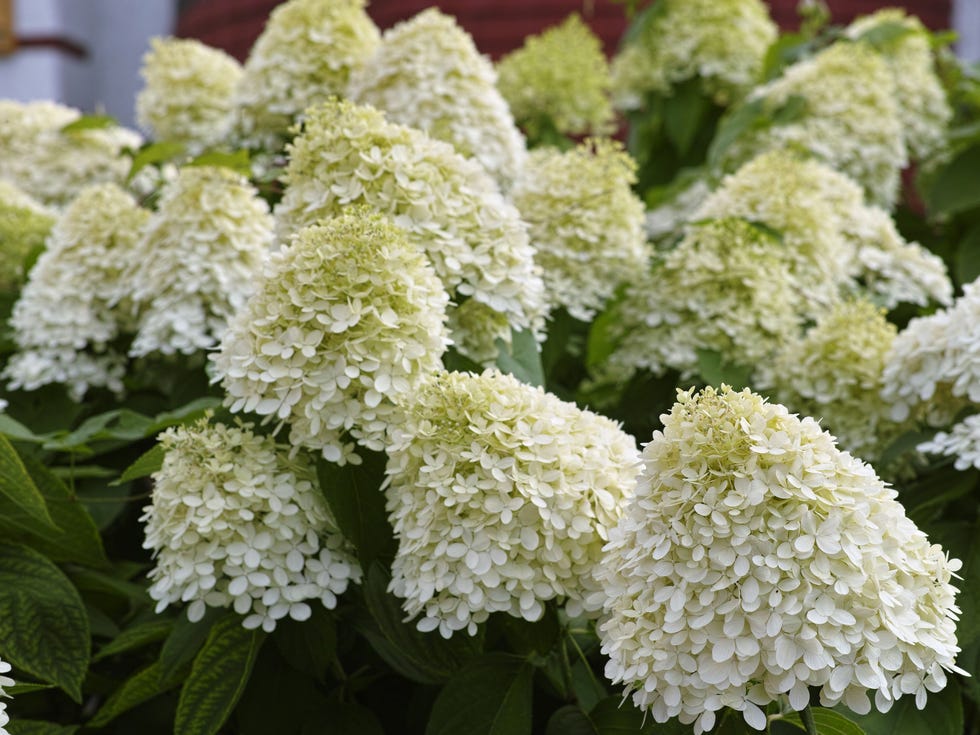
Kayco//Getty Images
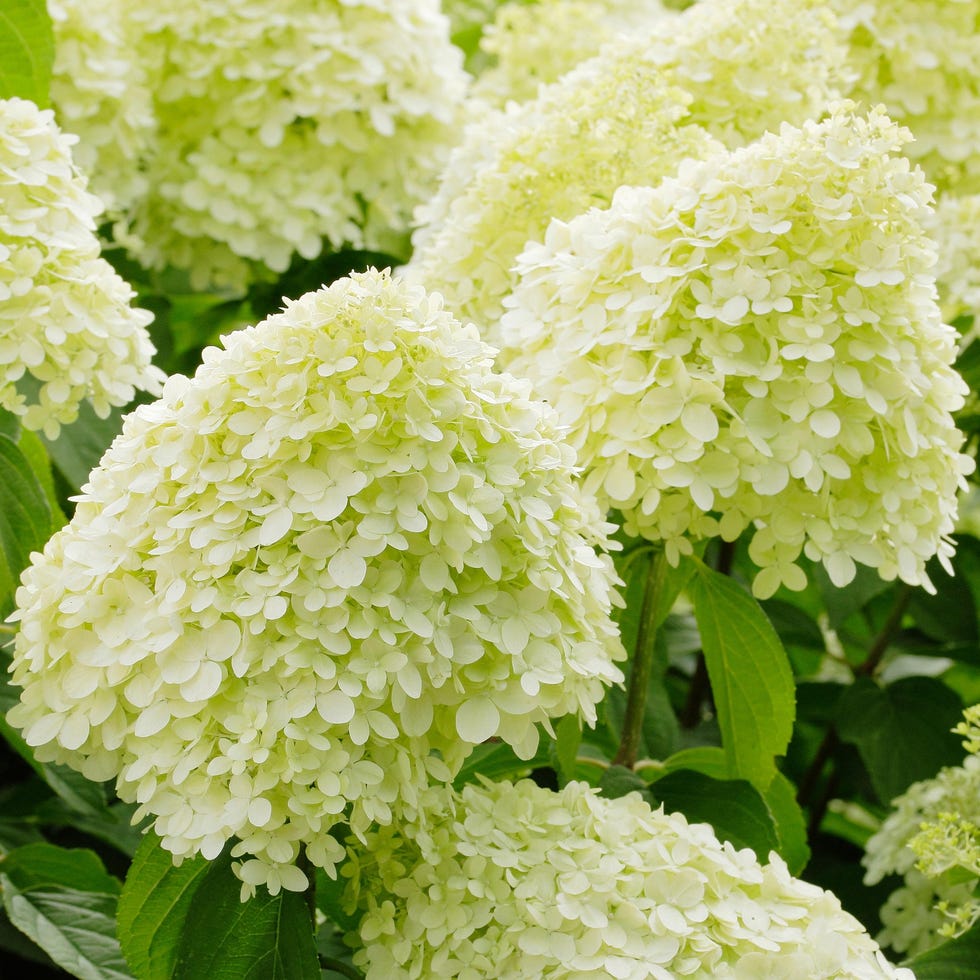
Sarah Raven is a big fan of this variety for its reliability and long-lasting interest. Large, cone-shaped flowers start out lime green, changing to creamy white and finally blush pink in autumn. There are many hydrangeas that will add elegance right through the year, with even the spent blooms and new buds looking good over winter too. Great in formal and more relaxed garden settings, they suit semi-shady conditions and well-drained soil.
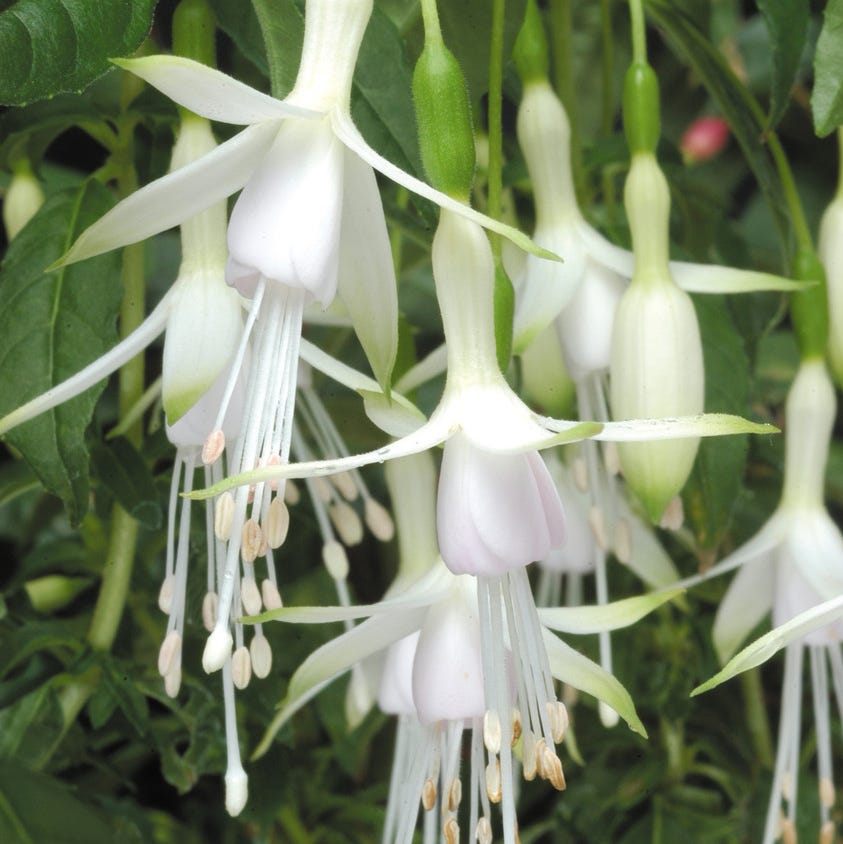
4. Fuchsia ‘Hawkshead’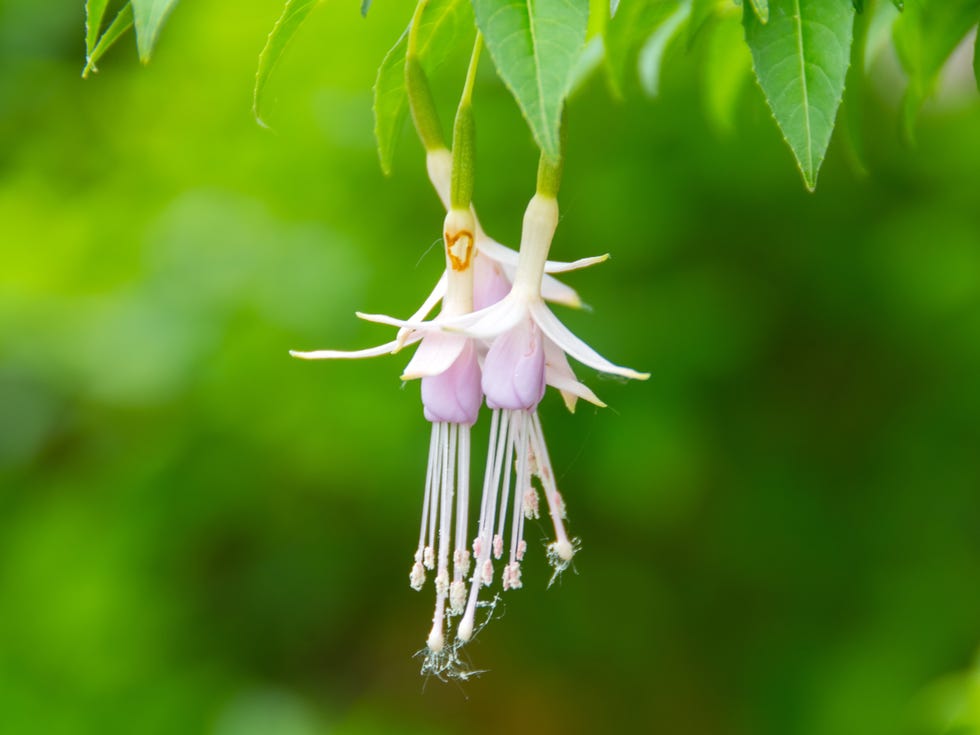
By Eve Livesey//Getty Images
Now 67% Off
Credit: J. Parker’s
This is a delicate, but showy fuchsia with flowers perfect for a white palette. It’s a bushy, medium-sized hardy shrub, that produces an abundance of nodding blooms through the summer and autumn. These are typical fuchsia-style flowers, but while the more common pinks and reds tend towards the garish, the pale colouring of ‘Hawkshead’ makes this an elegant addition to mixed borders or pots and can be grown as an informal hedge too. Grow in a sheltered spot and mulch in autumn.
5. Wisteria formosa Issai ‘Alba’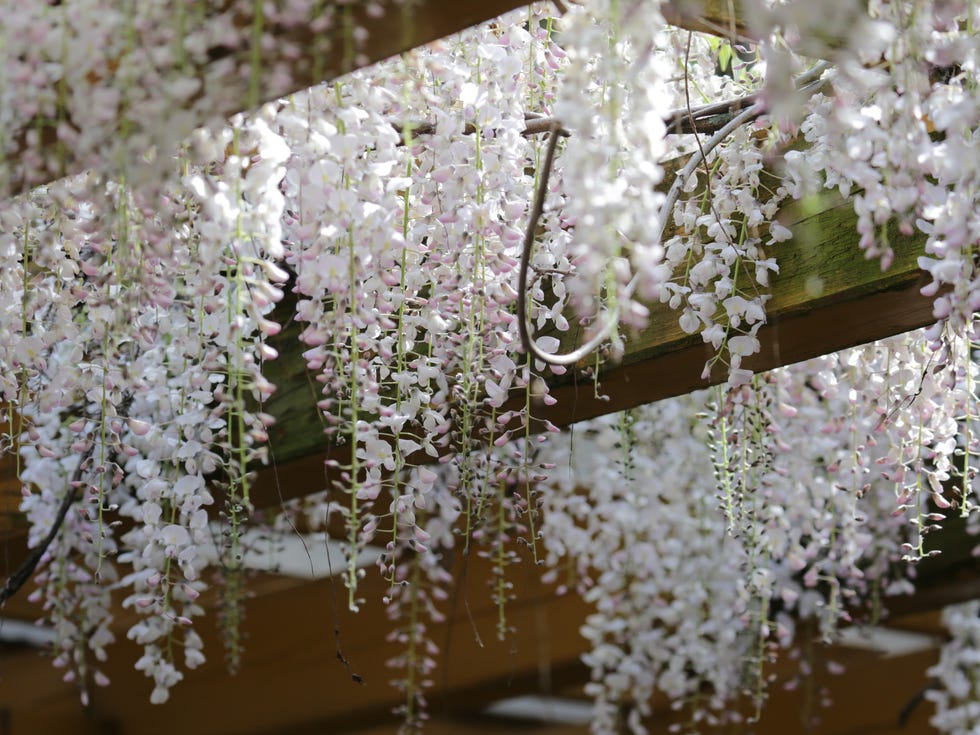
Domeliu//Getty Images
There’s no doubt that a wisteria draped over the façade of a house or dripping through a pergola is gloriously elegant. Rachael recommends this white cultivar for its slightly more restrained habit and sweetly scented white blooms. It’s a cross between Wisteria floribunda and Wisteria sinensis and combines the best of both plants, leaving behind the somewhat thuggish tendencies. ‘However much you love or hate wisteria, you can’t say it doesn’t give you timeless elegance,’ Rachael says. Always ask for a grafted wisteria that won’t take seven years to flower!
6. Clematis montana var. Wilsonii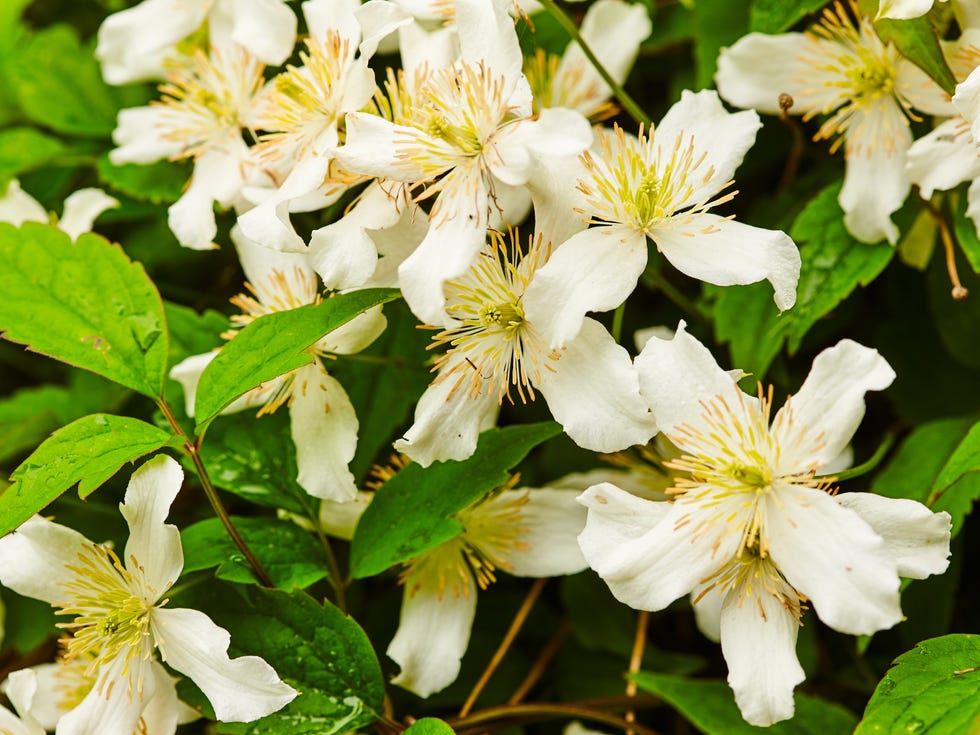
lucentius//Getty Images
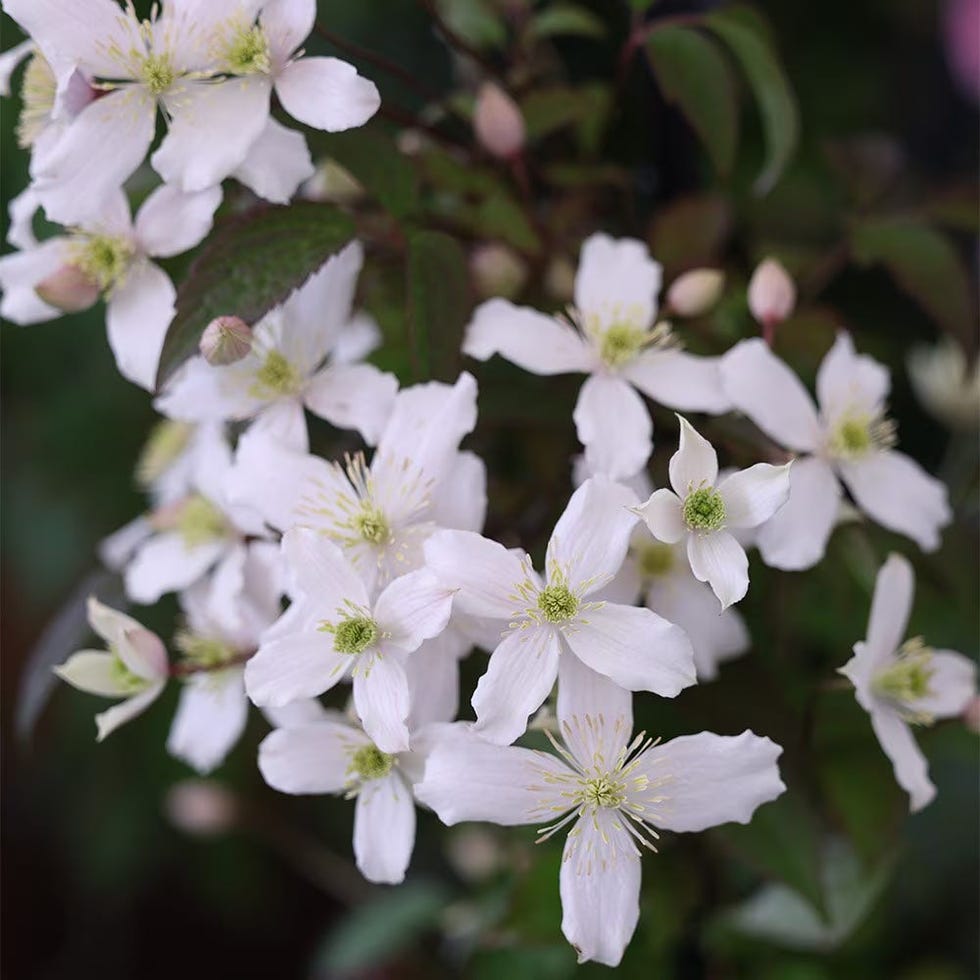
This is an ideal choice if you are looking for a classic white cultivar with a profusion of blooms. There are hundreds of clematis to choose from, in all colours, from blousy and overblown to cute and dainty. If you want to use one with elegant contrasting tones, David Glass, head gardener at Bowood House, suggests ruby pink ‘Princess Diana’, adding that it’s easy to train. The tulip-shaped blooms add a dash of colour, without dominating. Plant clematis where the flowers will be in full sun and prune according to its group.
7. Alstroemeria ‘Blushing Bride’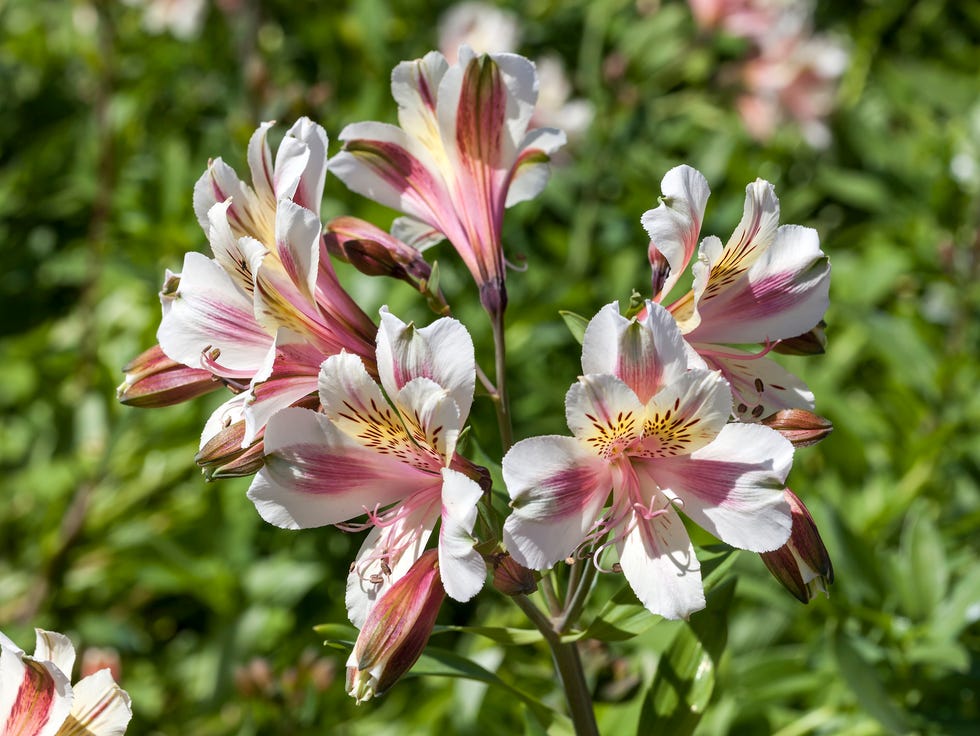
TonyBaggett//Getty Images
A long-flowering perennial, Sarah Raven also favours this as a cut flower. With a softly blushing pink centre and delicately marked blooms, this Peruvian lily brings an exotic edge to the border. Plant it in a sheltered, sunny spot to help it thrive. Perennials are key to creating successional interest throughout the season. Use them in defined blocks of colour for impact, or weave them through other planting for a lighter, more naturalistic feel. Pair this Alstroemeria with Gaura ‘Sparkle White’ to soften the edges of a scheme, and add height with Digitalis ‘Sutton’s Apricot’, whose gentle blush tones work beautifully in a pale palette.
8. Veronicastrum album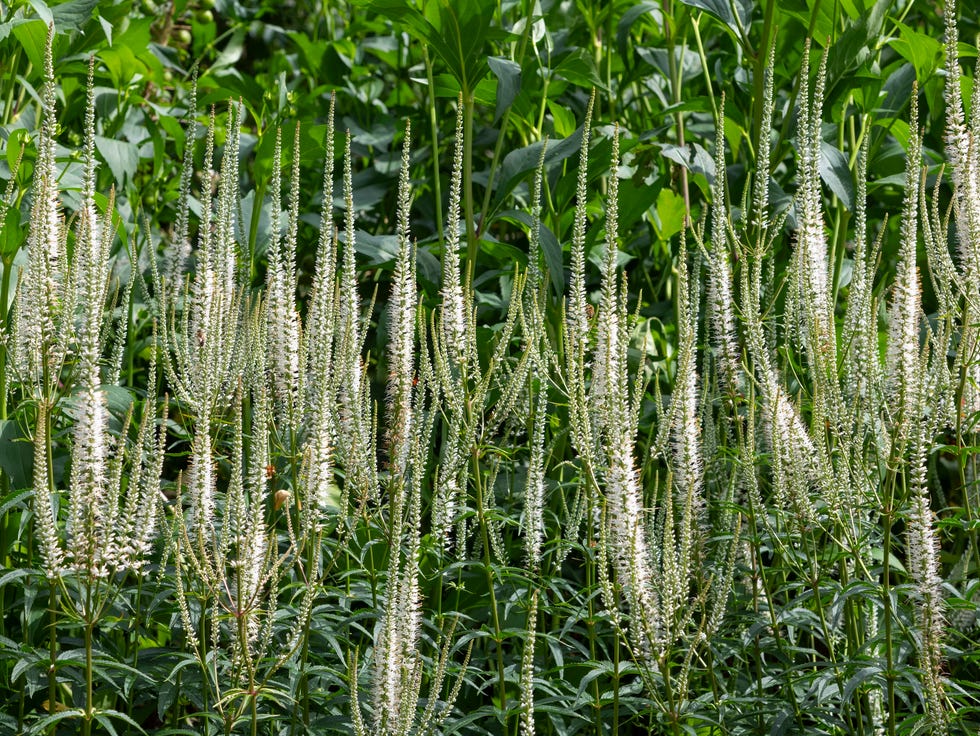
Photos by R A Kearton//Getty Images
Veronicastrum Virginicum Album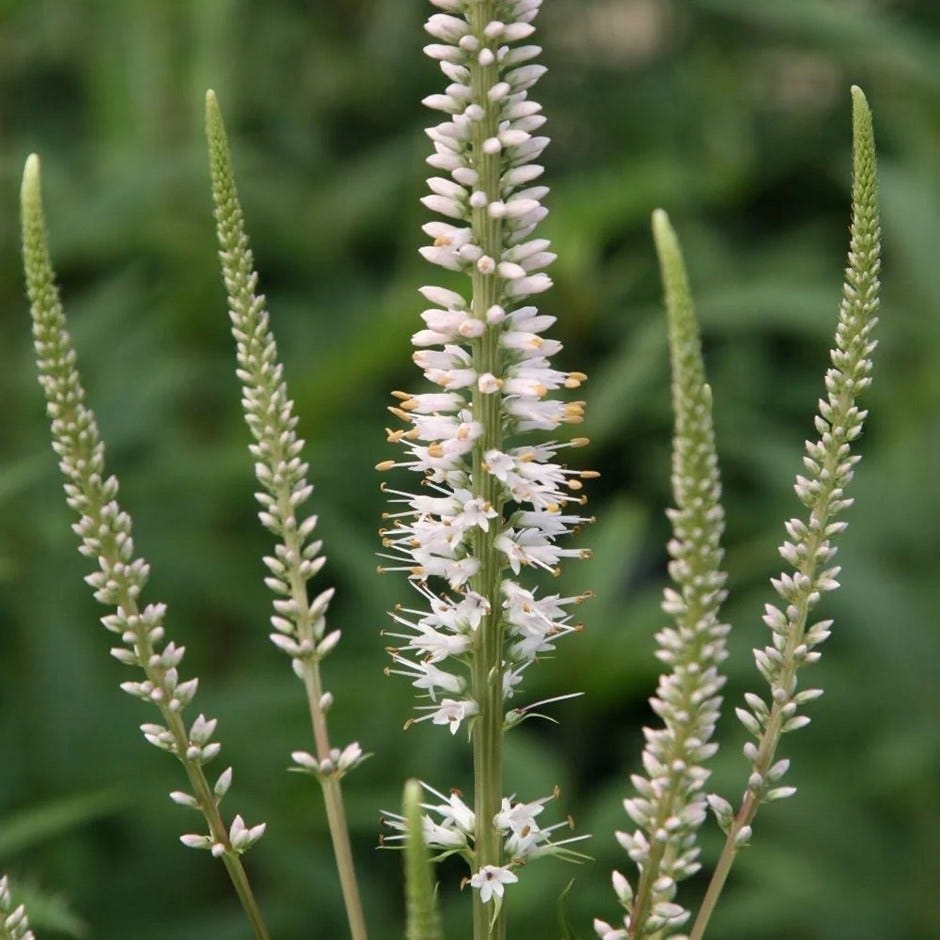
A tall, white-flowered perennial with an airy, elegant habit, this is a versatile choice that combines beautifully with a wide range of other perennials. It brings valuable vertical structure to a border, along with a long flowering season that lasts through summer. Varying the height of your planting is key to creating a full, abundant display. Veronicastrums are especially effective in layered schemes, where their upright form helps knit together softer, more naturalistic planting. They are also excellent for pollinators. Tough and hardy, they will tolerate a wide range of conditions in full sun or part shade.
9. Molinia ‘Edith Dudszus’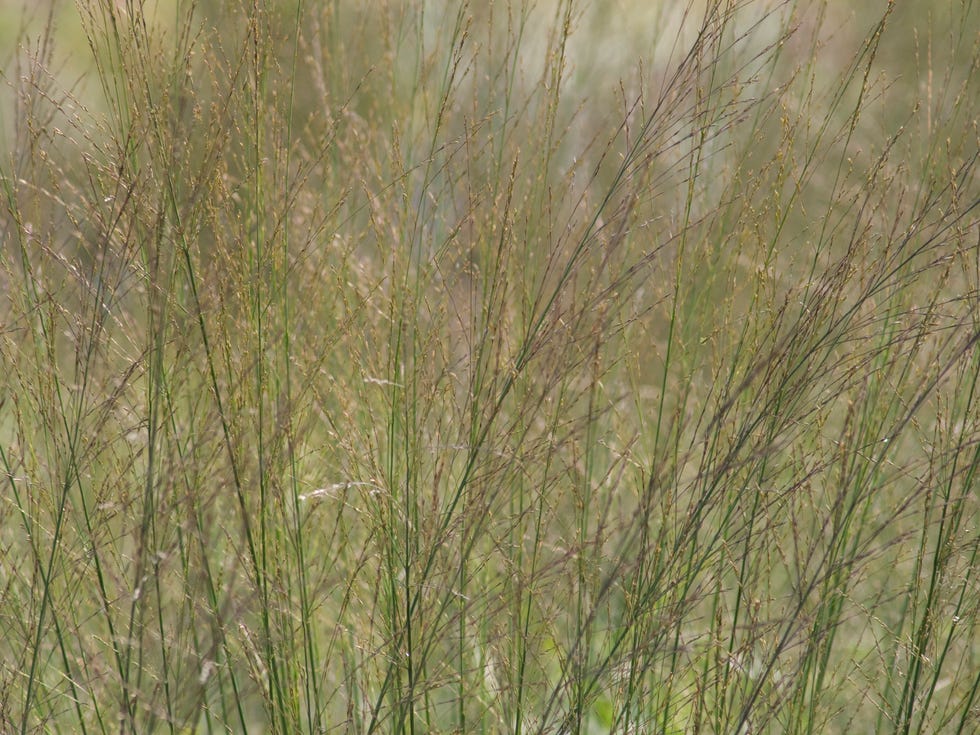
Flowerphotos//Getty Images
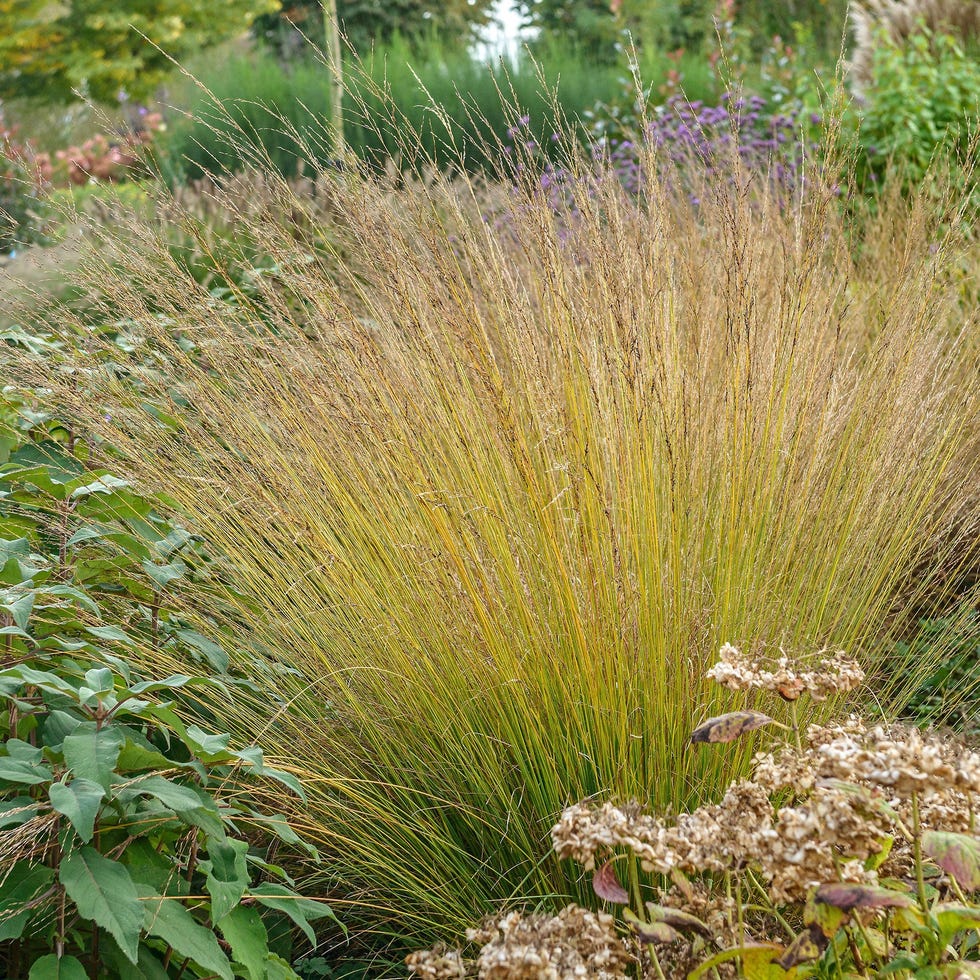
A compact, well-behaved grass that works well planted in large groups, this is a favourite of Rachael White’s: ‘It works as ground cover so it helps with being low maintenance, but it’s soft and airy on the top and they sit and look golden and beautiful right through till February. They hold structure, and give winter interest as well. They usually prefer a dry and sunny location, but I grow them on clay soil in part shade and they still perform.’
10. Panicum ‘Sparkling Fountain’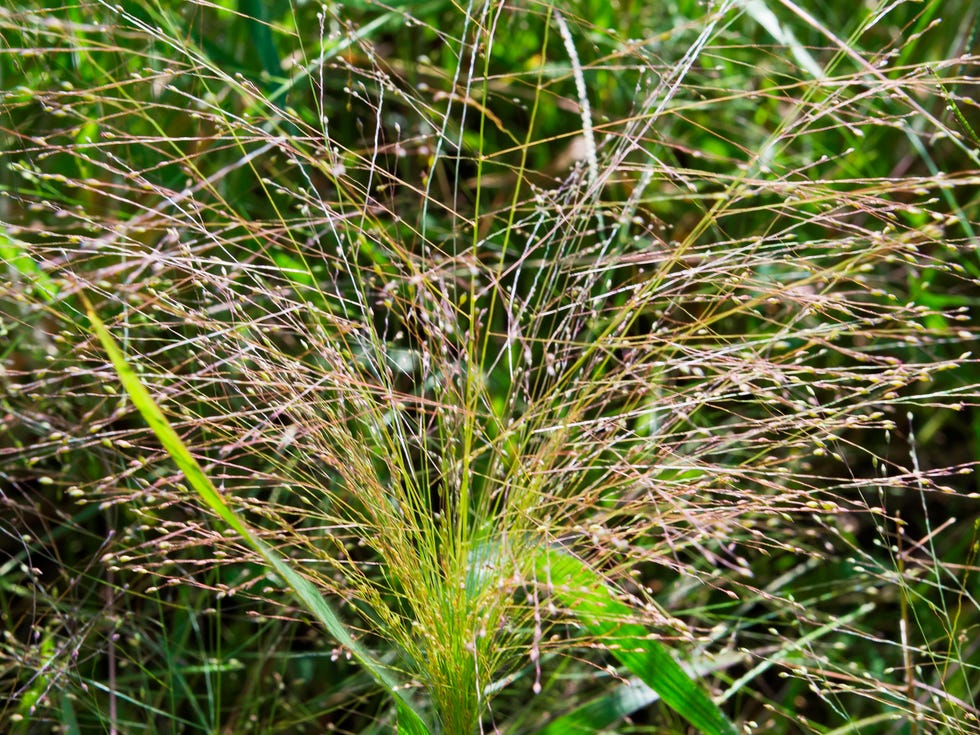
REDA//Getty Images
Panicum capillare ‘Sparkling Fountain’
A wonderful grass for lifting and lightening a mixed border, Sarah Raven loves this for its ‘fine, airy haze that blends effortlessly with neighbouring plants’. Its delicate stems weave easily through surrounding planting, adding movement and softening contrasts between bolder perennials. Grasses are invaluable for introducing both height and a sense of flow, their airy structure helping to knit together a scheme without overwhelming it. Plant in well-drained soil in full sun, where it can catch the light and create a gentle, shimmering effect.
How designers create a timelessly elegant garden1. Start with plants that deliver long-lasting beauty
Sarah Raven defines elegance as plants that offer structure and beauty over many months, across a range of colours. ‘There are certain varieties that myself, Josie Lewis (head gardener at Perch Hill) and Tom Stimpson (head of horticulture at Sarah Raven) rely on time and again,’ she says. These can often be plants that fit into a successional colour theme.
‘Although it may be tender, Dahlia ‘Labyrinth’ is one I would never be without,’ says Sarah. ‘The apricot and raspberry tones of the curled petals provide a welcome burst of late-season richness.’
2. Balance classic planting with resilience
Bowood House head gardener David Glass balances the demands of a classical landscape with the need for plants to be resilient and high performing.
‘For gardeners looking to bring timeless elegance into their borders, there are several shrubs and perennials that I find always deliver. For shrubs, the Hybrid Tea Rose ‘Black Beauty’ is a classic choice thanks to its rich, velvety blooms. Perennials also play a key role in creating a garden that feels timeless – and ornamental grasses are brilliant for movement and texture. Creating variations in height is so important for an abundant display,’ says David.
3. Let your surroundings guide the design
Landscape designer Rachael White says what’s elegant in one space might not be in another. ‘It does depend on what your backdrop is,’ she explains. ‘If you’ve got a wonderful, big, strong landscape, with vistas beyond, simplicity is what you need. You don’t want to fight against what you’re looking out onto. And elegance is the simplicity of repeating what nature’s showing you, otherwise, it stands out like a sore thumb. But if you’re within an enclosed space that opens up a whole other palette of plants.’
4. Build structure first, then layer planting
Strong structure is essential for an elegant garden, and hedging plays a key role. Rachael recommends yew and beech as reliable backbones, describing them as ‘the plaster on the wall before you paint it’.
Once that framework is in place, planting should be carefully considered. Stick to a limited palette and repeat plants throughout the space to create cohesion. Too many varieties and colours can dilute the overall effect. ‘Be brave and bold and simple because it works – repeating plants in big numbers actually looks incredible.’
5. Think like a designer: structure is everything
For Rachael, timeless elegance comes down to strong foundations.
‘Designing for timeless elegance is a bit like a designing a dress with bias cut fabric. You know, those really classic cuts on clothing that stand the test of time? In gardens, if you get the structural backbone right – those core plants and trees, the flow of the garden – that’s your timeless elegance, and then you build on that.’
Follow House Beautiful on Instagram, TikTok and Pinterest
Comments are closed.