
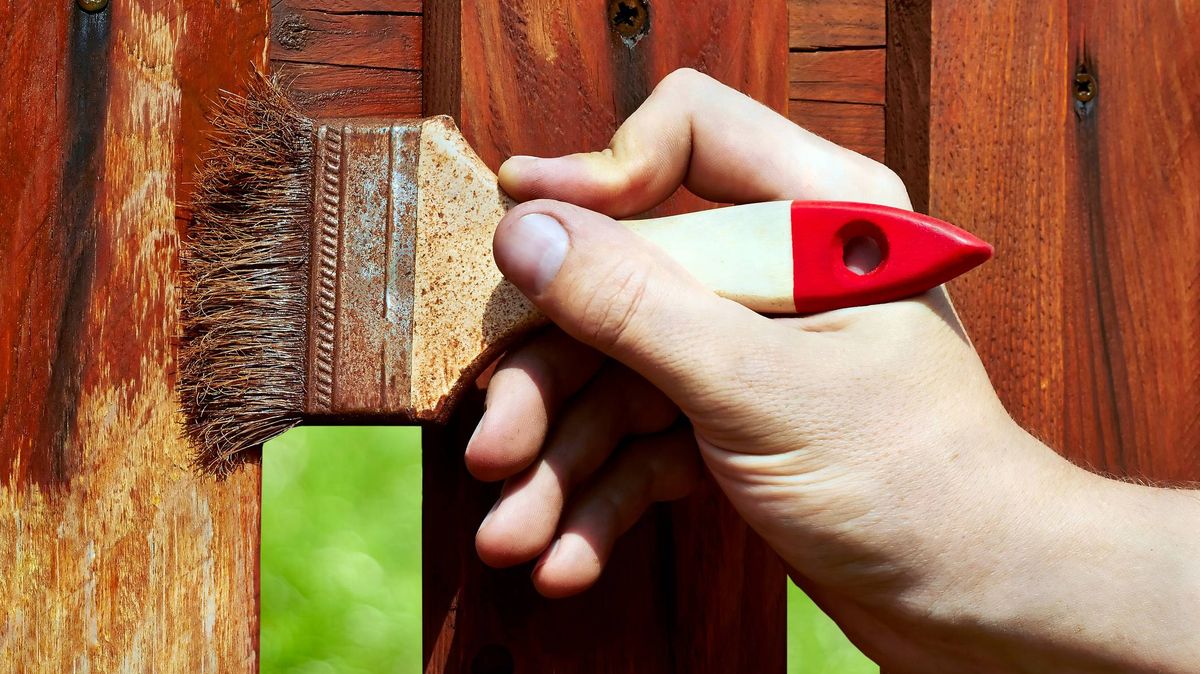
A boundary law expert has warned that painting the fence without your neighbour’s permission could be classed as criminal damage, even if you only paint ‘your side’Angela Patrone Senior Lifestyle Reporter and Philip Dewey Court Correspondent
15:56, 19 Apr 2026

Painting a wooden fence could be more problematic thank you think
Garden fencing is far more than a simple boundary marker; it is an integral design feature that enhances privacy, security and the overall appearance of your outdoor space. Yet, as time passes, fence panels can begin to look tired and weathered, crying out for a fresh coat of paint.
If you’ve ever found yourself staring at a dull or deteriorating fence panel, you may well have wondered: “Can I paint my side of my neighbour’s garden fence?”
It’s a situation many homeowners face — a freshly painted fence on one side, yet a grimy, faded panel on the other, prompting the urge to take matters into their own hands. Make sure you never miss Wales’ biggest updates by getting our daily newsletter.
While it might appear to be a straightforward way to spruce up your surroundings, the answer is far less clear-cut than most people assume. As it turns out, the law is not in your favour, and acting without due care could land you in serious trouble.
Even though it may seem reasonable to make changes to your side of a fence, doing so is not legally sound, reports the Mirror.
A fence will almost always belong exclusively to one property, meaning picking up a paintbrush without having clear ownership rights could cause significant problems.
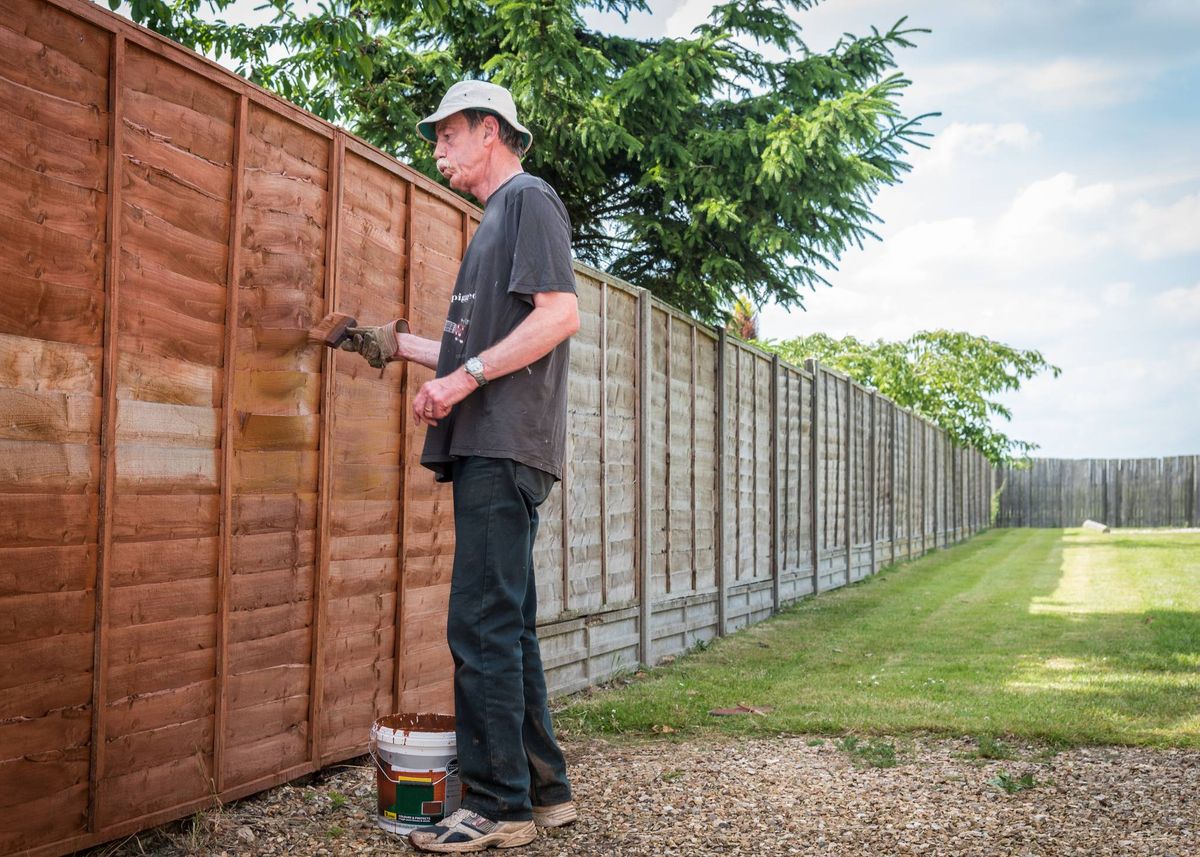
A man applies wood preserver to a fence
Making alterations to your neighbour’s fence without their knowledge or consent could potentially be regarded as trespassing or causing damage to their property.
Mike Hansom, boundary law expert at BLB Solicitors, warned: “You must not paint, repair or otherwise interfere with your neighbour’s fence without their permission. To do so is criminal damage.”
Before picking up a paintbrush, it is essential to familiarise yourself with the relevant laws and planning regulations governing garden fences. You should also establish which fence is legally yours to avoid potentially contentious boundary disputes.
The most sensible course of action is to speak openly with your neighbour and obtain their agreement before carrying out any alterations to the fence.
Even where both parties are in agreement, it is strongly advisable to put the terms of the arrangement in writing, ensuring everyone is clear on the extent of the work to be carried out. This can also prove invaluable in preventing disagreements should either property change hands.
It is also worth bearing in mind that, with wooden fences, there is a risk of paint seeping through the panels if only one side is treated. Any written agreement should therefore address how such situations would be handled.
Should your neighbour refuse, it is vital to respect their wishes. There are alternative approaches worth considering, such as offering to share the cost of painting or staining the fence, or coming to a mutual agreement on a colour that suits both parties.
Get daily breaking news updates on your phone by joining our WhatsApp community here. We occasionally treat members to special offers, promotions and ads from us and our partners. See our Privacy Notice.
Comments are closed.