
Right off the bat, the number one idea is planting. You will not succeed at gardening if you buy plants and then leave them sitting in their pots to shrivel.
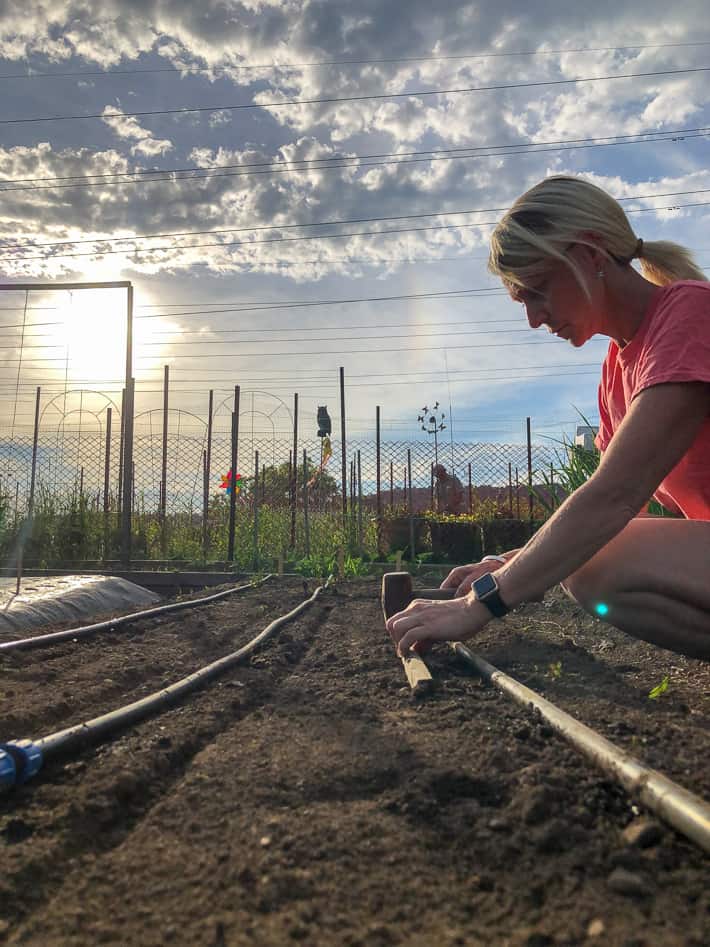
It is gardening season.
A season of hope, green, dirt, and bugs. There’s probably also dog poop out there, but that’s the kind of thing I like to gloss over when describing the joys of May.
To reiterate, the most important thing for you to do in May is: Plant. Your. Plants.
May (Zone 6-ish)
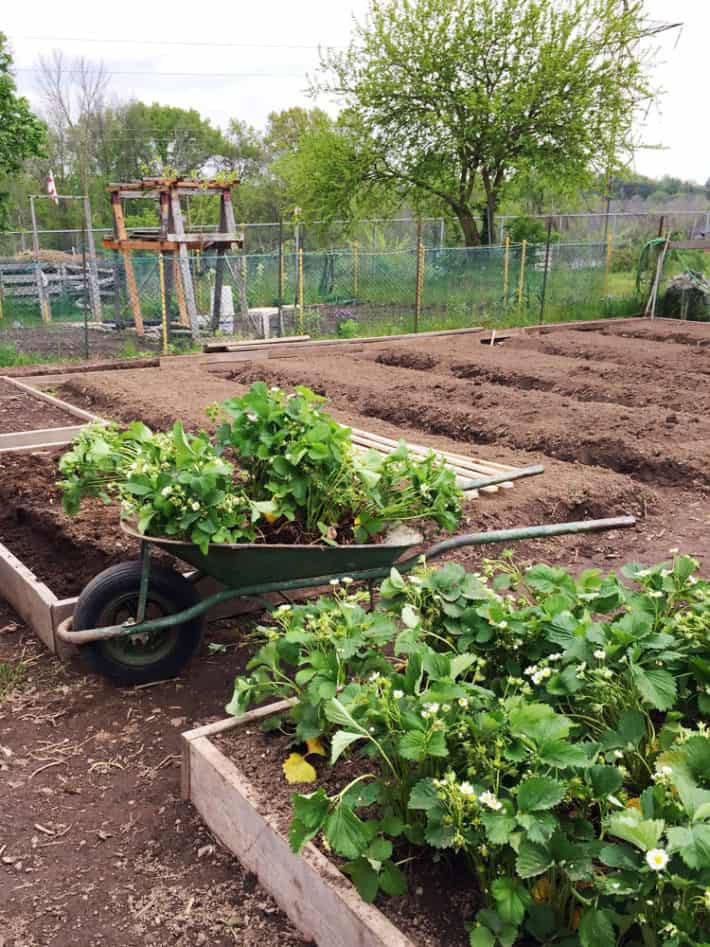
This is it. The month where gardening stops being theoretical and starts involving dirt.
May is when most vegetables and flowers go into the ground. You’re not harvesting much yet (unless you’re quick with radishes or lettuce), but you’re setting up the next five months.
The work you do now shows up later. July, August, September-it all traces back to how much effort you put in during May.
Get the Beds Ready
By mid-May, your beds should be ready to go.
Keep it simple:
Weed thoroughly
Shape beds if needed
Add 2-3″ of compost or a slow-release fertilizer
That’s it. No rituals. No chanting.
Plan Before You Dig
Before you start jamming things into the soil – pause.
Decide what goes where.
Figure out:
How many tomatoes you actually need (it’s fewer than you think)
Where your rows or groupings will go
What needs space, what can be crowded, what will sprawl like a man on a bus
A rough plan saves you from mid-June regret and emergency transplanting.
Buy Plants (No Shame)
Didn’t start seeds? Fine.
Everything is available now-nurseries, garden centres, even grocery stores.
Buy what you need and move on with your life.
Build Supports Now (Not Later, Obviously)
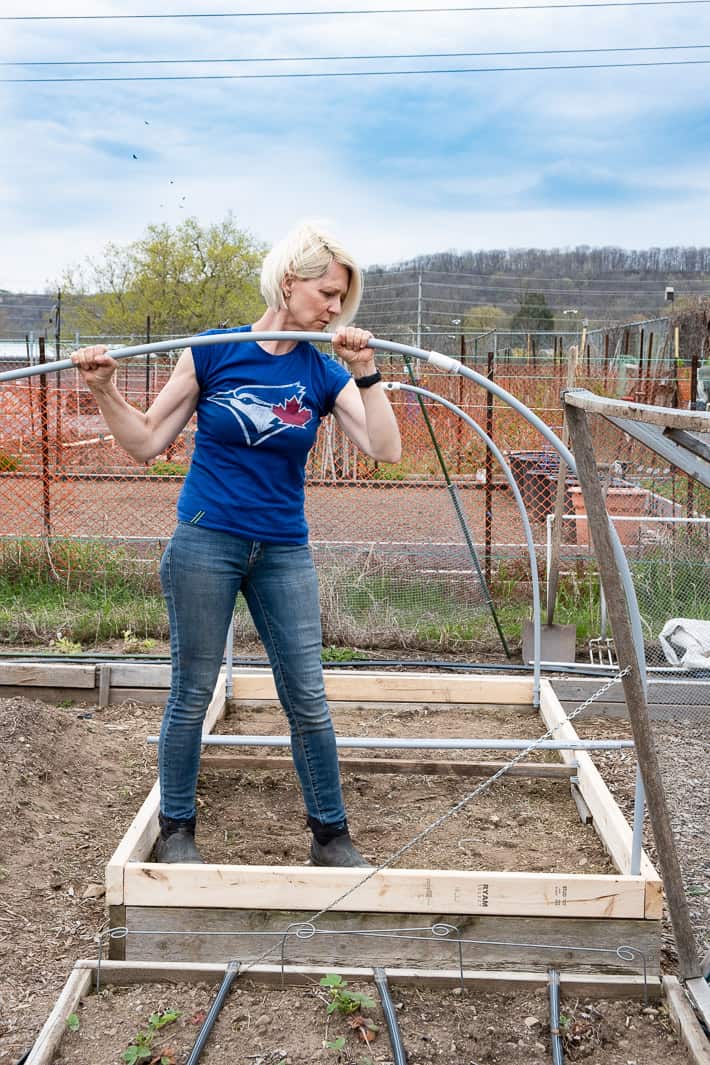
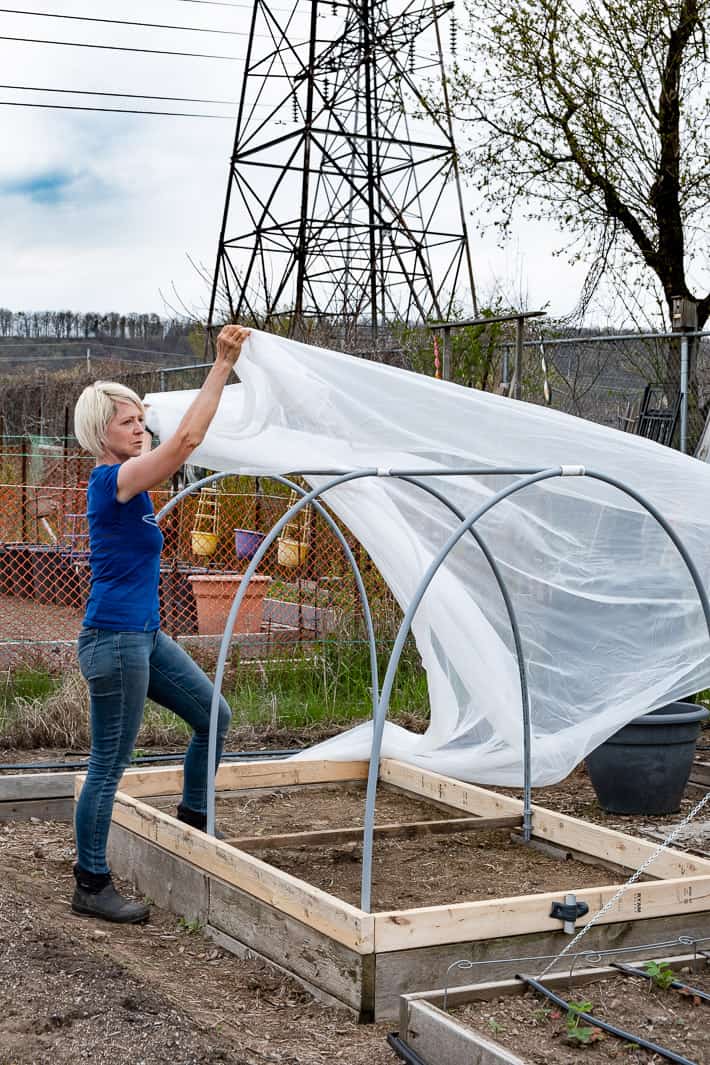
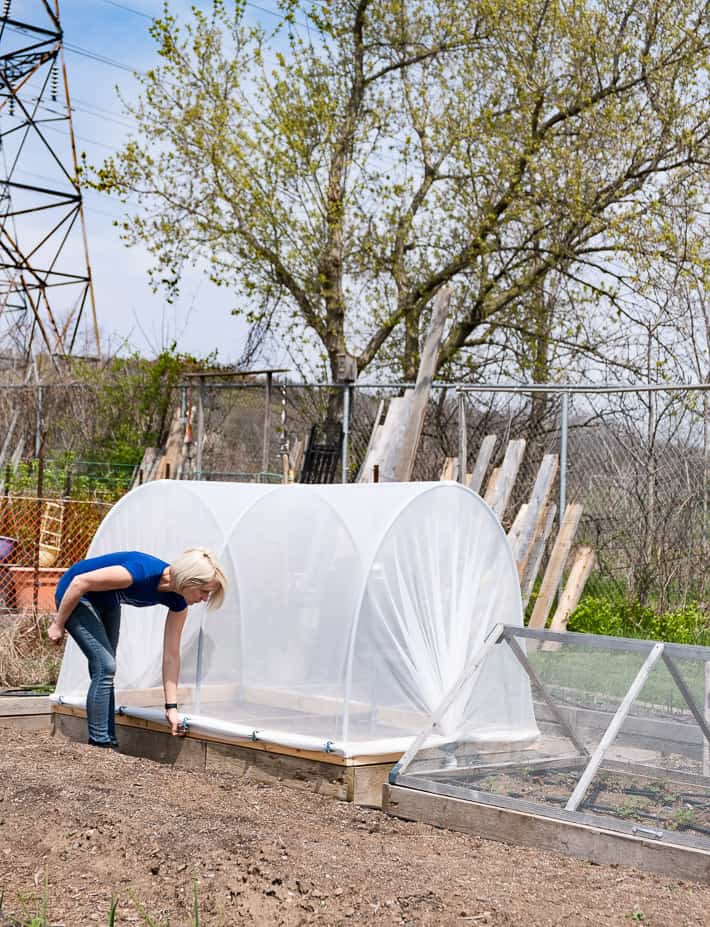
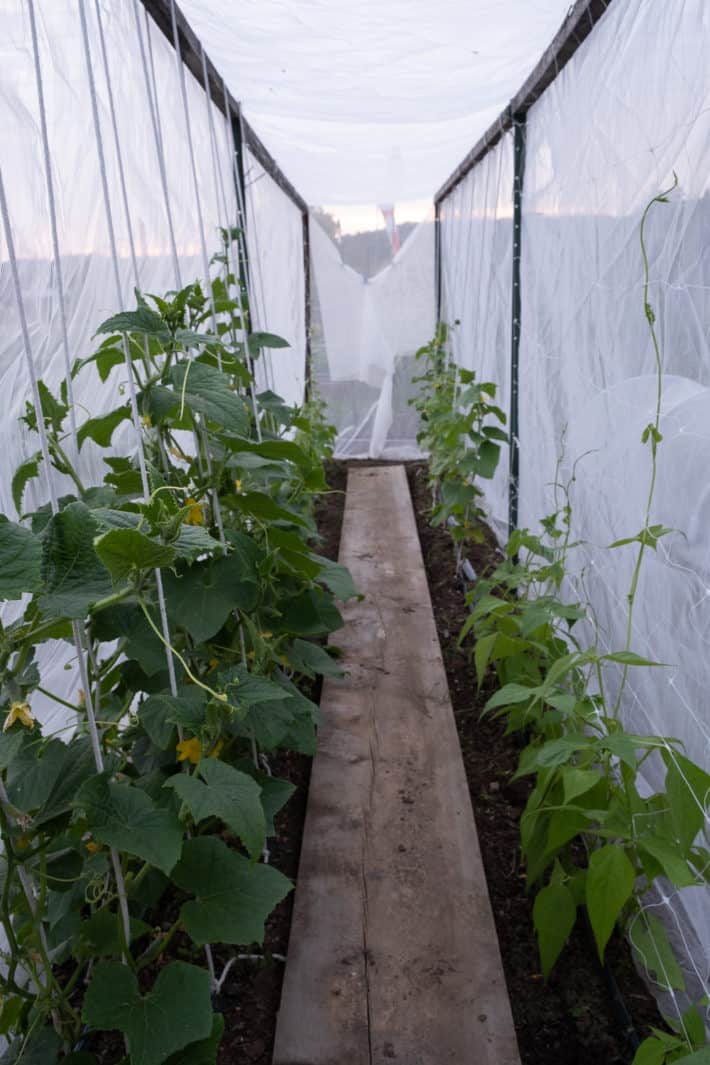 Row cover helps keep cucumber beetles off of cucumber plants.
May is when organized gardeners build supports.
Everyone else waits until July and then emotionally unravels.
Anything that climbs or flops needs structure before it gets out of hand:
Pole beans → netting, teepee, or strings
Cucumbers → netting, fence, or string training
Tomatoes → cages, stakes, Florida weave, or strings
Melons → strong vertical support (or grow on ground if raccoons are an issue)
Vertical growing saves space and reduces disease. It also keeps your garden from looking like it collapsed during a mild breeze.
Planting (Finally)
Now you can plant.
If you started seedlings indoors, they need to be hardened off-gradually introduced to sun and wind so they don’t immediately collapse from stress.
Warm-weather plants (tomatoes, peppers, cucumbers) go out after your last frost date. Even then-watch the forecast.
If frost threatens:
Throw a bucket over seedlings
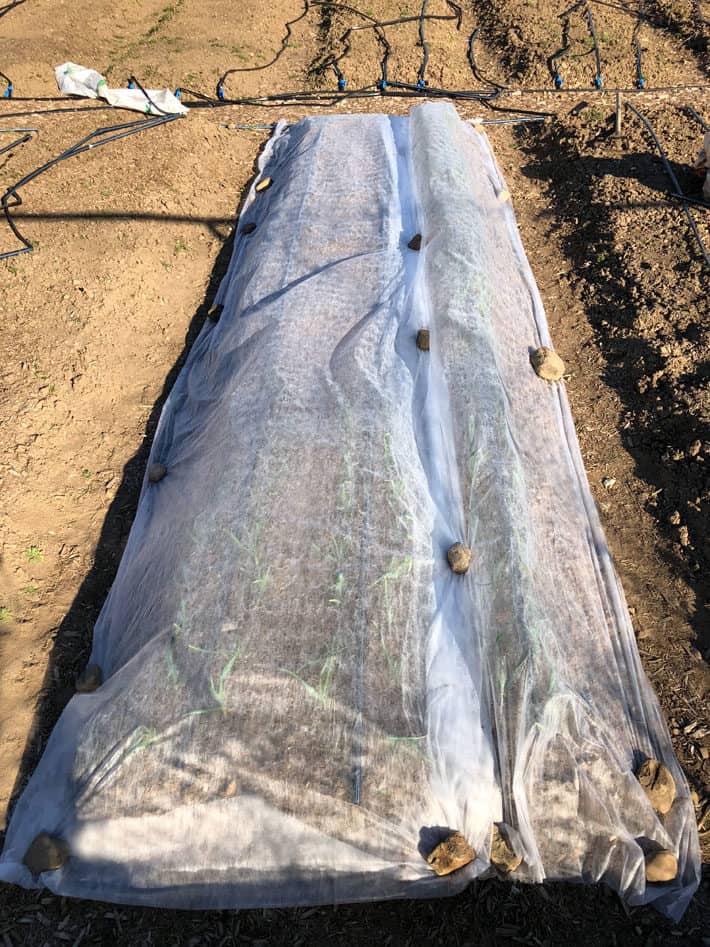
Use row cover for larger areas
Otherwise you’ll wake up to a plant cemetery.
May Pests: A Parade of Jerks
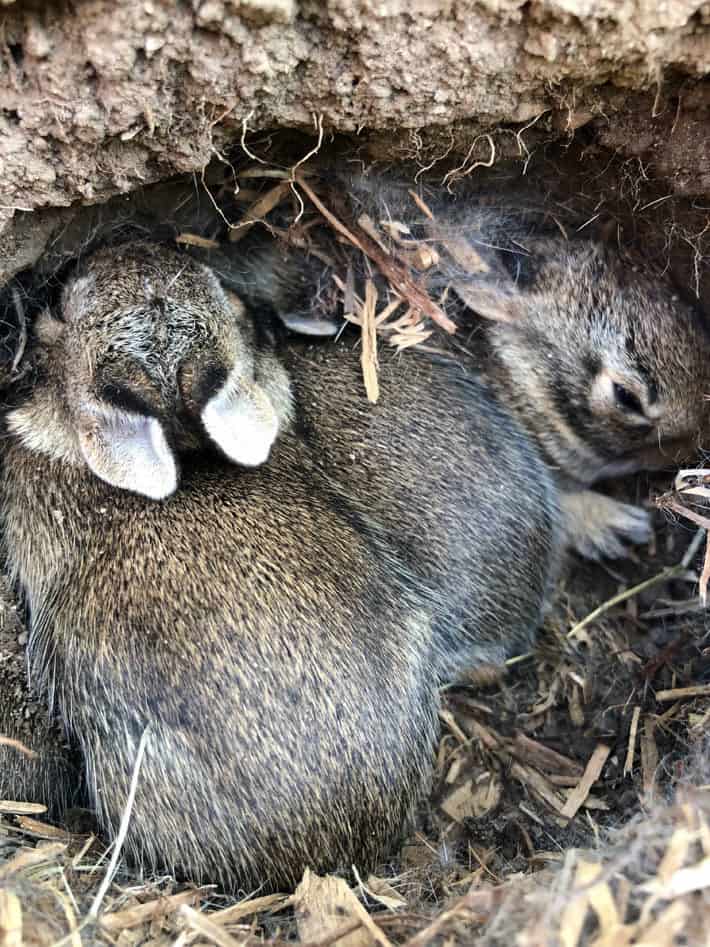
Everything grows in May. Including things that want to eat what you just planted.
Here’s the lineup:
Slugs
Will ignore every “natural deterrent” you’ve read about
Use bait or beer traps
Keep debris cleaned up
Rabbits
Eat everything, then bring friends
Use fencing: 12″ deep, 2′ high
Raccoons
Smart, destructive, relentless
Wobbly fencing helps ’cause they can’t climb it
Protect melons by cover with a crate with rocks on top
Corn and tomatoes may need a little battery operated electric fence
Mice & Voles
Can wipe out seedlings overnight
Use collars (cut plastic bottles or pots) around stems
Cucumber Beetles
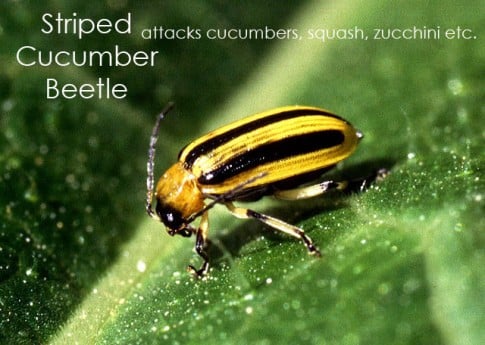
Eat plants + spread bacterial wilt
Use row cover or resistant varieties
Cabbage Moths
Harmless-looking, deeply offensive
Lay eggs that turn into leaf-destroying caterpillars
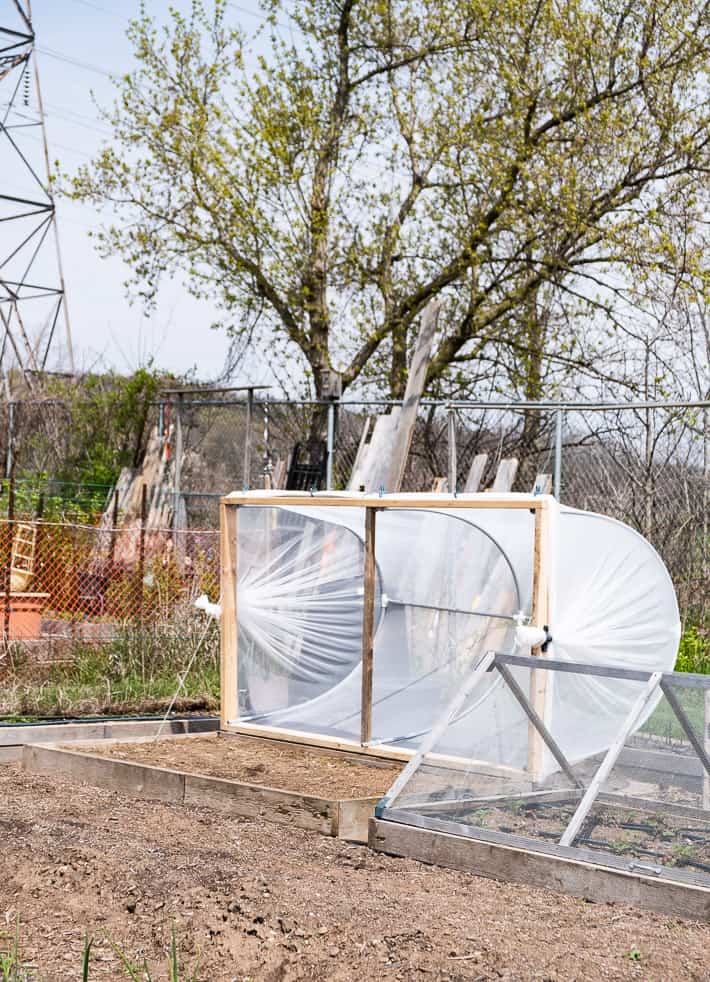
Use row cover for full protection
BTK spray monthly if needed
If you have a big garden, a hinged hoop house works well.
Smaller garden? Row cover and a bit of vigilance.
Tools You’ll Actually Use
It’s May. You’re no longer imagining gardening scenarios in your head. You need tools.
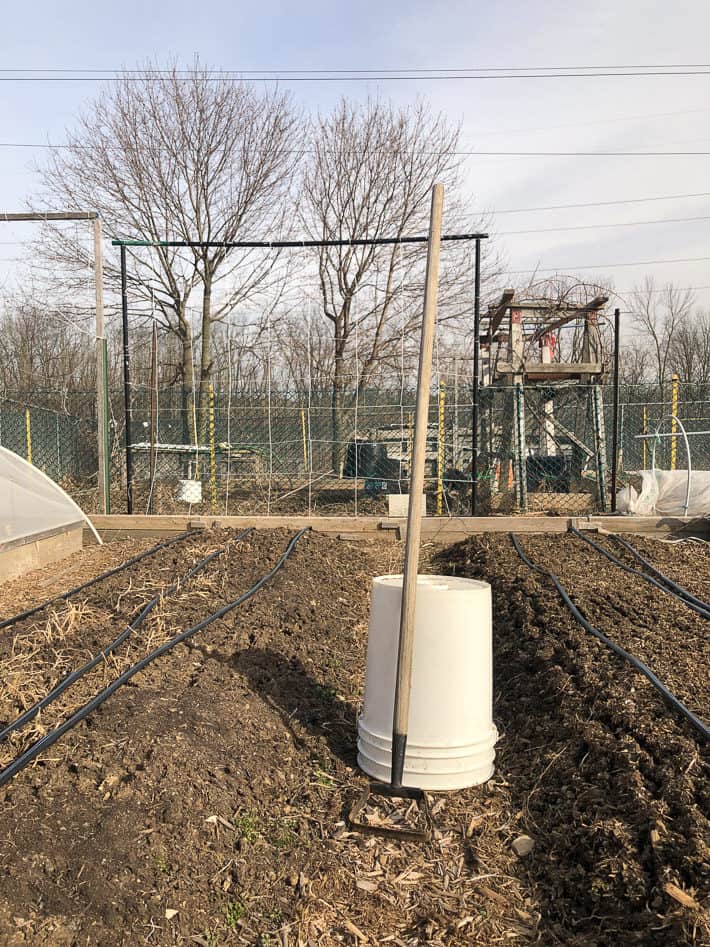 Loop hoe
The ones worth having:
And a tip that will save you hours:
If you’re short on time, pull weeds with flowers first.
Those are the ones about to ruin your life next month.
What to Plant in May
This is the month where everything finally goes outside. Either a seed in the soil or a plant in the ground.
Direct Seed
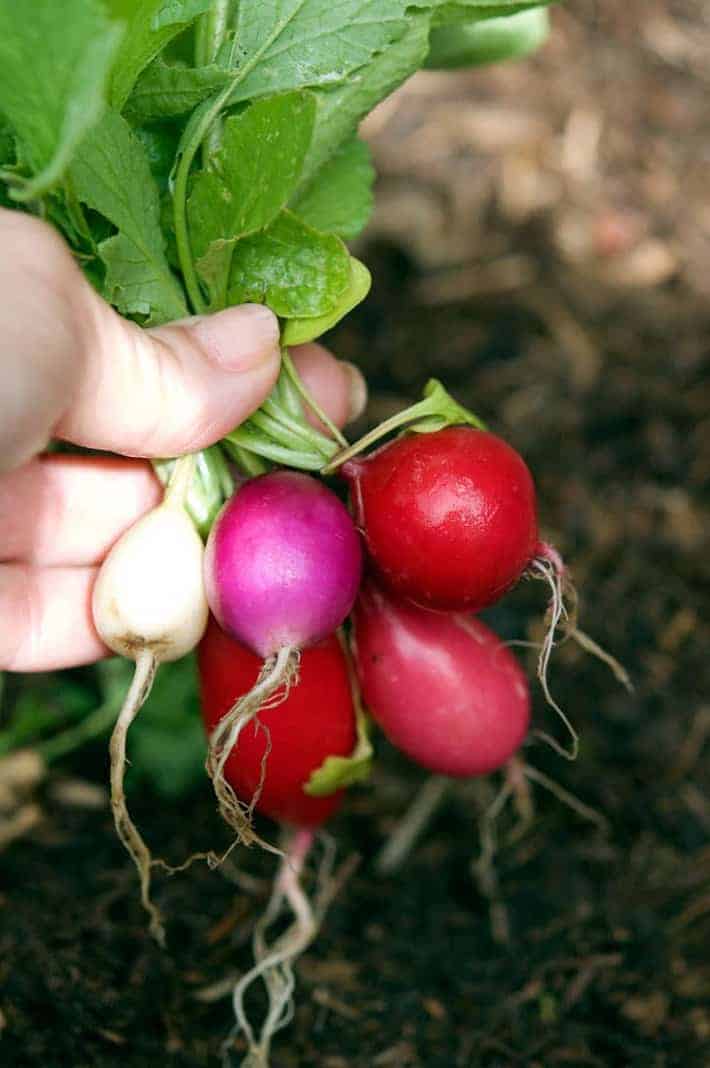 Ping pong, Raxe, & Amethyst radish
Beans
Beets
Carrots
Corn
Cucumbers
Lettuce
Potatoes
Radishes
Squash
Zucchini
Plant Out (Seedlings)
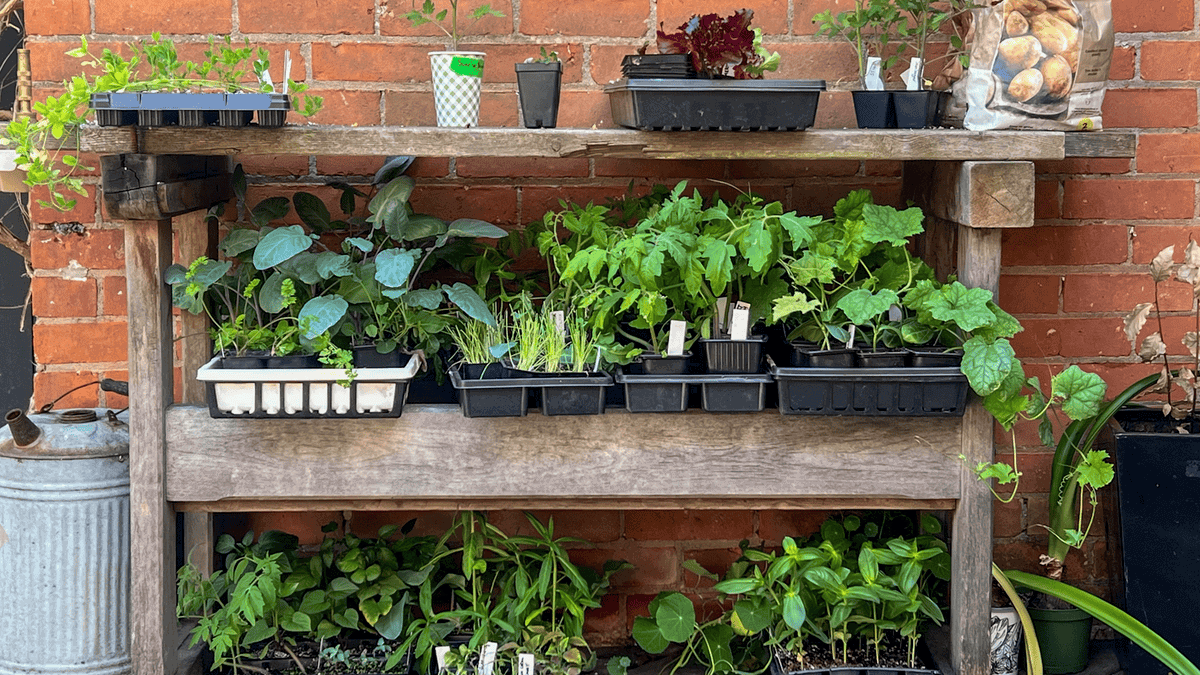
By late May:
Tomatoes
Peppers
Eggplant
Swiss chard
Most other non-dramatic plants
Exceptions (for me):
Luffa → June 1
Sweet potato slips → June 1
They like it properly warm. Not “technically spring” warm.
A Few Useful Truths
Gardening is mostly timing and paying attention.
Structures should be built before you need them.
Using multiple pest control methods for the same pest = greater success
Compost fixes more than you think. Learn how to make it easily.
And most importantly:
You don’t need perfect conditions. You need planted plants.
Gardening is a long game. You figure things out by doing them, screwing them up, and trying again with your first raised in the air.
Next month is about keeping everything alive and managing the chaos you just created.
But for now?
Plant. The. Plants.
Growing Guides
Need help with something specific? These posts dig deeper. That’s gardening wordplay. Heh.
Sweet Potatoes
Luffa
Tomatoes
Potatoes
Carrots
Garlic
Leeks
Next month we’ll get into stuff you need to do in June.
But until then?
Plant. The. Plants.
Comments are closed.