
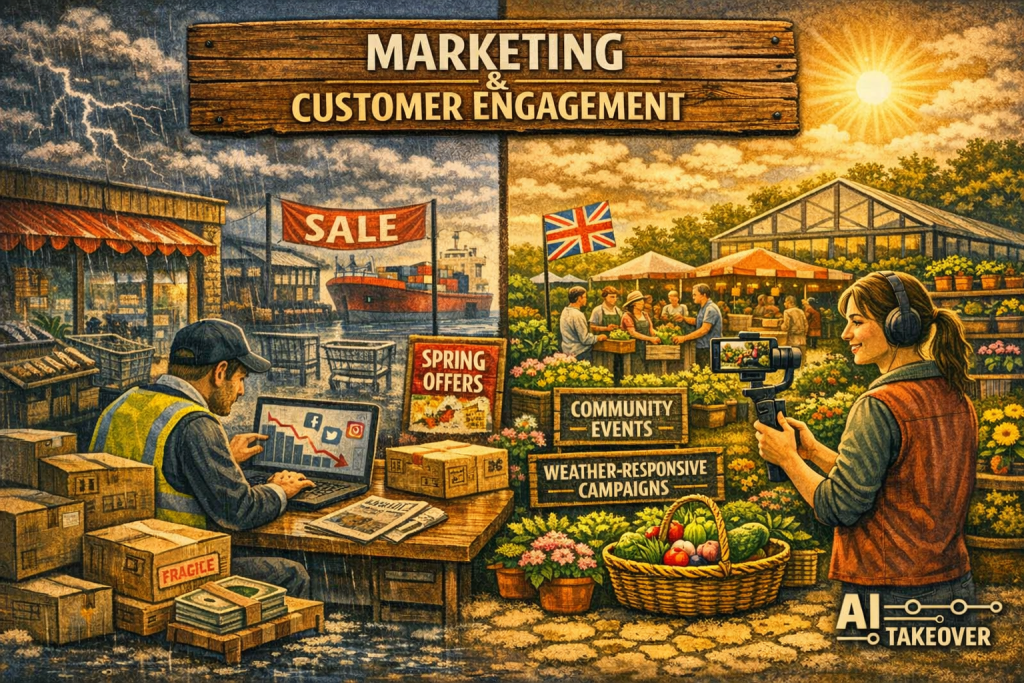
Each day in April, Garden Centre Retail will be posting an article ‘written’ by AI, following a list of topics that affect the garden retail landscape in the UK. Today’s topic is marketing.
Marketing has become one of the most strategically important capabilities for UK garden centres. With weather volatility disrupting footfall, consumer behaviour shifting toward last‑minute decisions, and competition increasing both online and offline, the ability to reach, influence, and retain customers has never been more critical. At the same time, rising costs and labour shortages mean marketing must work harder, be more targeted, and deliver clearer commercial returns. The garden centres that thrive will be those that treat marketing not as a seasonal activity, but as a year‑round engine for growth, loyalty, and brand differentiation.
What Garden Centres Are Experiencing
Many centres are finding that traditional marketing methods – local print ads, broad social posts, and seasonal promotions, no longer deliver the same impact. Footfall patterns are more unpredictable, with customers waiting for good weather before visiting, which makes it harder to plan campaigns. Social media engagement can be inconsistent, and organic reach is declining across platforms. Email lists are often under‑utilised, and many centres struggle to segment their audiences effectively. Meanwhile, customers expect more personalised communication, more compelling content, and more reasons to visit beyond the core gardening season. The result is a marketing landscape that feels more complex, more fragmented, and more demanding than ever.
Root Causes and Drivers
Several forces are reshaping the marketing environment for garden centres. Weather volatility is a major driver, influencing when customers shop and what they buy, which makes timing crucial. Consumer expectations have evolved too; shoppers now look for inspiration, expertise, and experiences, not just products. Digital behaviour has shifted, with customers researching online before visiting, comparing prices, and seeking reassurance about stock availability. Sustainability expectations are influencing purchasing decisions, pushing centres to communicate their environmental credentials more clearly. Rising costs also play a role, forcing marketing teams to justify spend and focus on activities that deliver measurable returns. These drivers combine to create a marketing environment where agility, relevance, and clarity matter more than ever.
Opportunities Hidden Inside the Challenge
Despite the complexity, this moment offers significant opportunities for garden centres to strengthen their brand and deepen customer loyalty. The sector is uniquely positioned to inspire—gardening, home styling, and outdoor living are inherently visual and emotionally resonant topics. Centres that tell compelling stories, showcase expertise, and create a sense of community can stand out in a crowded market. The shift toward localism and sustainability also plays to the strengths of independent and family‑run centres, which can highlight provenance, quality, and trust. Digital channels offer cost‑effective ways to reach customers with timely, weather‑responsive messaging. And as customers increasingly seek experiences, events and workshops can become powerful marketing tools that drive both footfall and loyalty.
Practical Actions Garden Centres Can Take
Improving marketing effectiveness starts with clarity about the centre’s identity and audience. Centres benefit from defining what makes them distinctive, whether it’s horticultural expertise, hospitality, sustainability, or a strong local presence and ensuring this message runs consistently through all communications. Investing in high‑quality content, particularly photography and short‑form video, can significantly improve engagement across social channels. Email remains one of the most effective tools for driving visits, especially when segmented by interest, such as gardening, homewares, or dining. Weather‑responsive marketing can help capture demand at the right moment, with timely posts or emails that align with planting windows or seasonal trends. On‑site marketing also matters; clear signage, storytelling displays, and well‑designed POS can reinforce the brand and support conversion. Finally, measuring performance, —whether through footfall, redemption rates, or digital analytics, helps ensure marketing spend is aligned with commercial outcomes.
What Leading Garden Centres Are Doing Differently
The most successful centres are treating marketing as a strategic discipline rather than a reactive task. They invest in dedicated marketing roles or partner with specialists who understand both horticulture and retail. Many are building strong brand identities that extend beyond products, focusing on lifestyle, wellbeing, and community. They use data to understand customer behaviour, tailoring campaigns to specific segments and tracking results closely. Leading centres are also integrating their marketing with their events programmes, using workshops, seasonal festivals, and food‑led experiences to create compelling reasons to visit. Some are strengthening their digital presence with improved websites, online booking for events, and richer content that positions them as trusted experts. The common thread is a shift from broadcasting to building relationships.
The Role of AI
AI is becoming an increasingly valuable tool for garden centre marketing. AI‑powered analytics can help identify which campaigns drive the most footfall or revenue, enabling smarter allocation of budget. AI tools can also support content creation, helping teams produce social posts, email copy, or product descriptions more efficiently. In customer engagement, AI can personalise email campaigns based on past purchases or browsing behaviour, improving relevance and conversion. Weather‑linked AI tools can trigger automated marketing messages when conditions change, ensuring timely communication without constant manual effort. While AI does not replace human creativity or horticultural expertise, it can significantly enhance efficiency and precision.
A Forward Look: What to Expect Next
Marketing for garden centres will continue to evolve as customer expectations rise and digital behaviour becomes more sophisticated. Personalisation will become increasingly important, with customers expecting tailored recommendations and relevant content. Video will dominate social platforms, making visual storytelling essential. Sustainability messaging will need to be authentic, transparent, and backed by real action. Weather‑responsive marketing will become more common as centres seek to align communication with demand. And as labour shortages persist, marketing teams will rely more heavily on automation and AI to maintain consistency and scale. The centres that succeed will be those that combine creativity with commercial discipline.
Marketing is no longer just about promotion; it is about shaping the entire customer experience and building a brand that stands out in a competitive, weather‑dependent market. By embracing clarity, creativity, and data‑driven decision‑making, and by using AI to enhance efficiency, garden centres can create marketing that not only attracts customers but keeps them coming back. The future belongs to centres that see marketing as a strategic investment in long‑term resilience and growth.
Comments are closed.