
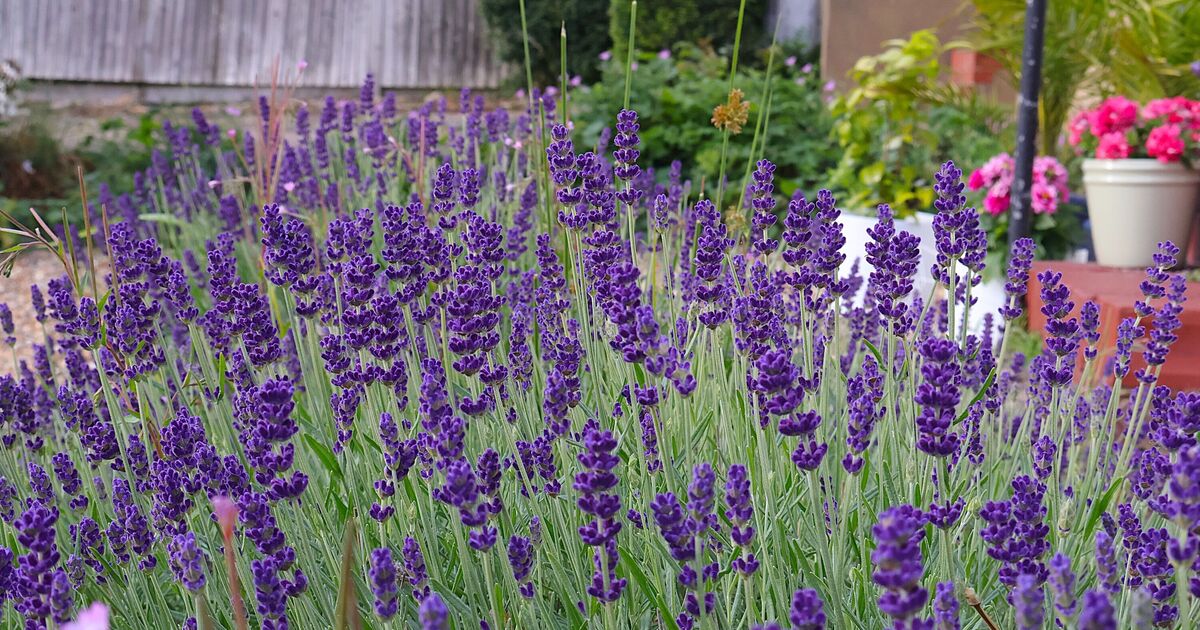
Across UK gardens, lavender is only just starting to come out of its winter dormancy, and in many outdoor spaces, it still looks a long way off from its summer self. A bit of thoughtful care now also makes a real difference in growing lavender, helping the plants hold their shape and look intentional rather than tired or woody once summer arrives. One thing that gardeners should do with their lavender now is prune them, especially if they have missed pruning the plant in late summer last year.
Taking to his gardening TikTok account @themichaelgriffiths, Michael said: “If you missed pruning your lavender in late summer, or it’s looking untidy or frost-damaged, now in mid to late spring, when this new growth appears, is the perfect time to prune.” Lavender is the most underpruned plant in the UK. People are afraid of cutting into the brown wood. With this in mind, Michael has shared the “right way” to prune lavender at this time of the year.
The gardening expert highlighted one golden rule to follow when carrying out this task, and that’s you can prune lavender as hard as you like as long as you’re not cutting into old wood and you leave some new growth beneath the cutting point.
Michael noted that it’s really easy to see the difference between the old wood, which is brown and has almost white foliage, and the new growth, which is bright green in colour at this time of year.
The gardener instructed that you want to prune just above the old wood, making sure that there’s still a little of the new growth left behind.
For those who do accidentally end up cutting into the old wood, Michael warned that the area “may not regrow” and “you could lose the plant”, so if in doubt, stay above that new growth.
It is worth noting that if you prune your lavender back hard, it may result in fewer flowers and a delayed season.
UK springs are shorter and colder, so a plant that is hard-pruned in April has less time to recover before it needs to flower.
When the UK heads into summer, it is work deadheading your lavender. If you cut off the spent flower stalks after the first flush of flowers in late June, you will encourage a stronger second flush in late summer.
It is not essential, as the seed heads look pleasant enough if you prefer to leave them, but for certain varieties, it does make a noticeable difference to the August display.
Comments are closed.