
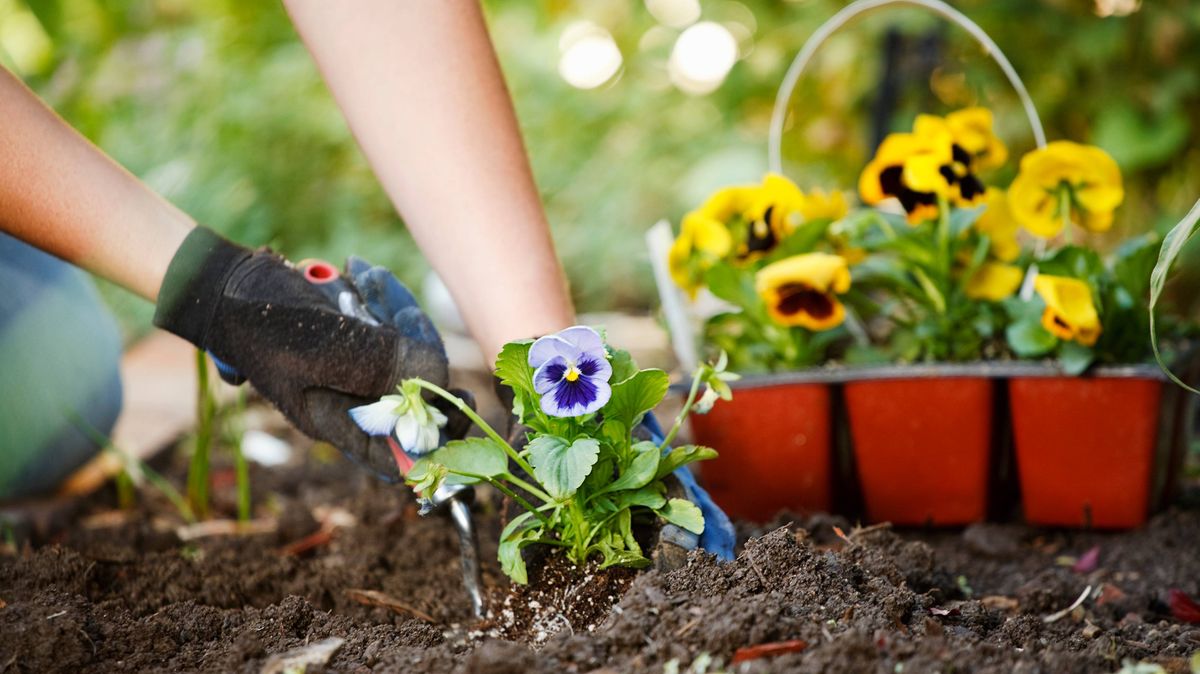
With spring here and warmer weather on the way, now is the perfect time to get your summer garden blooms going. A UK gardener has shared his expert planting flowers tips
Alice Sjoberg Social News Reporter
13:10, 17 Apr 2026
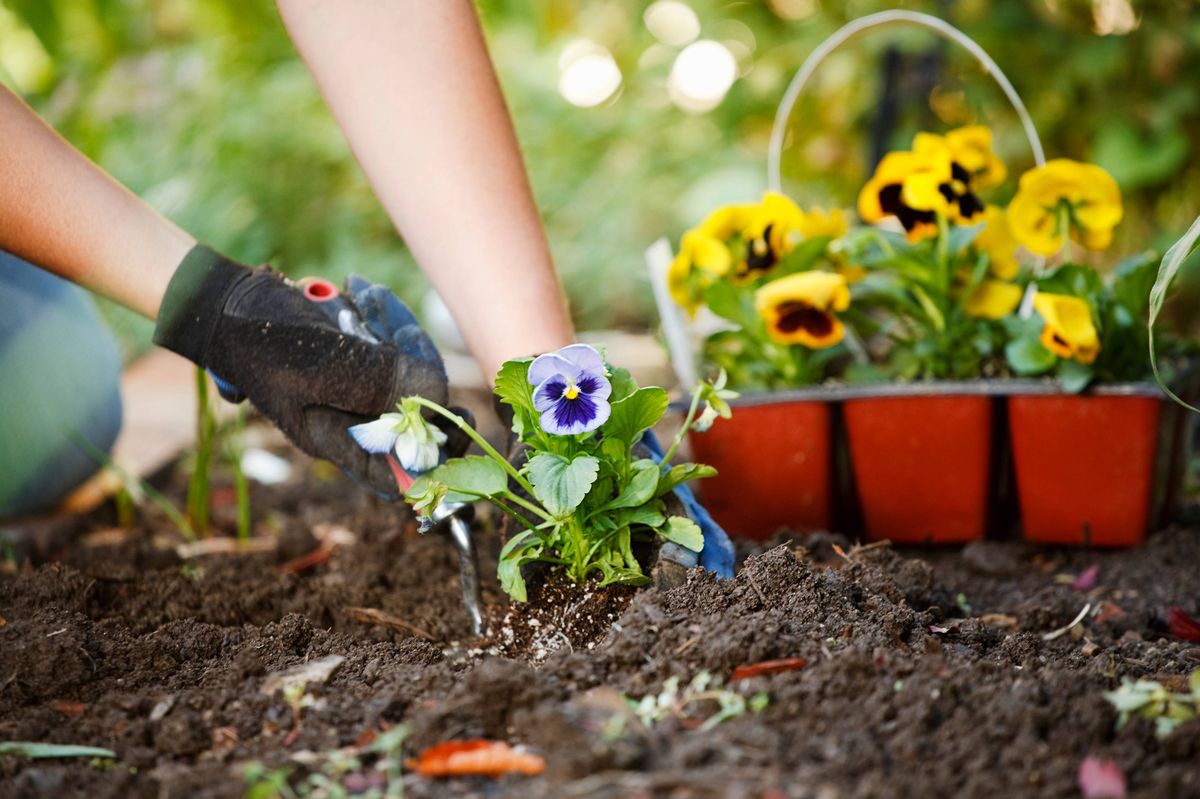
The gardener shared his go-to method of planting new flowers in garden (stock image)(Image: Getty Images)
If you’re dreaming of a garden bursting with vibrant blooms come summertime, now is the time to get cracking on planting this season’s flowers. Spring represents the ideal opportunity to begin transforming your summer garden.
With many flowers already beginning to emerge at this time of year, popping down to your local garden centre to find the perfect combination of spring and summer flowering plants has never been easier.
Better still, a UK-based gardener named Chris, boasting over 15 years of hands-on experience in gardening, has revealed his eight-step approach to successfully introducing new flowers into your garden every single time, while ensuring they truly thrive in their new surroundings.
“My ultimate planting tips when you’re adding something new to your garden borders,” he announced at the beginning of his TikTok video. He went on to add in the caption of the post: “These tips have helped me and my plants loads over the years. Give them a try yourself!”
1. Water your plants firstContent cannot be displayed without consent
For his opening tip, Chris encouraged gardeners to always water their flowers prior to putting them in the ground, ensuring both the roots and soil are thoroughly soaked before planting takes place.
This helps guard against transplant shock, while guaranteeing immediate hydration and assisting roots in becoming established. Dry root balls can repel water (hydrophobic), leading to plant dehydration even if the surrounding soil is wet.
2. Dig a wide hole
Next, it’s time to dig a hole for your flower. While many gardeners might assume it should be roughly the same size as the plant pot, Chris recommends a different approach.
“Always dig your holes wider than the pot it’s in,” he said.
Digging a slightly wider hole than the plant pot will help encourage the roots to spread outwards. However, it should be as deep as the root ball to prevent sinking. Ensure the top of the root ball sits level with the surrounding soil to avoid stem rot.
3. Use mycorrhizal fungi
Once your hole is prepared, Chris advises sprinkling in some mycorrhizal fungi. This beneficial soil fungus forms symbiotic relationships with plant roots, effectively acting as an extension of the root system to enhance nutrient and water absorption by up to tenfold.
“This allows for better connection between the roots and the soil,” he explained.
The fungi also bolsters the plant’s drought tolerance, accelerates growth, and strengthens resistance to diseases by exchanging nutrients such as phosphorus for plant carbon.
4. Tease the roots
He also recommends always teasing the roots before planting. This involves gently loosening the root ball with your fingers to prevent encircling growth and promote outward expansion into fresh soil.
“This encourages roots to grow out into the soil,” Chris added.
For healthy, dense roots, lightly tickle the sides and bottom; for tightly matted, root-bound plants, you may need to use a knife to score the root ball to ensure long-term plant health.
5. No compost in the hole
For his fifth tip, he advised home gardeners to never place compost into the hole where you’re planting.
“This can cause the plant’s roots to stay inside the planting hole,” Chris said. Instead, compost is best applied as a surface mulch.
6. Use a 50/50 soil mix
When backfilling the plant, Chris suggests using an equal mix of garden soil and compost. While using compost alone to backfill can cause the plant’s roots to remain inside the planting hole, combining it with garden soil will help the plant acclimatise to its new environment.
Chris noted that this mixture will assist the plant in adapting to your garden soil while simultaneously delivering immediate nutrition to the roots via the compost.
7. Use mudding in technique
“When you backfill, try the mudding technique,” he urged gardeners. This involves creating a slurry of soil and water in the planting hole to eliminate air pockets and reduce transplant shock. This method works well in both spring and autumn and is vital for preventing root damage in hot or dry conditions.
“Trapped air pockets in the soil can cause roots to dry out,” Chris explained.
Simply add soil around the plant, followed by water. Continue this layering process until you reach the top of the hole.
8. Create a moat
As a final tip, Chris suggests fashioning a moat around your plant by using your fingers to form a hollow around the outer edge of the plant.
“The water will be directed down to the roots, where it’s needed, and not into the crown, which can cause rot or introduce fungal problems,” Chris explained.
Comments are closed.