
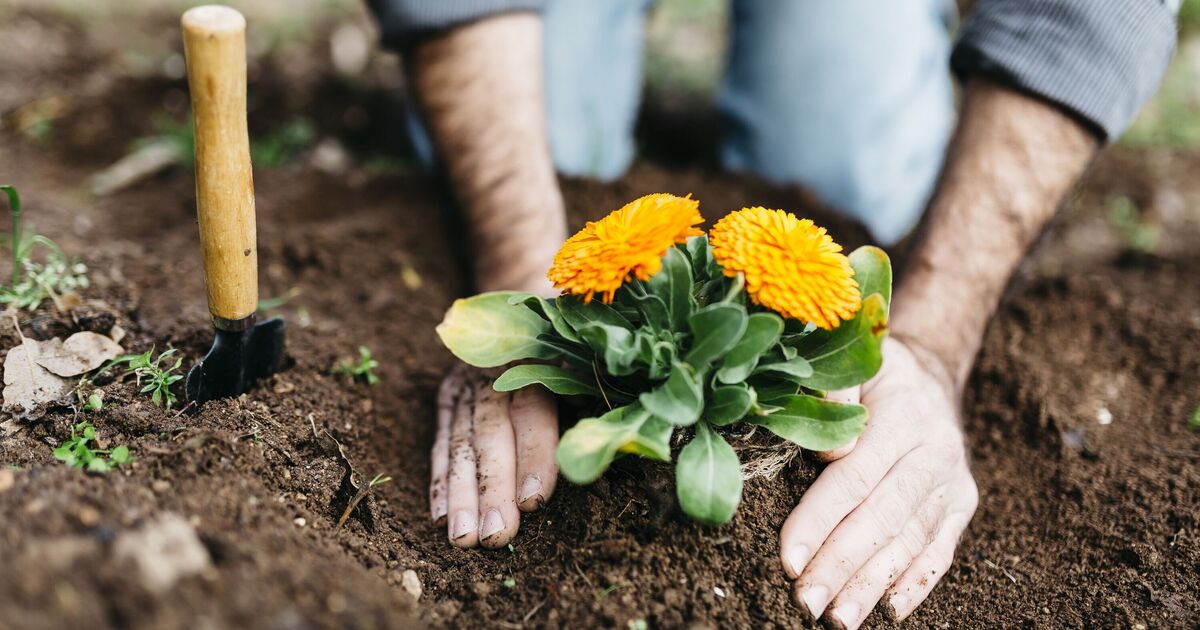
A gardener has shared his top tips to how to best plant flowers (stock image) (Image: Getty)
If you want your garden to be full of blooming flowers by summer time, it’s now time to get started on planting this year’s blooming flowers. Spring is the perfect time to start working on your summer garden.
Many flowers will be starting to bloom around this time, so going to a garden centre and finding your ideal mix of spring and summer flowering plants couldn’t be easier.
To make it better, one UK gardener named Chris, who has more than 15 years of experience in the gardening field, has shared his eight step method for how to successfully introduce new flowers into your garden space every time, and making sure they flourish in their new home.
“My ultimate planting tips when you’re adding something new to your garden borders,” he said at the start of his TikTok video. He added in the caption of the video: “These tips have helped me and my plants loads over the years. Give them a try yourself!”
1. Water your plants first
For his first tip, Chris urged people to always water your flowers before you plant them in the ground, making sure the roots and the soil is thoroughly hydrated before you plant it.
This will help to prevent transplant shock for the plant, while also ensuring immediate hydration, and help roots establish. Dry root balls can repel water (hydrophobic), leading to plant dehydration even if the surrounding soil is wet
Read more: Garden flowers that ‘thrive on neglect’ but still produce ‘long-lasting’ blooms
Read more: Gardeners told to avoid ‘killer’ popular plant despite its beautiful flowers
2. Dig a wide hole
Next, it’s time to dig out a hole for where your flower should go in. While many might think to dig it about the same size as the plant pot the flowers come in, Chris recommends to do it differently.
“Always dig your holes wider than the pot it’s in,” he said.
Digging a slighter wider hole than the plant pot will help to encourage root spread. However, it should be as deep a as the root ball to prevent sinking. You should ensure the top of the root ball sits level with the surrounding soil to avoid stem rot.
3. Use mycorrhixal fungi
Once your hole is dug out, Chris continued to say that you should sprinkle in some mycorrhixal fungi. This is a beneficial soil fungi that form symbiotic relationships with plant roots, acting as an extension of the root system to boost nutrient and water uptake by up to tenfold
“This allows for better connection between the roots and the soil,” he explained.
The fungi also enhances the plant’s drought tolerance, accelerate growth, and improve resistance to diseases by exchanging nutrients like phosphorus for plant carbon
4. Tease the roots
Next, he said to always tease the roots of the plant before you plant it. This consists of gently loosening the root ball with your fingers to prevent encircling growth and encourage outward expansion into new soil
“This encourages roots to grow out into the soil,” Chris added
For healthy, dense roots, lightly tickle the sides and bottom; for tightly matted, root-bound plants, you may need to use a knife to score the root ball to ensure long-term plant health.
5. No compost in the hole.
For his fifth point, he told home gardeners to never put compost into the hole you’re planting something in.
“This can cause the plant’s roots to stay inside the planting hole,” Chris said. Instead, compost is best applied as a surface mulch.
Read more: Floppy tulips in vases will perk up fast if you do simple 3-second task
Read more: Attract robins to your garden with three simple changes they will love
6. Use a 50/50 soil mix
When backfilling the plant, Chris recommends using a 50/50 mix of garden soil and compost. While just using compost to backfill can cause the plant’s roots to say inside the planting hole, mxing it with garden soil will help get the plant used to its new home.
Chris explained that this mix will help the plant to get adjusted to your garden soil while also providing immediate nutrition for the roots, through the compost.
7. Use mudding in technique
“When you backfill, try the mudding technique,” he urged gardeners. This consists of creating a slurry of soil and water in the planting hole to eliminate air pockets and reduce transplant shock. This technique is effective in both spring and fall and is essential for preventing root damage in hot or dry conditions
“Trapped air pockets in the soil can cause roots to dry out,” Chris explained.
Simply add soil around the plant, followed by water. Continue this layering technique until you reach the top of the hole.
8. Create a moat
Finally, Chris recommends creating a moat around your plant by using your fingers to create a depression around perimeter of the plant.
“The water will be directed down to the roots, where it’s needed, and not into the crown, which can cause rot or introduce fungal problems,” Chris explained.
Comments are closed.