
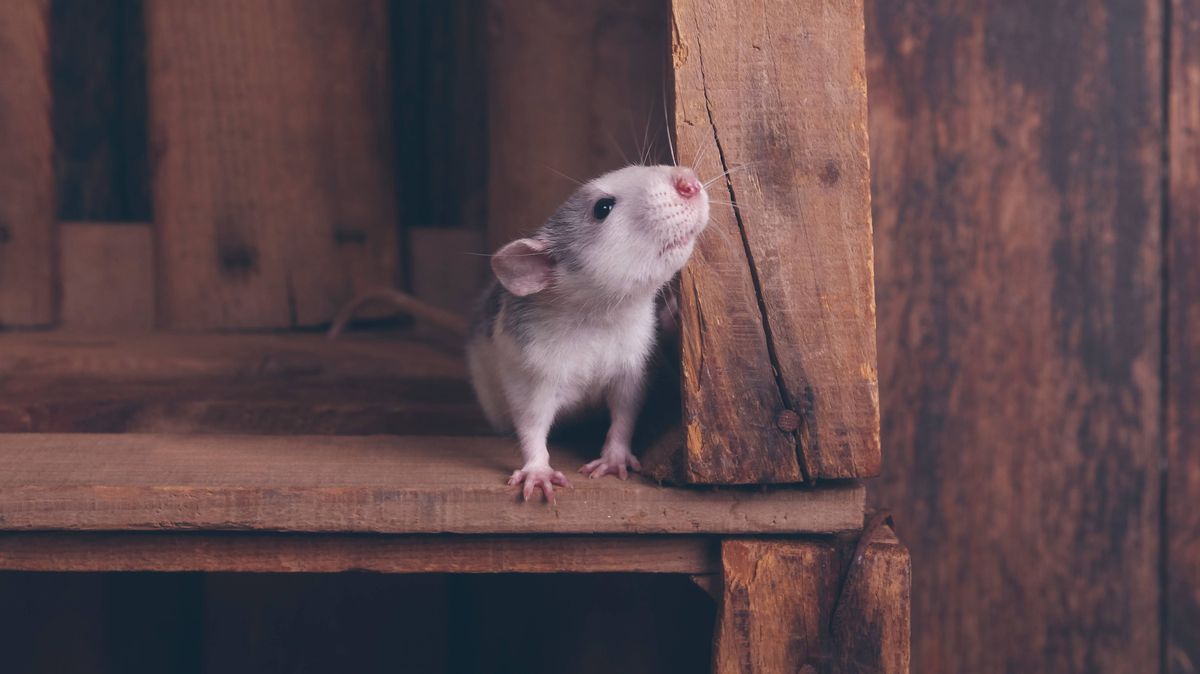
Rats are most active during UK spring and summer, but these three natural rat repellent smells will deter these rodents from entering your home and garden
07:00, 17 Apr 2026Updated 08:45, 17 Apr 2026
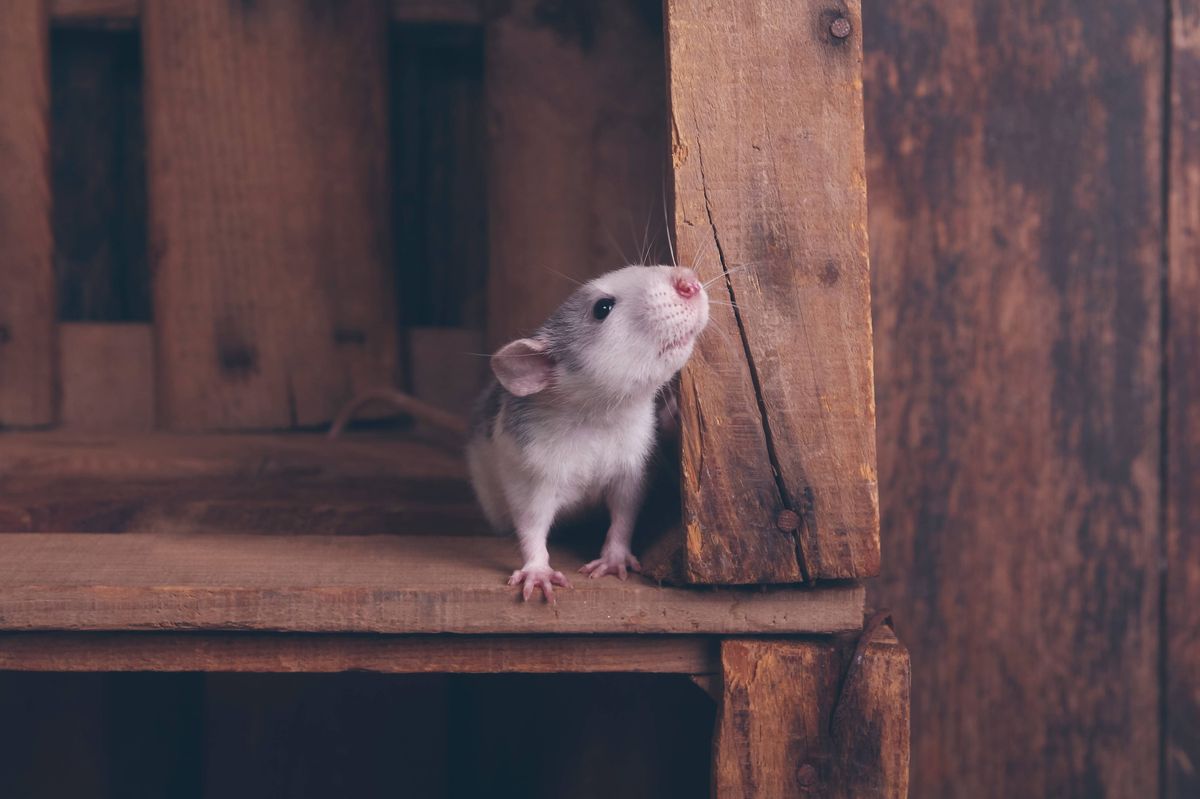
These 3 natural scents will keep them away for good(Image: Westend61 via Getty Images)
As temperatures start to climb and the UK finally begins to warm up, it’s not only humans emerging from their comfortable hideaways.
One familiar creature is poised to make its comeback to society – and most of us aren’t particularly keen.
With April signalling the beginning of peak breeding season for rats, these troublesome rodents emerge between spring and summer, particularly in the UK, which (surprisingly) offers ideal climate conditions for these animals, enabling them to flourish and easily locate food and shelter.
From homes, garages, barns, rooftops and kitchens to basements, these disease-carrying rodents infiltrate all manner of spaces and cause substantial damage.
While enlisting the services of pest control professionals is always the advised approach when dealing with serious rat or mice infestations, there are several natural remedies you can utilise in your battle against these troublesome rodents, reports the Express.
While rats may have limited eyesight, they possess an exceptionally sharp sense of smell and are extremely sensitive to odours. Fortunately, this is something you can exploit to strengthen your rat-fighting arsenal.
For those wanting to eliminate rats through humane methods, there are three scents that these pests absolutely detest, which can act as natural deterrents against these rodents.
Top 3 natural scents rats ‘hate’Spice, spice, baby
It’s a potent natural repellent for rats and mice(Image: Getty)
To suggest that rats dislike spicy scents would be a considerable understatement.
Cayenne pepper powder, chilli pepper flakes, or potent chilli oil can trigger significant irritation to rats’ respiratory systems when breathed in, causing these rodents to avoid spaces with powerful chilli aromas.
Using chilli flakes, chilli oil and cayenne powder:
Scatter chilli pepper flakes or cayenne powder around possible rat entry points in your property, particularly gaps surrounding pipes, compromised air bricks, drains, roof openings, or windows and doors.
For chilli oil – combine it with water in a spray bottle and apply around the locations where rats and mice are present in your affected areas.
Be sure to reapply following periods of heavy rainfall or dampness, and always take care when using chilli-based products near pets and children – they are not your intended target.
Peppermint power
It’s undoubtedly the scent rats hate the most(Image: Getty)
The scent of peppermint can readily be named amongst the top odours rats detest the most. It’s a widely-used natural deterrent for these creatures, and with valid justification.
Its intense and sharp fragrance causes chaos with a rat’s delicate sense of smell, leading the rodents to experience challenges with navigation and locating food.
Rats typically search for warm, protected spaces, so positioning cotton balls drenched in peppermint oil in locations susceptible to rat activity, such as beneath kitchen units, close to pipes, or in loft areas, can prove remarkably effective.
Bear in mind that the oil will need topping up regularly, as its strength fades over time. It’s worth noting that peppermint’s effectiveness can be diminished in particularly wet conditions, so ensure adequate ventilation wherever possible.
Using peppermint
The most effective method of deterring rats using peppermint is to saturate cotton wool balls in pure peppermint oil and position them in areas susceptible to rat activity, such as sheds and garages, beneath kitchen units, or close to pipes.
Place the saturated cotton wool balls at points where you suspect rats and mice are gaining entry (look out for scratch marks, small black droppings, chewed wires or clothing).
Remember to replenish the cotton wool balls with peppermint oil every few days to sustain a powerful, pungent scent, and if your budget stretches to it, use a peppermint oil spray in hard-to-reach spots, or make your own by combining the essential oil with water in a spray bottle.
Citrus, Alt, Delete
Rats and mice find the aroma extremely repulsive(Image: Getty)
Citrus is another naturally occurring scent that rats and mice find utterly repellent, largely due to the presence of limonene, a compound found within the peel of lemons, oranges, grapefruits, and other citrus fruits.
Limonene features not only in flavourings used across food, medicines, perfumes, and cleaning products, but also in potent citrus oils such as lemon, orange, and citronella, which experts maintain are highly effective at keeping rats and mice away.
However, specialists warn that, given how potent citrus oils are, it is advisable to dilute them with water prior to application.
Using citrus
Given that rats and mice detest the scent of citrus fruits such as lemons, oranges, limes and grapefruit, placing fresh peel from these fruits in areas of high rat activity can prove highly effective.
Bear in mind that peels are perishable items, and may consequently draw other creatures such as slugs, snails and raccoons if their placement isn’t monitored on a regular basis.
Citrus essential oils are another powerful weapon in your battle against rats, and much like peppermint oil, soaking cotton wool balls in citrus-based essential oils and positioning them in high-activity areas is an excellent way to repel these unwanted rodents.
An additional effective technique involves combining citrus essential oils with water in a spray bottle and applying it to affected or hard-to-reach spots.
Comments are closed.