
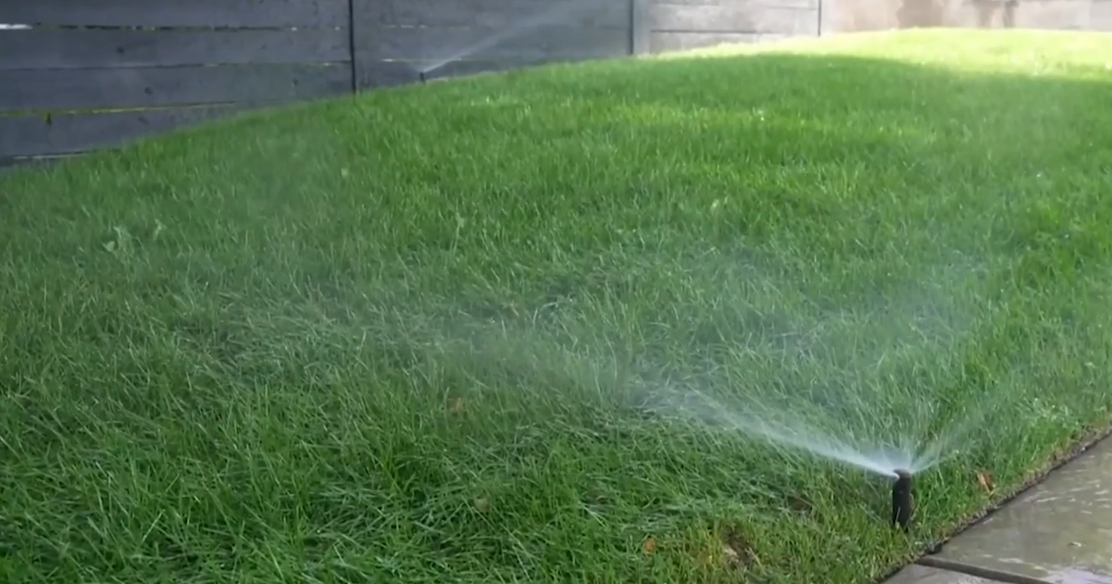
Before you start prepping your lawn and garden this year, there are some conservation concerns you may want to think about.
“We encourage everyone before they fertilize their lawn to get a soil test and make sure that the nutrients and the rates of the nutrients they’re applying to their lawn are actually necessary,” said Robert Suseland, the habitat specialist with the Tippecanoe County Soil and Water Conservation District.
Suseland said using too much water can spread extra nutrients to places where they aren’t beneficial.
“It’s a good idea to reduce your water use as much as possible,” Suseland said. “More water leads to more runoff of those nutrients.”
While herbicides and pesticides can give you a picture-perfect green lawn, Suseland said they can get rid of beneficial parts of wildlife.
“If you can, stop using herbicide in your lawn and let those little native wildflowers like violets and spring beauties establish in your lawns,” Suseland said. “That’s a good food source for our native bees.”
Suseland recommends against using fertilizer with phosphorus, and said excess nutrient run off can even be harmful for aquatic life.
“That buildup of nutrients can cause excessive plant growth, which can eventually cause things like fish kills,” he shared. “Things like algae start to decompose, oxygen is depleted, and then that aquatic life is harmed.”
Another concern is invasive plants causing water quality and ecological issues. The Tippecanoe Invasive Cooperative Task Force has opened their invasive plant swap program for residents of the county.
Connect with Us:
Want to Share Something with Our Team?
Comments are closed.