
Every gardener loves plants that are easy to grow. What’s even better? Those that plant themselves.
Many flowers drop seeds that remain viable through the winter, then pop up the next growing season as baby plants when environmental conditions are right. Plant them once, and you’ve got flowers for years and years.
Most self-seeding flowers are annuals, but some perennials also spread their seeds if you don’t deadhead them after the blooms fade. These plants can fill in bare spots, providing you with that lush look of a garden that’s been there forever. It’s magical the way these flowers appear in the nooks and crannies of your garden.
While most of these flowers are well-behaved and won’t overrun your garden, you may want to consider deadheading the plants if you don’t want them to take over established flower beds. By deadheading, you can save the seeds and plant them yourself exactly where you want them to appear next year.
More garden inspiration:
Below, we’ve gathered some of our favourite self-seeding flowers for the garden…
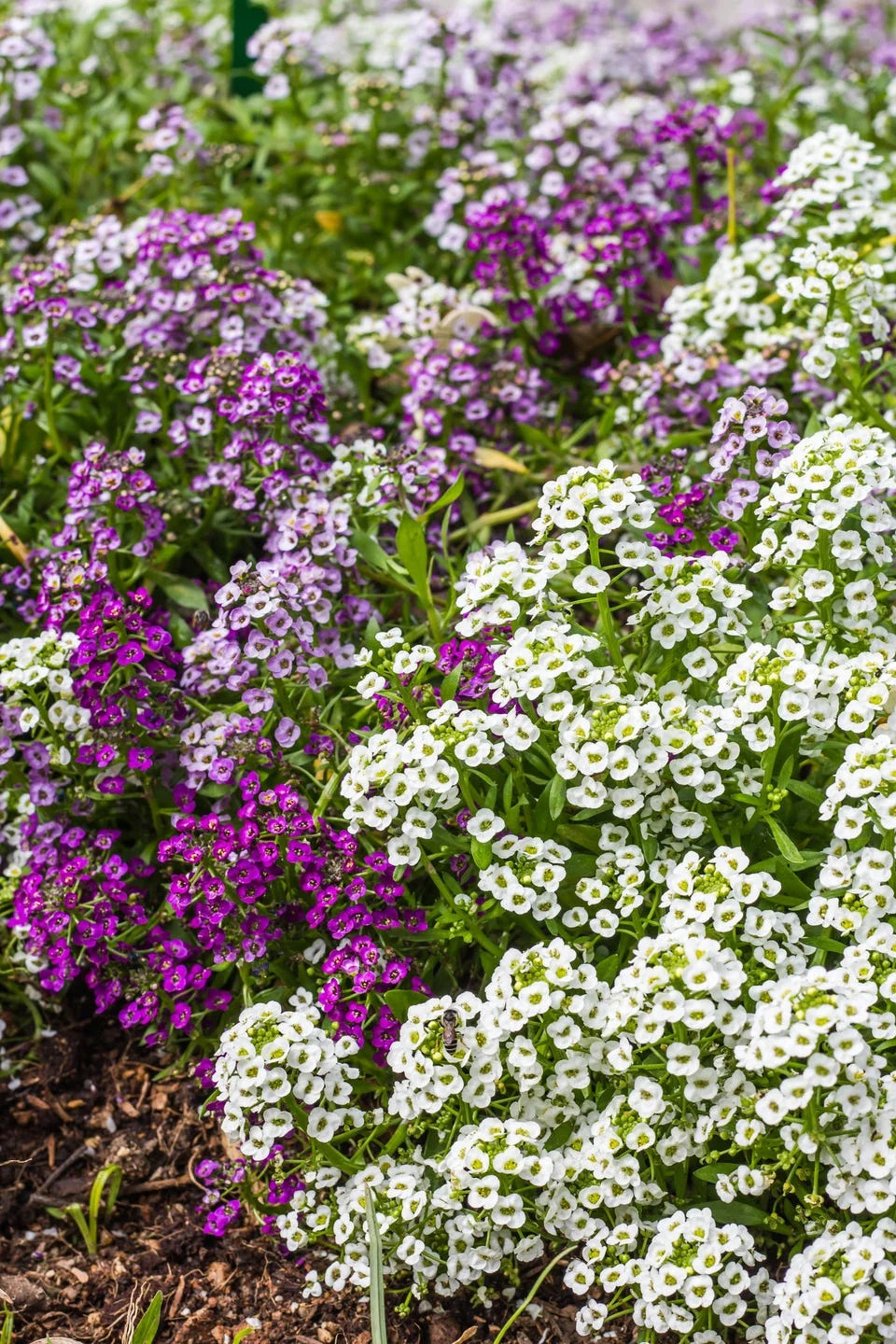
Sweet Alyssum (Lobularia maritima)
Light: Full sun
Sweet alyssum is a low-growing annual with honey-scented flowers. Pollinators love this flower, which blooms well into autumn until a hard freeze. The minuscule seeds will spread everywhere, filling in cracks between stone paving and garden beds to provide a carpet of white or pink.
BUY NOW
Nawin_nachiangmai – Getty Images
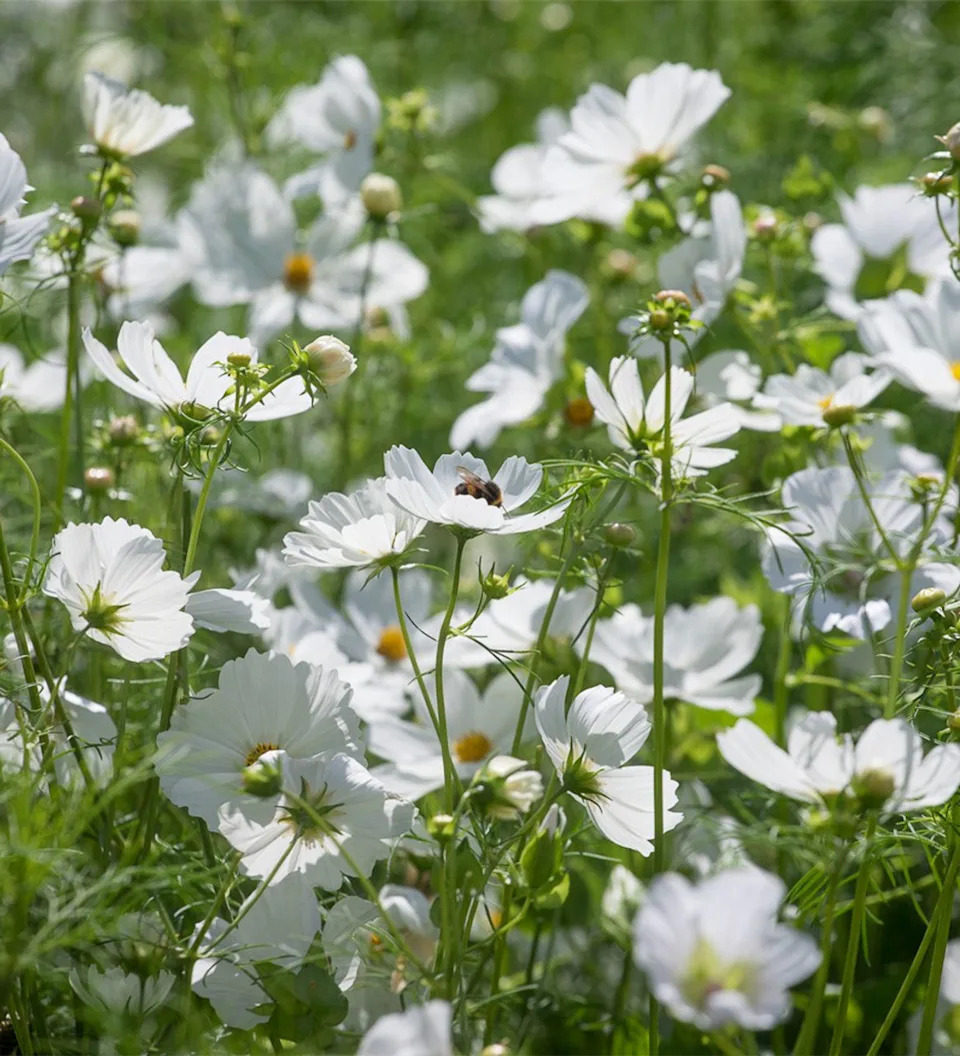
Cosmos (Cosmos bipinnatus)
Light: Full sun
Cosmos have feathery foliage and beautiful flowers in every colour of the rainbow. These annuals produce more blooms if you deadhead, but if you want them to self-seed, leave a few to go to seed so they can drop into your flower beds. They’re a great addition to cutting gardens.
BUY NOW
Getty Images
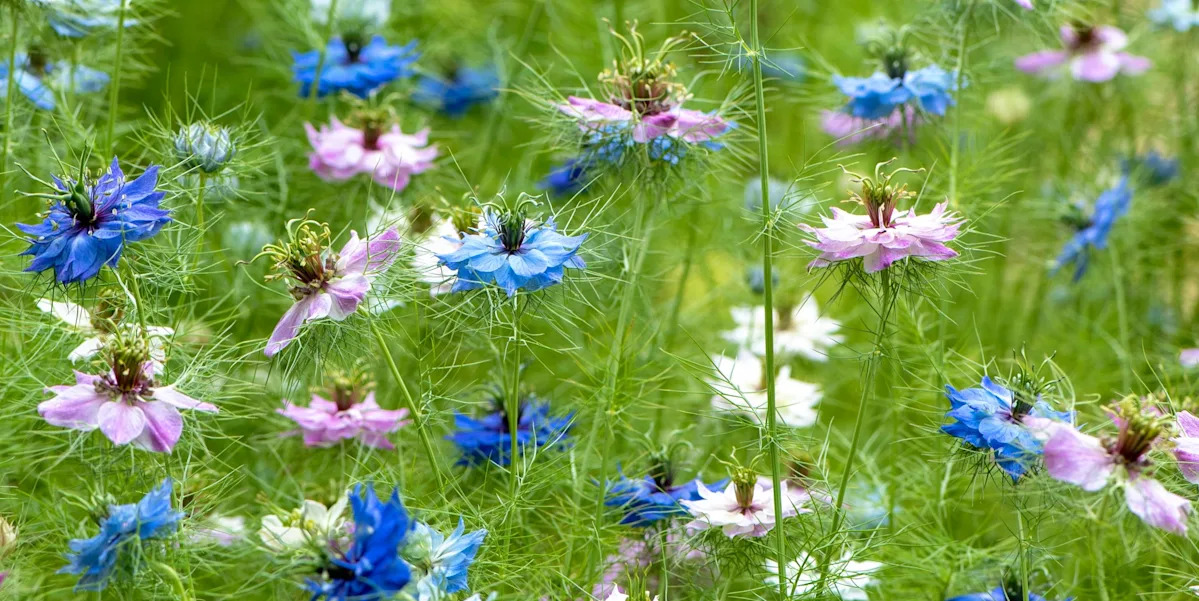
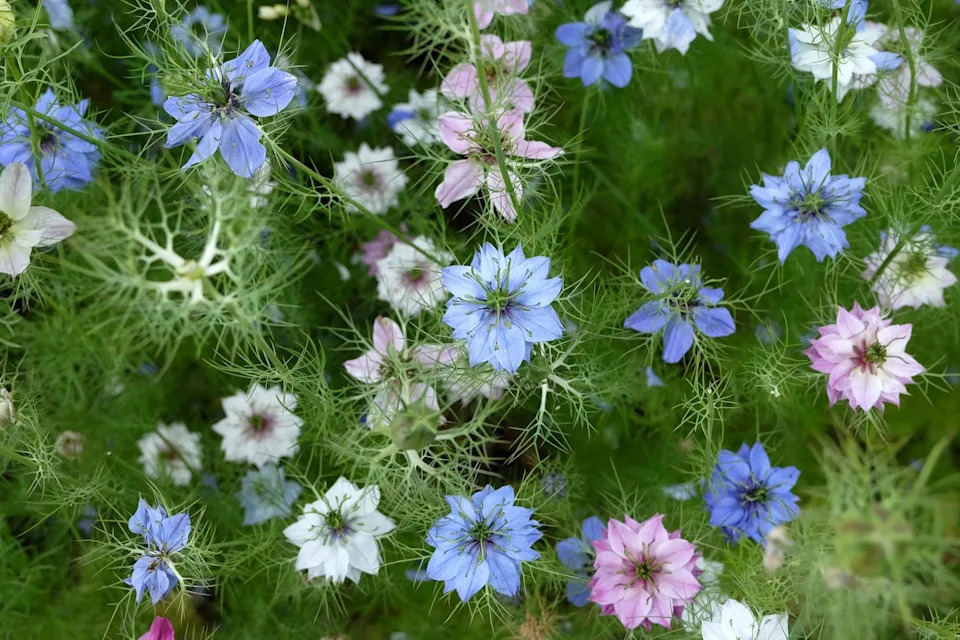
Love in a Mist (Nigella damascens)
Light: Full sun
This charming flower has a delightful name, lacey foliage and the most ethereal-looking flowers you’ve ever seen in shades of blue, pink or white. It’s a lovely annual to sow amidst your flower or vegetable garden, where it will return for years.
BUY NOW
Alex Manders – Getty Images
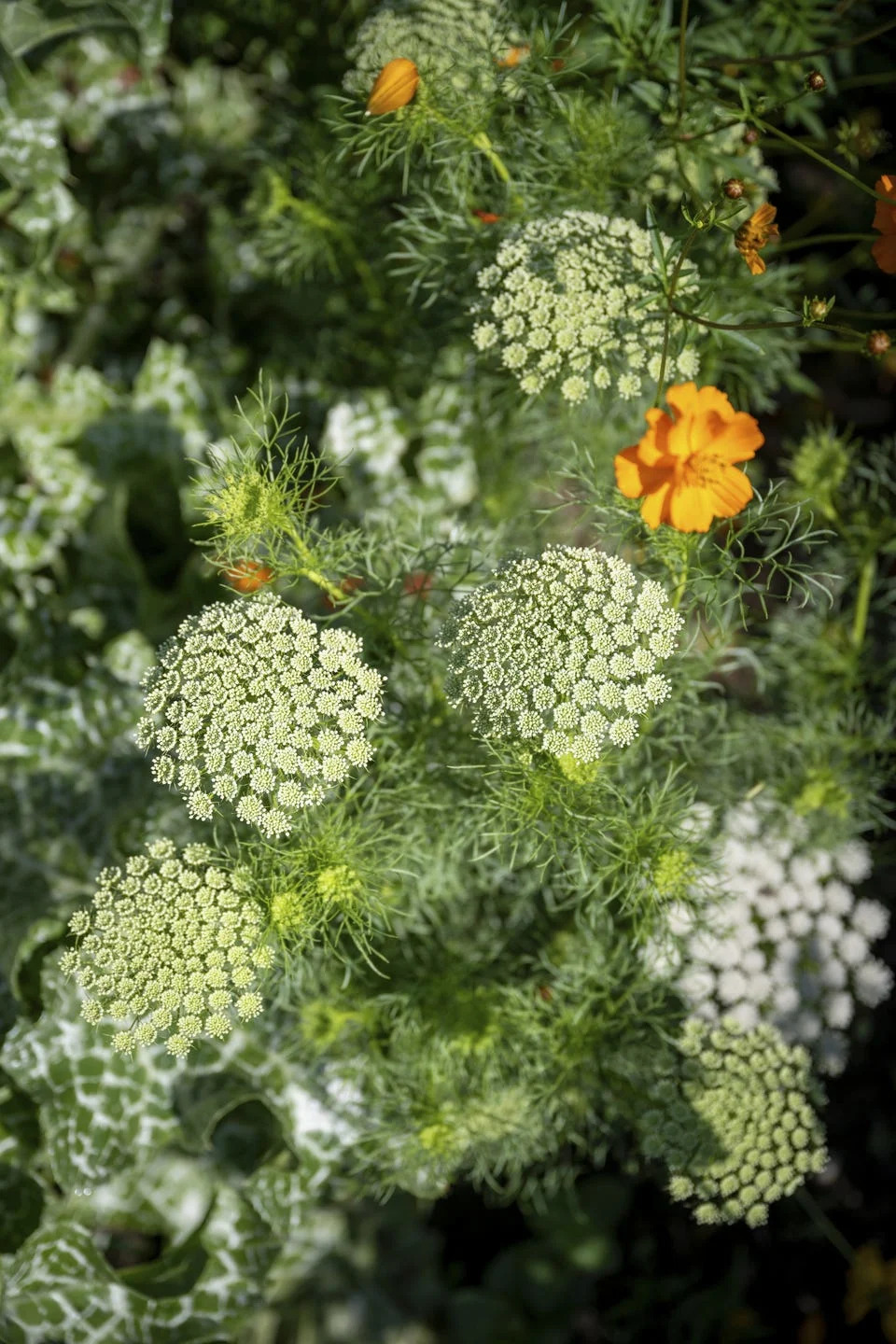
Ammi (Ammi majus)
Light: Full sun
Ammi is a tall annual that pollinators love. However, this plant tends to reseed a wee bit aggressively, so deadhead some of the spent flowers and let only a few go to seed – otherwise, this plant can take over. Its flat white or pinkish flowers are amazing in cut bouquets.
BUY NOW
imageBROKER/Markus Keller – Getty Images
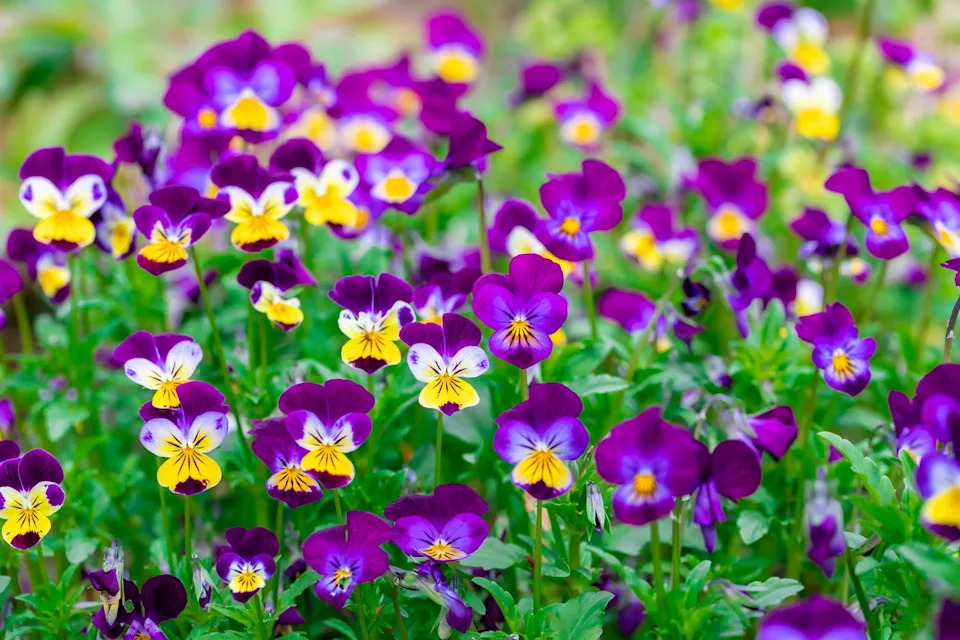
Viola (Viola tricolor)
Light: Full sun to partial shade
Violas are a hallmark of spring. These annuals prefer cool weather and will happily bloom until the heat of summer arrives, self-seeding for next year. Plant them in partial shade, and their blooms will last longer.
BUY NOW
yumehana – Getty Images
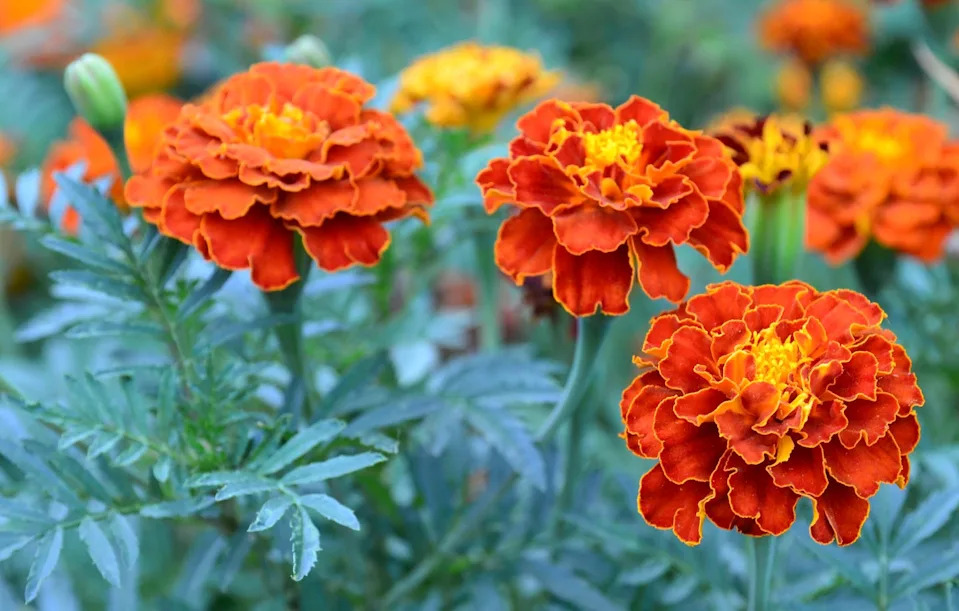
French marigolds
Light: Full sun
This sturdy annual has been a favourite for generations because it’s so cheerful, easy to grow and tolerates heat and droughts. When the flowers dry up, help them self-seed by removing the spent flower head, breaking it open and spreading the seeds across your beds and borders. Deadheading them this way will also produce more blooms.
BUY NOW
svf74
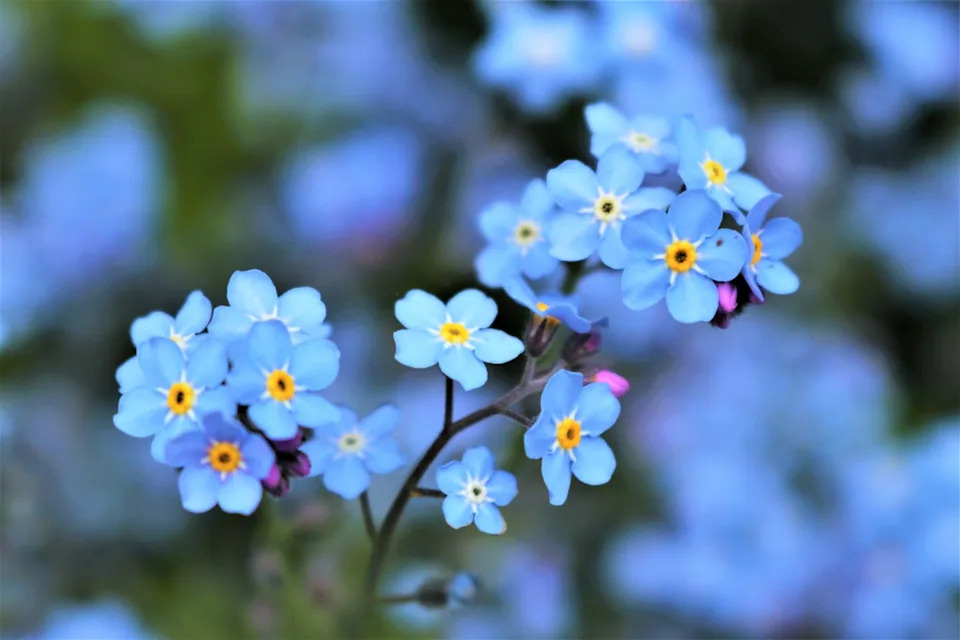
Forget Me Not (Myosotis spp)
Light: Full sun to partial shade
It’s a joy to see these clusters of azure-blue flowers popping up in gardens in spring and early summer. These little blue beauties also self-seed prolifically, so they’ll quickly spread around the base of other plants, crowding out weeds and providing soil cover.
BUY NOW
Agnieszka Klimaszewska – Getty Images
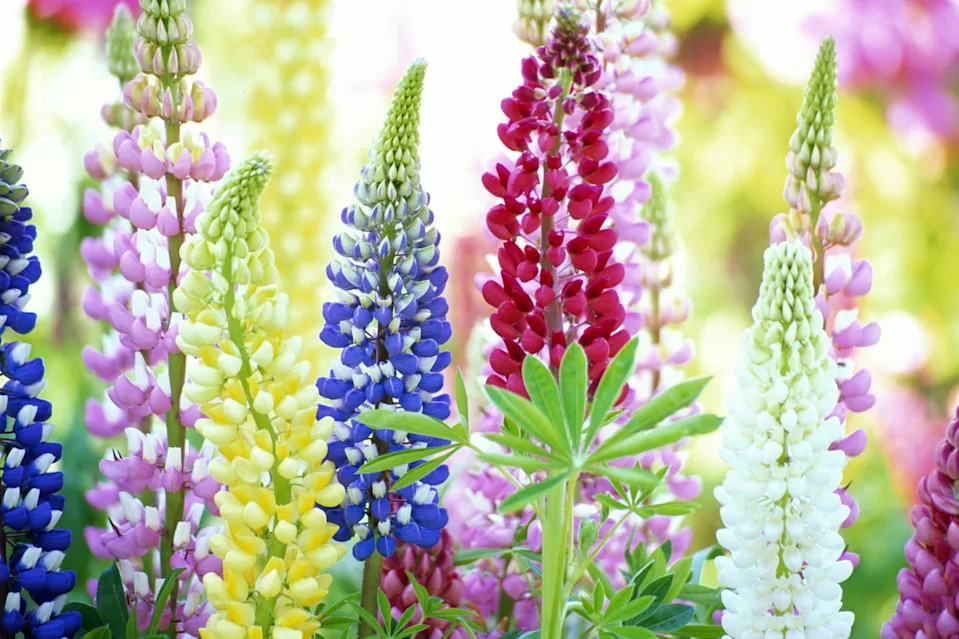
Lupine (Lupinus)
Light: Full sun to partial shade
This hardy perennial prefers cool weather, and its gorgeous spikes of pink, blue or white flowers appear in early spring. Because it’s a short-lived perennial that only thrives for a few years, it’s smart to allow it to self-seed so you have flowers again next year.
BUY NOW
Steve Satushek – Getty Images
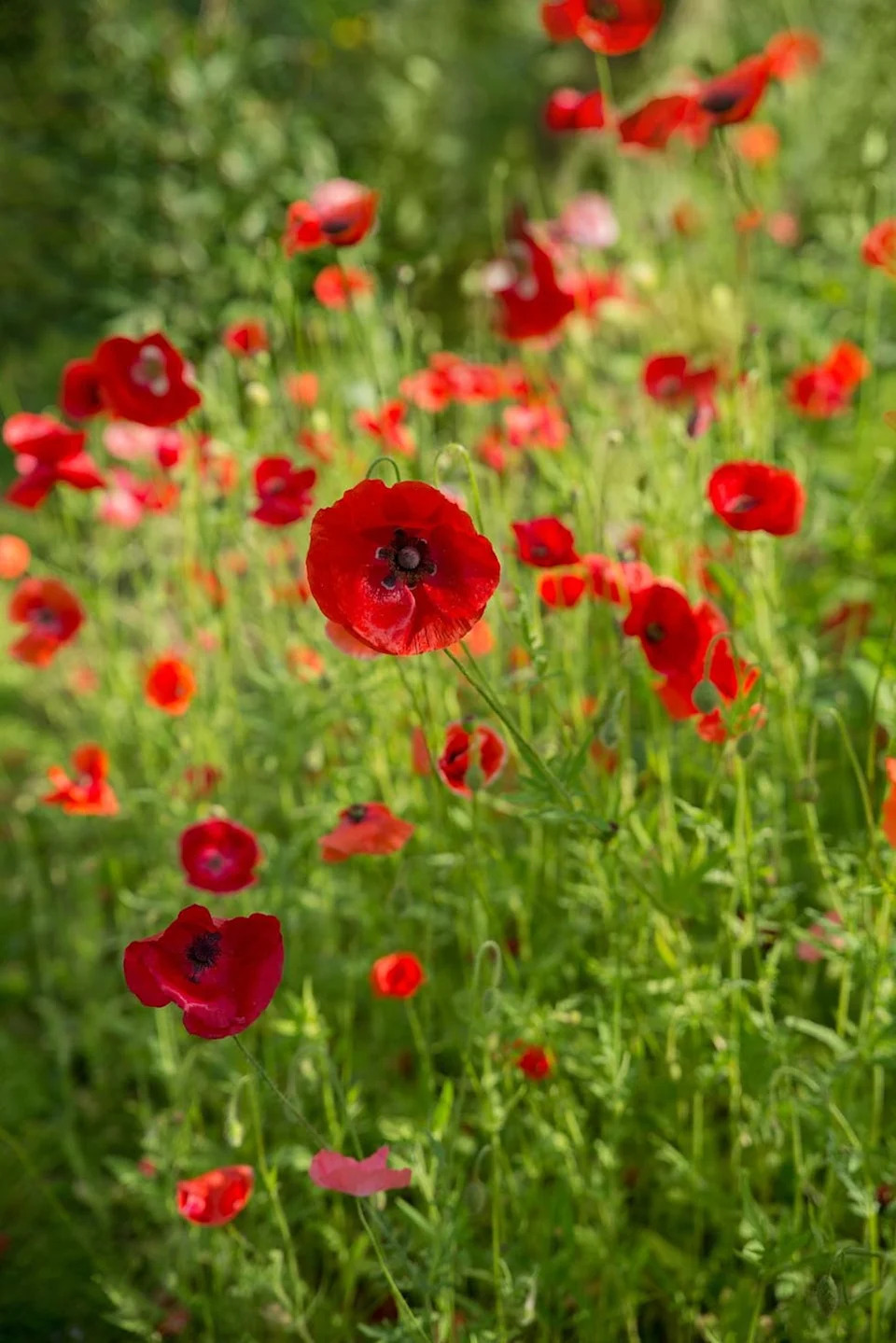
Poppy (Papaver)
Light: Full sun
Poppies can be annual or perennial, but the common red poppy, which is as hardy a flower as you’ll ever plant, is an annual. Once its flower fades, it forms a round-ish capsule full of seeds that happily self-seed in the garden.
BUY NOW
Arina_Bogachyova – Getty Images
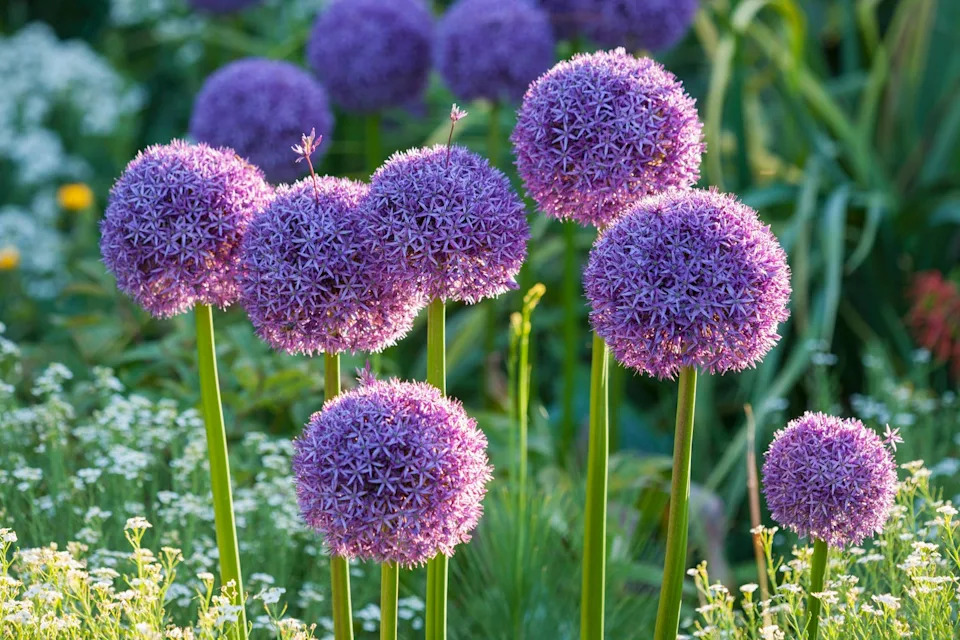
Allium (Allium spp)
Light: Full sun
Alliums have striking ball or drumstick-shaped flowers that appear in spring to summer, depending on the variety. These pollinator-friendly perennials are fabulous self-seeders, and if they pop up somewhere you don’t want them, simply transplant the hardy seedling elsewhere.
There are both edible alliums, such as chives and garlic chives, and ornamental cultivars with various heights ranging from a foot to three feet tall.
BUY NOW
Clive Nichols – Getty Images
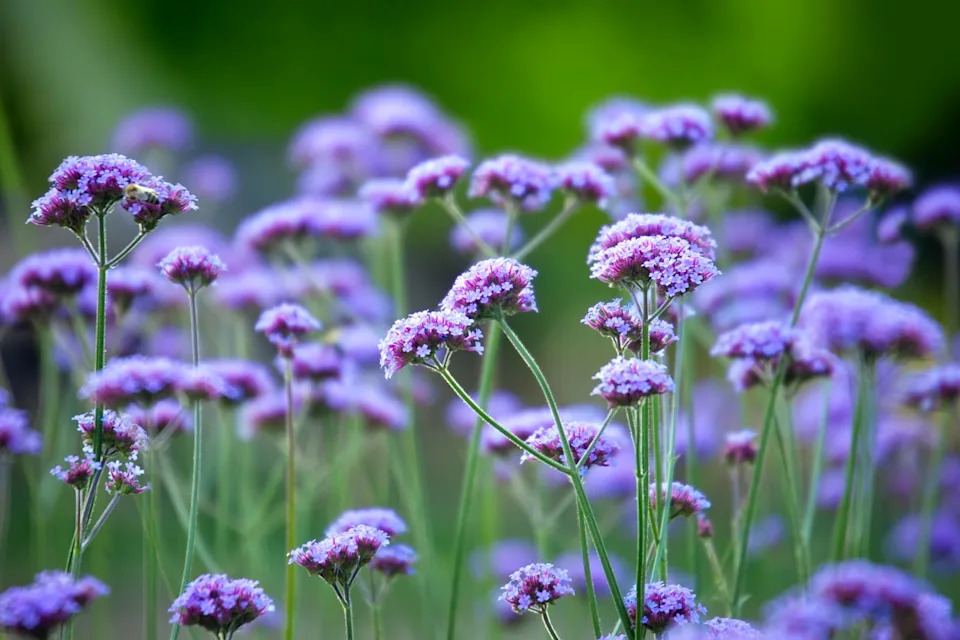
Vervain (Verbena bonariensis)
Light: Full sun
The tall, gangly stems of vervain make a wonderful addition to cutting gardens and traditional border garden design – plus, pollinators love them. Vervain self-seeds readily in autumn – but due to its tall, airy stems, it doesn’t crowd or smother other plants.
BUY NOW
TatianaMironenko – Getty Images
Comments are closed.