
 3 min read
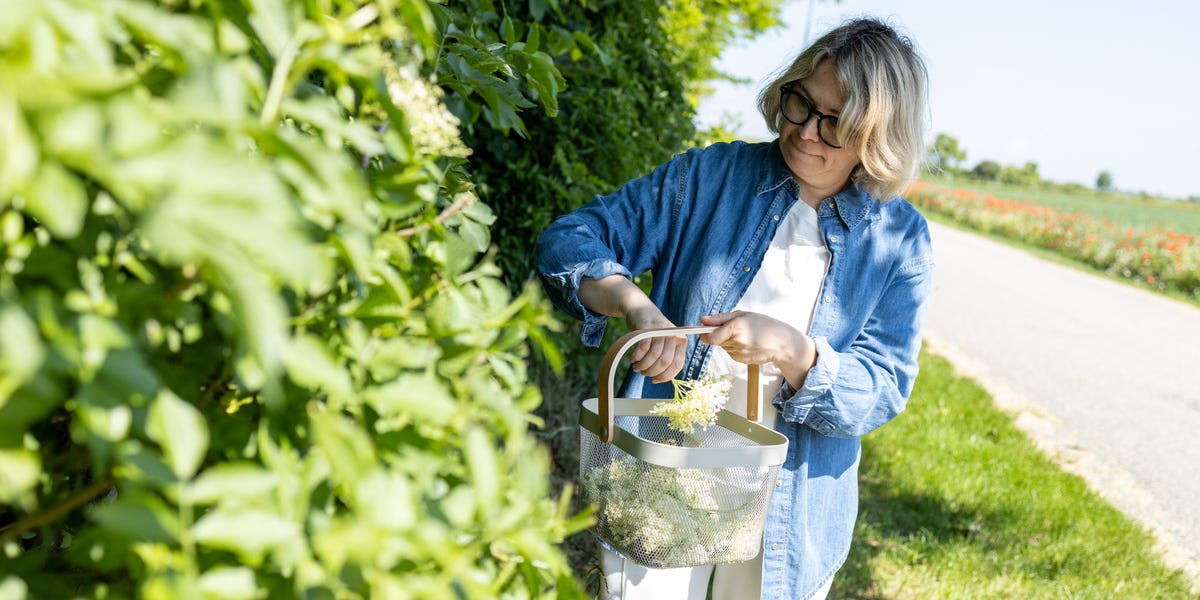
Picture this: It’s a perfect sunny day, and you’re out for a stroll around the neighborhood. As you walk, you spot a vibrant flower in full bloom that’s just begging to come home with you. The only problem? It’s growing in your neighbor’s yard. Do you pick it?
It’s a question many of us have faced. Some may go for it—it’s harmless, after all—while others may leave it be, accepting that the bloom isn’t theirs to take. To settle the debate, we tapped longtime garden expert and author of A Year of Cut Flowers, Sarah Raven, for her take on picking flowers from someone’s yard.
Is it okay to pick flowers from someone’s yard?
From a gardener’s standpoint, it depends on the type of flower. Some varieties—like annuals, biennials, and dahlias—actually benefit from being picked. According to Raven, these are known as “cut-and-come-again” flowers because cutting them can prolong their blooming period.
However, not all flowers fall into this category. Blooms that won’t reflower in the same season, or those with sticky sap that can cause irritation, are best left alone.
Is it illegal to pick flowers?
‘Is it okay to pick flowers?’ and ‘Is it illegal to pick flowers?’ are two distinct questions. While one ponders the morality and potential hazards of picking blooms, the other gets into the nitty-gritty consequences of public vs. private spaces.
In most cases, picking flowers on private land—owned by individuals, corporations, and non-governmental organizations—without permission can be considered trespassing or even theft. These spaces aren’t open to the public, so it’s best to admire the flowers from afar, unless you’ve been given permission.
Public land—owned by state or federal governmental institutions—gets a bit trickier. While it may seem harmless to pick a wildflower, many parks, preserves, and protected areas have rules against removing any plants. This is especially true for national parks or areas with rare or endangered species, where picking flowers is often strictly prohibited.
While it is unlikely that a person will face serious consequences for picking a flower or two, it’s still something to keep in mind before reaching for the garden shears.
Flowers you can pick
Many flowers fall into the “cut-and-come-again” category, including annuals (which complete their life cycle in one season) and biennials (which do so over two). When cut properly, these blooms will regrow and flower again within days or weeks.
Common examples include sweet peas, scabious, ammi, cosmos, snapdragons, sunflowers, marigolds, petunias, geraniums, and more.
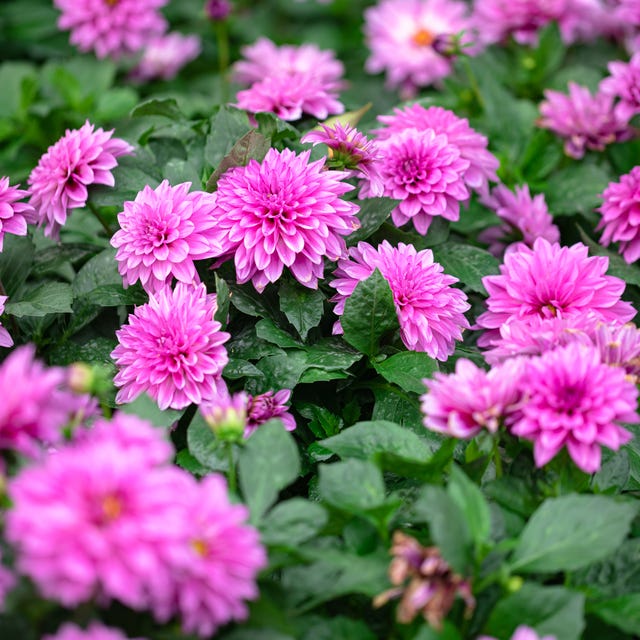
Dahlias
somnuk krobkum//Getty Images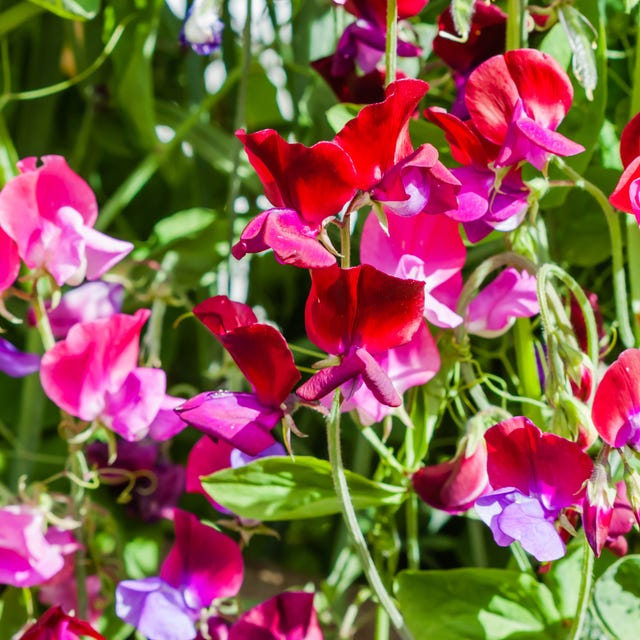
Sweet Peas
Flavia Morlachetti//Getty Images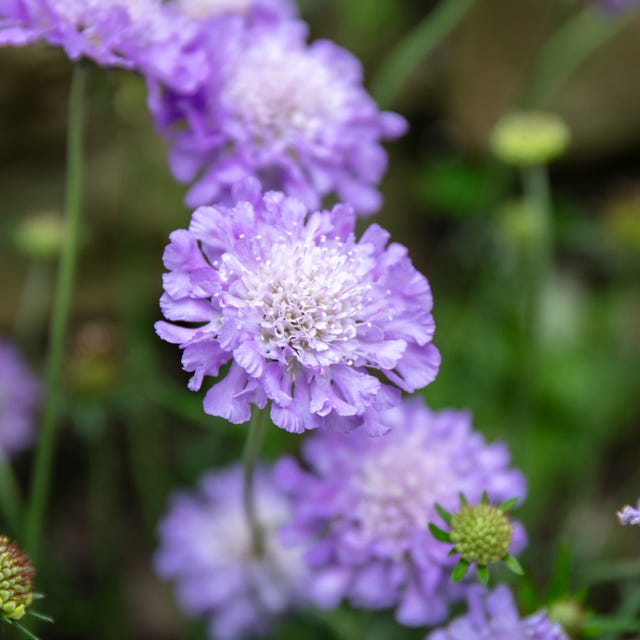
Scabious
Massimiliano Finzi//Getty Images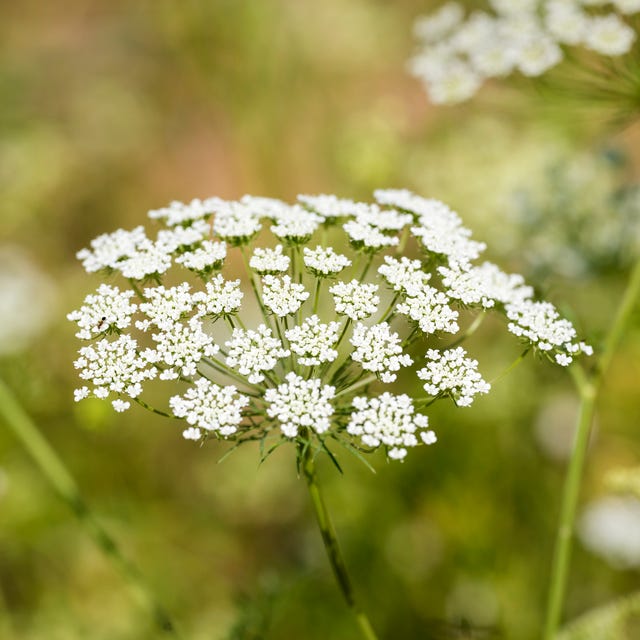
Ammi
Dorit Bar-Zakay//Getty Images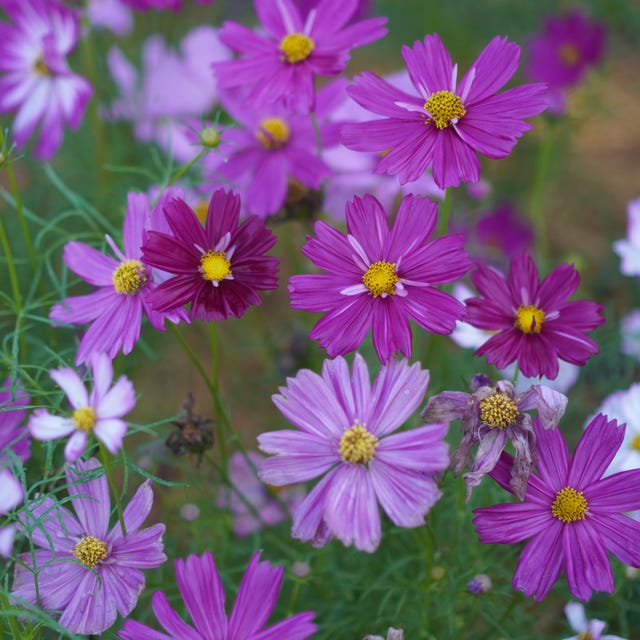
Cosmos
Penpak S.//Getty Images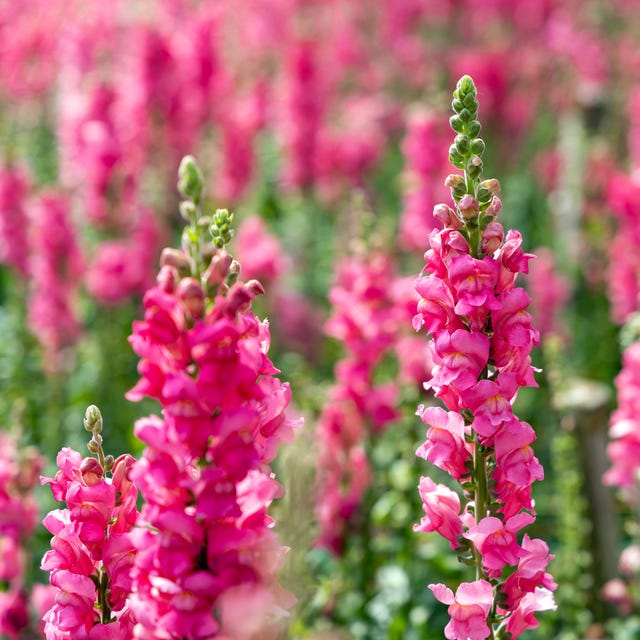
Snapdragons
Chris Griffiths//Getty ImagesFlowers you should not pick
Instead of memorizing what you can pick, for some, it’s easiest to remember what not to pick. Avoid flowers that will not bloom again in the same season, such as peonies, daffodils, tulips, and irises.
It’s also wise to steer clear of flowers with sticky sap—like euphorbias, orchids, hyacinths, and chrysanthemums—which can cause irritation, especially if it comes into contact with your eyes.
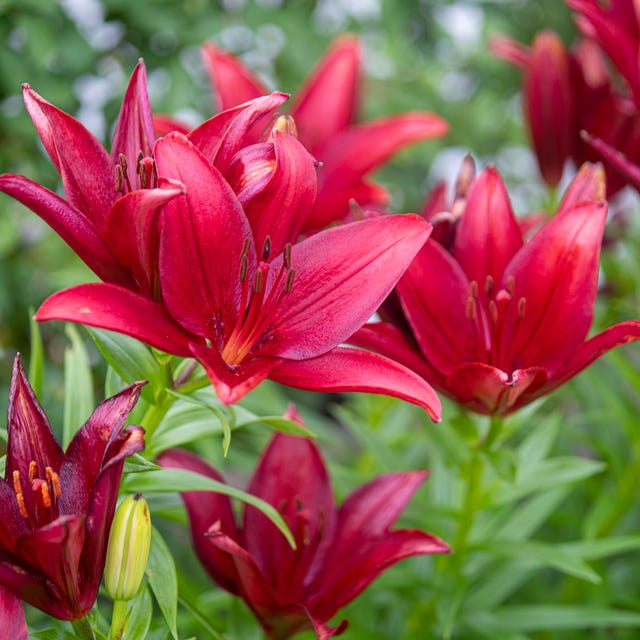
Lilies
DigiPub//Getty Images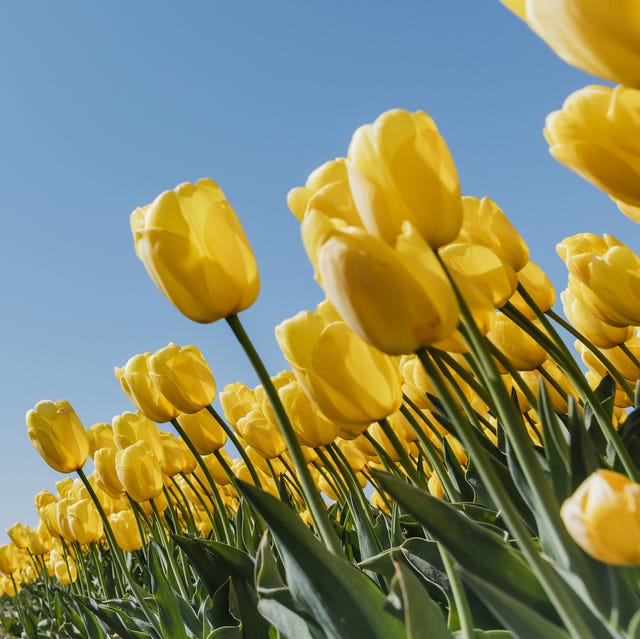
Tulips
Abstract Aerial Art//Getty Images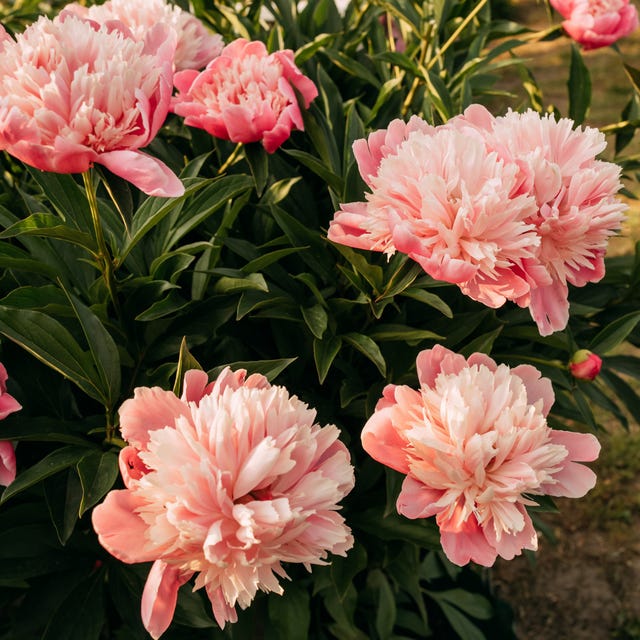
Peonies
Svetlana Repnitskaya//Getty Images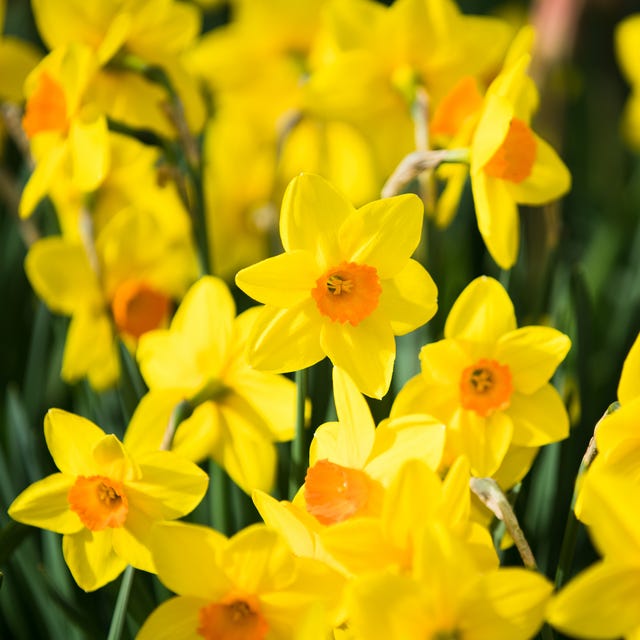
Daffodils
Nazar Abbas Photography//Getty Images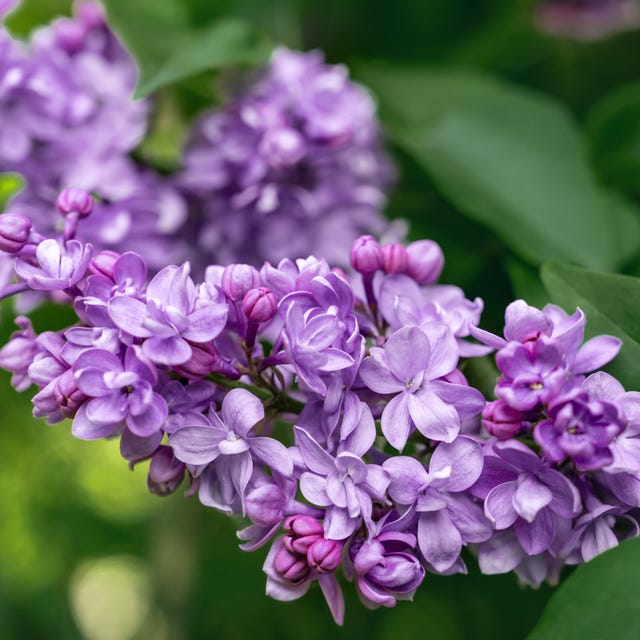
Lilacs
Tatiana Sviridova//Getty Images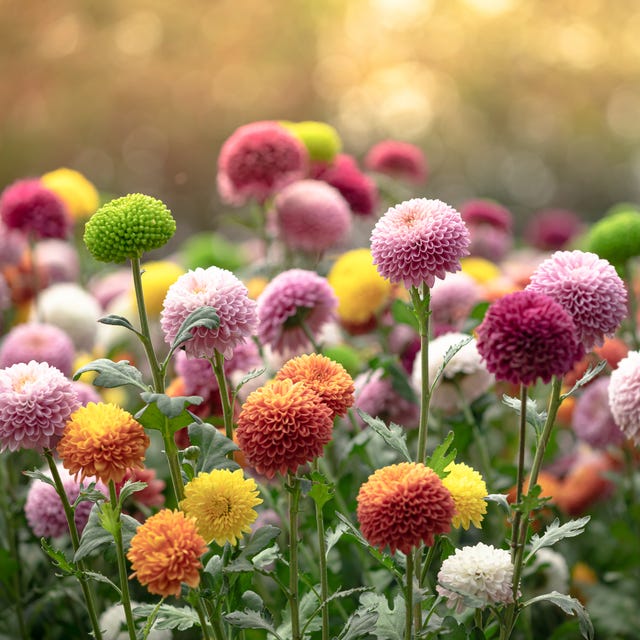
Chrysanthemums
somnuk krobkum//Getty ImagesThe best way to pick flowers
Once you’ve identified a “cut-and-come-again” variety, the best approach is to cut the stem just above one or two leaves using garden shears.
Raven emphasizes, “Don’t cut any stem to the ground.” Instead, cutting above a few leaves “encourages axillary bud formation, which turns into new flowers in a few days or [a] week.”
While early morning is often considered the best time to pick flowers—so they stay fresh and upright—it’s not a strict rule. If you don’t have garden shears on hand, it’s best to leave the flower be rather than damaging the plant.
The bottom line
For many people, picking flowers from someone else’s yard can feel a bit uncertain. A simple way to think it through is by turning to the Golden Rule: treat others the way you’d like to be treated.
If you wouldn’t appreciate someone picking from your yard, it’s a good sign to leave theirs untouched. If you wouldn’t mind, you might feel comfortable doing the same. And if you’re unsure, it never hurts to knock and ask—the worst they can say is no.
However, if you do decide to pick a flower, try to keep these basics in mind: identification, tools, and placement.
Identify the plant as a “cut-and-come-again”Use garden shears for a clean cutCut above a stem leaf so it can regrow
Kate Franke (she/her) is an editorial assistant in the Hearst Lifestyle Group, covering for Woman’s Day and Good Housekeeping. She loves all things lifestyle, home, and market related. Kate has a BAJMC in Magazine Media and BA in Writing from Drake University. She is a proud ASME alum whose work has appeared in Food Network Magazine, The Pioneer Woman Magazine, Better Homes & Gardens, Modern Farmhouse Style, Beautiful Kitchens & Baths, and more. Next to writing, Kate’s two favorite things are chai lattes and pumpkin bread!
Comments are closed.