
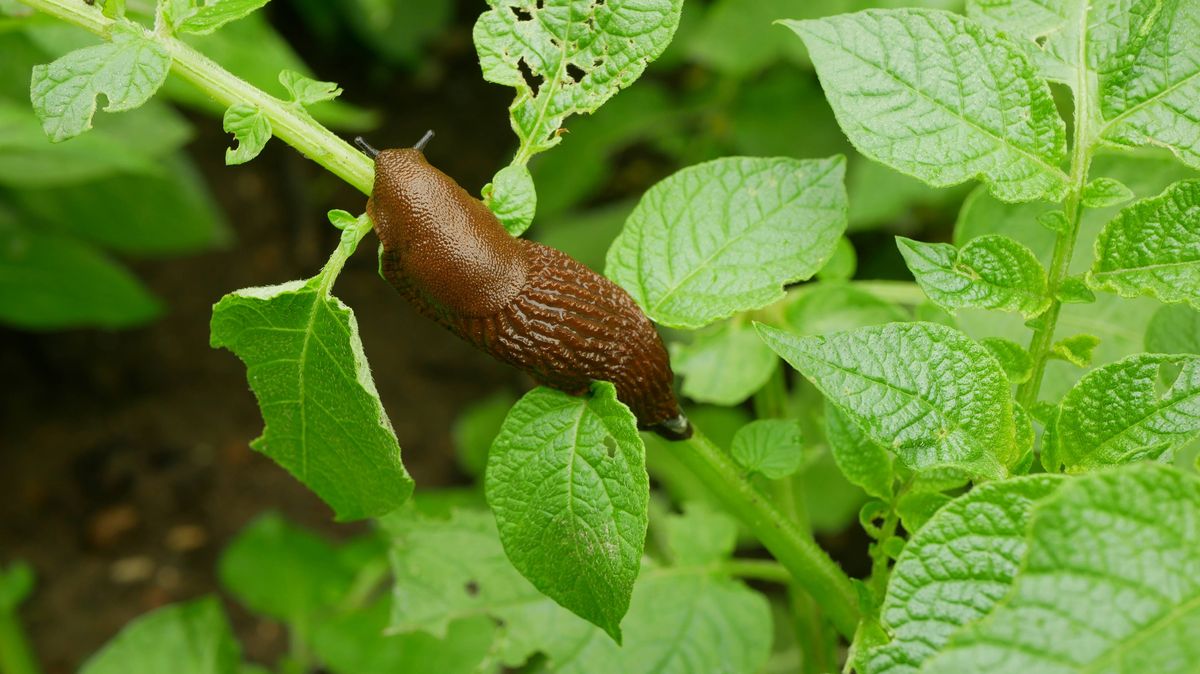
Gardening expert Alan Titchmarsh has shared his simple solution to keep slugs and snails away from your garden plants, and it won’t break the bank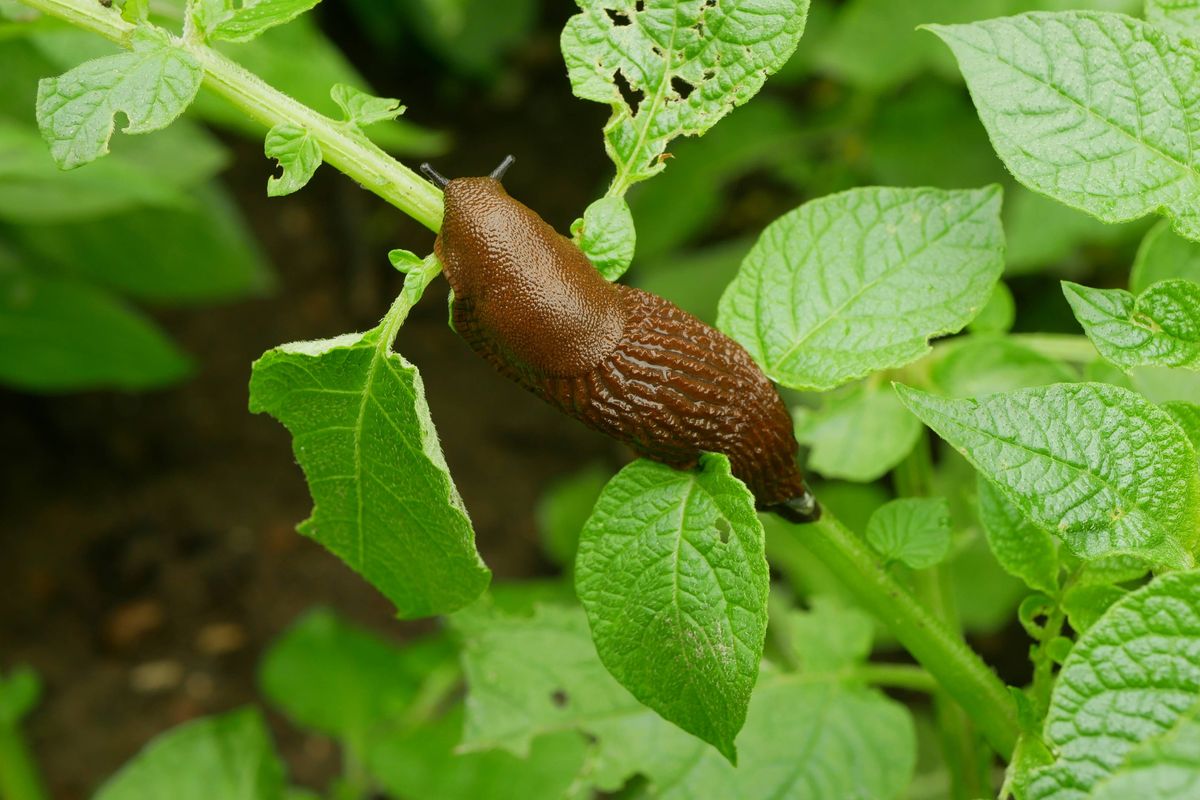
(Image: Tomas Vynikal via Getty Images)
Alan Titchmarsh has shared his ultimate tip for keeping slugs and snails at bay before your flowers have a chance to bloom. The beloved gardener revealed he has a number of hostas in his border, describing them as a “five star hotel” for slugs. While he acknowledges you can often swap out flowers for varieties that pests tend to leave alone, he has discovered an effective way to ward them off.
Grey field slugs, the most widespread and troublesome species, are most populous during April and May and September and October. And with much of 2026 so far being a washout, now is the perfect time to tackle the creatures.
The 76-year-old places copper collars around his hostas as their shoots start to push through the soil. Slugs and snails are said to “detest” crossing the copper rings to reach the plants.
Speaking on the Gardener’s World podcast, Alan said: “Now if you have got individual specimens, the most effective thing I’ve found are these copper collars, they look like a vicar’s collar, the sort of white thing he has around their neck, but it’s made of copper.
“You can sit these rings around the emerging hosta and if you get it around the hosta just as those shoots are beginning to emerge from the soil, the slugs and snails don’t like crossing them.

(Image: Dave Benett, Dave Benett/Getty Images for Killik & Co)
“The story is that if they walk across them, sliding their way, sliding across it, they get an electric shock. Now I’ve never been able to interview and find out if that is the case but it does seem to deter them.
“And that’s the critical stage really when you’re getting those shoots through the soil because you know what they’re like when they come out hostas, they’re pointed like little pyramids. If a slug takes a rasp out of one of those, when it unfurls, it’s like a net curtain, like slug origami, they open up and where one bite was, you’ve got 10 holes.”
Alan notes that many gardeners swear by their own methods for tackling slugs and snails, from sharp sand and grit to crushed eggshells around their plants. He’s even experimented with placing sheep’s wool around his plants as a deterrent.

Alan says hostas are like five star hotels for slugs.(Image: Getty)
For those particularly fond of hostas but battling slugs and snails, he suggests growing them in pots. However, anyone opting for this approach would need to place them on pot feet to create a gap underneath.
Alan also points out that gardeners wanting to protect their outdoor space from slug damage can simply choose plants that won’t attract the pests in the first place. He added: “The easiest thing to do is to grow plants that don’t get affected or touched by slugs and snails, and there are a surprising number of them.
“There are general rules of thumb here, plants with hairy or downy leaves tend not to be attacked by sleeves, they clearly don’t like those bits of hair in their mouth.
“Stachys byzantina, or Lamb’s Ear, that never gets attacked. Neither do all of the hardy geraniums – I say all but the vast majority – never get touched by slugs and snails. Take a look around your garden and see what doesn’t get attacked by slugs and snails and what you can double up.”
Comments are closed.