
“Hearst Magazines and Yahoo may earn commission or revenue on some items through these links.”
You may think you need a green thumb to have houseplants that thrive, but thankfully, there are plenty of options out there that take practically no effort at all. While there are certainly some indoor plants that require a lot of attention, there are a good number of others that’ll still be green if you leave them in a shady spot. These low-maintenance plants won’t die on you if you forget to water them, making them perfect for any gardening beginner.
“Low-maintenance houseplants are great because they usually thrive with minimal attention, which makes them perfect for busy plant parents, those new to gardening, or even the lazy gardener,” explains The Sill’s plant expert Paris Lalicata. “Low-maintenance plant resilience ensures they remain beautiful and healthy even with occasional neglect, and their presence can create a calming and relaxing atmosphere, boosting mood and reducing stress without adding the burden of intensive upkeep.”
Once you’ve found the right low-maintenance houseplants for your space, they’ll reward you with beauty and greenery without demanding much in return. Ahead, check out these 35 easy plants that are perfect for any space.
Additional copy by Kate McGregor and Melanie Yates.
Cuddly Cactus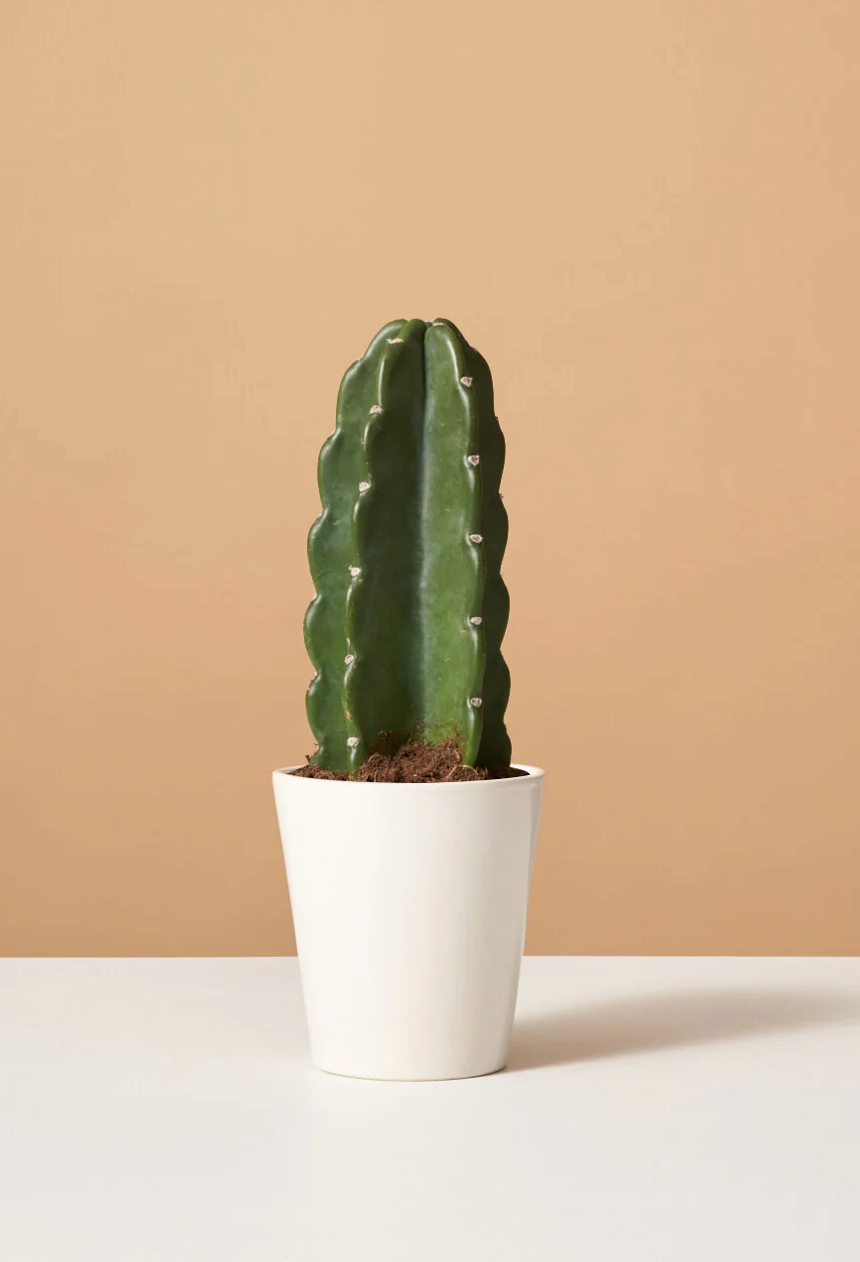
Drought-tolerant and sun-loving, this small type of cactus lives up to its name. Unlike most of its cousins, this low-maintenance plant doesn’t have any sharp spines, so it’s ideal for households with curious children and pets.
Care Requirements: Bright, full sun
Bromeliad Vriesea Intenso Orange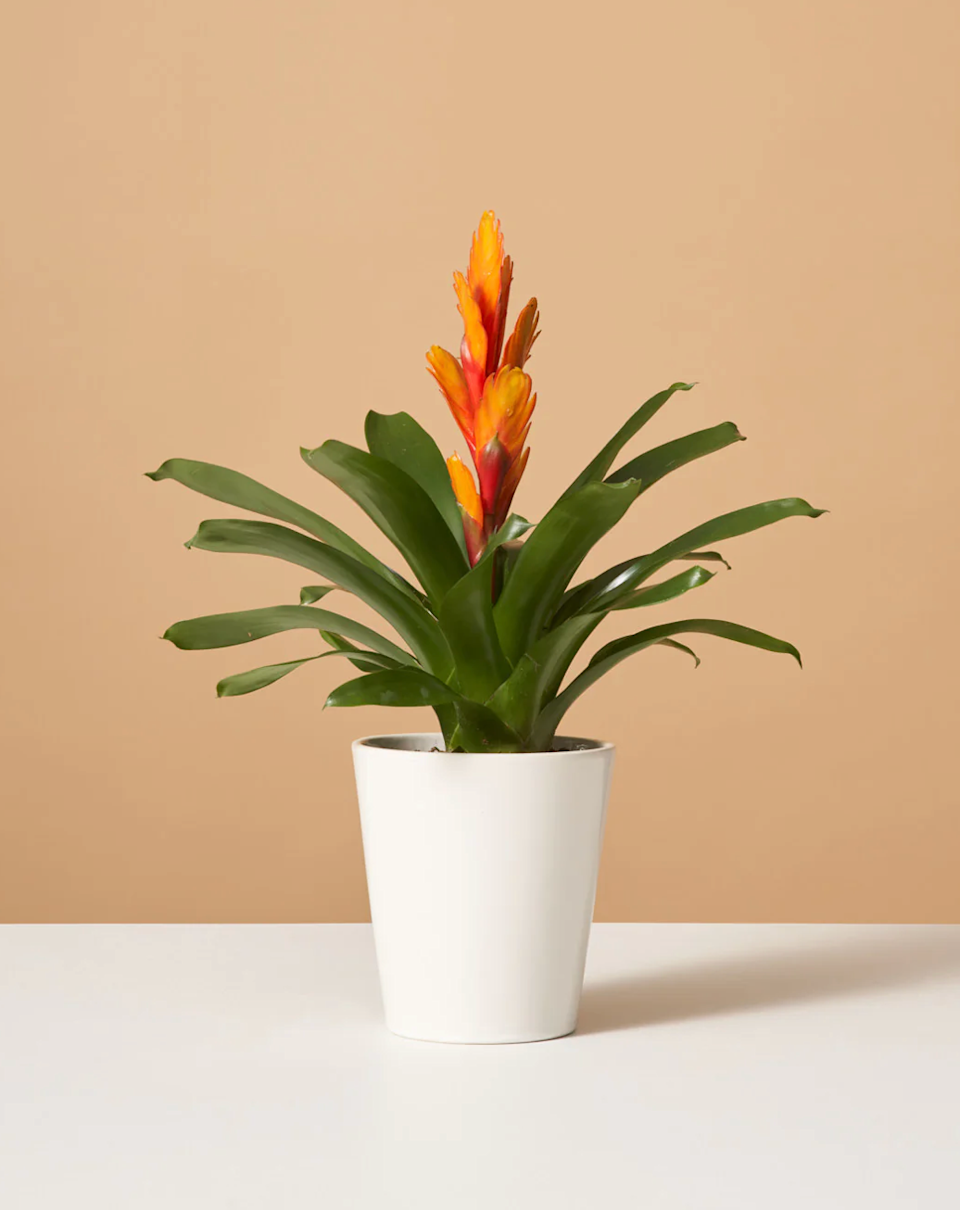
This variety of bromeliad sprouts a vibrant center spike, so it’s a great way to add color to your collection of greenery—and it’s much easier to care for than most indoor flowering plants. This low-maintenance plant is also nontoxic and safe for pets.
Care Requirements: Indirect sunlight
Water: fill the plant’s base with water once a week
Kalanchoe Flapjack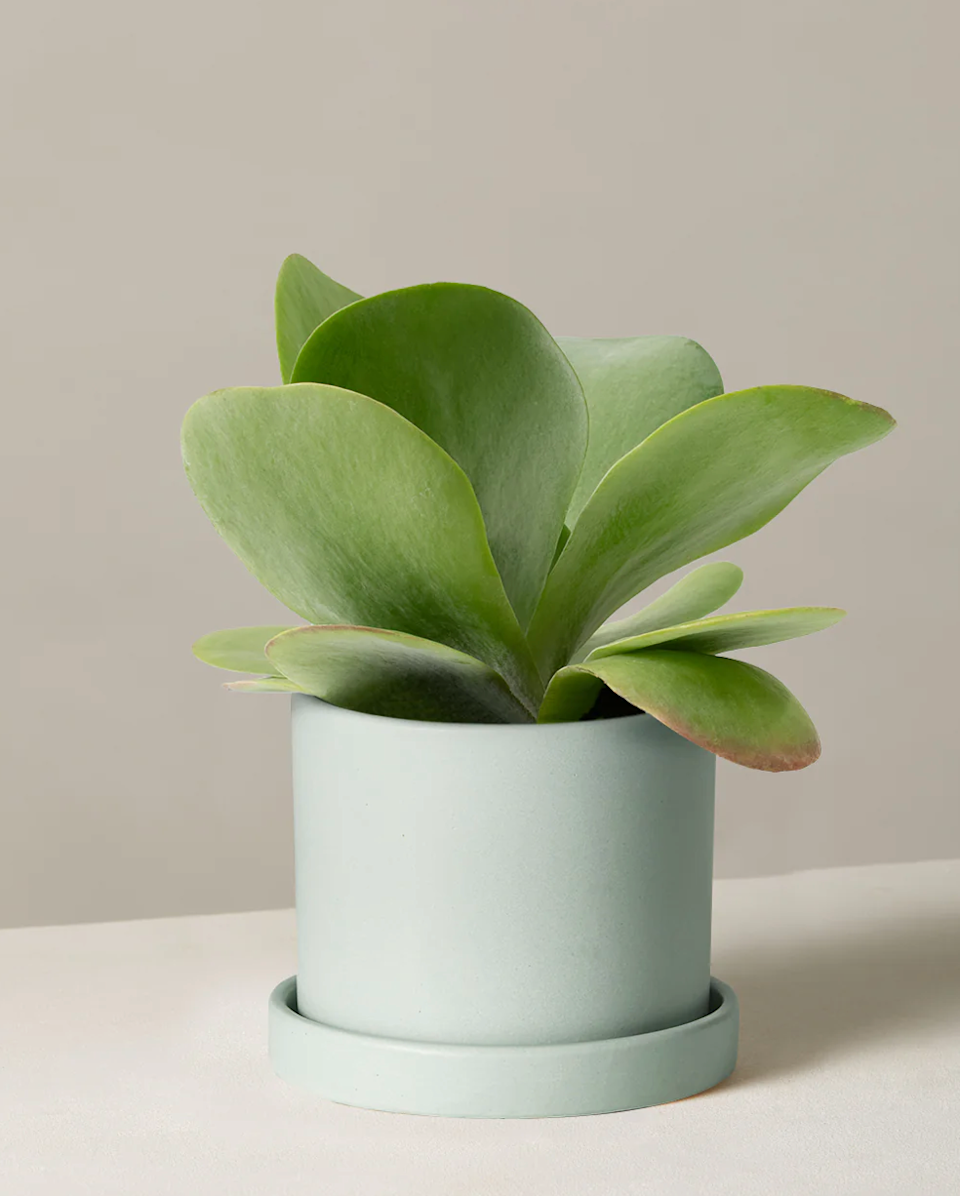
This low-maintenance plant has leaves that resemble pancakes, hence its appetizing name. But it’s not always a short stack: It can grow to more than 12 inches tall. Direct sun exposure helps to bring out the pretty pinkish-red pigments on the edges of the leaves.
Care Requirements: Direct sunlight
Water: Rarely, only when the plant is completely dry
Preserved Fern Kokedama
A real fern that’s been naturally preserved offers all the benefits of a real plant (like look and feel) without the maintenance. Make sure to keep it out of direct light and never water it. What could be easier?
Care Requirements: Low light
Water: Mist daily, water completely every 1-2 weeks
Boston Fern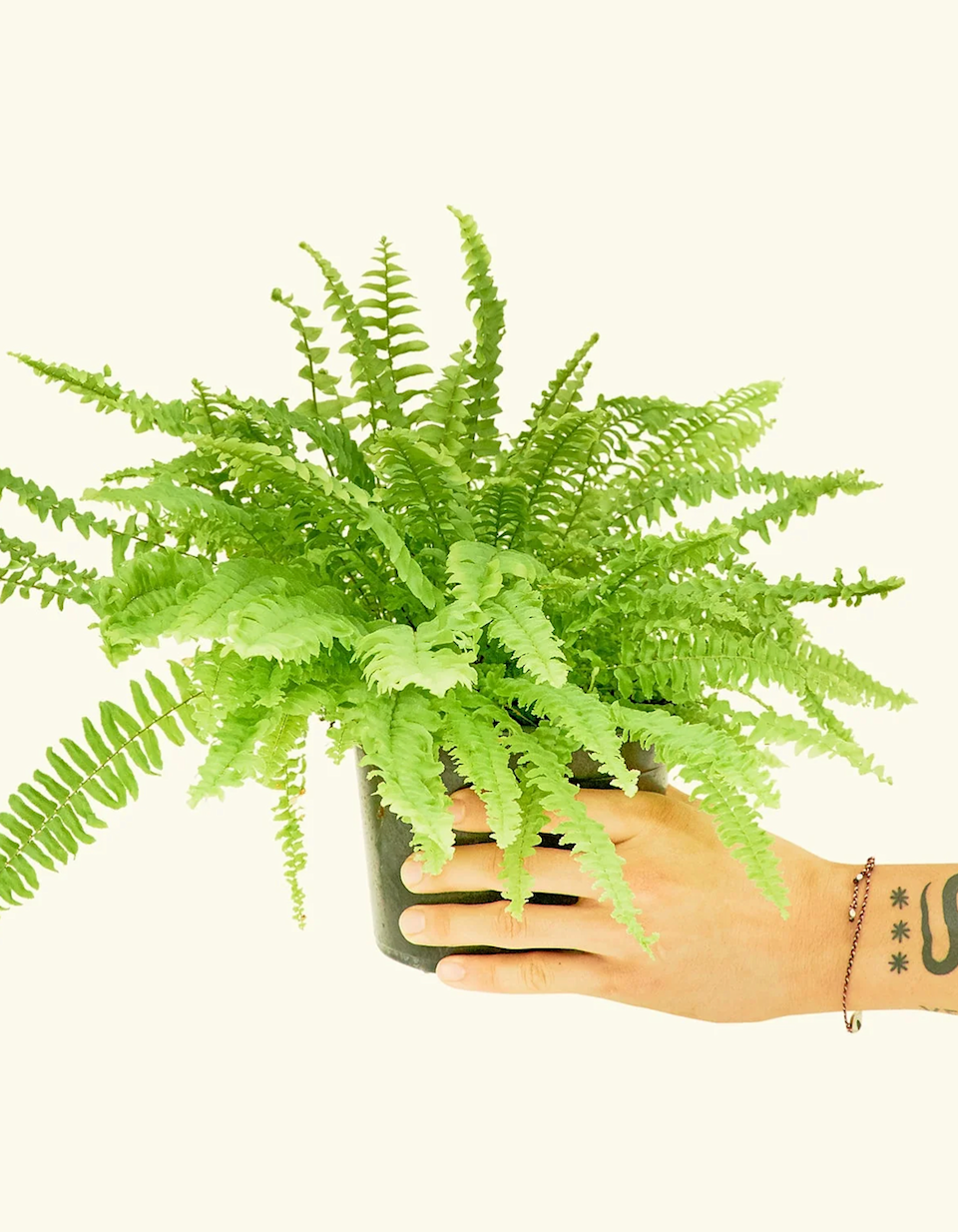
This fern needs more humidity than it does sunlight, making it a great kitchen or bathroom plant. That’s why you always see it hanging on Southern front porches, where the light is shady and the air is damp and warm. Spray this low-maintenance plant with a mister in between waterings to keep it looking fresh.
Care Requirements: Medium indirect light and ample humidity.
Water: Mist daily, water completely every 1-2 weeks
Money Tree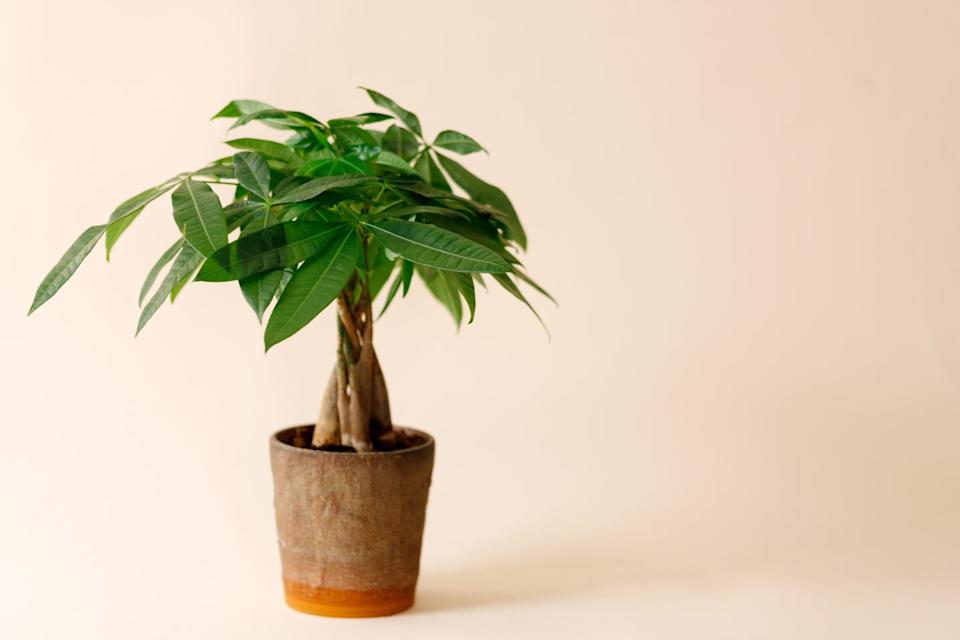
Need some good luck? The money tree plant is purported to bring it—but you won’t need good luck to grow it! Just give it bright indirect light, and turn it occasionally so it grows evenly. In its native habitat, it likes to be near water, so this low-maintenance plant is a good choice if you tend to overwater your plants.
Care Requirements: Regular watering, and be sure to rotate this plant in the sun so all sides grow evenly
Water: Every week or so when the top few inches of soil feel dry
String of Pearls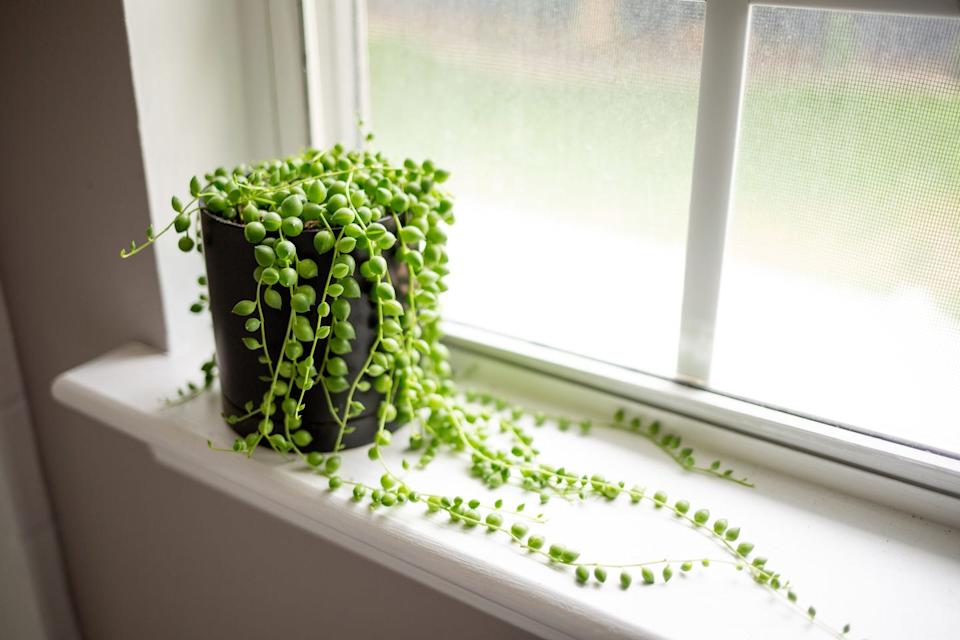
With a name this cute, how can you not buy it? This vining succulent that looks like an elegant necklace is a fast grower when given lots of light. Put your string of pearls plant in bright indirect light, and water it when the top few inches of soil feel dry.
Care Requirements: Bright, indirect light and waterings every few weeks
Water: Every 2 weeks when the top inch of soil is dry
Aloe Vera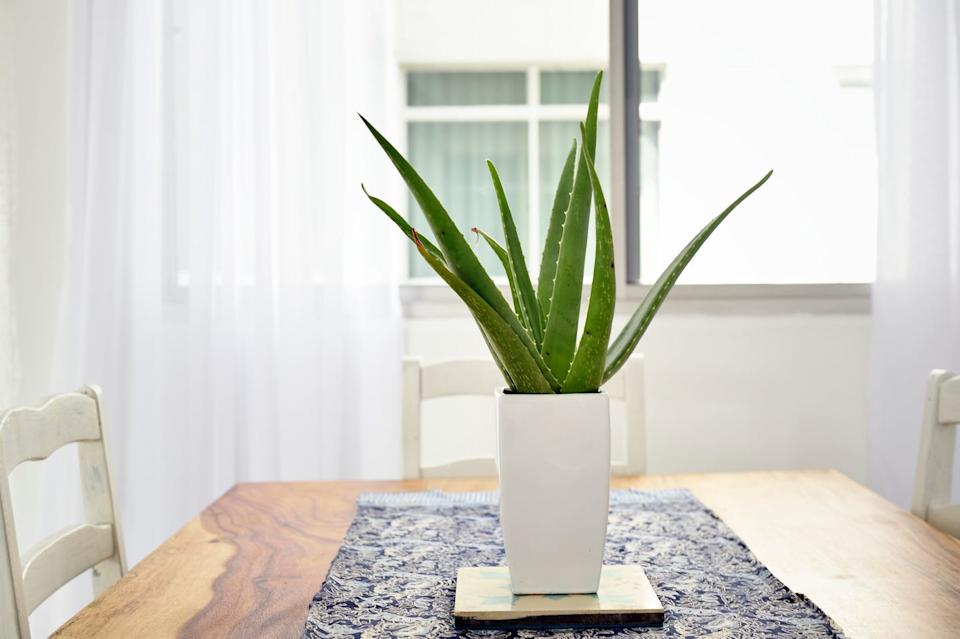
This handsome succulent needs almost no care. Give your aloe vera plant bright, indirect light and water every week or two when it’s mostly dry. The gel-like substance inside each leaf can aid healing of minor burns (break off an outer leaf when you want to use it).
Care Requirements: Bright, indirect light
Philodendron Micans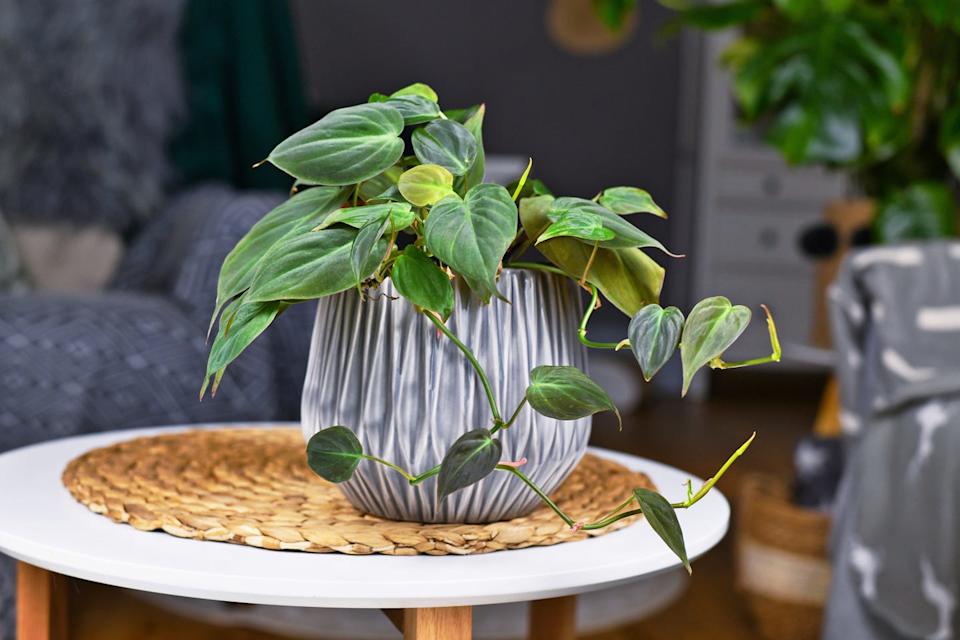
Most types of philodendrons are low-maintenance plants, and this one is no different. Micans have velvety, heart-shaped leaves with pinkish petioles (the stalks that attach the leaves to the stems). Give it medium to bright indirect light and water when the top few inches of soil feel dry.
Care Requirements: Medium to bright light
Water: Every 2 weeks when the top inch of soil is dry
String of Dolphins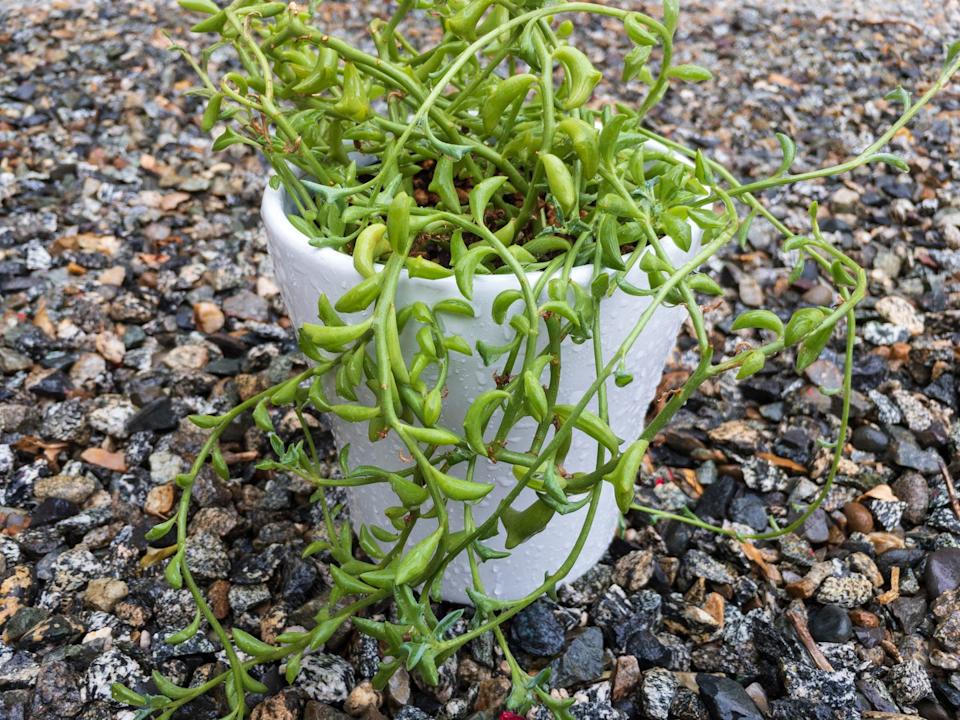
Another must-have succulent, string of dolphins looks just like tiny dolphins leaping out of the water. This low-maintenance plant needs bright indirect light and water when the top few inches of soil feel dry.
Care Requirements: Bright, indirect light, minimal watering
Water: Every 2 weeks when the top inch of soil is dry
Bird’s Nest Fern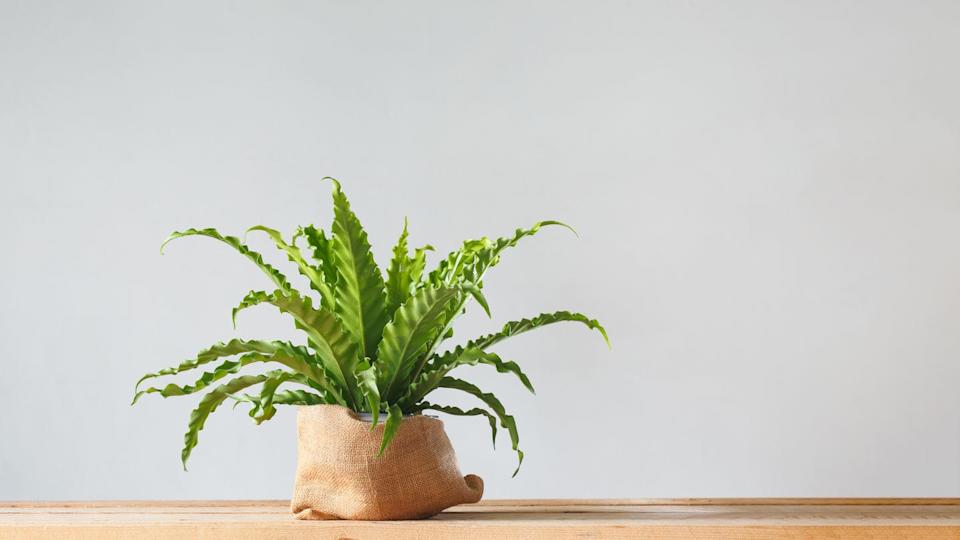
If your heart is set on a fern, opt for the handsome bird’s nest, which has thick, glossy leaves that hold onto moisture longer than many other types of ferns—making it the least fussy. Give this low-maintenance plant bright indirect light, and water when the top few inches of soil feel dry.
Care Requirements: Bright, indirect light, ample humidity
Water: Every 2 weeks when the top inch of soil is dry
Golden Pothos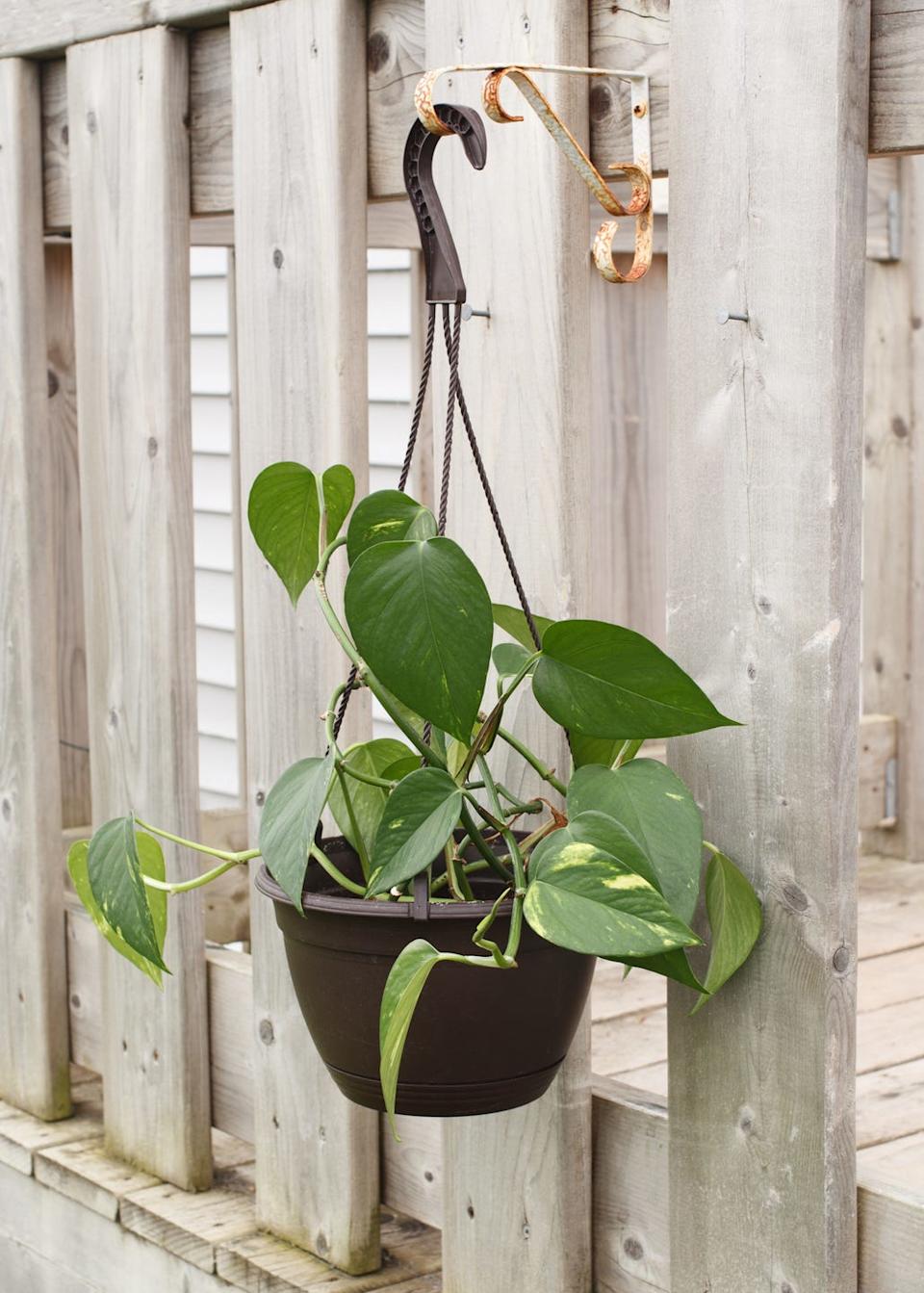
One of the most forgiving plants you can buy, this type of pothos grows quickly when given bright light but is incredibly tolerant of low light, making it an excellent low-maintenance plant for beginners.
Care Requirements: Low light
Water: Regular waterings every two weeks
Scindapsus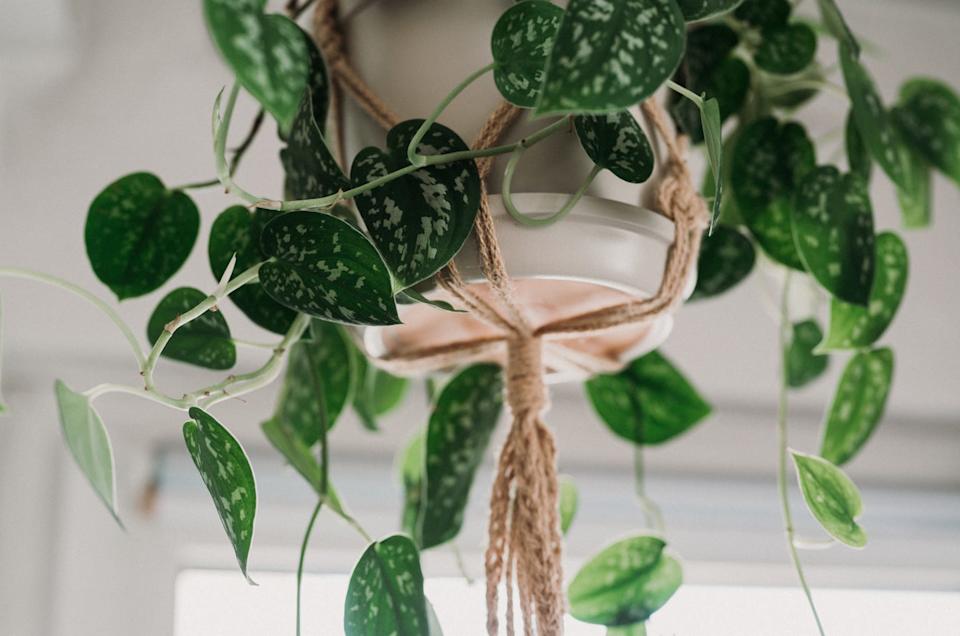
Sometimes called a satin pothos, this plant resembles a pothos with its viney silhouette and heart-shaped leaves. However, it’s actually an entirely different genus—but it’s just as easy to grow. Give it bright, indirect light, and let the top few inches of soil dry out before watering again.
Care Requirements: Bright, indirect light
Water: Every 2 weeks when the top inch of soil is dry
Echeveria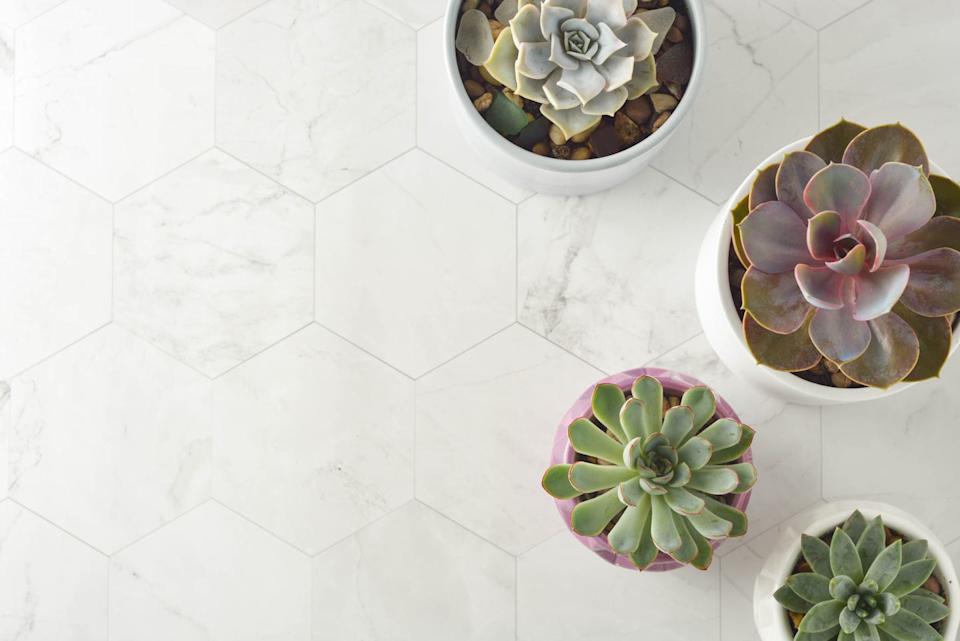
This pretty succulent has rosette-shaped foliage, often with a reddish or pink tint. Give this plant lots of bright, indirect light (succulents do not tolerate low light) and water every few weeks. You want it to dry out almost completely before giving it another drink—otherwise, it will rot.
Care Requirements: Indirect light and minimal watering
Water: Rarely, only when the soil is completely dried out
Marble Queen Pothos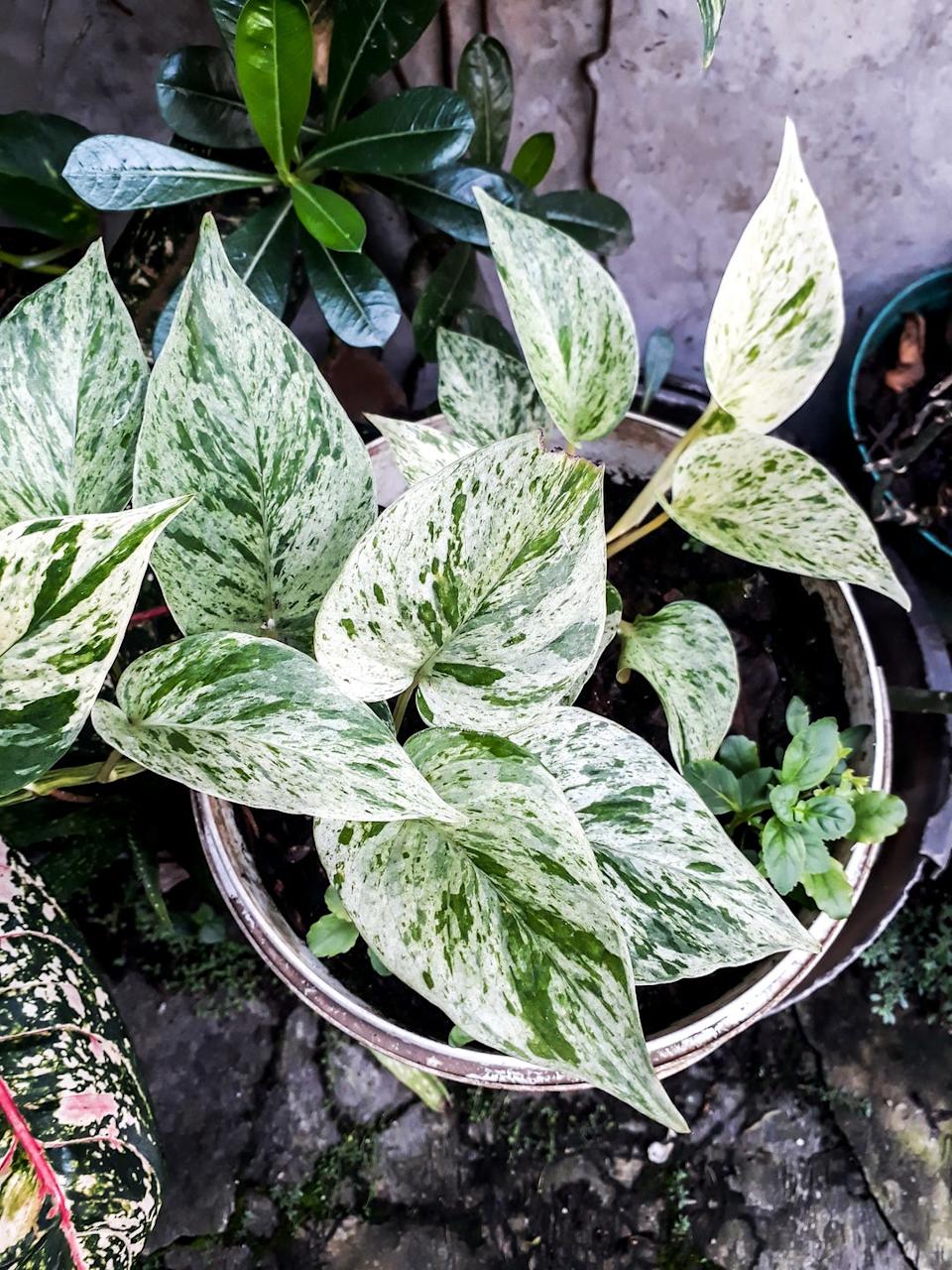
Want another pothos that’s easy to grow and just plain gorgeous? This variety has dramatic white splotches on its leaves instead of golden ones. Give it low to bright indirect light, and let the top few inches of soil dry out before watering again.
Care Requirements: Low to medium, indirect light
Prayer Plant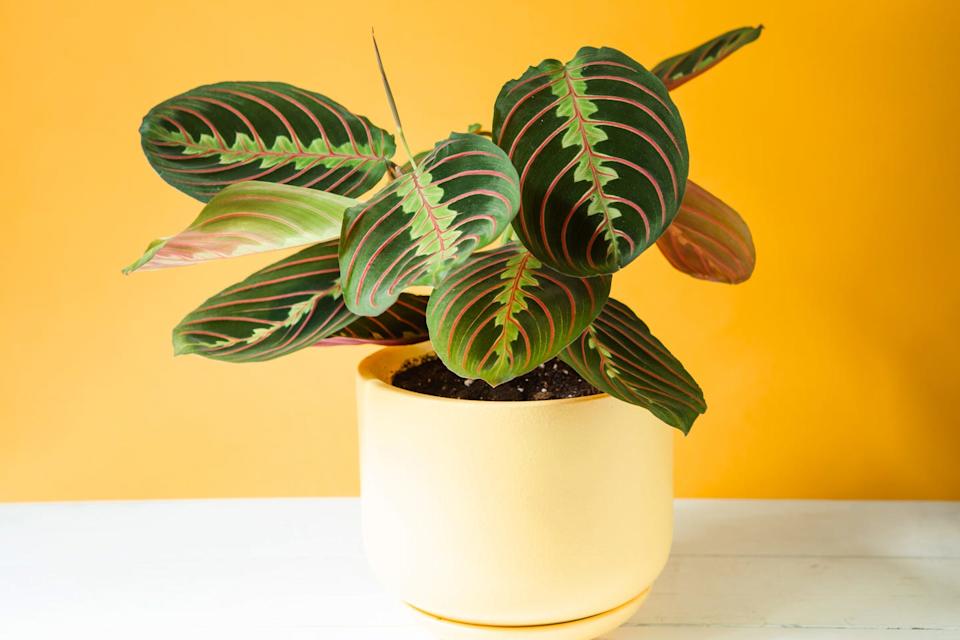
The gorgeous leaves of this low-maintenance plant move in response to light throughout the day, folding as if in prayer at night. Give your prayer plant bright indirect light, and let it dry out slightly between waterings.
Care Requirements: Bright, indirect light
Philodendron Moonlight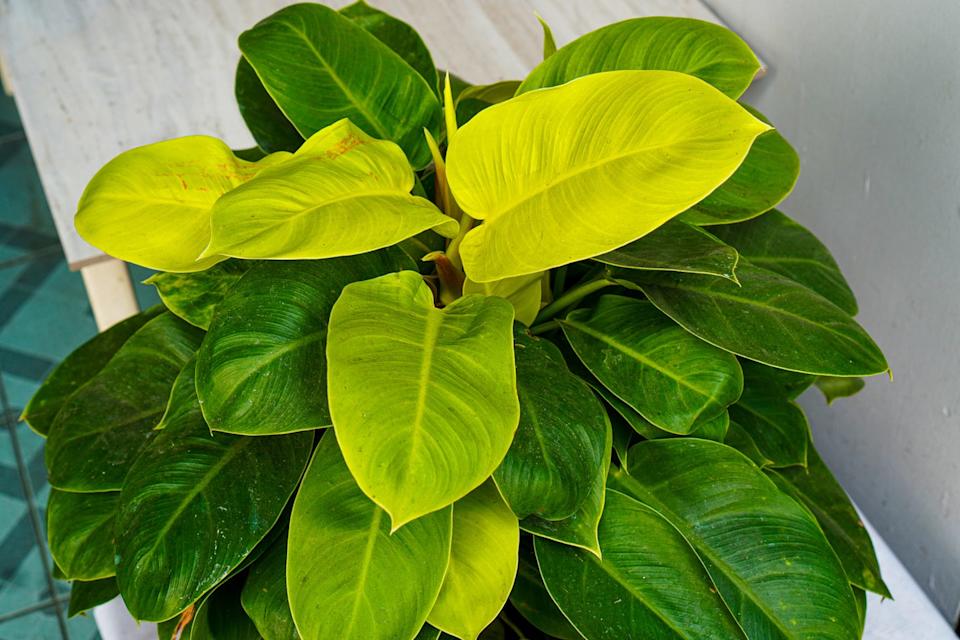
Another easy-to-care-for philodendron, this one has the most beautiful large leaves. New growth emerges a glowing chartreuse and turns dark green as it matures. Give it lots of bright indirect light, and it’ll be a fast grower. Water when the top few inches of soil feel dry.
Care Requirements: Bright, indirect light
Water: Every two to three weeks
Haworthia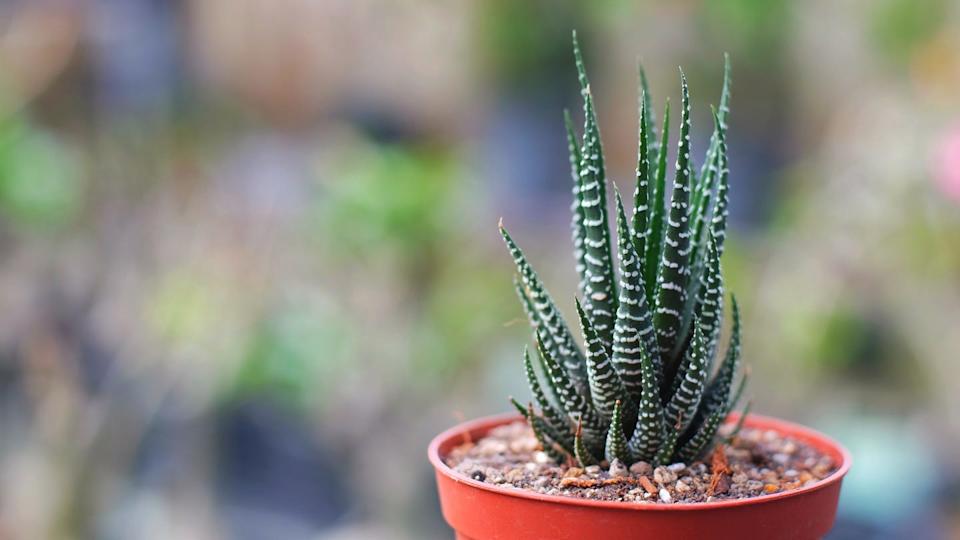
This little guy grows to only about six to eight inches tall, so it’s the perfect kitchen windowsill plant. Give Haworthia lots of bright indirect light and water every few weeks when it’s totally dry.
Care Requirements: Bright, indirect light
Water: Rarely, only when the soil is completely dried out
Philodendron Brasil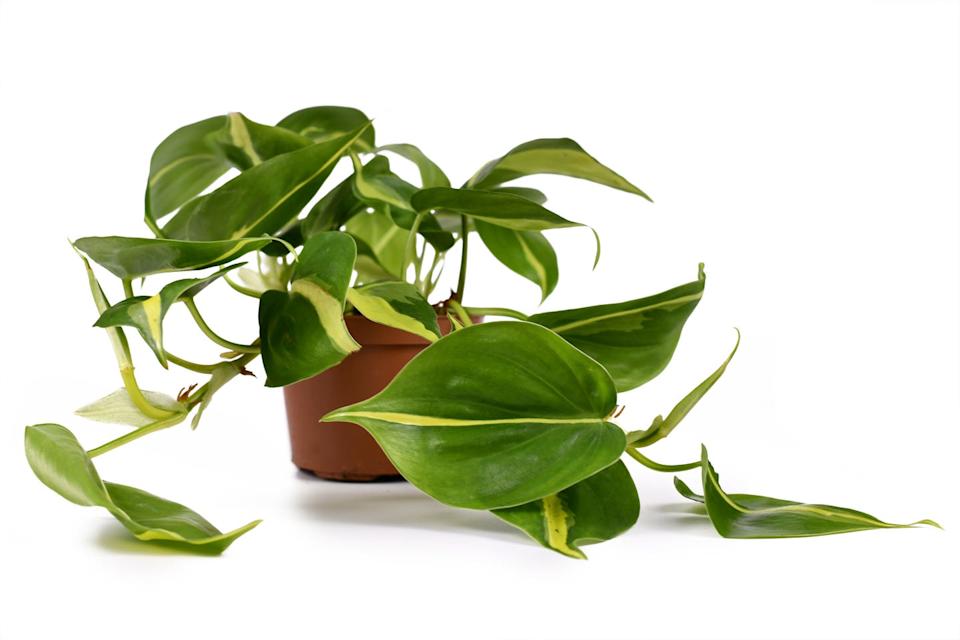
With two-tone leaves of pale and dark green, this vining philodendron is a must-have. Give it bright indirect light and water when the top few inches of soil feel dry.
Care Requirements: Bright, indirect light
ZZ Plant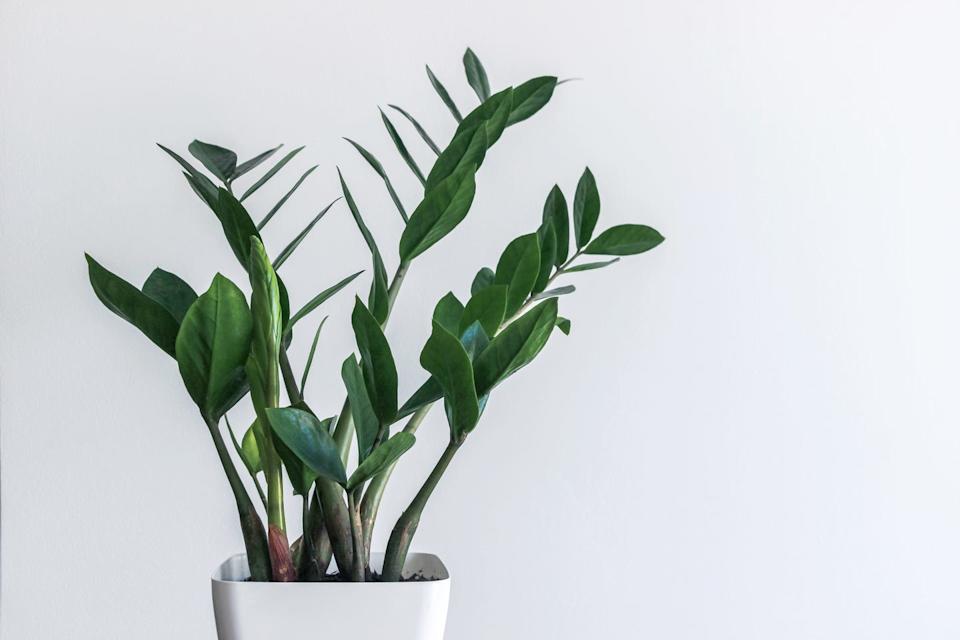
Tough as nails and not picky, the ZZ plant can handle low to bright indirect light. This low-maintenance plant also doesn’t mind a missed watering and prefers to be mostly dry before you give it a good, long drink.
Care Requirements: Low light
Water: Every 2 to 3 weeks
Raven ZZ Plant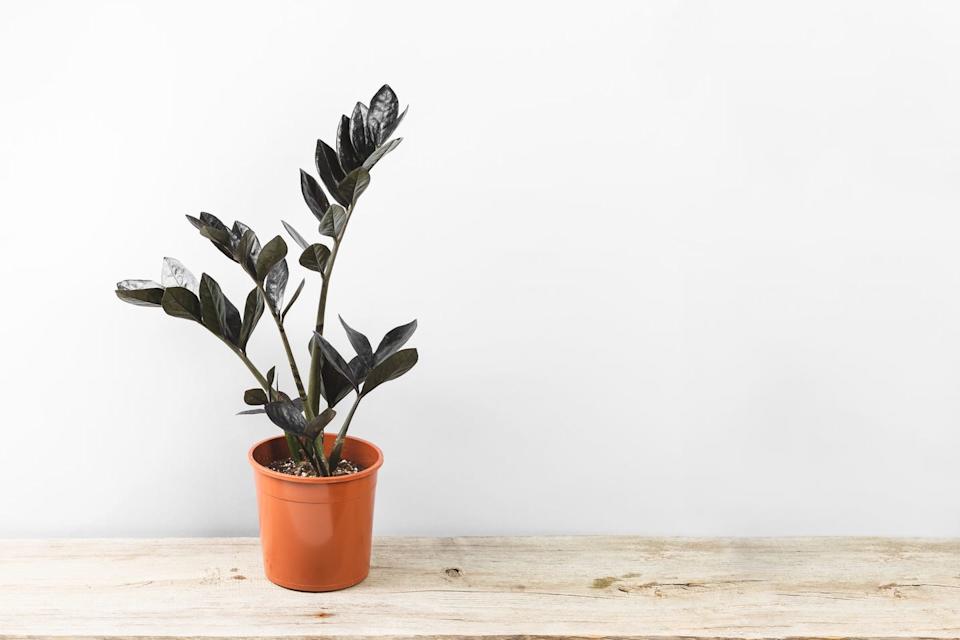
Another nearly killproof plant, Raven is a variety of ZZ plants with shiny, almost-black foliage—and its architectural form is just as striking as the green version. Give it low to bright indirect light, and let it dry out between waterings.
Care Requirements: Low to medium light
Water: Every two-to-three weeks
Rubber Tree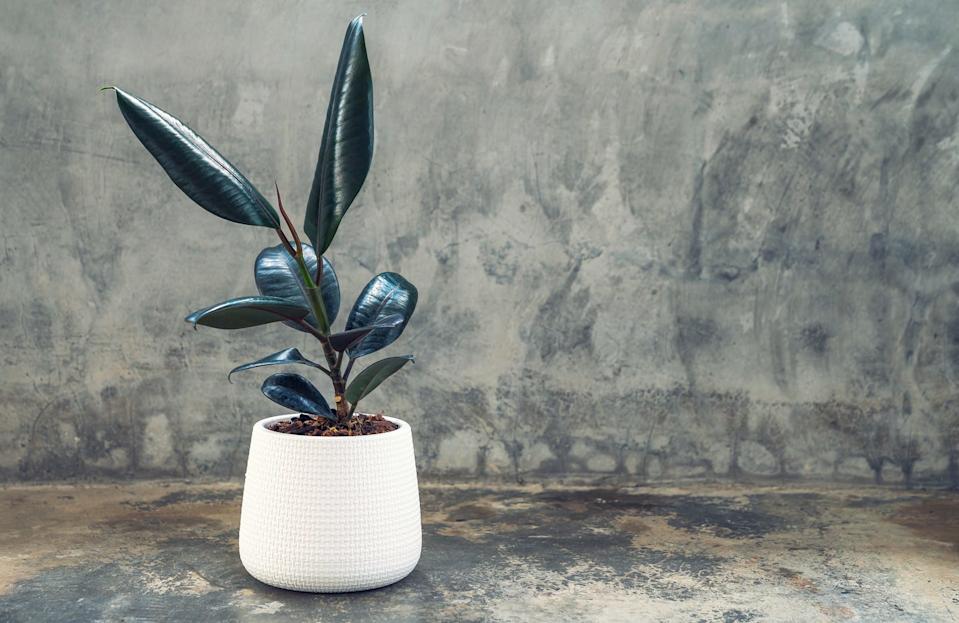
Super-glossy leaves and an upright form make this a fun statement plant in any room. It’s available in classic green, burgundy, or an eye-catching variegated form. Give this low-maintenance plant bright indirect light, and let it dry out a bit between waterings.
Care Requirements: Bright, indirect light
Snake Plant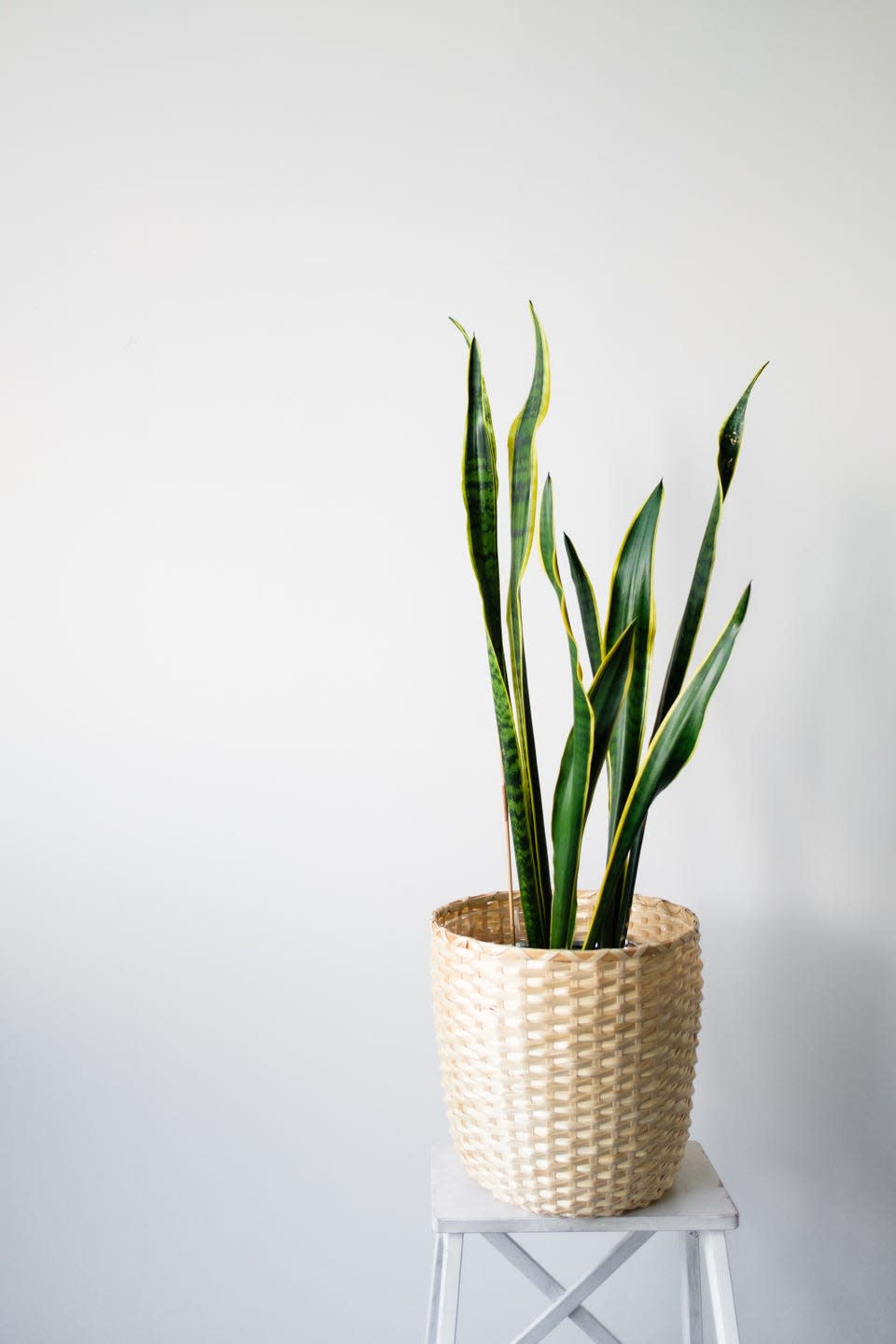
The snake plant is popular for a reason: It’s incredibly hands-off and easy to care for. Give it medium to bright indirect light for fast growth, but it will tolerate low light levels too. Let it dry out completely between waterings.
Care Requirements: Medium light level
Water: Every three weeks to a month
Air Plants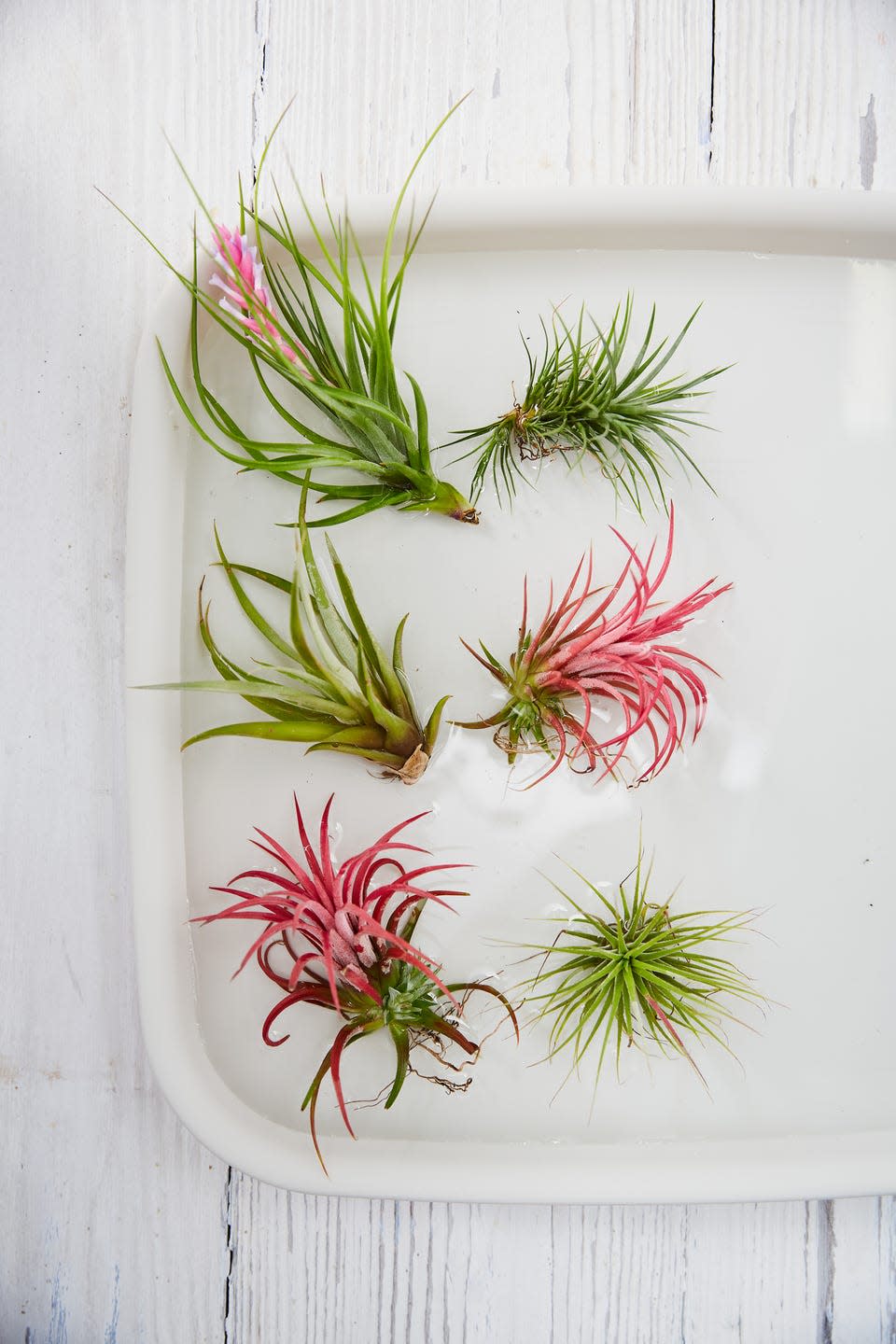
An air plant is a great low-maintenance plant because you can display it in so many ways: on a stand, in a terrarium, or mounted on bark. There are two main types.
A mesic air plant lives in rainforests and generally has dark green, curly leaves. It needs loads of humidity and lives under the canopy of the forest. It likes bright light, but it’ll fry in direct sunlight. Water once or twice a week by placing it in a sink to soak for 30 minutes, then shake it out and let it dry upside-down to allow excess water to drain out completely before putting it back in its container.
A xeric air plant is native to deserts. It’s usually silvery with flat leaves and a sort of fuzzy texture. The xeric type is more forgiving about watering if you’re a first-time air plant parent. Dunk it in water a few times every week to 10 days, shake it off, and let it dry before returning it to its display vessel.
Care Requirements: Bright, indirect light
Spider Plant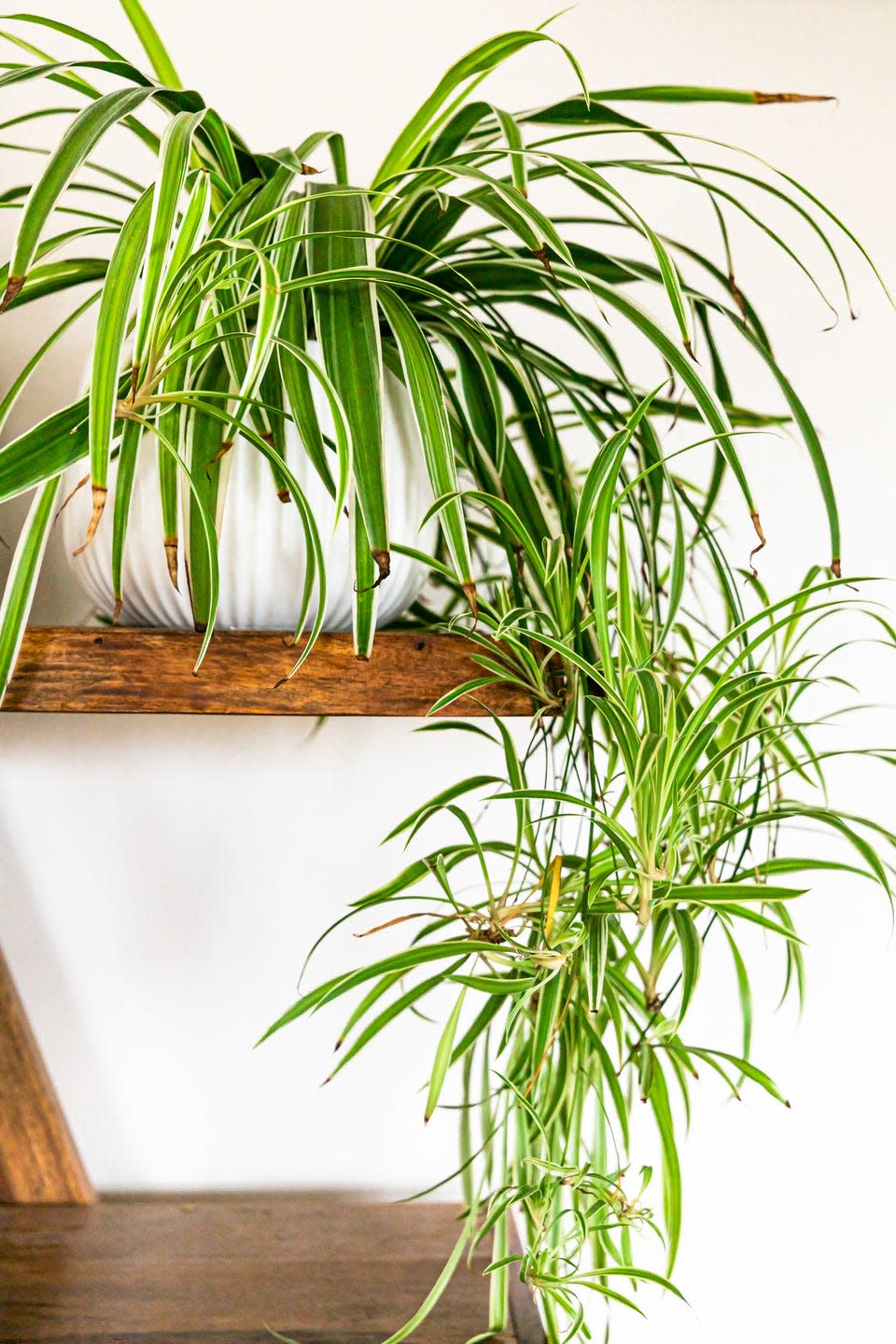
The spider plant has been popular forever because it’s such a low-maintenance plant. With long, arching stems, it has plenty of personality, especially when it starts producing “babies,” which you can snip off and stick in a fresh pot of soil to grow a new plant. Give it bright indirect light—though it can handle low light too. Water it when the top few inches of soil feel dry.
Care Requirements: Bright, indirect light
Water: Every two-to-three weeks
Tradescantia Zebrina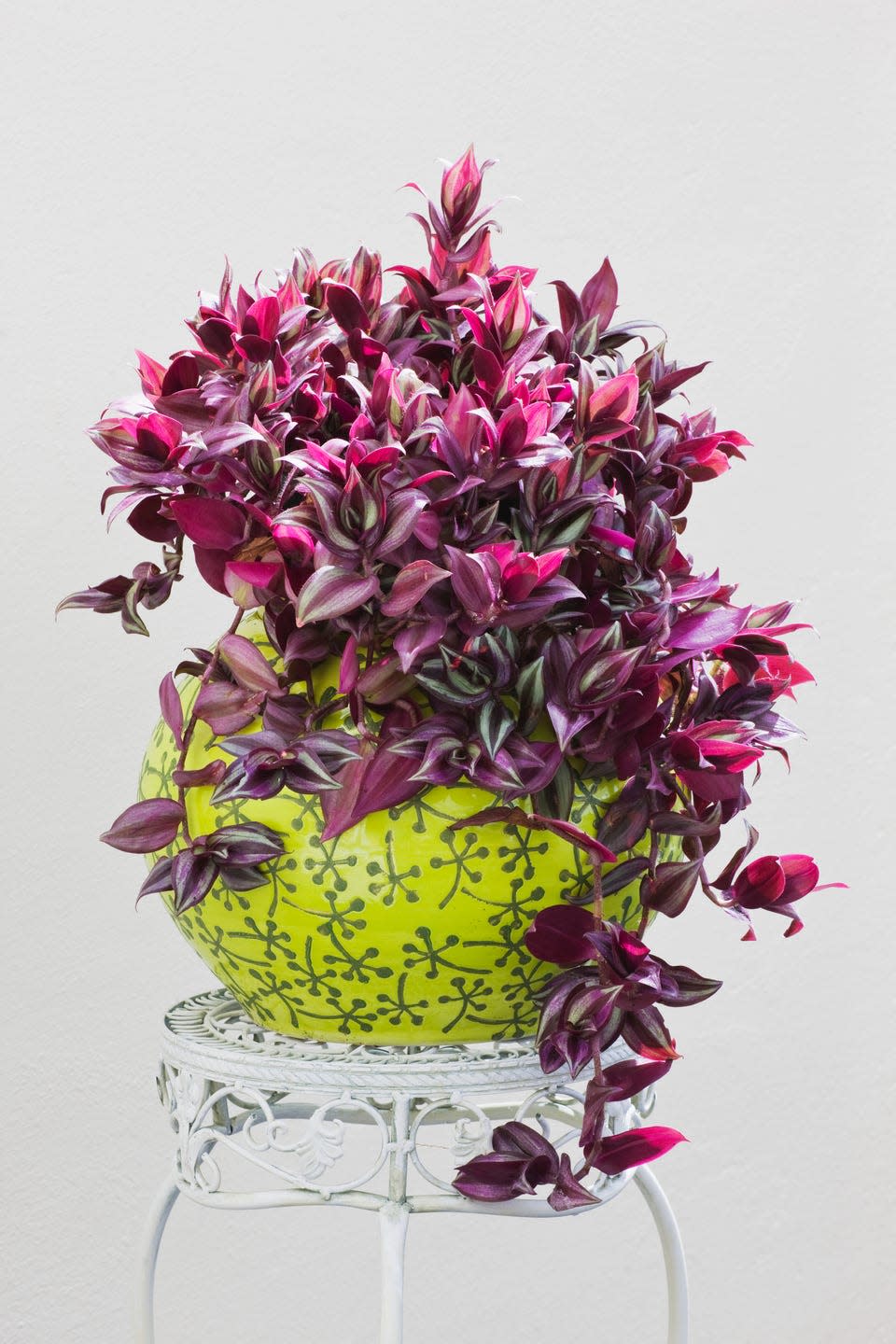
As you can see, this pretty houseplant’s slightly fuzzy, purple foliage will drape handsomely from a pot. Give tradescantia bright indirect light, and keep it slightly moist—not sopping wet.
Care Requirements: Bright, indirect light
Water: At least once a week
Aglaonema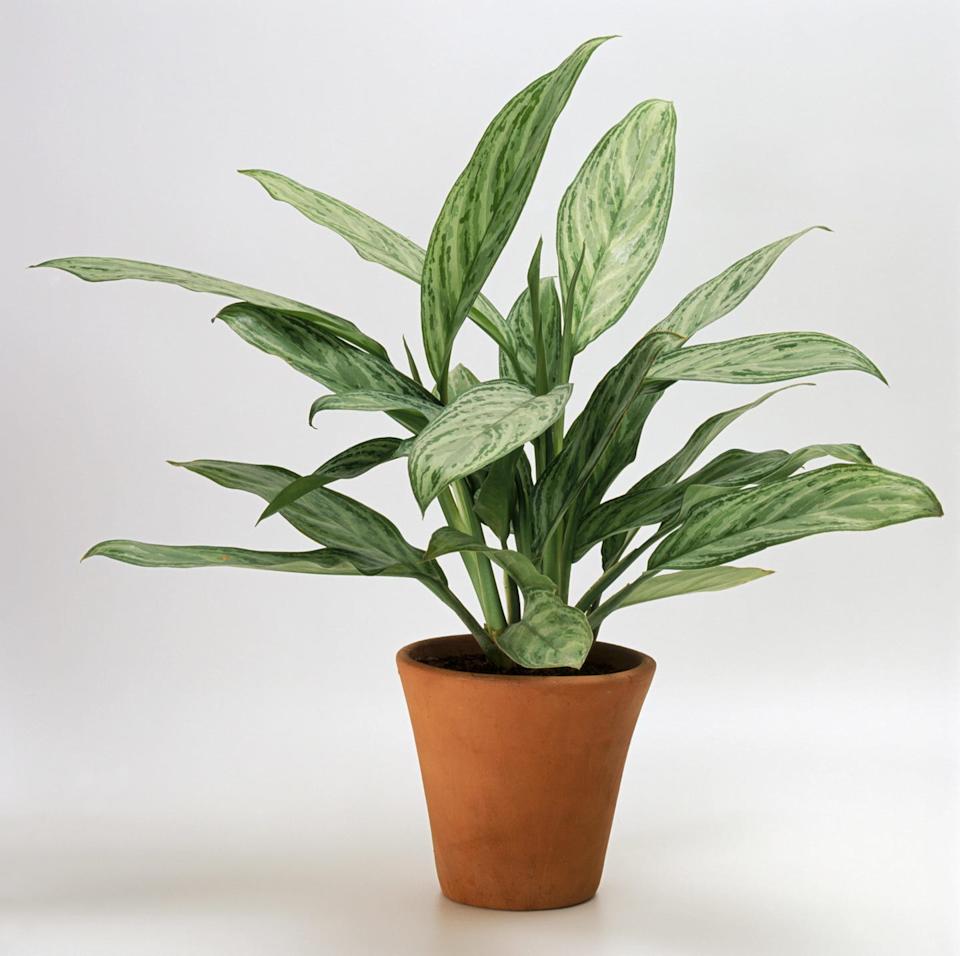
With its handsome silver-streaked foliage, the aglaonema is the perfect plant for beginners. It’s super forgiving and doesn’t need you to baby it because it will tolerate everything from low light to bright indirect light levels. Water it every 10 days or so when the top few inches of soil feel dry.
Care Requirements: Low to bright light
Water: every 10 days or so
Red Aglaonema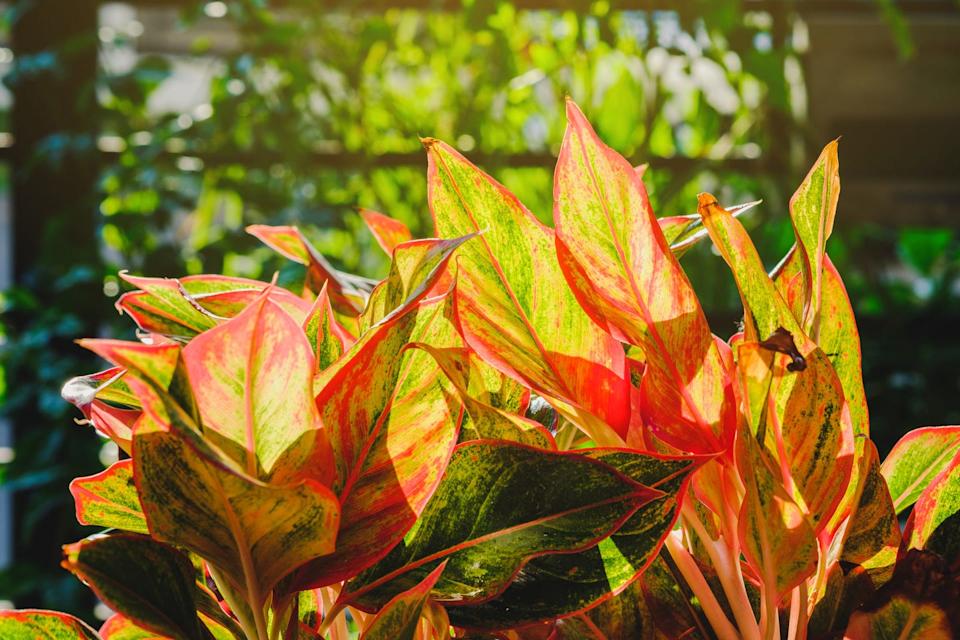
Just as handsome and low-maintenance as its silver cousin, this low-maintenance plant has streaks of pink and red in its foliage, making it a striking addition to any room. It tolerates low light levels and needs watering only every 10 days to two weeks. It will even forgive an occasional missed watering.
Care Requirements: Low light levels
Coffee Arabica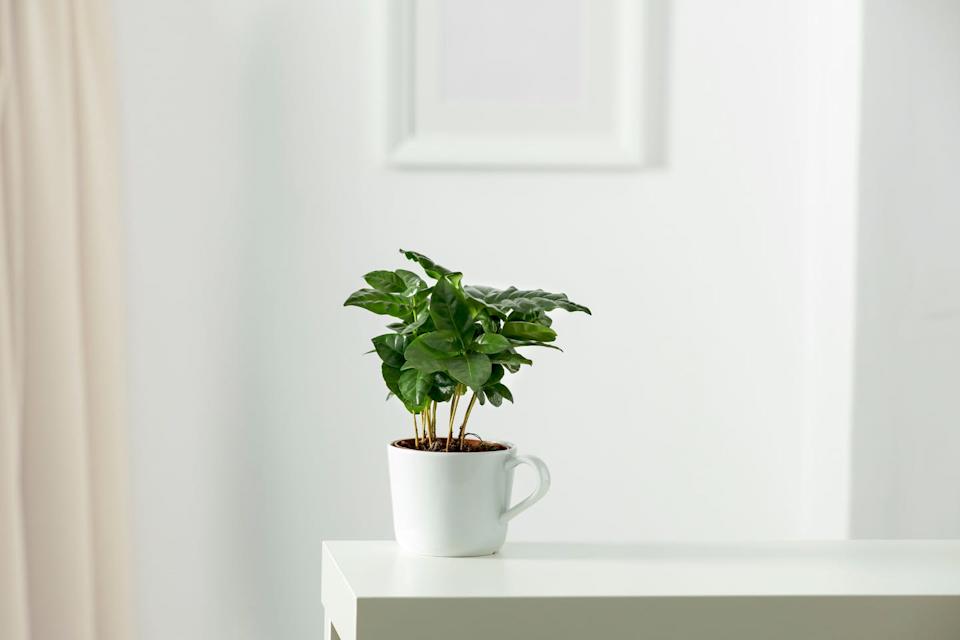
You’re not going to be harvesting beans from this plant, but it’s a fun conversation starter to grow your own coffee plant. Give it bright indirect light, and let it dry out completely between waterings.
Care Requirements: Bright, indirect light
Anthurium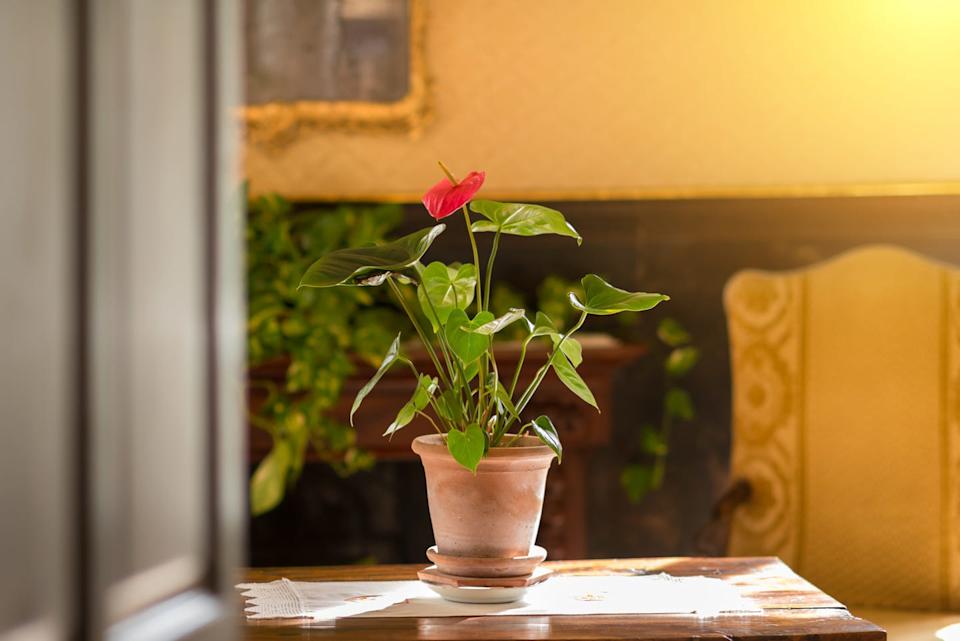
An anthurium is grown mainly for its interesting “flowers,” which are actually spathes or waxy, modified leaves that last for months. Give it bright indirect light, and water it every few weeks when the soil feels mostly dry.
Care Requirements: Bright, indirect light, ample humidity
Water: Every two weeks or so
Monstera Deliciosa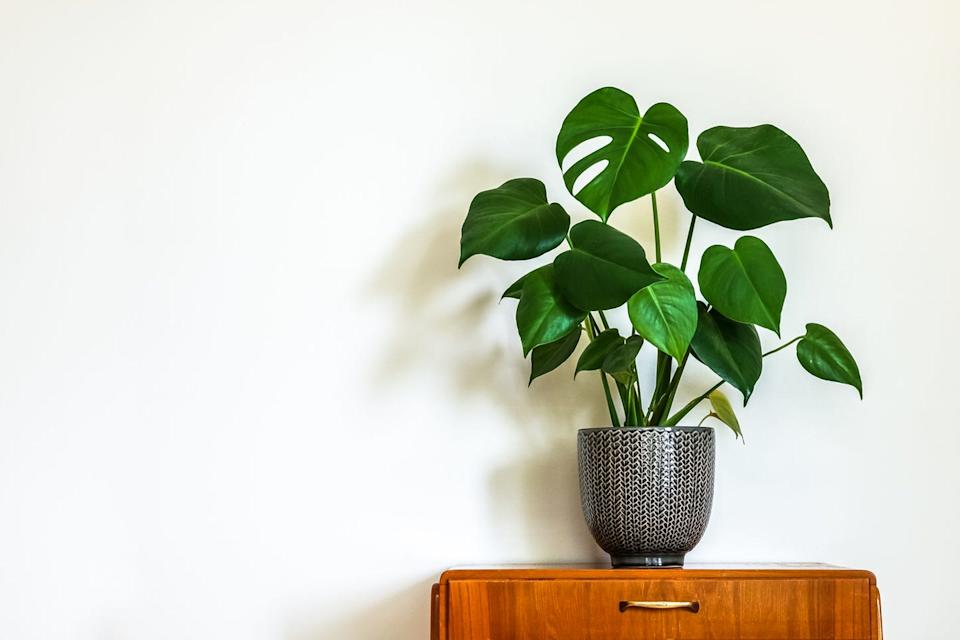
A monstera plant (aka Swiss cheese plant) is beloved for its tropical good looks. It can tolerate low light, but it looks better (and grows faster) in medium to high indirect light. Water it when the top inch of soil is dry.
Care Requirements: Medium to bright, indirect light
Water: Every two-to-three weeks
Peperomia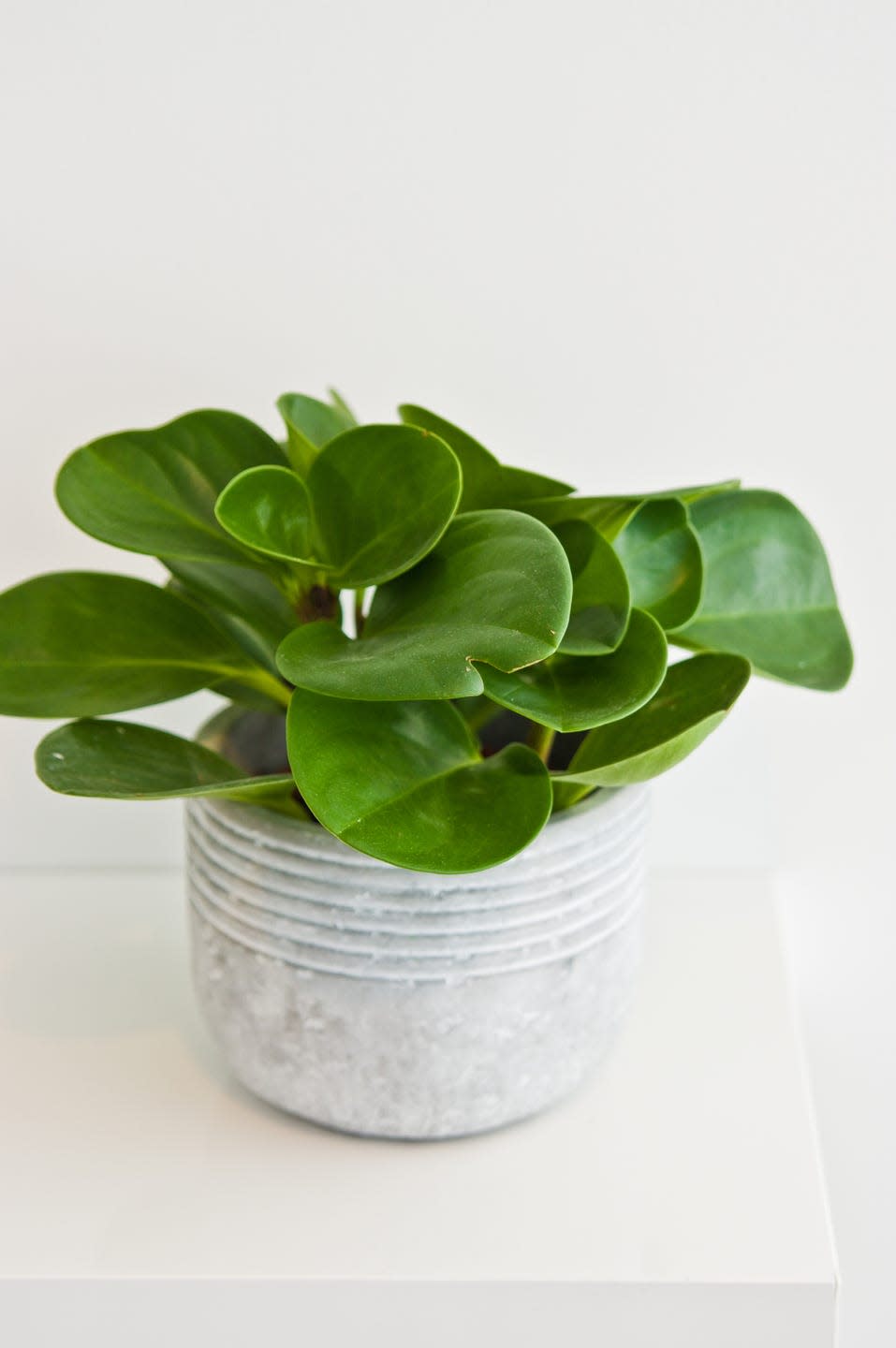
A peperomia has cute, puckered leaves that hold water well, meaning it can bounce back from occasional missed waterings. It can also handle just about any light level. Let it dry out slightly before watering it again.
Care Requirements: Low to medium light
Parlor Palm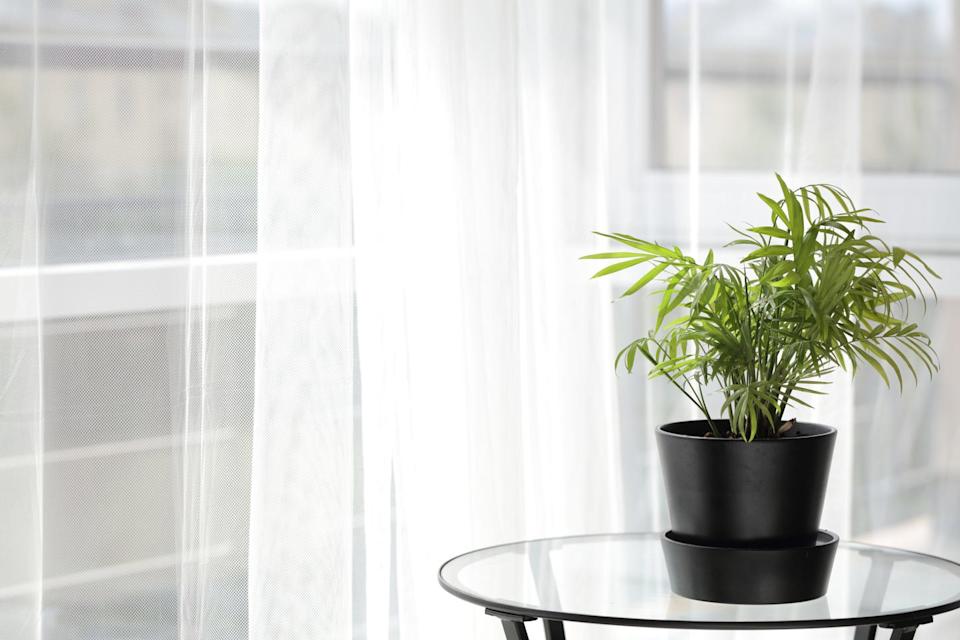
If you have your heart set on a palm plant, a parlor palm is one of the most forgiving. It can handle low to bright indirect light and tolerate drying out between waterings.
Care Requirements: Low to medium light
Water: Every two to three weeks
Hoya Carnosa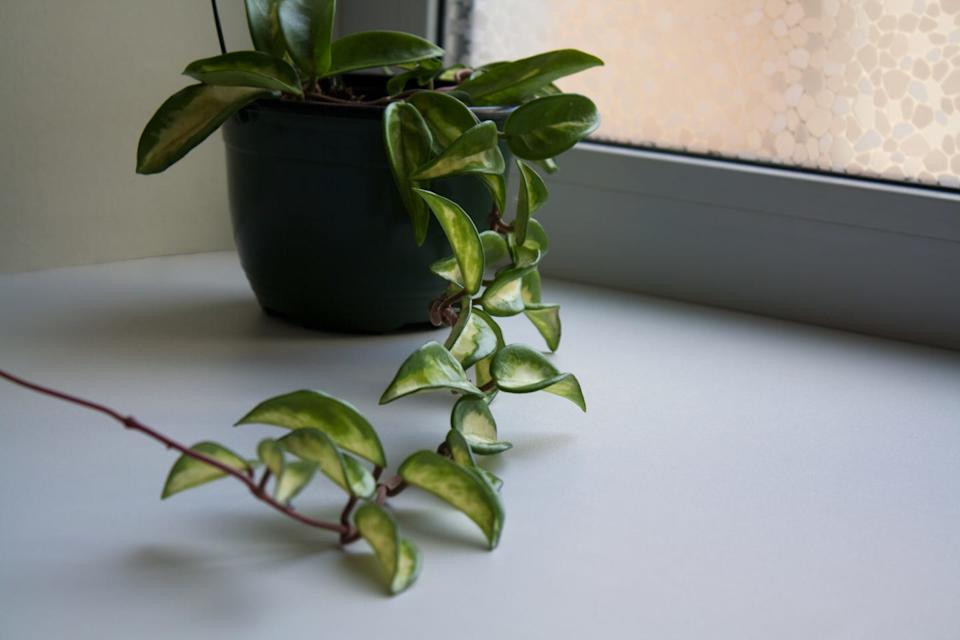
There are many different kinds of hoya plants, but this one, known as Hoya carnosa, features thick, waxy leaves and has a trailing habit. Give it plenty of bright indirect light, and let the top inch or two of soil dry out between waterings.
Care Requirements: Bright, indirect light
Lucky Bamboo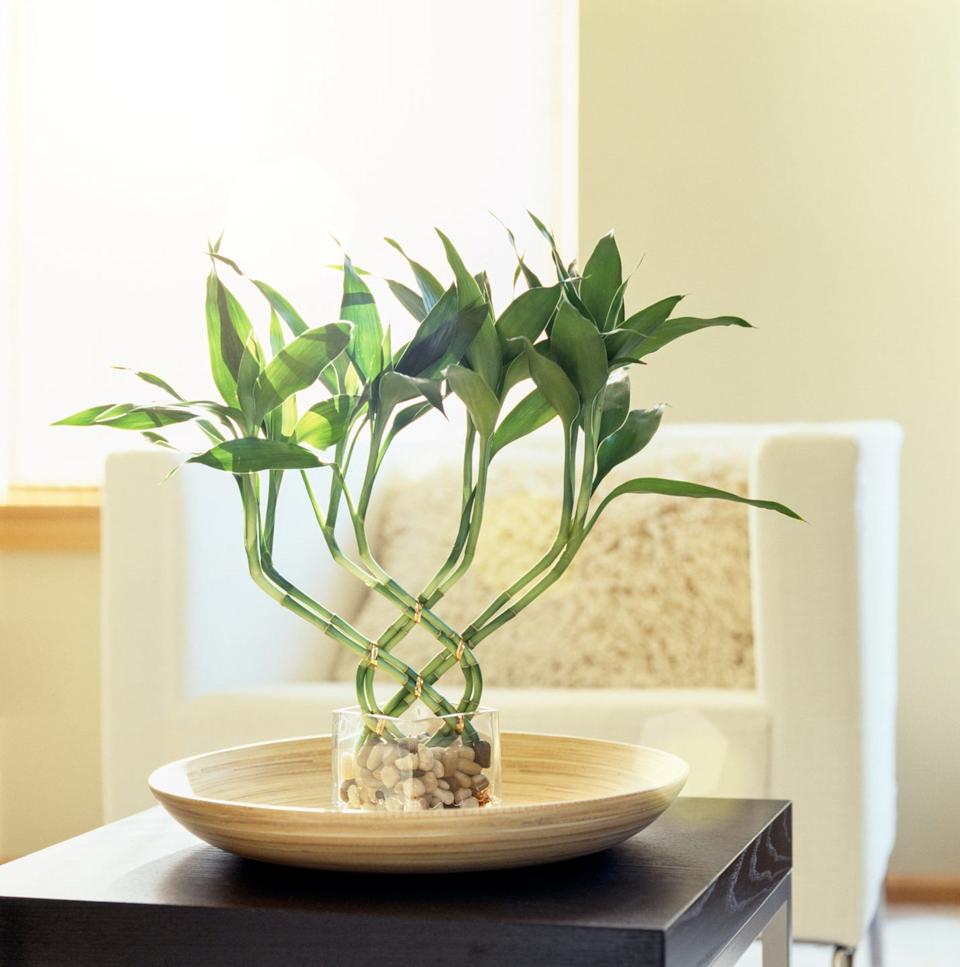
Not a bamboo at all but rather a type of dracaena with the lower leaves stripped off, this fun plant that can grow in water or soil is said to bring good luck. Give it bright indirect light, though it will tolerate low light levels. Change its water weekly if it’s in a container of water, or water it every week or so if grown in soil.
Care Requirements: Bright, indirect light
Water: Change water or provide water once a week
How often should I water my low-maintenance plants?
People are usually more prone to overwatering their plants than underwatering them, so always stick your finger in the soil before you give your plant a drink. If soil particles stick to your finger, the plant is still fairly moist; recheck it again in another day or two. Also, no plant wants to sit in sopping wet soil, so go easy until you get a feel for your plant’s specific watering needs. You may need to water it more (or less) frequently depending on the time of year and how dry it is indoors.
When should I repot my houseplant?
If you notice that your plant’s growth is stagnant or it’s drooping with no explanation, it’s time to check the roots. Carefully pull it out of its pot. If the roots are bursting at the seams of the planter, it’s time to go up a size. Look for tightly wound roots that are overlapped or look like they have no more space to expand.
How do I deal with pests on my plants?
If you notice an abundance of bugs, flies, or bites taken out of leaves, you probably have an infestation. First, separate that plant from the rest of your houseplants. Next, water it thoroughly and wipe down each leaf with neem oil, a natural insecticide. Spraying your plant with more neem oil or another anti-pest solution every other day for a week is a great way to get rid of bugs before they affect your other plants.
You Might Also Like
Comments are closed.