
This common gardening mistake can quickly lead to unhealthy plants
Ellen Jenne Senior U35 Spare Time Writer and Chris Bonnett
14:28, 13 Apr 2026
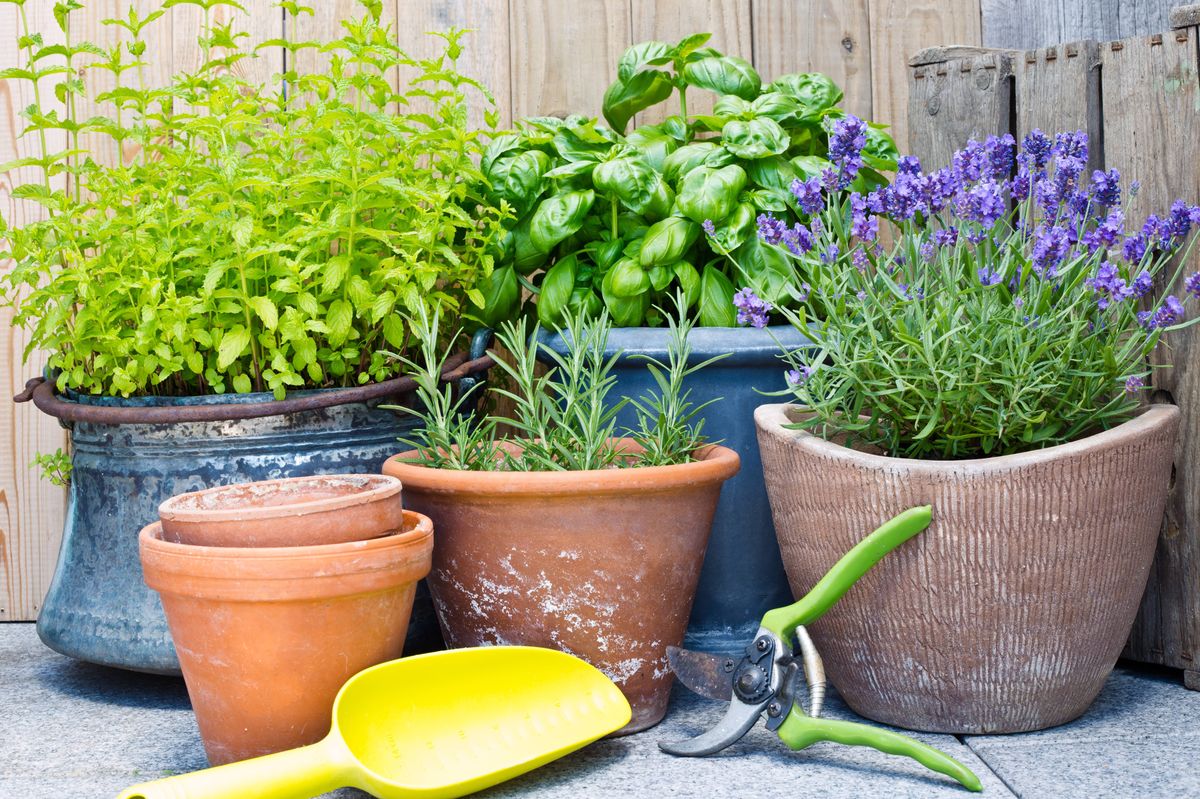
From drainage problems to wrong-sized pots, these common container gardening mistakes can quickly lead to unhealthy plants – but they’re easy to fix(Image: MelanieMaier via Getty Images)
Container gardening has surged in popularity, particularly in urban settings, offering an accessible and adaptable method to introduce greenery without requiring extensive outdoor space.
While container gardening typically demands less upkeep due to reduced weeding and simpler soil management, it’s crucial to recognise that containers provide a fundamentally different growing environment compared to traditional garden beds.
Since plants are restricted, they depend entirely on you for water, nutrients and suitable growing conditions. From watering mistakes to incorrectly sized pots and incompatible plant combinations, minor errors can rapidly result in struggling plants, but by steering clear of these frequent mistakes it’s entirely possible to maintain flourishing containers throughout the season.
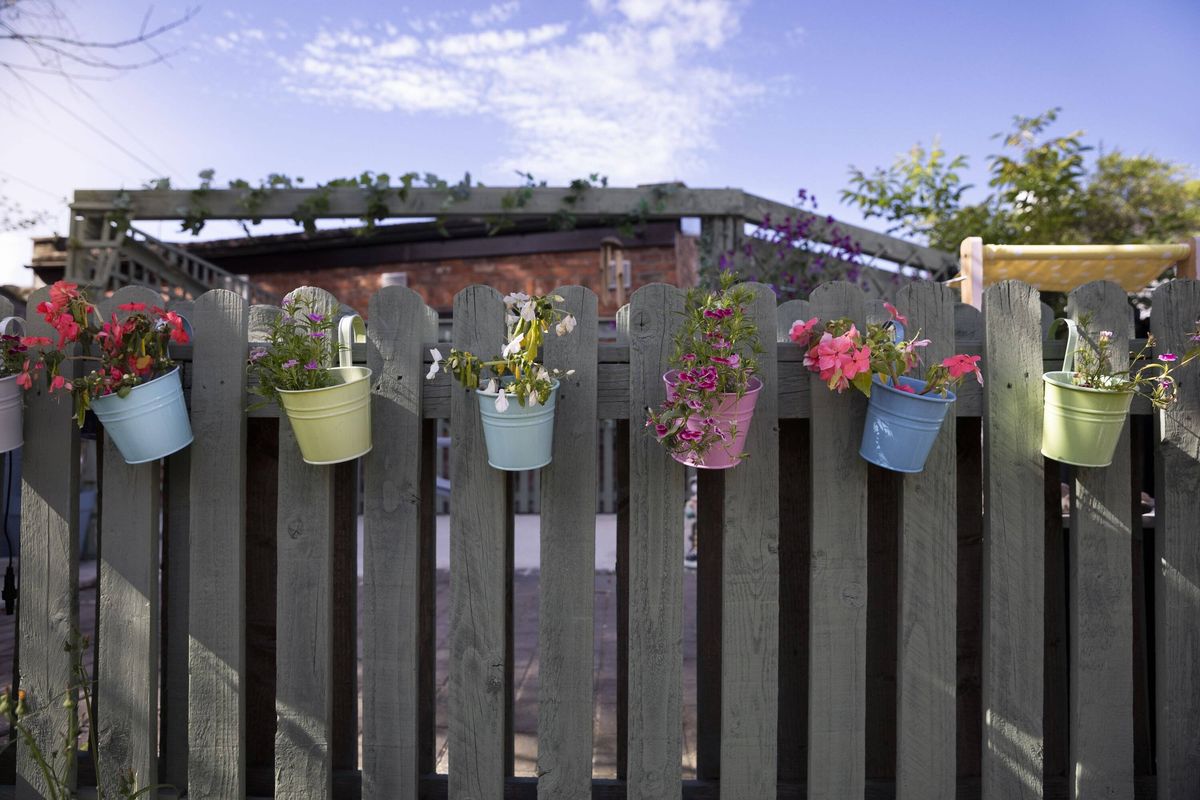
Metal containers can be a stylish choice but they also heat up quickly in direct sunlight(Image: Getty)
Here are seven common container gardening mistakes to avoid:
1. Not being mindful of the heat when using metal containers
Metal containers can offer an attractive aesthetic but they also heat up rapidly when exposed to direct sunlight, potentially harming roots and causing soil to dry out more quickly than anticipated. If you’re opting for metal pots, consider positioning them in partial shade during the warmest hours or lining them to provide insulation for the roots, reports the Express.
2. Not providing enough drainage
Adequate drainage is vital for thriving plants. If water accumulates at the base of a container, it can starve roots of oxygen and trigger rot or disease, so always ensure pots have drainage holes and that water can escape freely. The soil should feel moist, not saturated.
3. Over or under-watering
Striking the right watering balance in containers can be challenging, as soil tends to dry out more quickly than in the ground. Overwatering can suffocate roots, while underwatering can leave plants wilting and struggling.
Regularly check the soil by pressing your fingers into the top couple of inches – if it feels dry, it’s time to water. On sweltering summer days, containers may even require watering twice daily.
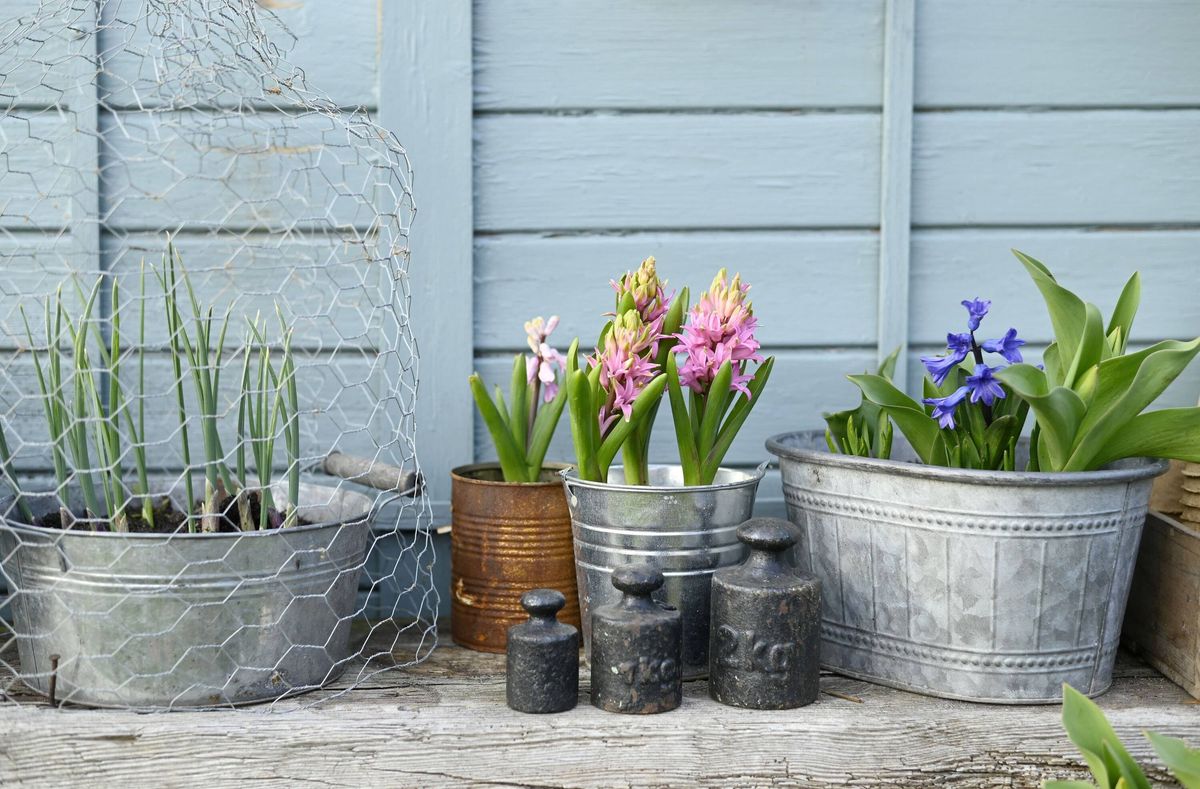
Anyone with metal plant pots urged to move them(Image: Getty)
4. Using pots or containers that are too small
Selecting a container that provides roots with sufficient room to spread will help plants establish properly and retain moisture more effectively. Plants such as tomatoes, courgettes and small fruit trees all require larger, deeper containers to support their root systems, while even herbs like mint can rapidly outgrow cramped pots.
5. Choosing incompatible plants
Combining plants with differing needs in the same container can cause issues. Some plants flourish in full sun, while others favour shade, and their watering requirements can vary just as greatly.
Grouping plants with similar preferences will simplify maintenance – for instance, pairing sun-loving herbs like lavender and rosemary together, while keeping shade-loving plants such as ferns in a separate container.
6. Using the wrong type of soil
Standard garden soil is often too dense for containers and can compact easily, so instead, opt for a high-quality compost or potting mix specifically designed for containers, which will offer the correct balance of nutrients, aeration and moisture retention.
7. Forgetting fertiliser
Container-grown plants rapidly deplete the nutrients in their compost, particularly during the growing season. Without consistent feeding, they may become weak, making it essential to apply a liquid fertiliser fortnightly or incorporate slow-release granules to maintain proper nourishment.
Comments are closed.