
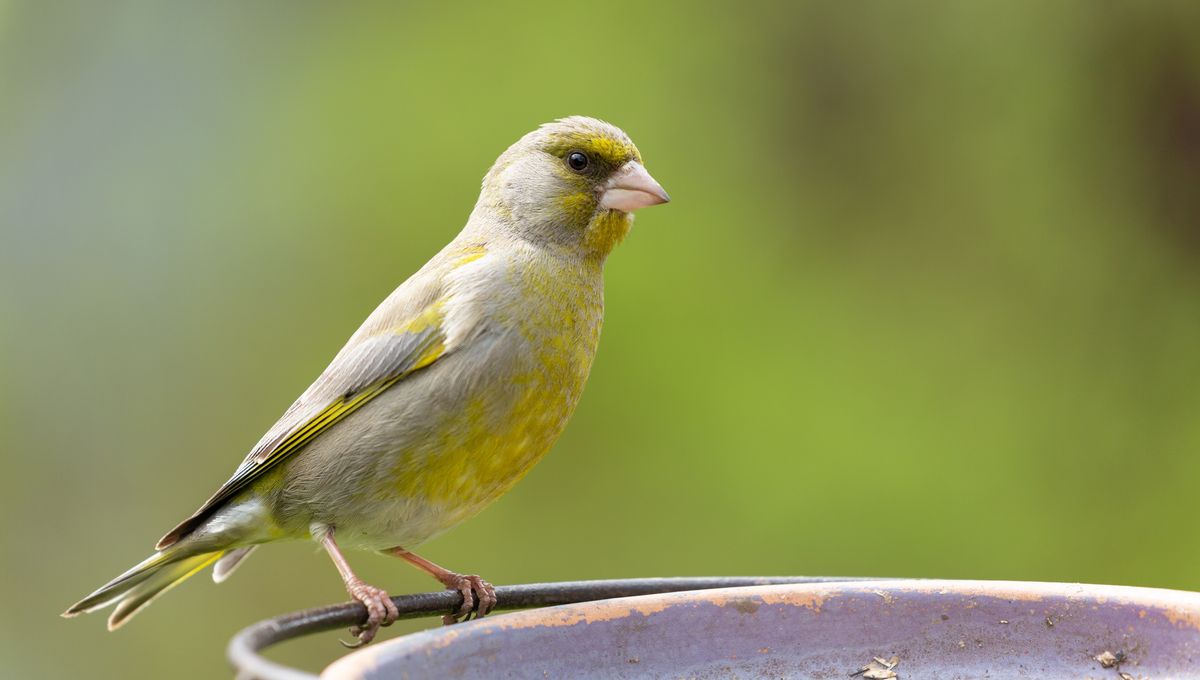
One of the largest nature conservation charities in Europe has released new suggested guidelines about the use of bird feeders and specific foodstuffs for birds. Whether you’re a regular twitcher or just a nature enthusiast, this idea is sure to ruffle some feathers.
The rest of this article is behind a paywall. Please sign in or subscribe to access the full content.
Do you have a bird feeder in your garden? According to the BBC, as many as 16 million households in the UK are thought to regularly feed the birds. Well, as wholesome and kind-hearted as that sounds, research has begun to suggest that we might be doing more harm than good to our feathered friends. The new advice has two main mandates: feed safely and feed seasonally.
The RSPB has made these suggestions in new guidance, but what does feeding “safely and seasonally” actually involve? The charity suggests cutting back on feeders during the summer and fall months, especially when it comes to filling them with foods like peanuts and seeds. From May 1 to October 31 (in the Northern Hemisphere) the RSPB recommends not feeding these foods, although those who do enjoy their garden visitors are still advised to offer small amounts of mealworms, fatballs, or suet during those months.
From November 1 to April 30, the advice is to feed the full range of food as you normally would.
The “feed safely” portion of the new guidelines suggests regular cleaning of hanging feeders and water baths, at least once a week. Feeding in moderation, so that all available food is eaten within a couple of days, is also encouraged. The RSPB also suggests moving bird feeders every week and not positioning them under trees to avoid contamination of the area through bird droppings. The charity also suggests not using flat-top feeders.
All of these measures are outlined to prevent the spread of disease, particularly among finch populations, which have been observed to be shrinking.
The main reason for the decline is thought to be trichomonosis, a parasitic disease that can be passed on from bird to bird through bodily fluids like saliva, making it particularly prone to transferring at gatherings around bird feeders. Since the parasite is killed in colder weather, this makes feeding over winter less likely to spread the disease.
The guidelines follow on from a citizen science annual report from the Big Garden Birdwatch, where members of the public watch their gardens for an hour in January and upload their results. The data shows a 65 percent decline in greenfinch numbers since the scheme started in 1979. Chaffinches and bullfinches are also affected by the disease.
Some suggest we should stop feeding the birds altogether, and raise ethical questions about the production of the seed itself, the land use, and the air miles involved in transporting peanuts for bird food.
Instead of artificially supplementing the diet of garden birds, some call for a change in the way we garden, and the promotion of natural plant species that would seasonally provide berries and support insect populations, in turn supporting the birds.

ORIGINALLY PUBLISHED5 minutes ago
 Discuss (0 CommentS)
FOLLOW


Add us as a Google preferred source to see more of our trusted coverage in Search
Comments are closed.