
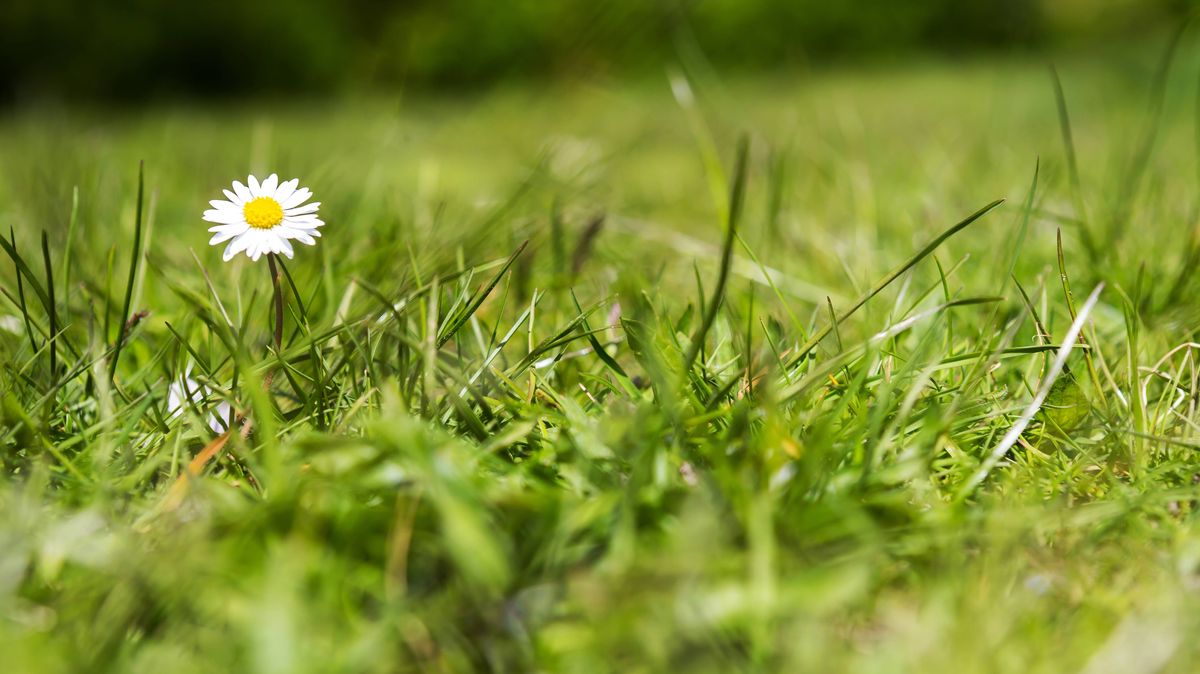
Limit this job in spring if you want a garden full of wildflowers
Isobel Pankhurst Audience Writer
03:50, 13 Apr 2026
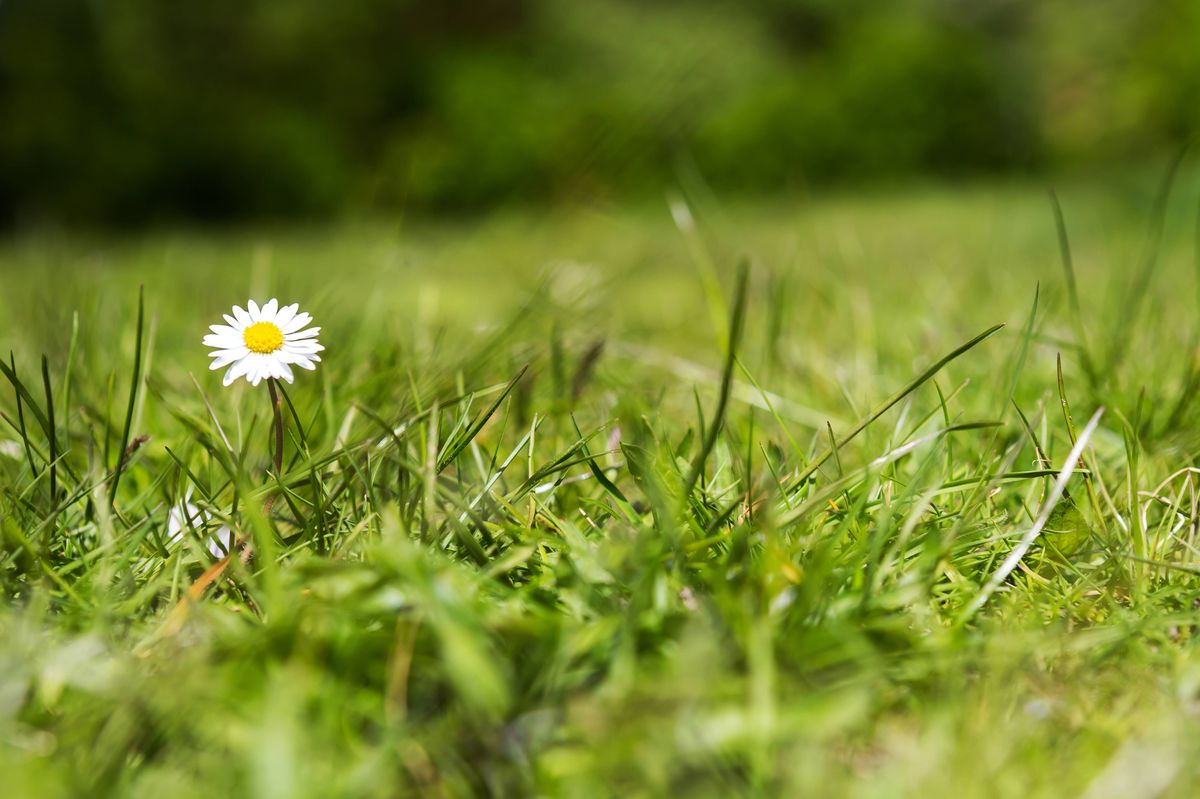
(Image: fhm via Getty Images)
A wildflower-laden lawn isn’t to everyone’s taste, yet there are plenty of gardeners who relish the idea of a space bursting with blooms, or who dedicate a specific patch to wildflowers in a bid to attract pollinators. However, there’s one common error that could be preventing flowers from taking hold in your grass.
Lawn specialists at the RHS have recommended steering clear of overmowing during spring if you’re keen to encourage wildflower growth, even suggesting you hold off until summer before establishing any regular mowing routine. The experts explained: “With a conventional lawn, mow once a fortnight or once a week, depending on growth.
“For a flower-rich lawn or wildflower meadow, leave uncut in spring to provide much-needed support to pollinators and a welcome break from mowing.”
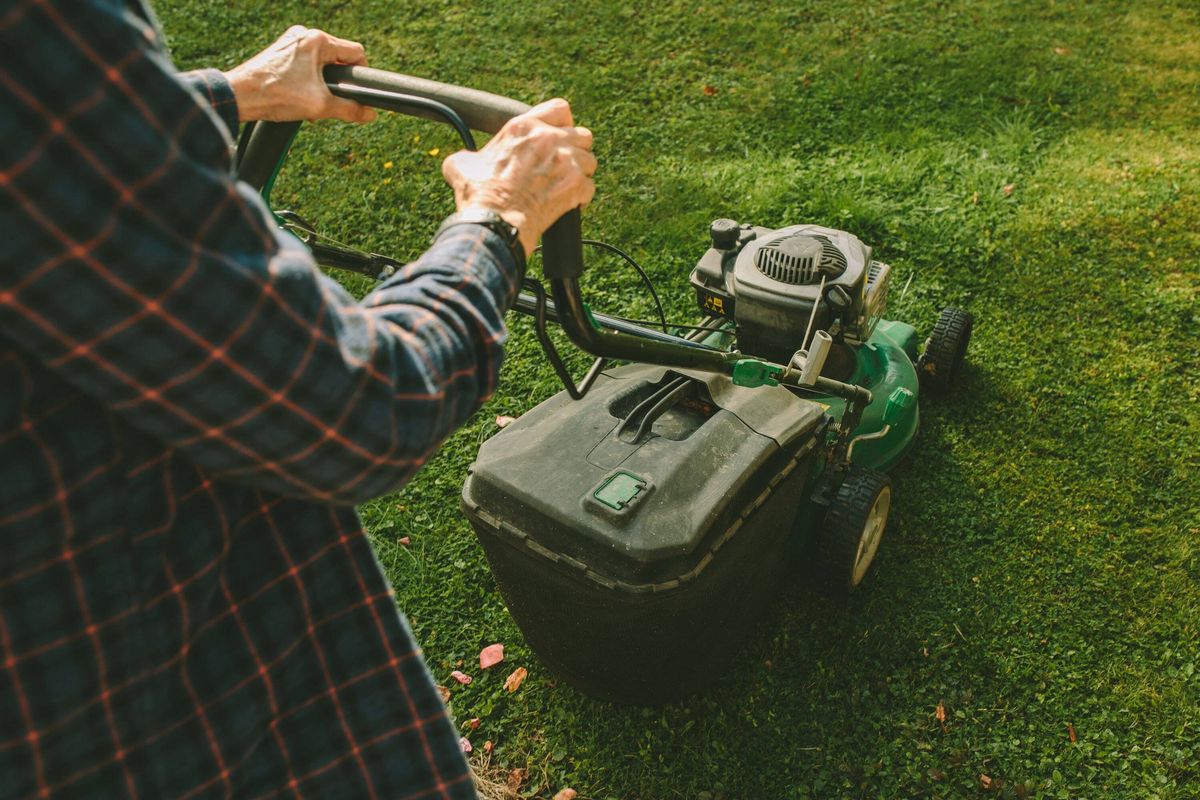
Don’t mow your lawn this May(Image: Getty)
While you might manage a couple of cuts in April, they strongly advise against picking up the mower in May, referring to the month as “no mow May”.
As the title suggests, this simply means putting the mower away for the entirety of May, giving the wild plants already present in your garden the chance to flourish and flower. You can choose to leave your whole lawn untouched, or simply designate a specific section to remain uncut for wildflowers.
Regular fortnightly mowing can then resume in June, or later still if you prefer.
No Mow May was founded in 2019 by UK conservation charity Plantlife, with the aim of tackling the devastating decline of flower-rich meadows — 97% of which have disappeared since the 1930s.
Urging gardeners to leave their lawnmowers in the shed this May, Plantlife campaigners say: “No Mow May is one of the easiest ways to help the environment – letting wildflowers like daisies, dandelions and clovers grow while supporting bees and butterflies. (even small wild patches add up to make a huge difference to nature.)”
Comments are closed.