
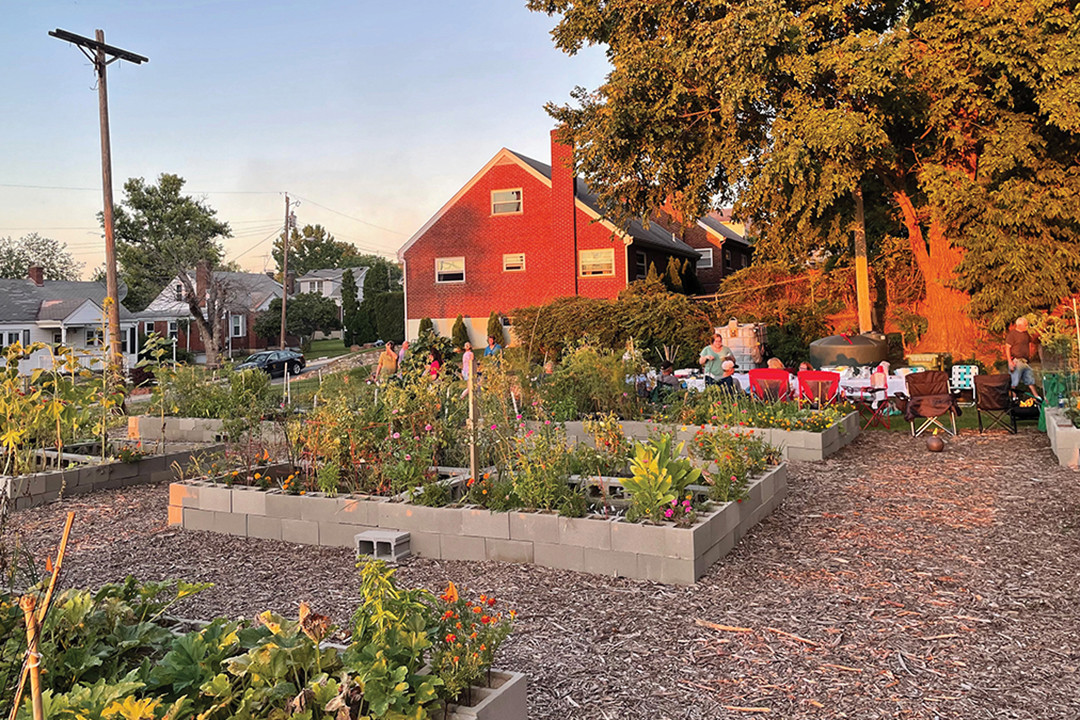
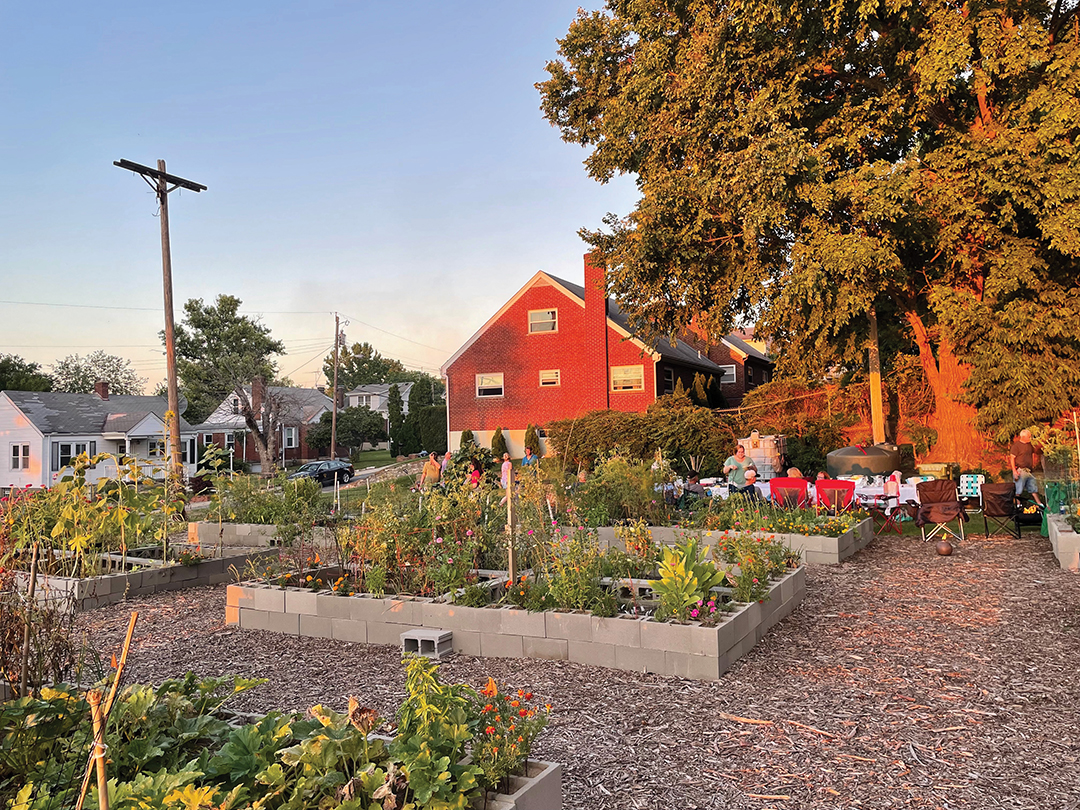
Photograph courtesy Civic Garden Center
Kymisha Montgomery, urban agriculture program coordinator at the Civic Garden Center, believes in the power of community gardening. Why eat a tomato that’s traveled all the way from Florida or Peru when they’re grown locally? “Having access to local foods with more nutritional value— a more robust taste, texture, smell—can increase enthusiasm surrounding healthy food,” she says.
A garden also brings people together. Montgomery sees it happen time after time in her work supporting the center’s network of more than 60 independent community gardens and while conducting its free 11-week Civic Gardener Development Training classes. Held each year from January to April, the training might be something to consider if you’re wanting to start or join a community garden.
As far as general advice, Montgomery says first you should decide between joining an existing community garden or starting a new one. “Most likely there’s a community garden in your neighborhood you just haven’t discovered yet,” she says.
Consider the type of garden you want to join. There are allotment gardens, where each gardener pays a fee to access a bed or beds and can be provided with soil, tools, access to water, and seeds and plants. There are pantry gardens, where everything is donated to a food pantry. At school gardens, the food is grown for school use, typically for educational purposes rather than for student consumption. Foraging gardens usually have an open invitation to pick fruit or scavenge for herbs or whatever is growing there.
Before you start growing anything, Montgomery strongly advises testing your soil, especially if you’re planting in the ground.
What to grow? “Plant what you’re going to eat,” she says. “You can always plant something you have a fascination with or think will add beauty, but mostly plant what you want to eat because you’ll be more motivated to tend to your garden.”
What if you want to start a new community garden? Determine what type you want to create and who might partner with you, Montgomery says. You’ll need land, of course; if you aren’t sure where to find it, she suggests reaching out to your neighborhood council, church, school, or a nonprofit that might have a plot you could garden on.
Start-up and maintenance costs will depend on the size of the garden, community engagement opportunities, and how much sweat equity you’ve got, Montgomery says. Funding is out there, and she suggests finding out whether your municipal government or nearby big box stores have grant money available for community gardens.
Once you have your community garden established, Montgomery recommends thinking about what happens outside as well as inside. “If you see folks walking by and constantly looking in, invite them in, explain to them what you’re doing and what you’re growing. Give them something to take back home so they can experience what you’re experiencing, and hopefully that person will come back and garden with you side by side.”
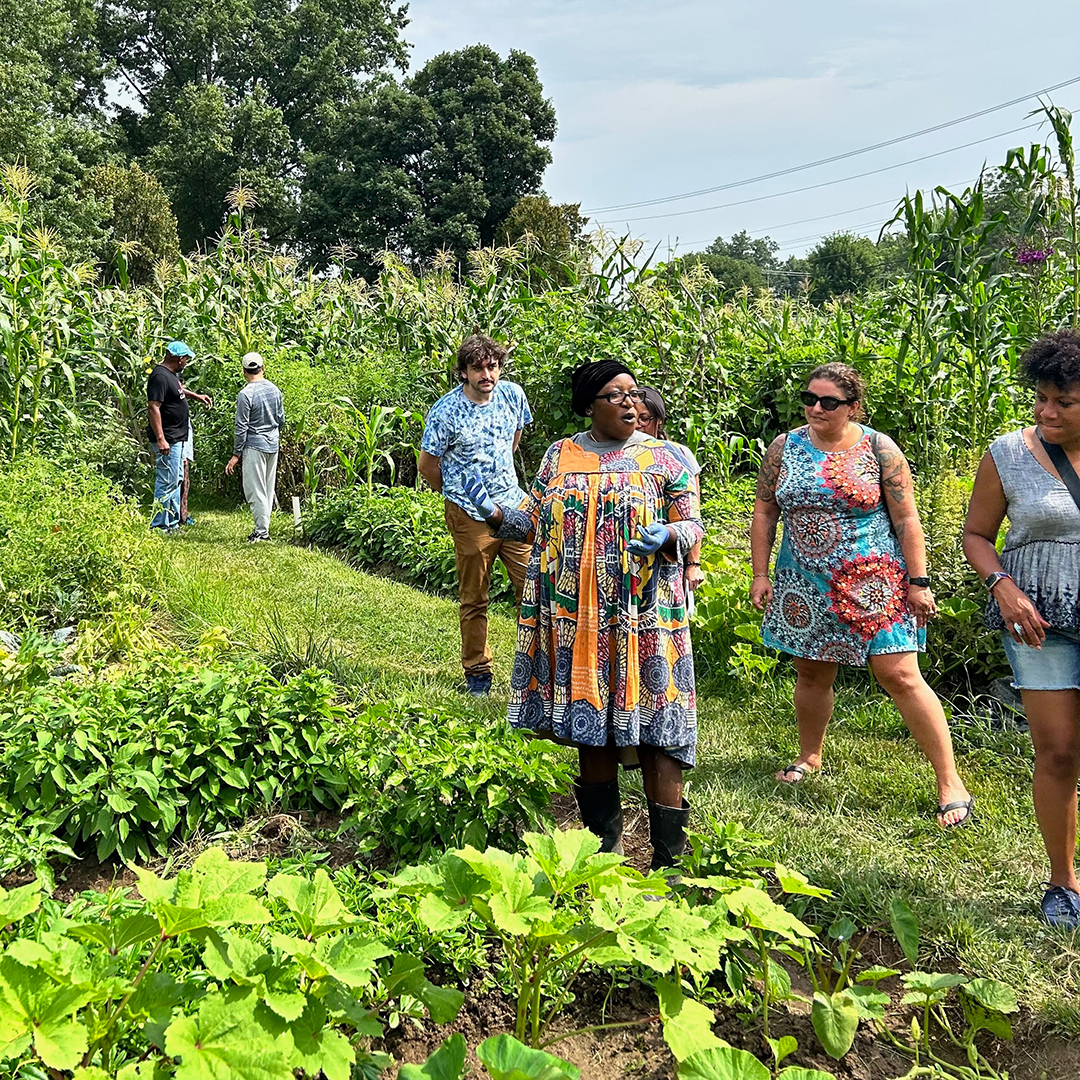 Northgate Community Garden
Photograph courtesy Civic Garden Center
Dig These Gardens
West End Community Garden grows thousands of pounds of produce annually and utilizes a greenhouse for starting plants from seeds; it donates fresh produce to the Neighborhood House food pantry. 941 Poplar St., West End
Mt. Airy Community Garden, graduates of Civic Gardener Development Training, developed this garden as members of the Mt. Airy Cure nonprofit. 5536 Colerain Ave., Mt. Airy, (513) 442-8096
Northgate Community Garden is a large community of gardeners from Cameroon and Bhutan who grow their cultural crops in one of the area’s more productive gardens. 9151 Zoellner Dr., Northgate
Comments are closed.