
Sheila Das’s career began in the early 2000s and included studying at the Royal Botanic Gardens, Kew, and a role with English Heritage. She became Garden Manager at RHS Garden Wisley in 2015, responsible for Education, Edibles, the members’ seed scheme and the Wellbeing garden. Das played a key role in the development of the Hilltop landscape with a focus on wildlife, wellbeing, and edible growing. Over nine years, she transformed the 19 acre edible landscape, led Wisley’s Planet-Friendly Gardening movement, and championed no-dig gardening as a way of treating soil as a living ecosystem.
When Das joined the National Trust, she inherited a portfolio of gardens and parks on a national scale. The Trust manages over 200 gardens and parks across an estate of approximately 250,000 hectares. Each site carries its own history, rhythm, and ecological demands. Together, they form a complex, interconnected conservation operation.
Transforming an operation of this scale is never simple. Large, established organisations rarely move quickly. Habits are embedded, structures layered, and cultures evolved over decades. For Das, change is as much human as it is strategic. The challenge is to provide a confident national direction while safeguarding the distinct character of each site, all done sustainably.
“It’s a huge challenge,” she said. “The scale and diversity are immense. From internationally renowned gardens such as Sissinghurst, Hidcote, Mount Stewart, and Bodnant, to lesser-known gems such as Croft Castle in Herefordshire and Peckover House in Cambridgeshire, each presenting unique opportunities and constraints”.
She adds: “We have responsibilities to people who have entrusted properties to us, and legal obligations enshrined in an Act of Parliament to care for these sites for the nation and for future generations.”
The workforce
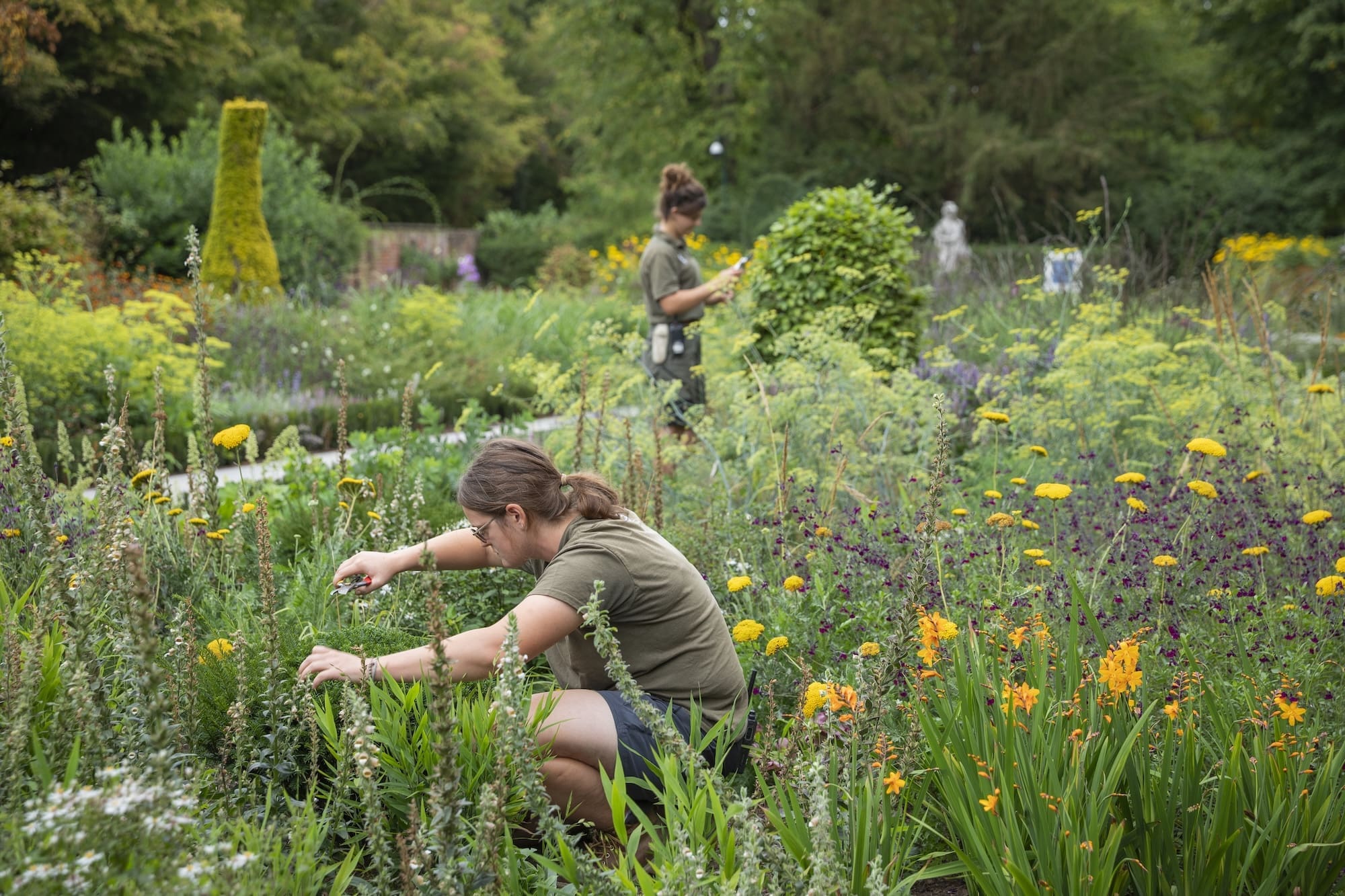
Supporting this vision is a vast, distributed workforce: roughly 650 staff caring for more than 220 gardens, helped by 10,000 volunteers. In some cases, a single head gardener may oversee as many as seven sites, each with its own character and challenges. Uniformity is neither practical nor desirable. Instead, Das fosters consistency through clarity of purpose, equipping teams with the guidance, skills, and confidence to respond thoughtfully to their unique sites, and to do so sustainably.
“These gardens are not static assets,” she explains. “They are evolving places, shaped as much by the people who care for them as by the histories they inherit.”
Undeterred, Das sees enormous opportunity in this diversity: “Regional variation gives us the chance to experiment with what works in different places in ways no other organisation in the UK can. The diversity gives us huge scope to innovate.”
Financial reality
There is also a practical reality. Change comes at a cost. It demands investment, carries risk, and often brings unseen pressures, from financial outlay to the quieter toll of stretched teams and shifting priorities.
Like many charities, the National Trust is navigating a challenging financial and operational landscape. Rising labour costs, driven by increases in National Insurance and the National Living Wage, have forced difficult decisions, including the loss of around 500 roles, roughly 6% of its workforce, in late 2025. This comes at a time when, despite strong visitor numbers, the organisation faces declining membership, growing maintenance demands, and heightened public and political scrutiny of its direction.
Das arrived amid both challenge and possibility. The Trust marked its 130th anniversary in 2025 with the launch of its ten-year strategy, People and Nature Thriving – Our 2025 to 2035 Strategy, shaped by input from over 70,000 people. Its priorities: restoring nature, widening access to green space, and inspiring action on climate and biodiversity.
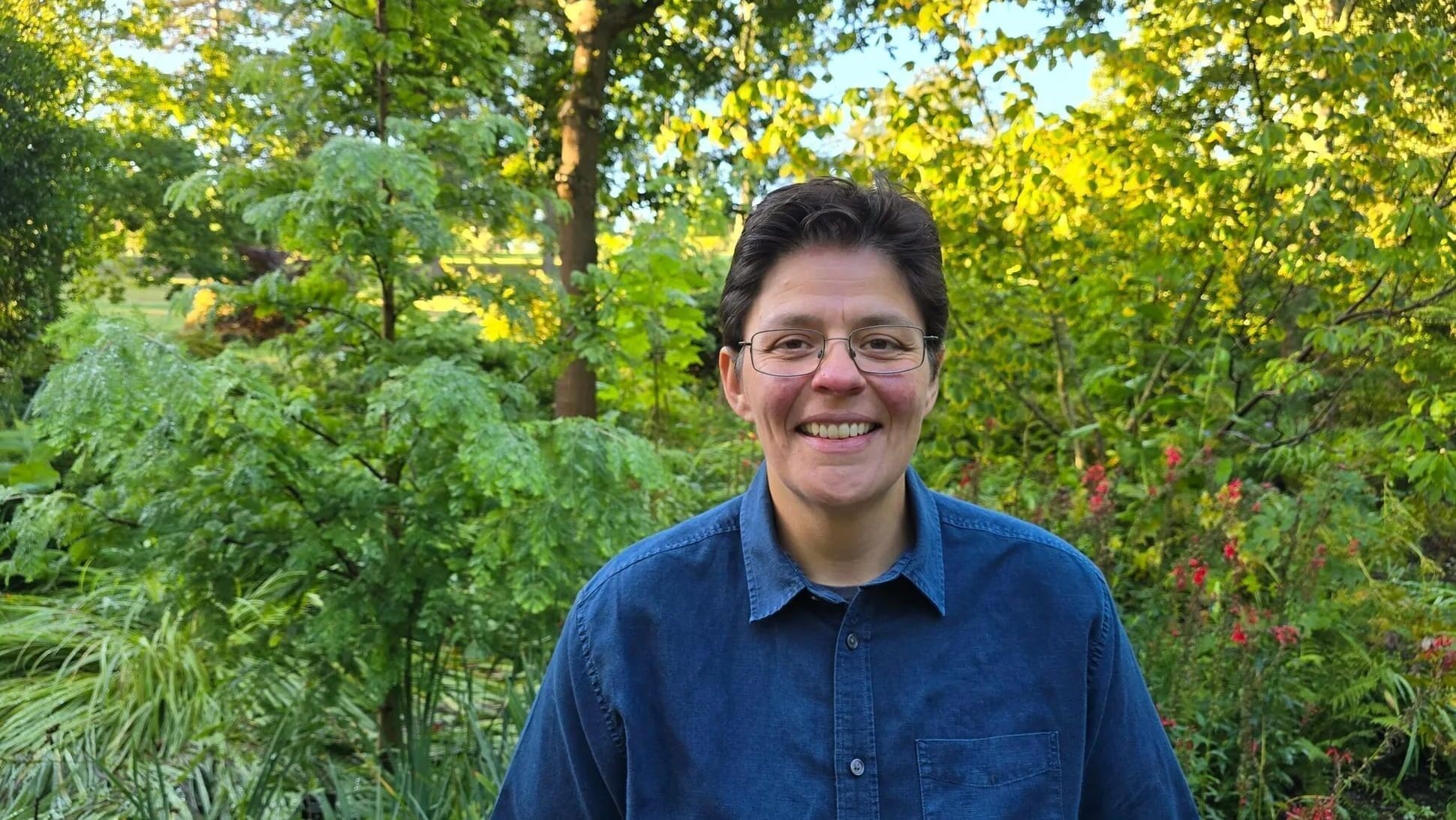
Sheila Das
Though perhaps better known for the actual properties themselves, gardens, are central to the Trust’s mission and visitor experience. They welcome families, older visitors, and anyone seeking a connection with nature. They drive repeat visits, foster deep attachment to local places, and offer year-round engagement through seasonal change.
In this sense, Das’ role carries gravitas far beyond traditional horticultural leadership: she shapes not only landscapes but how people experience, value, and return to National Trust properties. Her decisions ripple through heritage preservation, visitor engagement, and even the financial sustainability of the organisation.
Vision rooted in sustainability
Now as Head of Gardens and Parks, Das is advancing a vision rooted in sustainability, climate resilience, and public engagement. She sees gardeners not simply as caretakers, but as stewards of the environment, protecting heritage while shaping a sustainable future, and aims to deepen people’s connection to nature through horticulture.
Her approach begins with a pause: stepping back to reassess fundamentals. Planting design, water use, soil health, peat-free growing, education, and visitor engagement are all examined through the lens of sustainability.
“Every decision, from soil to plant selection, is an opportunity to work with nature rather than against it,” she explains. “There are, of course, stumbling blocks, navigating resources, logistics, and balancing heritage with ecological ambitions, but each challenge is an opportunity to rethink how we approach horticulture and create lasting change.”
Limited resources, she says, can become opportunities: “It became a call-and-response: try something, see if it works, adjust if it doesn’t. Letting the land and available resources guide me frees me from the need to control everything. You’d be amazed what can be achieved with constraint.”
Role of Gardens and Parks in the National Trust
The Gardens and Parks department sits within the Access and Conservation Directorate, which oversees access to the Trust’s properties and cultural heritage. Gardens and Parks, led by Das falls under the Cultural Heritage portfolio. This area encompasses the Trust’s houses, collections, and gardens, ensuring they are preserved, interpreted, and made accessible to the public.
The Cultural Heritage team works closely with the Land and Nature Directorate, reflecting the strong connection between built heritage, landscapes, and the natural environment.
All images © National Trust Image / James Dobson
The National Trust operates a devolved model across six regions, so garden teams report regionally. Das’s team provides national leadership, setting direction, defining standards, delivering training, and developing the long-term vision.
Her team of eight specialists is organised by expertise: a Curator for Living Collections, a Senior and National Specialist focussed on environmental horticulture, and the same for garden management, a national lead for Training, a national lead for Horticultural Content, and a Horticultural Support Lead, creating a network of expertise across the Trust.
Slow Gardening: Nature, People, Heritage
At the heart of Das’s approach is a philosophy she calls Slow Gardening: a way of thinking about horticulture that places nature, people, and heritage at the centre of every decision. It is as much about mindset as technique, observing, responding, and working with the land, rather than imposing rigid designs or chasing instant visual impact.
“Slow Gardening is about working with nature, not against it,” Das explains. “It’s ecological by design, combining sustainability, heritage, beauty, and visitor experience. It challenges traditions that may no longer be viable while retaining what is historically significant. This is what I call, conscious compromise.”
The concept reframes familiar challenges. Traditional bedding schemes and Victorian rose gardens, once symbols of grandeur, are often resource-intensive, requiring constant irrigation, feeding, and labour. Slow Gardening doesn’t reject tradition; it reimagines it. Iconic plantings can be maintained while introducing practices that support biodiversity, conserve water, and protect soil health.
“Every garden has its story, and every plant its role,” Das says. “Slow Gardening is about understanding those roles, respecting them, and letting the garden guide our decisions. It’s about patience, observation, and allowing nature to inform how we act.”
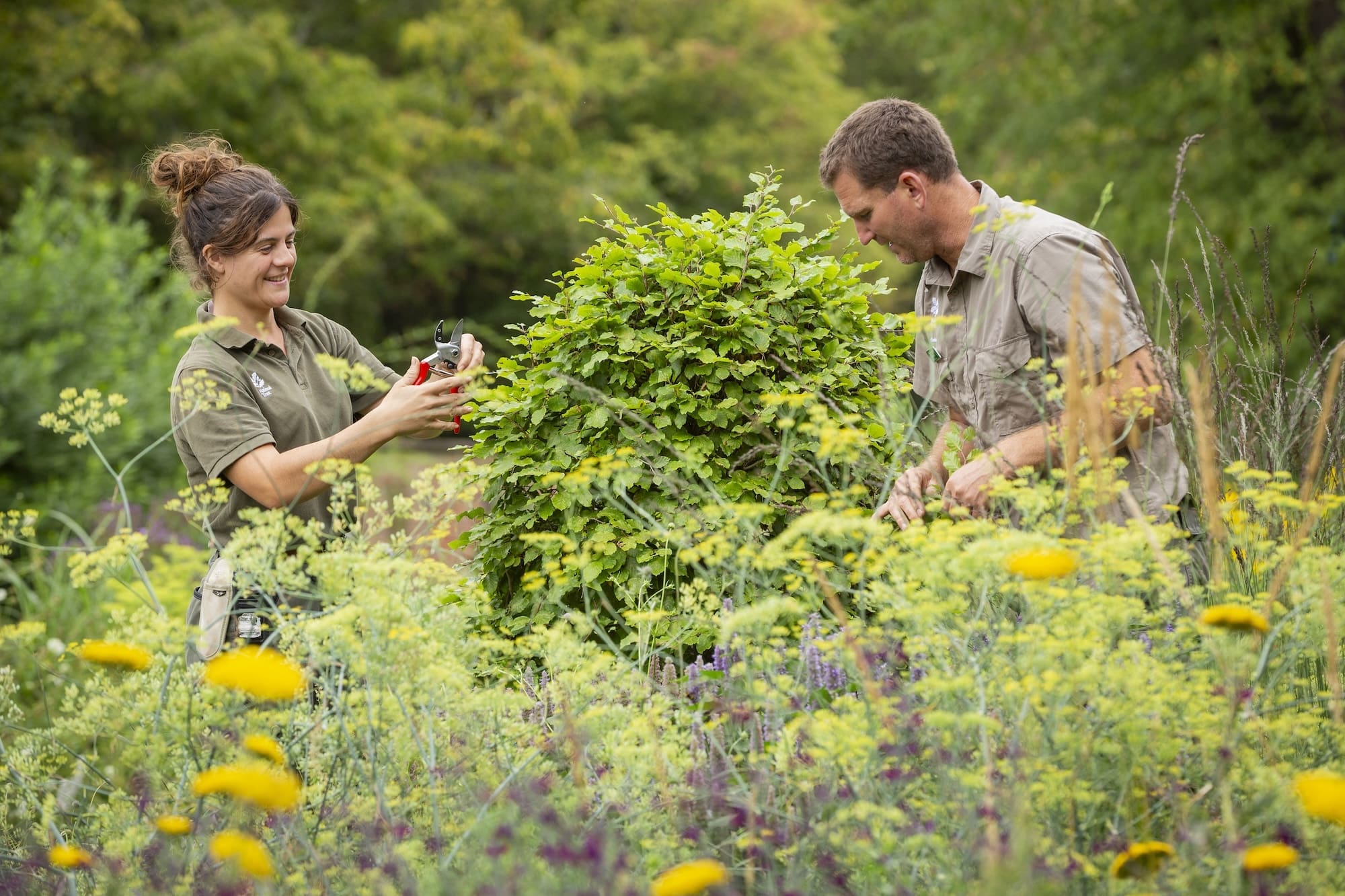
It’s also deeply people-centred. Gardens only exist because of the knowledge, care, and creativity of those who tend them. Teams learn to observe patterns, understand seasonal cycles, and make decisions that balance ecological responsibility with heritage and visitor experience.
“There are no gardens without people,” Das says. “By empowering our teams and volunteers, we can create landscapes that endure, that educate, and that inspire. Slow Gardening encourages everyone to engage with the process, not just the finished picture.”
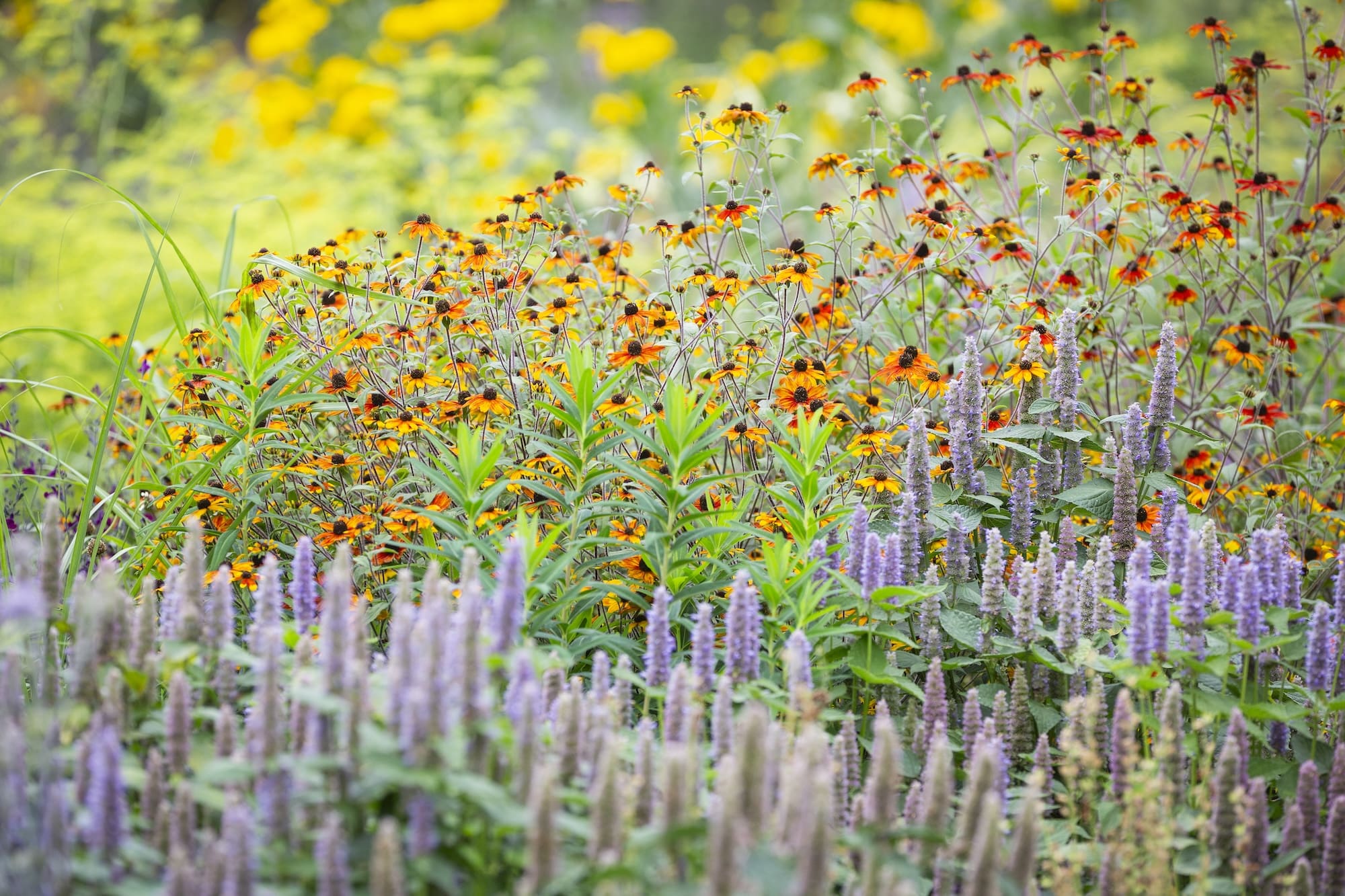
A practical example can be seen at Nymans, where struggling rose beds were replaced with a simple meadow mix. Rather than rushing to fill the space with conventional plantings, the team allowed the garden to evolve naturally. Over the summer, waves of whites and pastels flourished without watering, feeding, or heavy intervention. The result was not just beautiful, it provided insight, time, and inspiration for a sustainable long-term planting plan.
Responsible sourcing underpins the philosophy: rare plants are propagated at the Trust’s Plant Conservation Centre, while other stock comes from peat-free UK nurseries. Local growers and nurseries are also seen as partners, creating networks that strengthen biodiversity and local horticultural expertise. “I’m particularly interested in exploring how the National Trust could support smaller nurseries, partner with them, or even provide land for cultivation” explains Das. “These are the kinds of opportunities I want to investigate for the future.”
Adding: “Slow Gardening is about resilience, patience, and engagement. It’s ecological, educational, and heritage-focused, all at once. It teaches visitors and gardeners alike that lasting change comes from careful, considered action.”
Forward-Looking, practical, and people-centred
Das’s strategy is both pragmatic and visionary. Slow Gardening reflects her leadership philosophy: responsive, adaptive, and firmly rooted in people. As Das puts it, “You can’t dictate everything. You respond, observe, adapt. There are no gardens without people. By empowering our teams and volunteers, we create something lasting.”
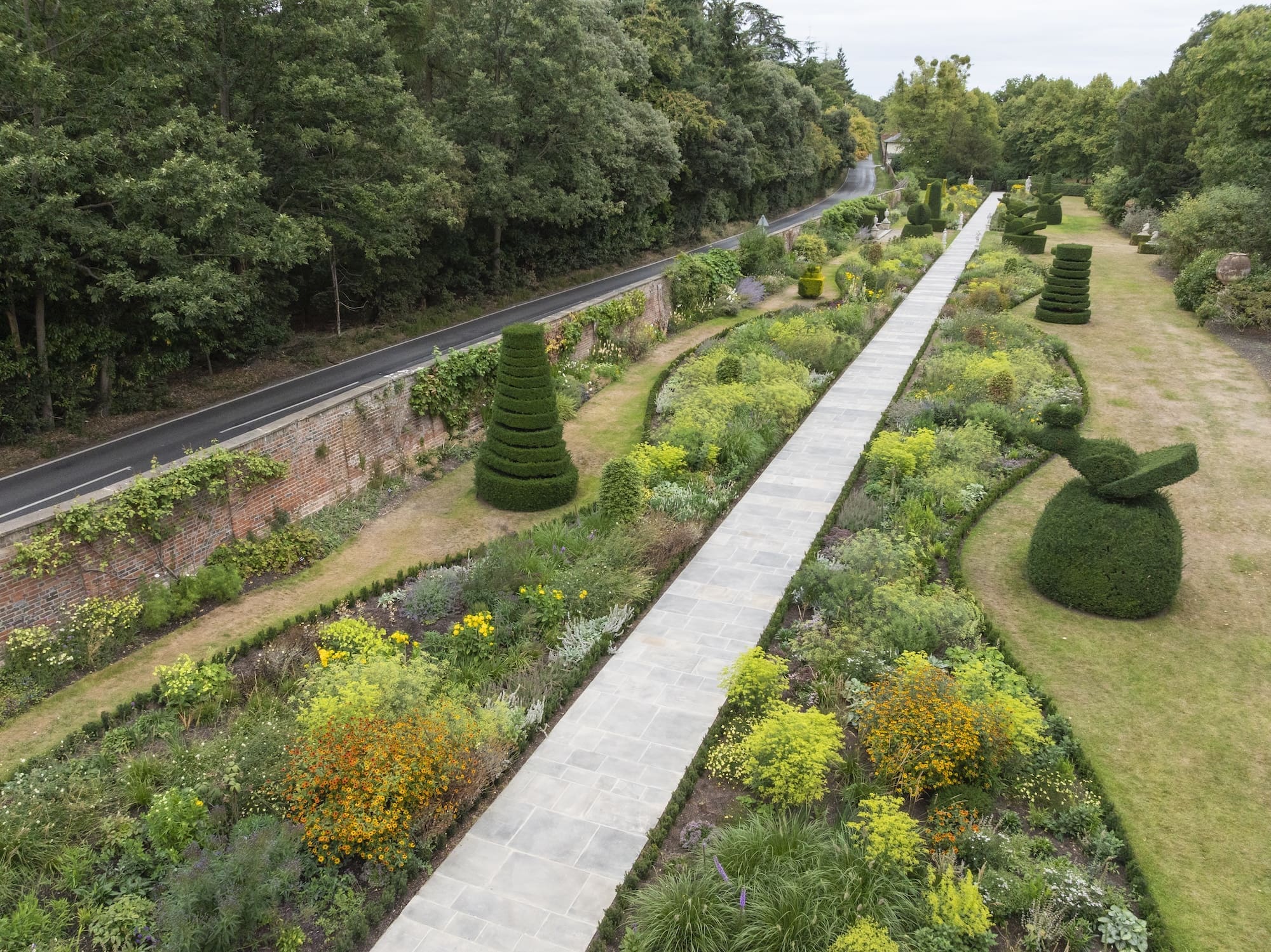
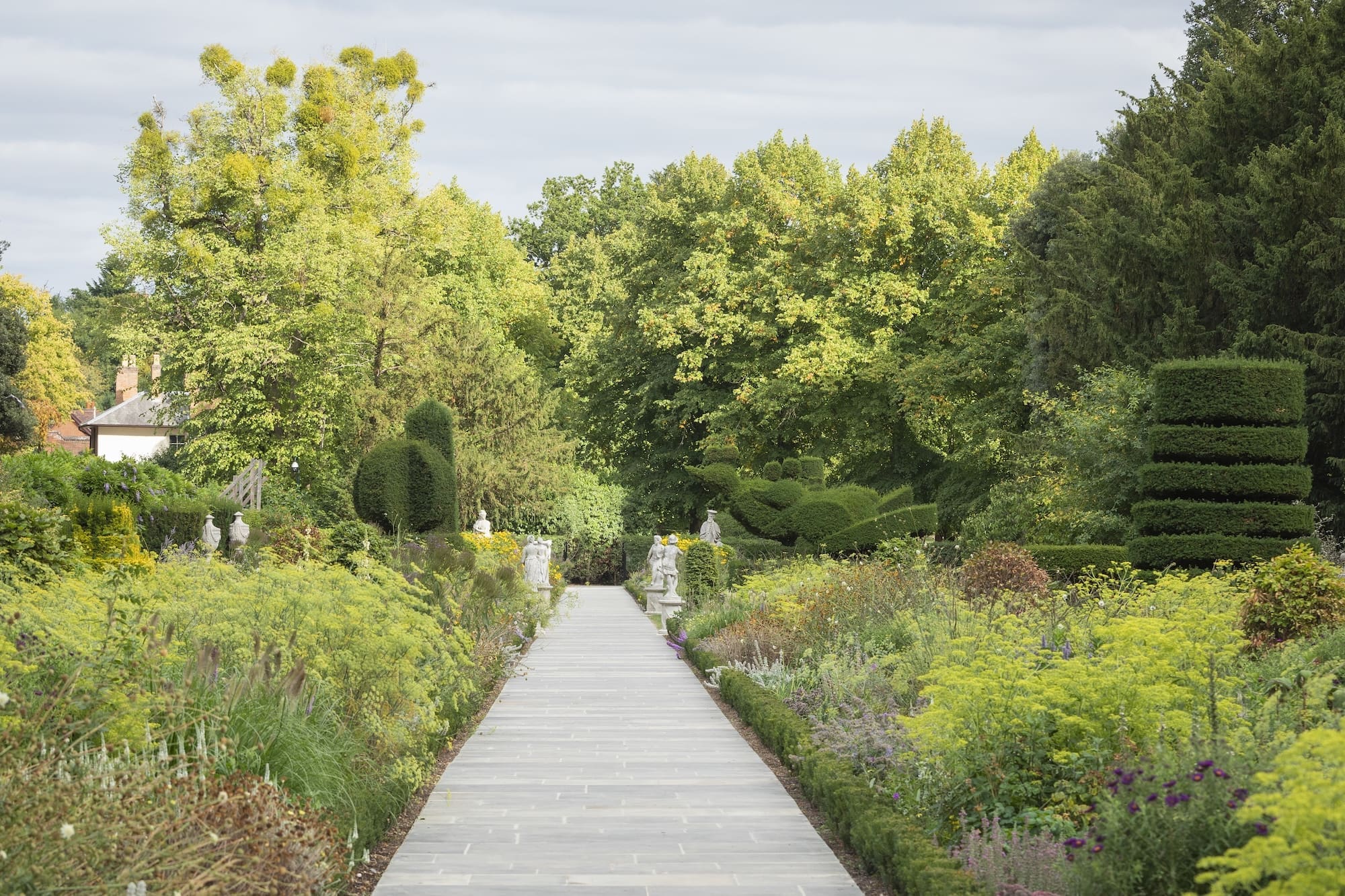
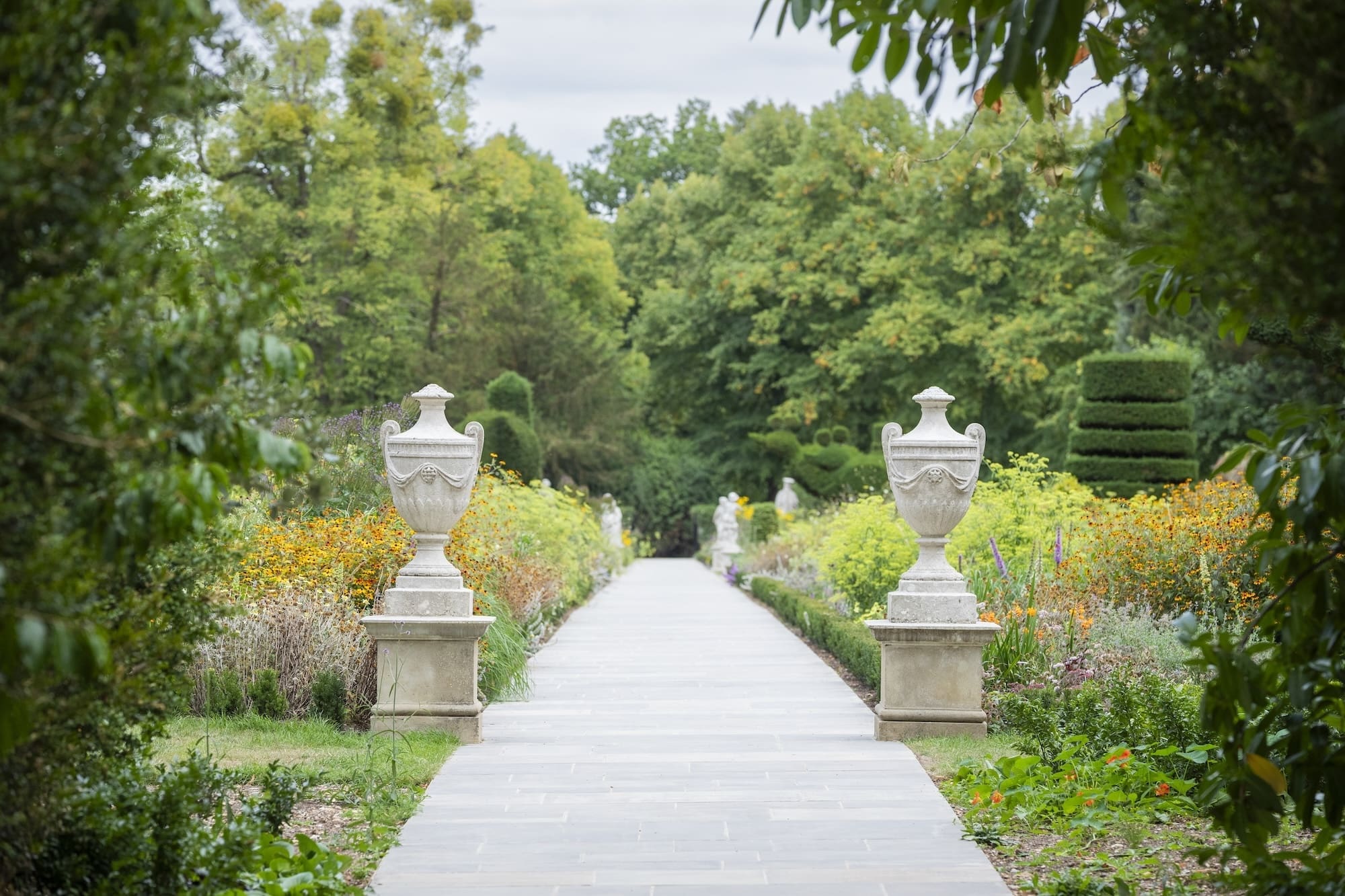
Recognising that the Trust’s gardeners were already moving in this direction, Das has provided the vision and guidance to unify and accelerate the work across the organisation. By sharing compelling examples and motivating teams, she is shaping the course of Slow Gardening while embedding its principles more widely. At Cliveden, the Long Garden has been reimagined with no-dig systems that protect soil and reduce water use. Vulnerable species such as box are being replaced with hardier, wildlife-friendly alternatives, while drought-tolerant trials at sites like Sheffield Park and Garden explore ways to adapt landscapes to a changing climate. Where appropriate, high-input bedding is giving way to long-lasting, resilient perennial planting.
Building on this momentum, Das is advancing forest gardening approaches, inspired by projects such as Arcadia at Shugborough, with layered, carbon-capturing systems. Yet her vision extends beyond planting design: she places strong emphasis on empowering gardeners, ensuring on-the-ground expertise shapes interpretation, informs decision-making, and underpins long-term stewardship.
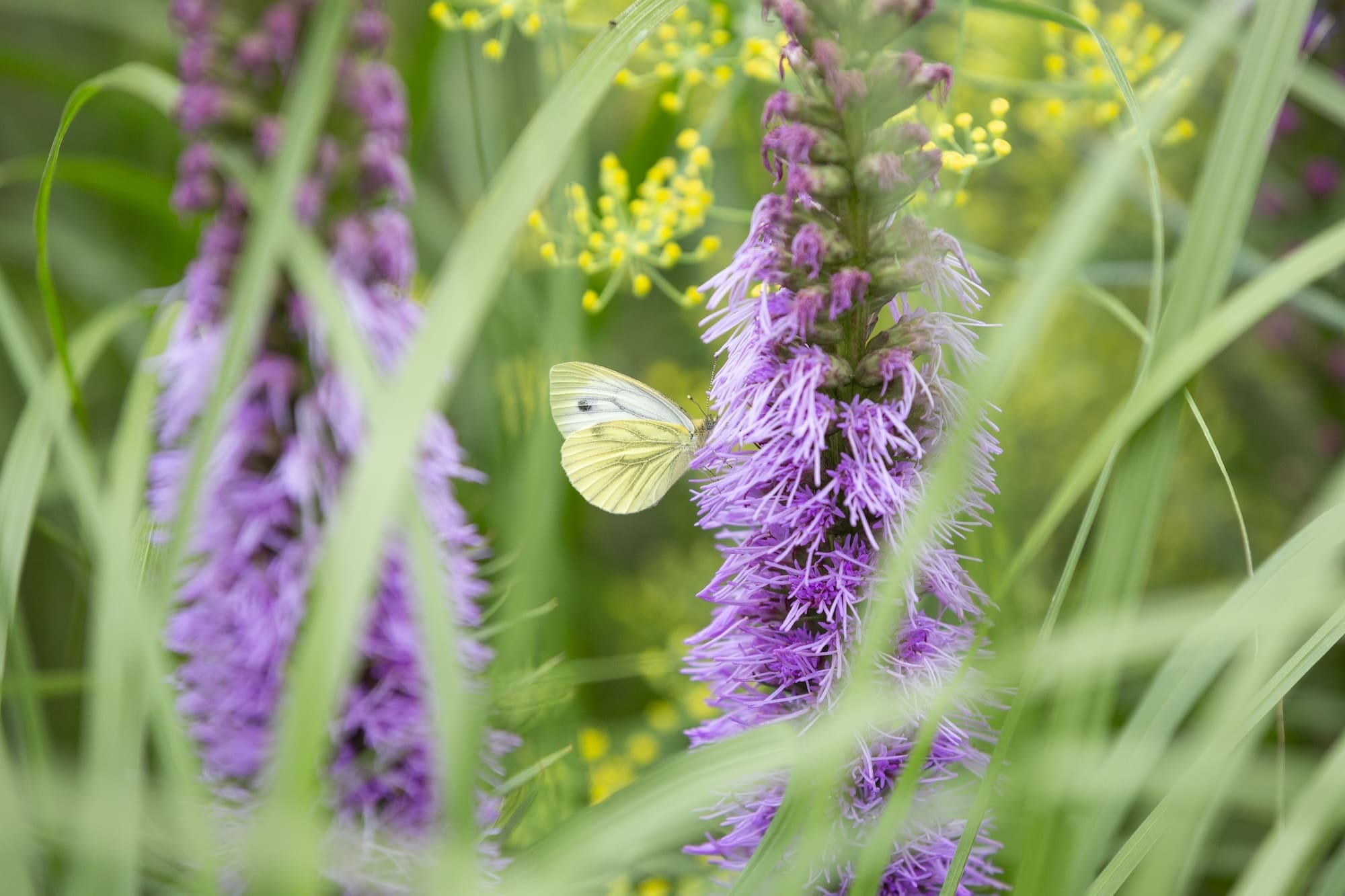

For Das, gardens are more than beautiful spaces – they are classrooms, safe havens, and catalysts for ecological thinking, inspiring gardeners, volunteers, and visitors alike. “Seasonal change keeps things interesting year-round,” Das explains. “By showing visitors our process, including small wins along the way, we inspire practices that extend into private gardens, collectively creating wildlife corridors across the UK.”
At the same time, Das remains deeply attentive to heritage. “We’re pinning our flag and saying the Trust’s style of gardening is ecological,” she says. “But that doesn’t mean ignoring history. Each place has its own spirit. We want to celebrate the magic of historic landscapes while looking to the future.”
Supporting such a vast portfolio with limited resources, especially in today’s challenging global financial climate, is a real challenge. The biggest hurdle is ensuring sufficient resources to meet these commitments. But explains Das, “In order to have a future, we have to change. Some will see that as a loss and others, such as myself, will see it as an amazing opportunity.”
“We are descendants caring for the past, but also ancestors creating the future. If we get this right, we leave something truly meaningful for generations to come,” she added.
All images © National Trust Image / James Dobson
Comments are closed.