
Credit: Getty Images
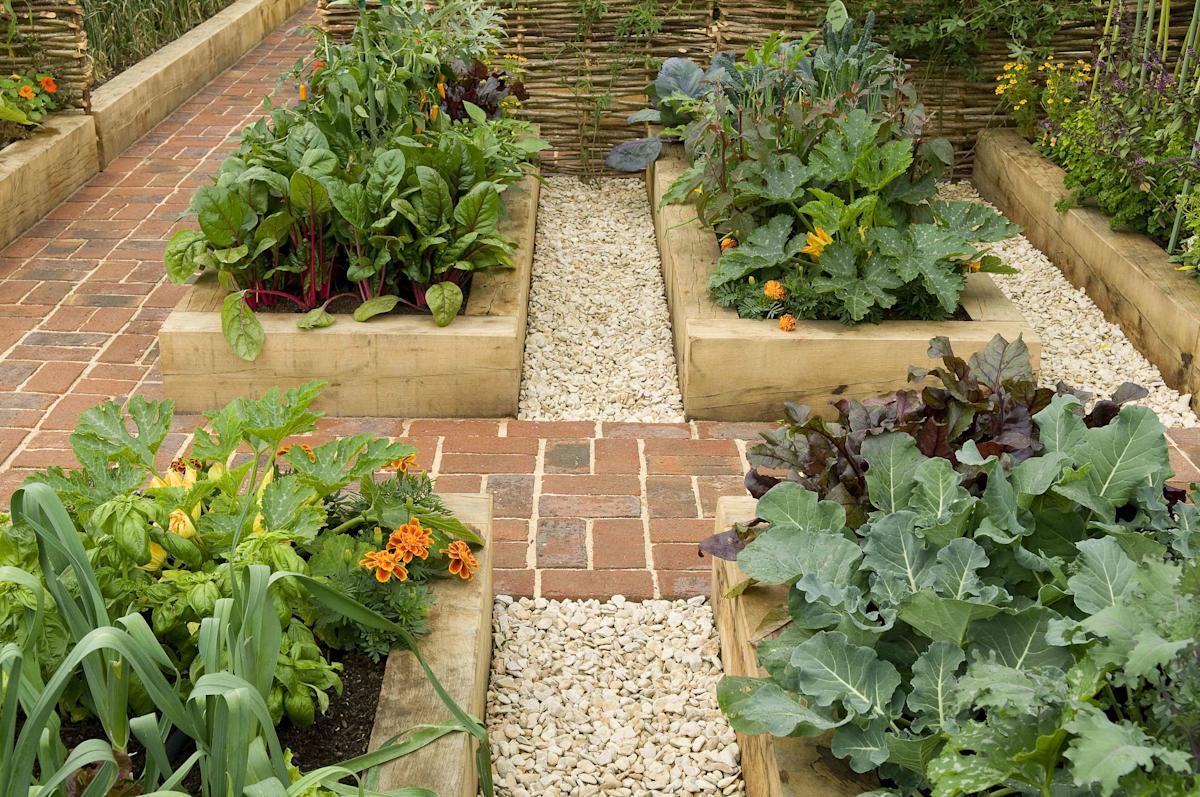
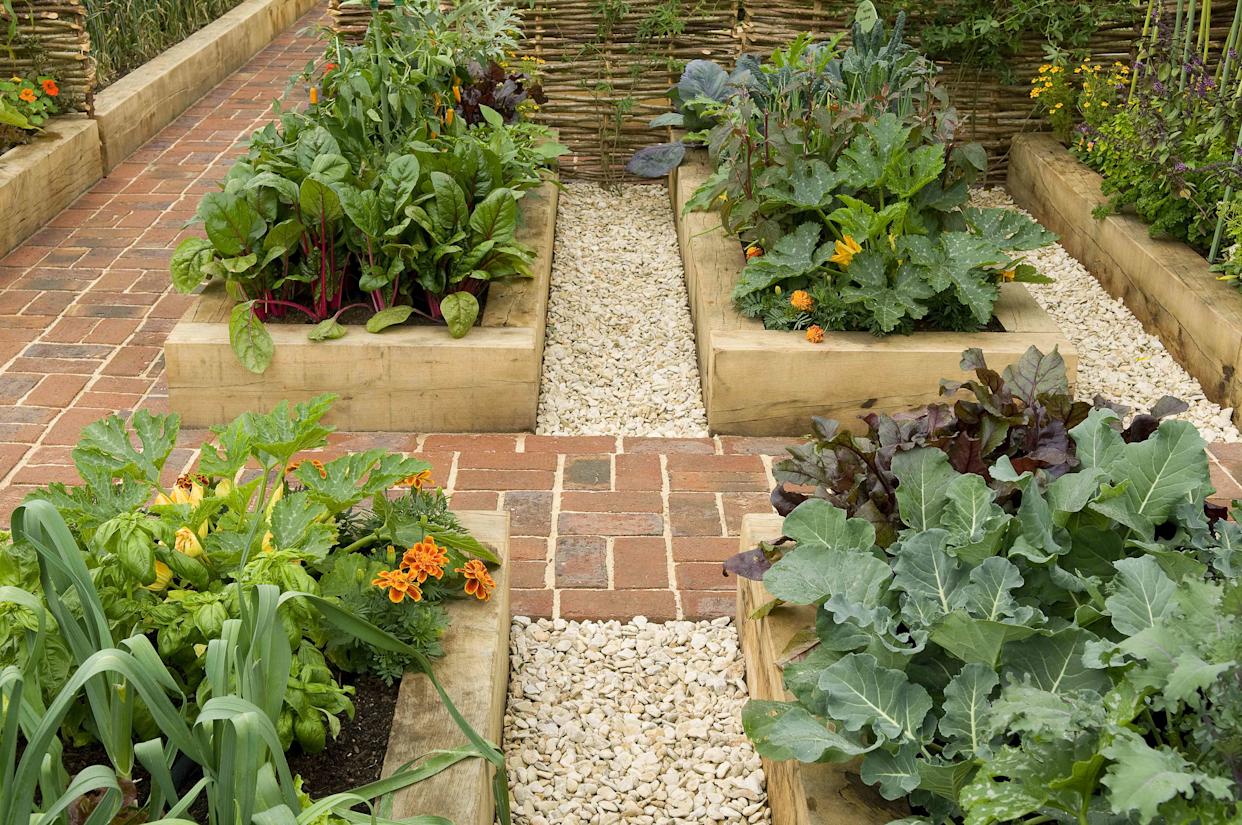
Raised beds provide a great way to garden, whether you are working with limited space or have plenty of room to spread out. Growing plants in a raised garden bed offers numerous benefits and can expand the variety of plants you are able to grow in a landscape. The soil of raised beds drains freely, providing a home for plants that are sensitive to poorly drained soils. You can create your own soil blend to accommodate the needs of a wide variety of plant species, from those that prefer dry rocky sites, to plants needing moist, fertile soils. By lifting plants up off the ground, raised beds provide easier access for those with limited mobility and make harvesting vegetables or cut flowers a breeze.
We’ve gathered some of the best plants to grow in raised garden beds, including vegetables, herbs, and flowers.
Vegetables To Plant Raised Garden Beds
Many delicious vegetable crops can be grown in raised beds, but some are better suited than others. Consider the overall size of mature plants, both above and below ground, when selecting plants for raised garden beds. Plants like winter squash and watermelon take up a great deal of space and are better suited to planting in the ground. Stay away from perennial crops, like asparagus and rhubarb, as most raised vegetable gardens are turned over seasonally. Instead, focus on compact growers like lettuce and spinach. Many root crops like carrots and beets also perform well in raised beds, where you can create a loose, sandy growing media to favor root development.
Carrots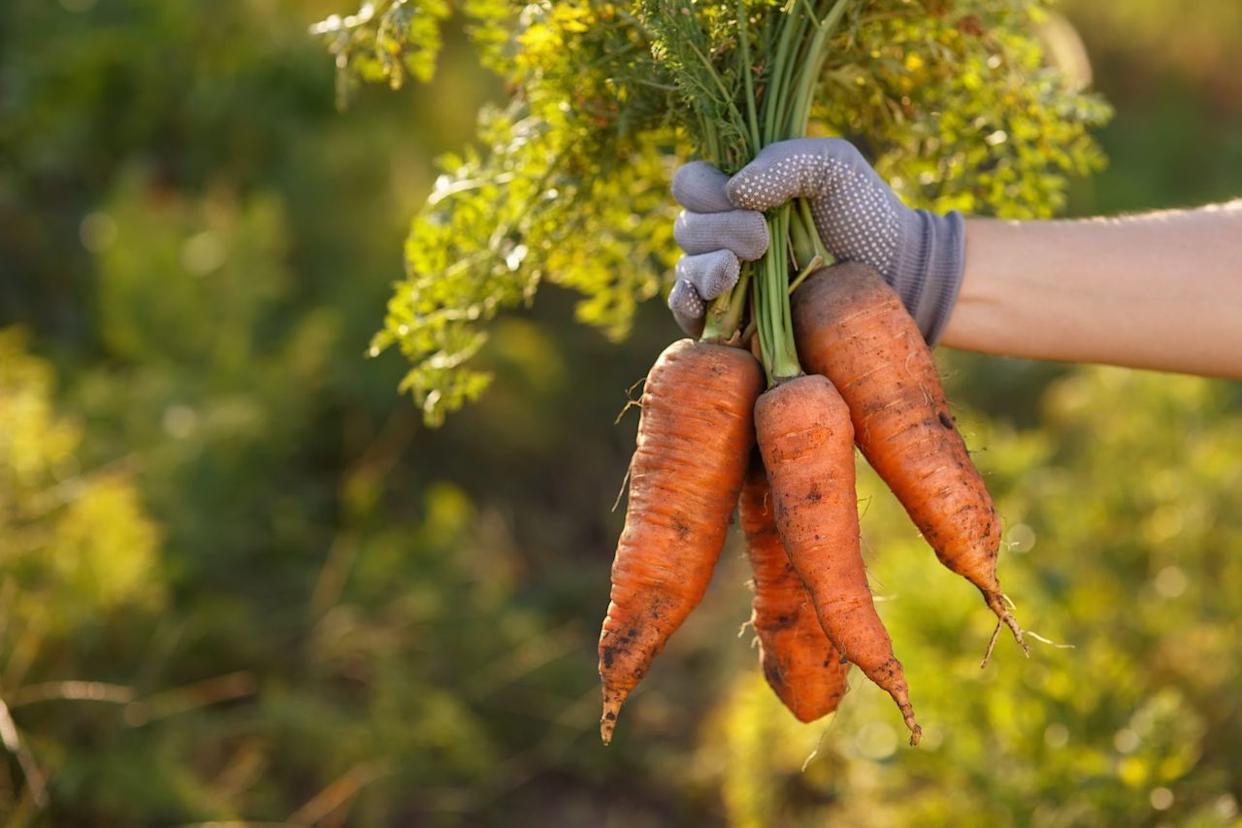
Credit: Alter_photo/Getty Images
Botanical Name: Daucus carota subsp. sativus
Soil Type: Medium, Well-draining, Rich
Soil pH: Slightly Acidic to Neutral (6.0-7.0)
Carrots are easy to grow if you have the right soil, which is often the most limiting factor to cultivating this tasty root crop. Carrots thrive in loose loamy or sandy soil, but not all of us have ideal conditions in the garden. This is why raised beds are so beneficial for carrots. They allow gardeners to create an appropriate soil blend to produce those long taproots, regardless of local soil conditions.
Radishes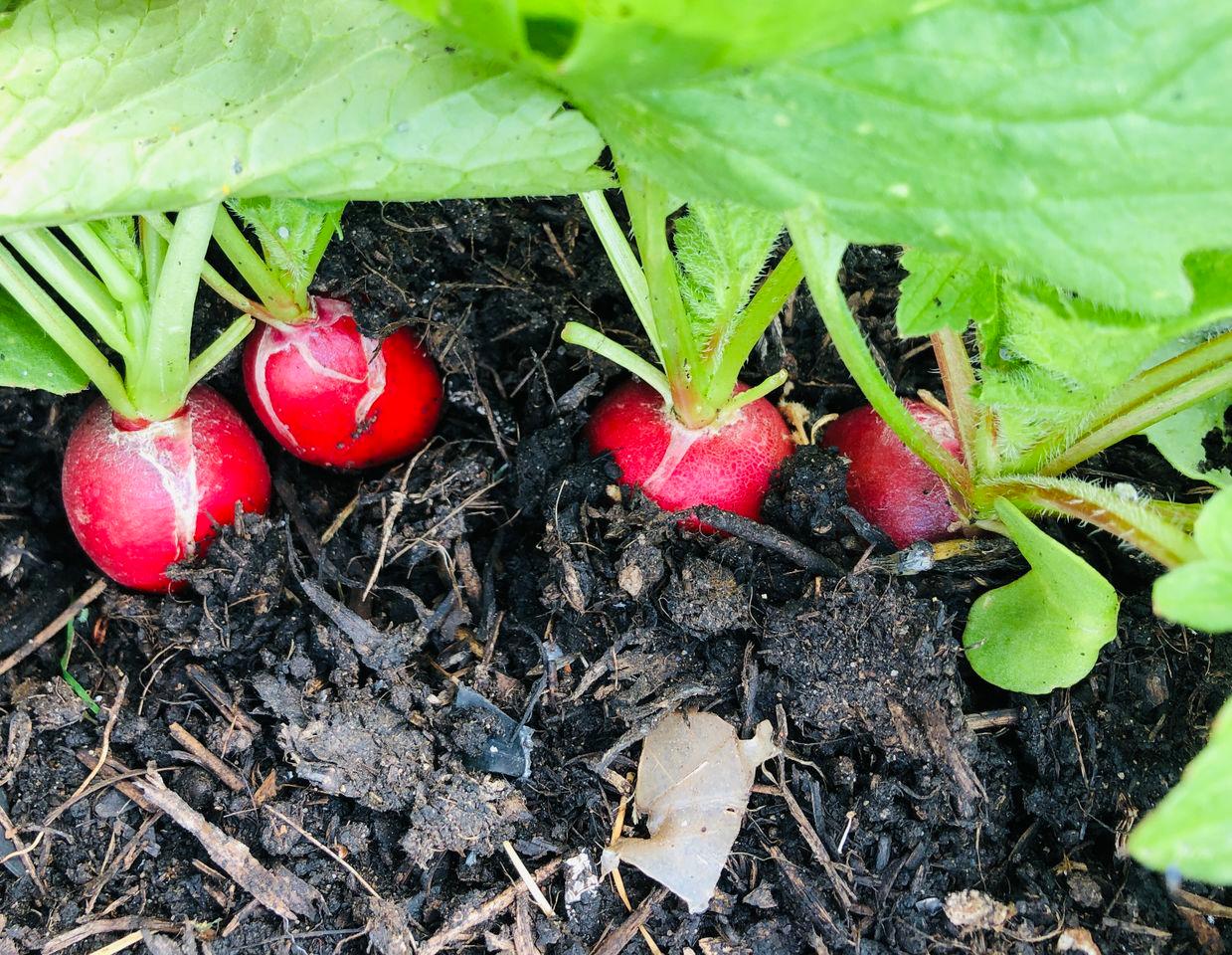
Credit: Getty Images
Botanical Name: Raphanus sativus var. radicula
Sun Exposure: Full Sun to Part Shade
Soil Type: Loose, Well-draining
Soil pH: Slightly Acidic to Neutral (6.0-7.0)
Radishes are a cool season crop planted in spring and fall. They produce harvestable roots in as little as three to four weeks, providing high yields in a small space. Many gardeners plant radishes in succession, sowing seeds seven to ten days apart. The quick maturity allows growers to follow radishes with summer crops, optimizing the amount of food you can produce in the limited space available in a raised bed.
Lettuce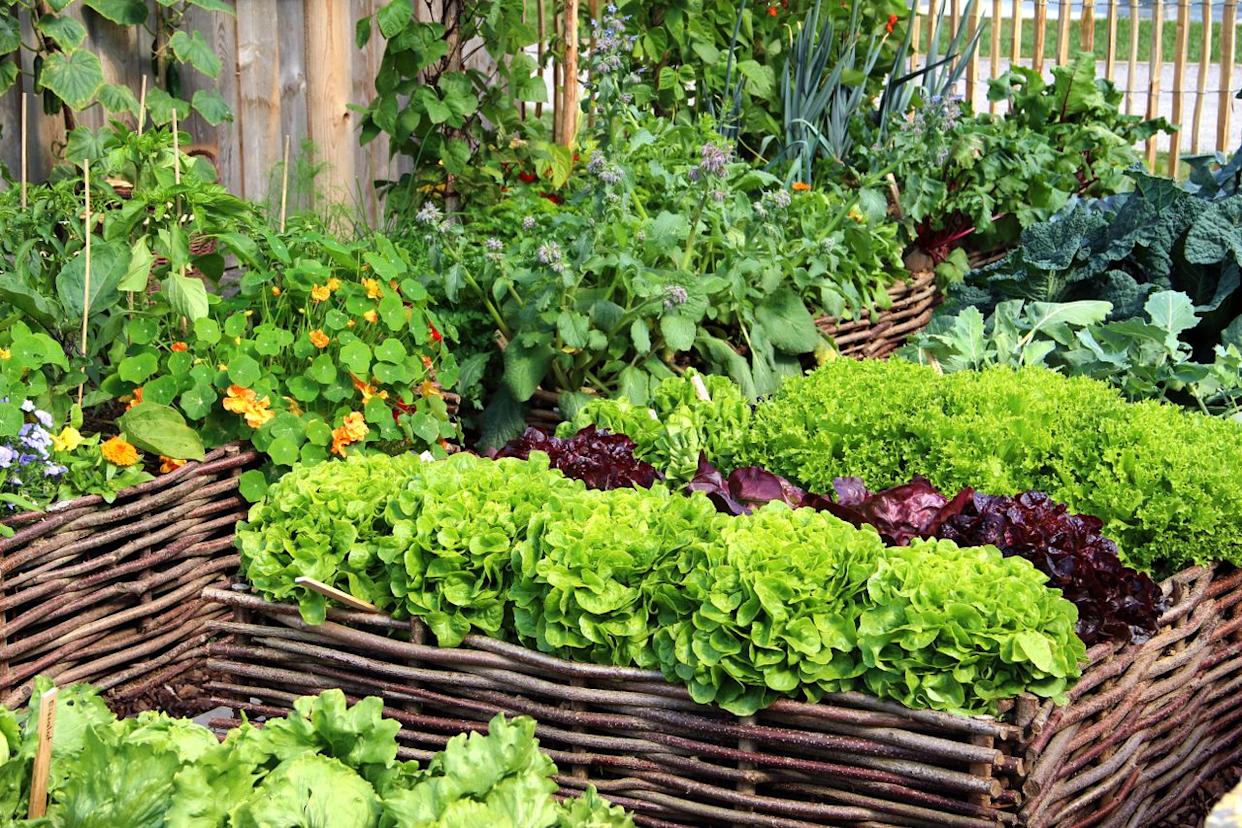
Credit: fotolinchen / Getty images
Botanical Name: Lactuca sativa
Sun Exposure: Full Sun to Part Shade
Soil Type: Well-draining, Rich
Soil pH: Slightly Acidic (6.0-6.5)
Lettuce is another cool season crop planted in spring and fall throughout the South. Both heading and non-heading or loose-leaf lettuces are available. Leaf lettuces are the easiest to grow and fit well into raised bed plantings, as they take up less space. Lettuces can be sensitive to heat as the days begin to warm. Tucking rows of leaf lettuce between taller crops in raised beds provides a bit of shade that helps cool the soil and air around lettuce. Also look for heat-resistant varieties.
Swiss Chard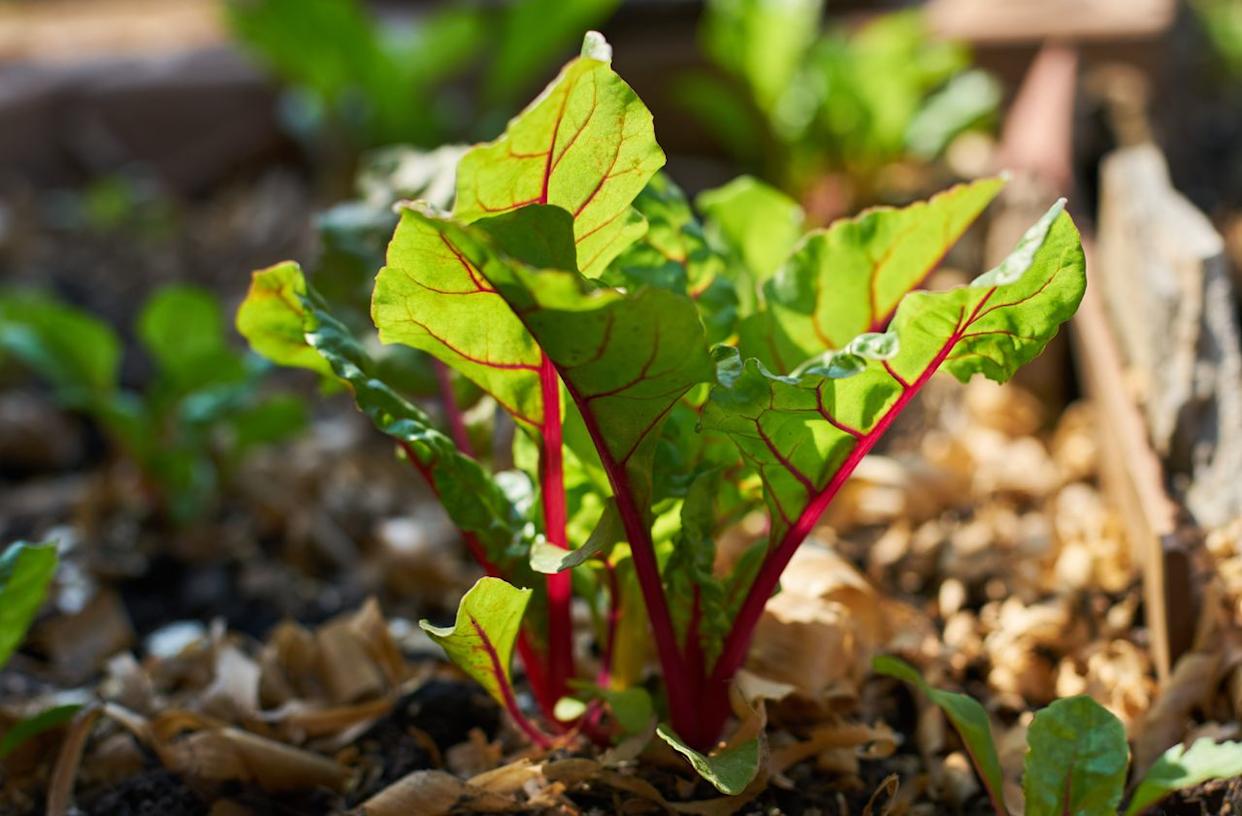
Credit: Getty Images
Botanical Name: Beta vulgaris
Sun Exposure: Full Sun to Part Shade
Soil Type: Well-draining, Rich
Soil pH: Slightly Acidic (6.0-6.8)
Swiss chard is a beautiful crop that adds a pop of color to raised garden beds. The colorful foliage and stems combine beautifully with flowers, herbs, and edibles. Chard is a cut-and-come-again crop that can be harvested multiple times throughout the growing season, which helps make the most of limited space in raised beds. Simply harvest the large outer leaves, leaving the growing crown at the center of the plant to continue to grow and produce new leaves for later harvests. Chard leaves tend to taste bitter in the heat of summer. Refresh plants in fall by harvesting and discarding the outer leaves to initiate new growth.
Onion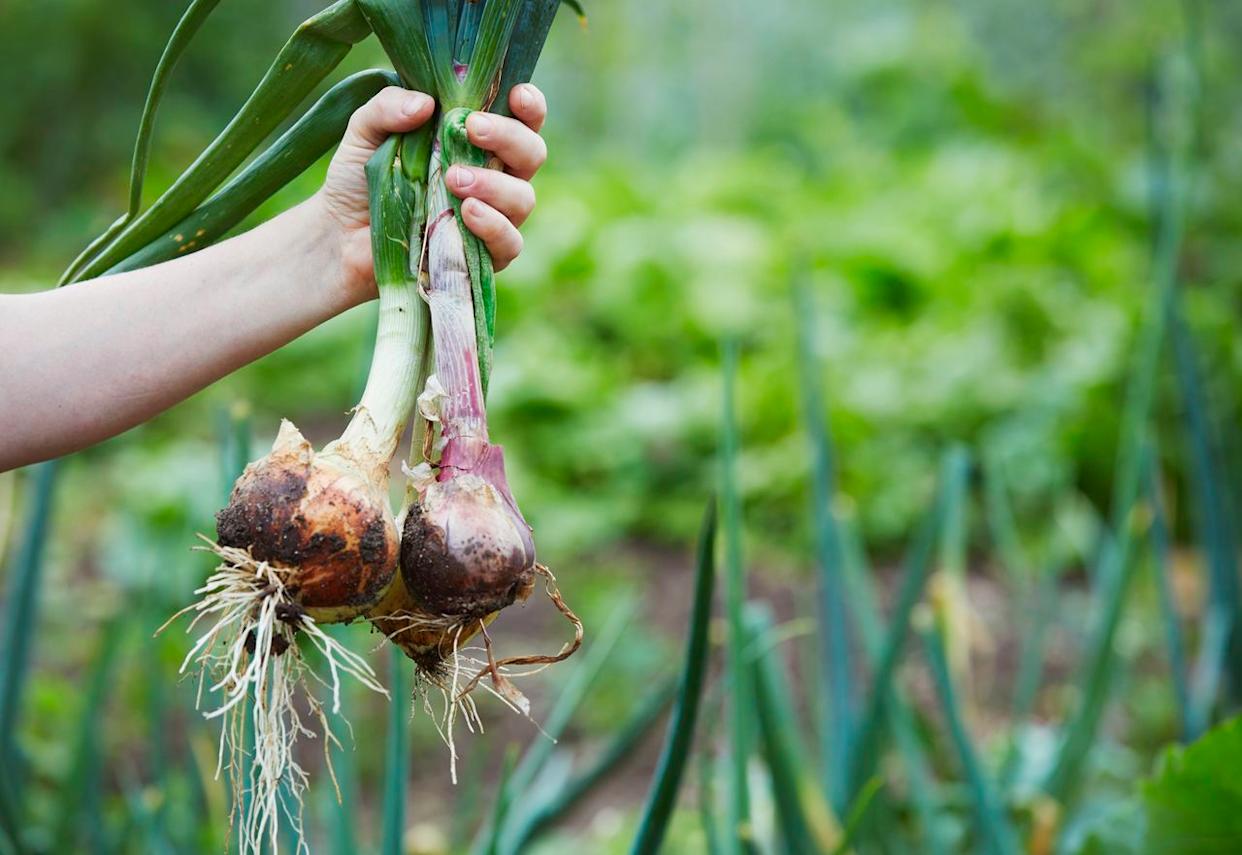
Credit: Getty Images
Botanical Name: Allium spp.
Soil Type: Dry to Medium, Well-draining, Average Fertility
Soil pH: Slightly Acidic to Neutral (6.0-7.0)
Many different types of onions can be grown in raised beds including green onions, chives, and bulb types. From a space-saving standpoint, green onions work very well. They are sown close together and harvested when they are just the diameter of a pencil. This allows plants to be tucked into even the tightest spaces. Chives are also highly productive in a small amount of space, but they are a perennial crop, so plan accordingly.
Pole Beans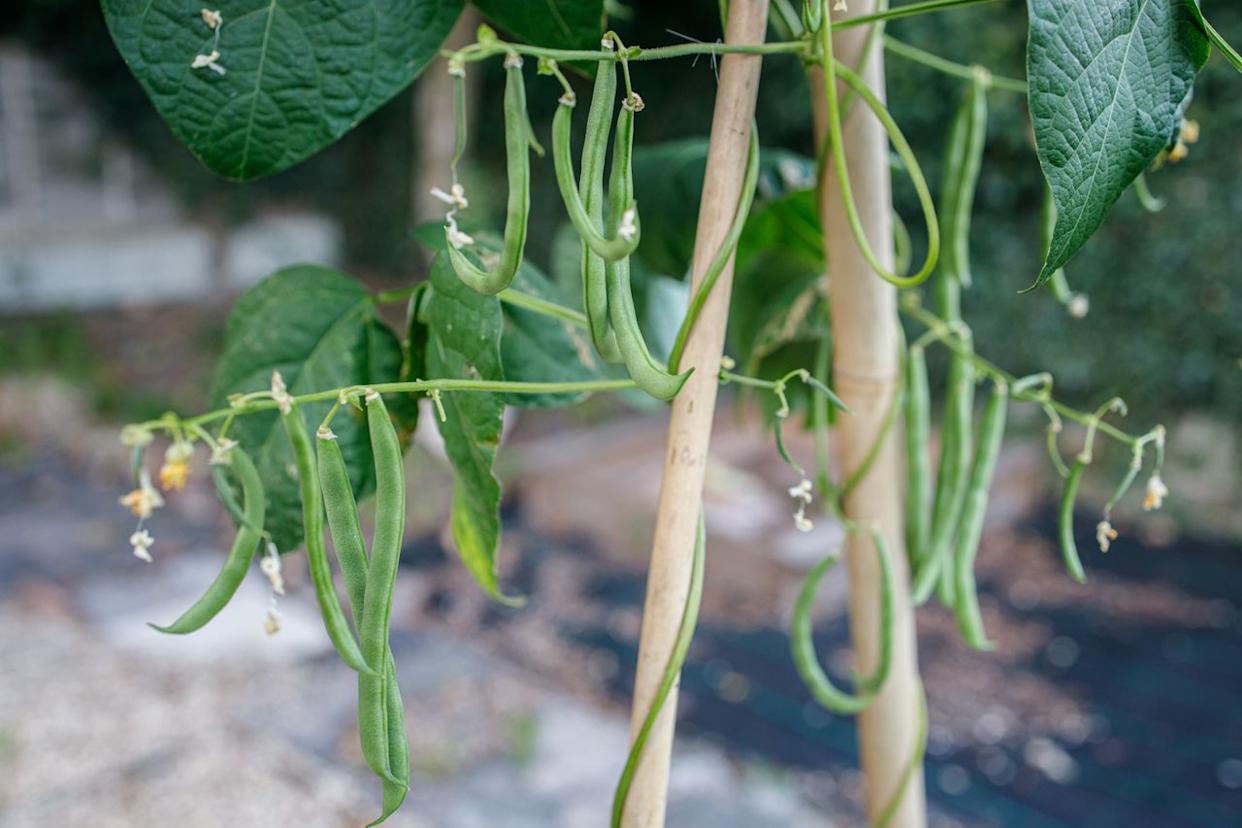
Credit: Getty Images
Botanical Name: Phaseolus vulgaris
Soil Type: Medium to Moist, Well-draining, Rich
Soil pH: Acidic to Neutral (5.5-7.0)
Beans and other legumes like peas are great additions to the garden, as they fix nitrogen in the soil, making it available to nearby plants. Pole beans work well in raised beds because they take up little ground space, however a trellis is needed to support their vining growth. Beans require warm soil to germinate and are sown in late spring after the threat of frost has passed.
Herbs For Raised Garden Beds
Many of our favorite garden herbs are native to the Mediterranean region where they grow on dry rocky hillsides. These plants require well-draining soil to thrive, which is why they work so well in raised garden beds. You will want a dedicated raised bed for these plants, as they are perennial plants and have different soil needs than other crops. Position the bed in an area that receives lots of sunshine and mix a well-draining rocky or gritty soil blend by combining equal parts potting soil and coarse sand or fine gravel. Mediterranean herbs are heat and drought tolerant once established.
Garden Sage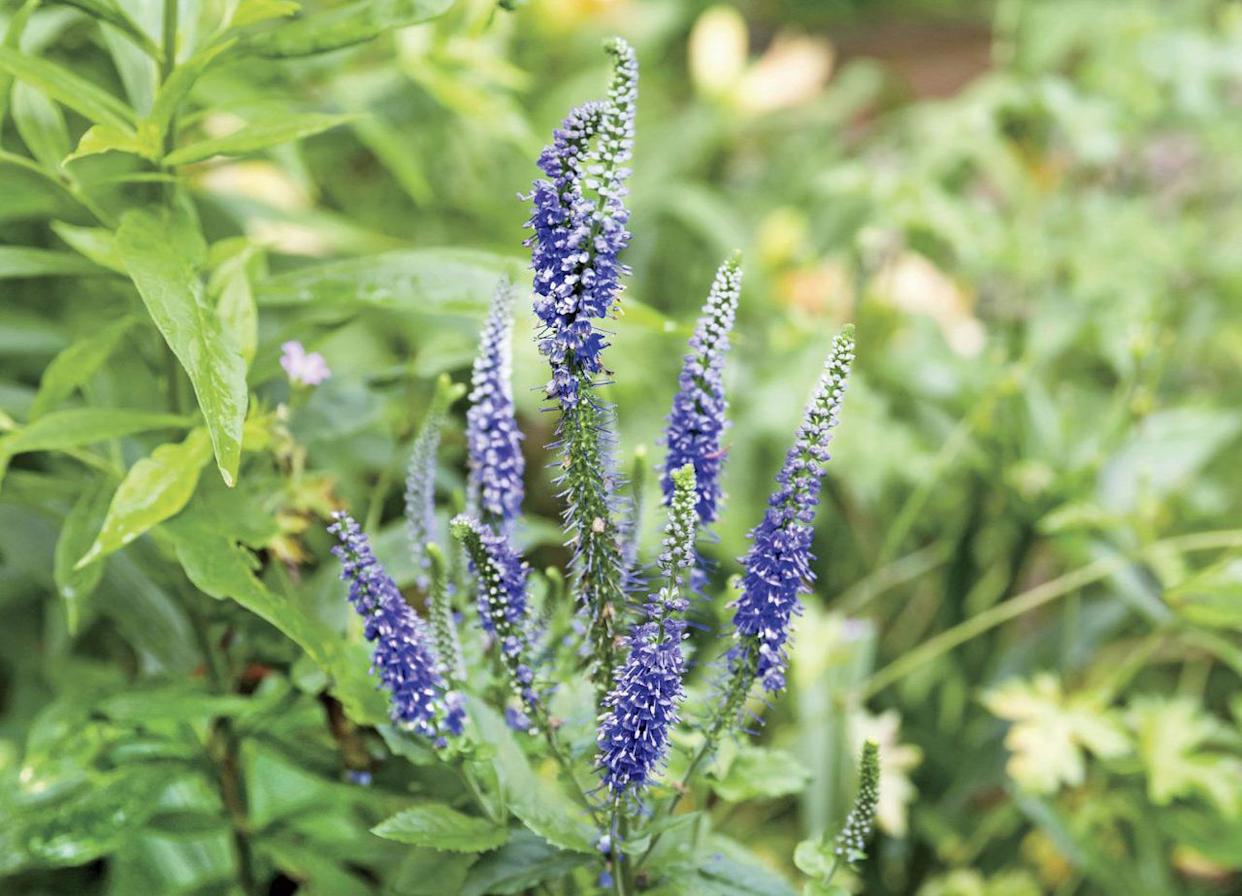
Credit: Robbie Caponetto
Botanical Name: Salvia officinalis
Soil Type: Dry to Medium, Well-draining, Average Fertility
Soil pH: Acidic to Slightly Alkaline (5.6-7.8)
USDA Hardiness Zones: 4 to 10
Many Mediterranean herbs produce gorgeous foliage and sage is no exception. Some varieties sport silver-green leaves while others produce vibrant multi-hued foliage in purple, creamy white, and gray-green hues. Sage benefits from trimming in spring and summer to limit woody growth and promote young, tender new shoots. Remove six to eight inches, or up to one-half the total height of the plant. Harvest leaves as needed throughout the growing season.
Thyme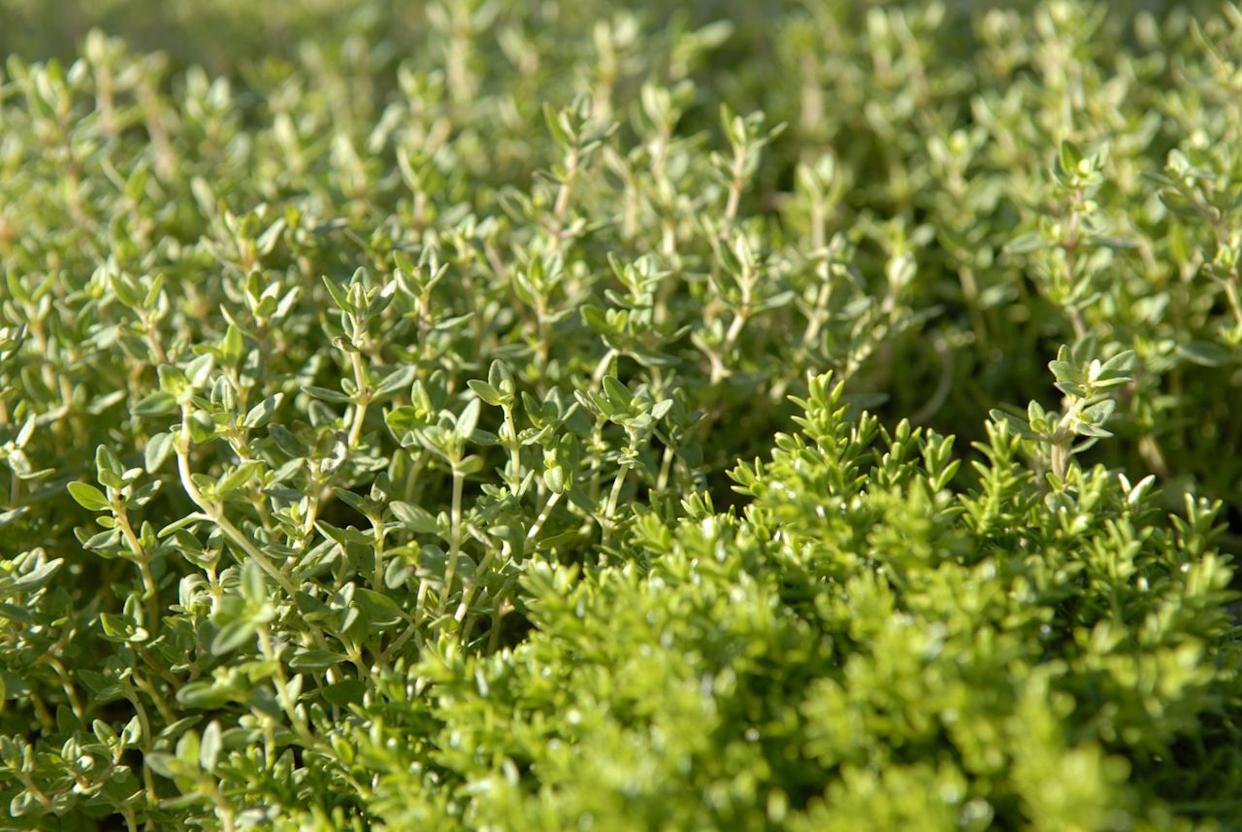
Credit: gaiamoments/Getty Images
Botanical Name: Thymus vulgaris
Soil Type: Dry to Medium, Well-draining, Low to Average Fertility
Soil pH: Acidic (5.8-6.8)
USDA Hardiness Zones: 5 to 9
Thyme makes a gorgeous groundcover in raised planting beds, with tiny gray-green leaves and spring blooms that attract butterflies and pollinators . Thyme foliage remains evergreen throughout much of the South where winters are mild. Cut back plants that overwintered in the garden, trimming them to about six inches in early spring. You can also trim plants anytime they appear leggy to keep them more compact, reduce woody growth, and encourage a flush of tender young stems.
Rosemary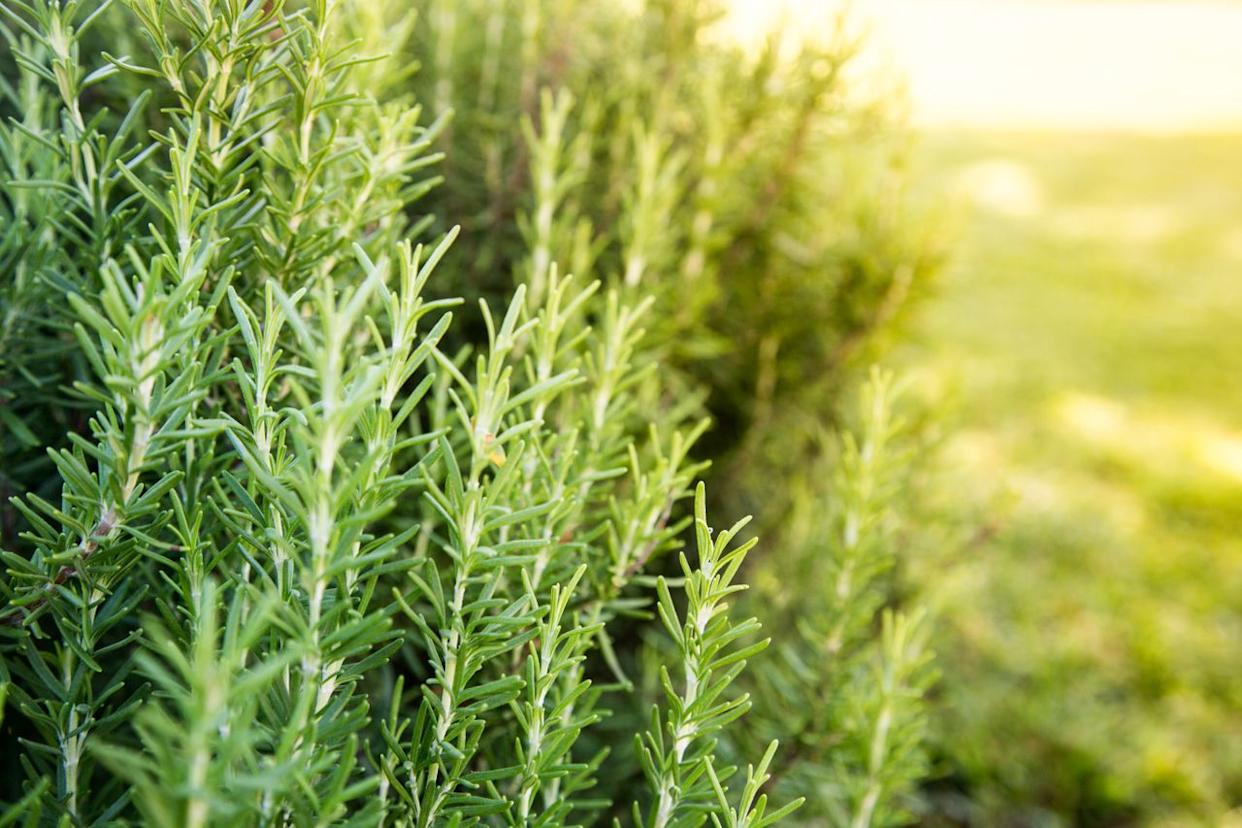
Credit: Getty Images
Botanical Name: Salvia rosmarinus
Soil Type: Dry to Medium, Well-draining, Low to Average Fertility
Soil pH: Acidic (5.8-6.8)
USDA Hardiness Zones: 8 to 10
With slender, needle-like foliage and erect woody stems, rosemary adds interesting texture and structure to herb plantings. Several varieties are available with growth habits ranging from mounding to upright to sprawling. Rosemary can also be pruned as a topiary, allowing for many unique shapes to accent the herb garden. Plants produce lovely blue flowers (or white in some varieties) that attract pollinators and other beneficial insects.
Oregano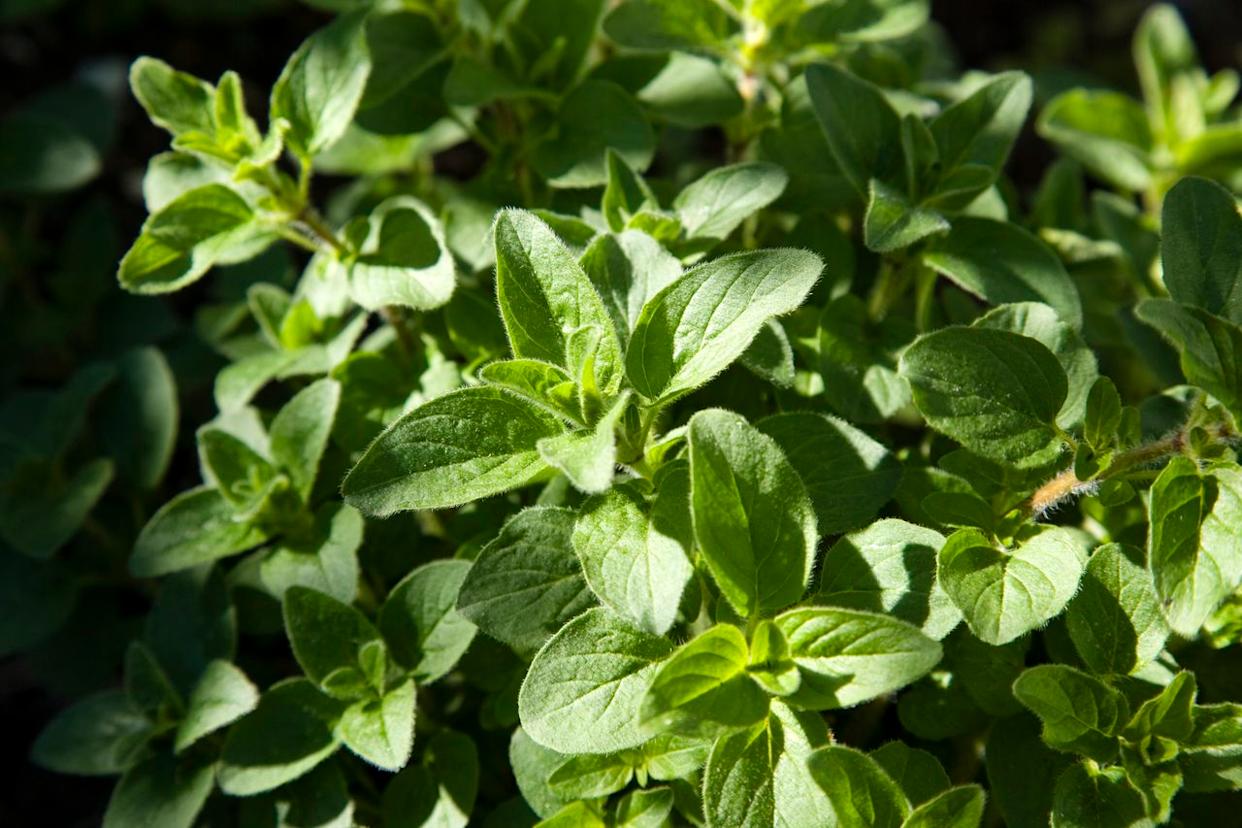
Credit: Getty Images
Botanical Name: Origanum vulgare
Soil Type: Dry to Medium, Well-draining, Average Fertility
Soil pH: Slightly Acidic to Neutral (6.5-7.0)
USDA Hardiness Zones: 4 to 8
Plant oregano along the garden border where it will carpet the ground and spill over the edges of the raised bed. The tiny leaves are used to flavor Greek and Italian dishes and to add depth and complexity to tomato sauces. The distinctive flavor of oregano grows more pronounced the hotter and drier its growing conditions and is typically best just prior to flowering. Keep plants in this ideal growth stage by cutting them back regularly before flowering. Oregano retains its flavor very well when dried and can be harvested anytime for fresh use.
Lavender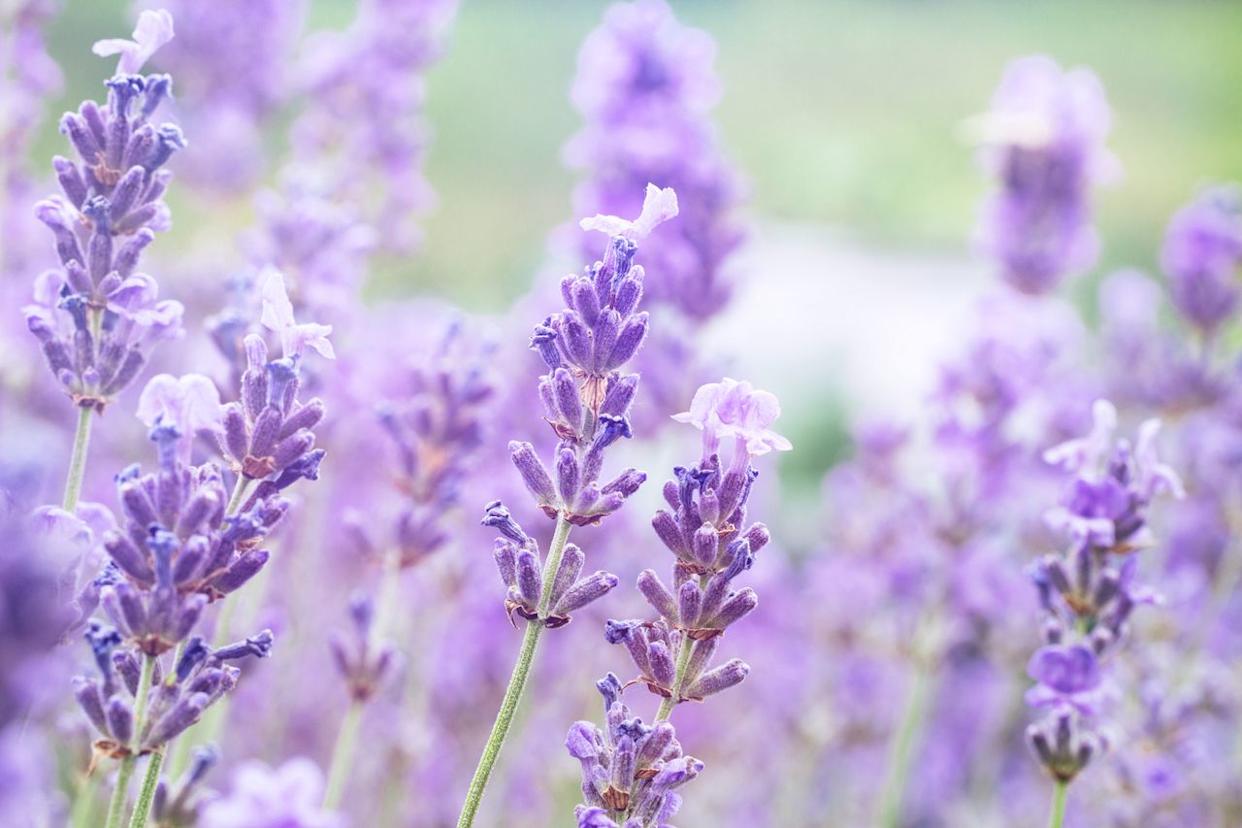
Credit: Mariia Demchenko/Getty Images
Botanical Name: Lavendula spp.
Soil Type: Dry to Medium, Well-draining, Average Fertility
Soil pH: Neutral to Slightly Alkaline (6.7-7.3)
USDA Hardiness Zones: 5 to 9
Lavender is a beloved Mediterranean herb not only for its fragrant silvery foliage, but also the beautiful purple blooms that are always buzzing with bees. The aromatic foliage and flowers are used in everything from sachets and potpourris to tea and cookies. The long-lasting flowers are also great for cutting in fresh or dried arrangements. Lavenders are prone to root rot in poorly drained soils, which is why raised beds are the perfect place to plant the fragrant beauties.
Gorgeous Flowering Plants For Raised Beds
Whether you intend to intermingle flowers among your herbs and vegetables or plant a stand-alone flower garden, raised beds work well for a number of flowering plants. Many flowers provide benefits to nearby crops, such as attracting pollinators or protecting plants from pests. The flowers here are all annuals, meaning you can change them out from year to year and work them in among crop plantings.
Zinnia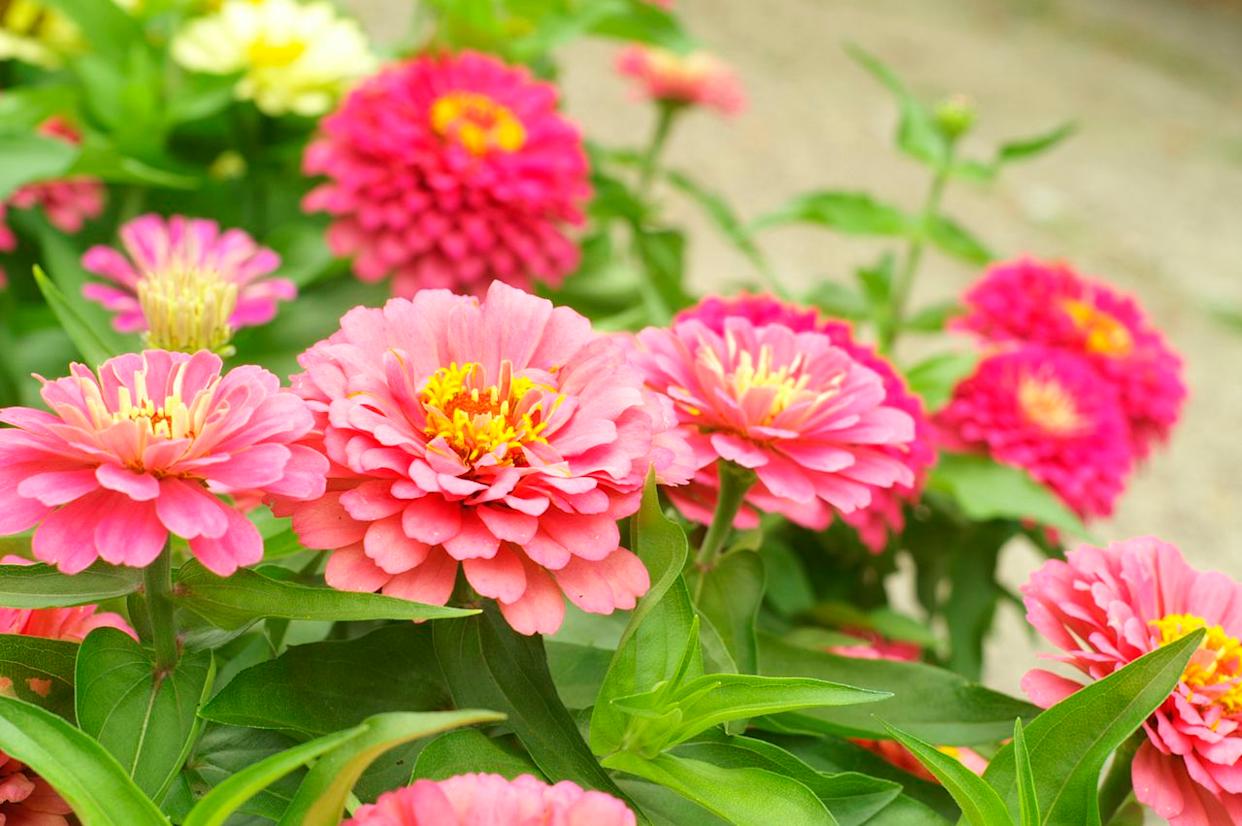
Credit: Getty Images
Botanical Name: Zinnia elegans
Soil Type: Consistently Moist, Well-draining, Rich
Soil pH: Acidic to Neutral (5.5-7.5)
This garden favorite never fails to delight with vibrant, long-lasting blooms that attract an abundance of butterflies, hummingbirds, bees, and other pollinators to the garden. Plant them among edibles to boost pollination and promote natural pest control. Flowers bloom in cheerful yellow, orange, pink, purple, and red hues for unrivaled color. They make wonderful cut flowers.
Nasturtium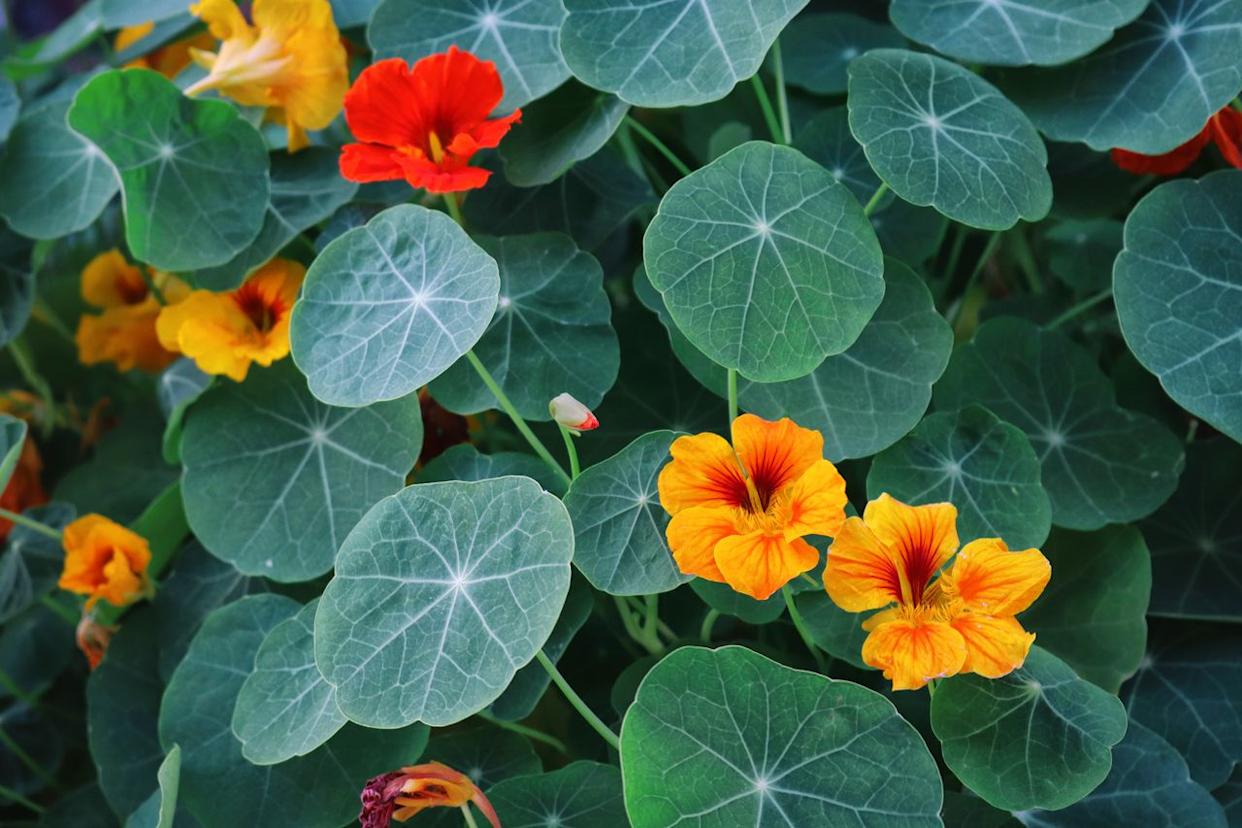
Credit: Katrin Ray Shumakov/Getty Images
Botanical Name: Tropaeolum majus
Soil Type: Moist, well-drained
Soil pH: Slightly Acidic to Neutral (6.1-7.8)
Nasturtiums have long been grown as a companion plant in the vegetable garden where they are used to manage aphids, cabbage loopers, whiteflies, and other pests. Nasturtiums flowers also attract beneficial insects, including pollinators. All parts of the plant are edible. The leaves and flowers are commonly added to salads for their peppery bite. Nasturtiums have a somewhat trailing habit that looks lovely spilling over the edge of raised planting beds.
Calendula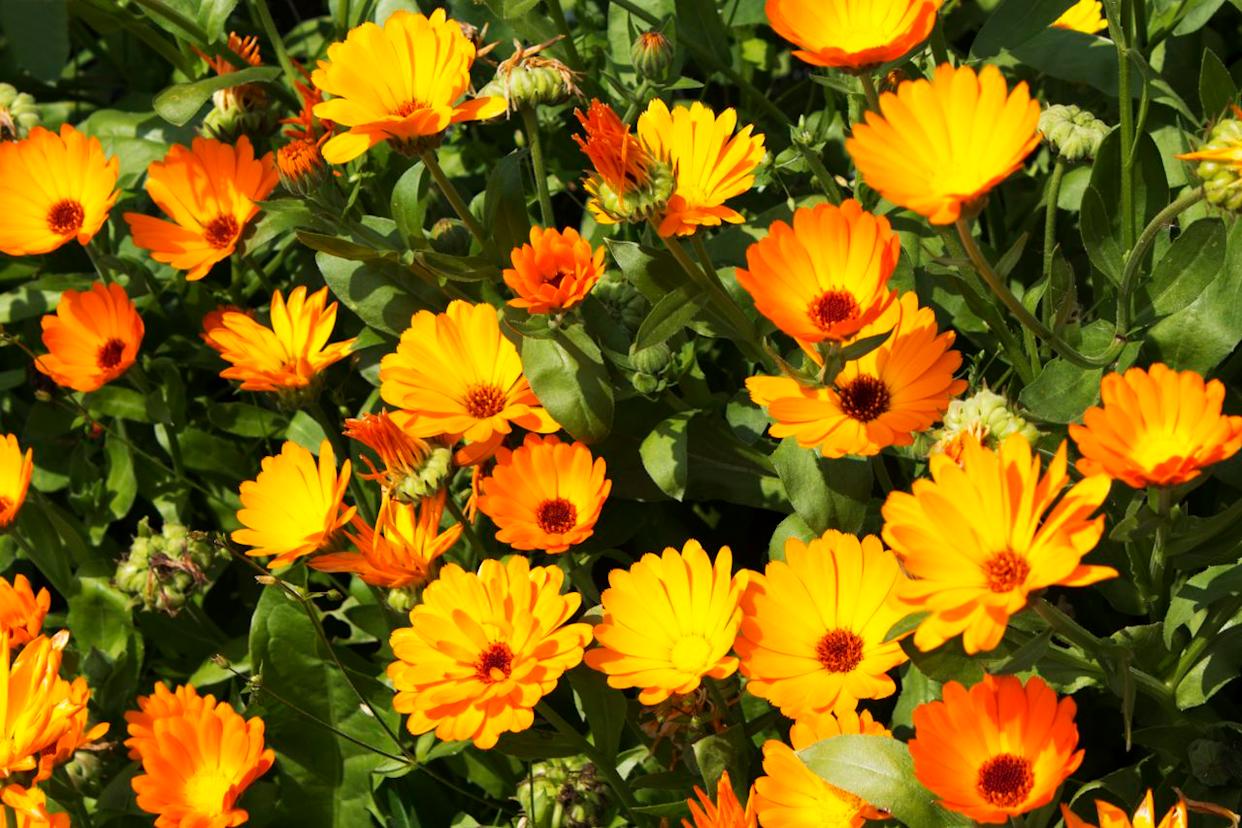
Credit: Getty Images
Botanical Name: Calendula officinalis
Soil Type: Medium Moisture, Well-draining, Rich
Soil pH: Slightly Acidic to Neutral (6.0-7.0)
Calendula or pot marigold is grown as a cool-season annual in Southern gardens. Plants produce sunny yellow and orange blooms that attract pollinators and other beneficial insects to the garden. The flowers themselves are edible, with a bitter pepper flavor, and make good cut flowers. Calendula makes a great companion plant for carrots, potatoes, and cole crops (broccoli, cabbage, etc.) in the spring or fall garden.
Bachelor’s Button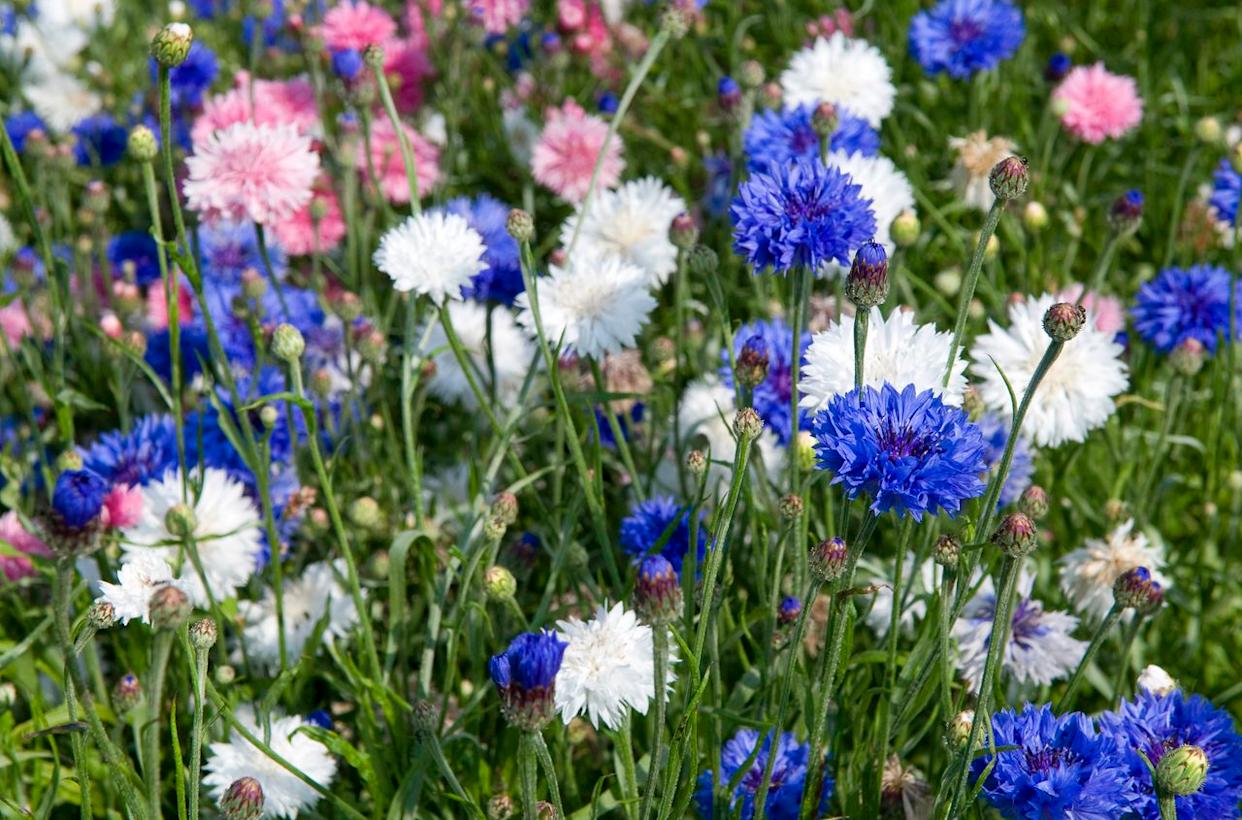
Credit: Getty Images / David Burton
Botanical Name: Centaurea cyanus
Soil Type: Average Moisture, Well-Draining
Soil pH: Mildly Acidic to Alkaline (6.0-8.0)
Long planted in cottage gardens among vegetables and herbs, bachelor’s buttons (a.k.a. cornflower) have a long history as companion plants. The small true-blue flowers are highly attractive to beneficial insects that provide natural pest control in the garden including parasitoids wasps, flower (hover) flies, ladybeetles, and lacewings. The flowers are also cut for bouquets and boutonnieres – a use that gave the plant its common name bachelor’s buttons.
Related: 6 Vegetables That Are Easy To Grow In Containers
Read the original article on Southern Living
Comments are closed.