
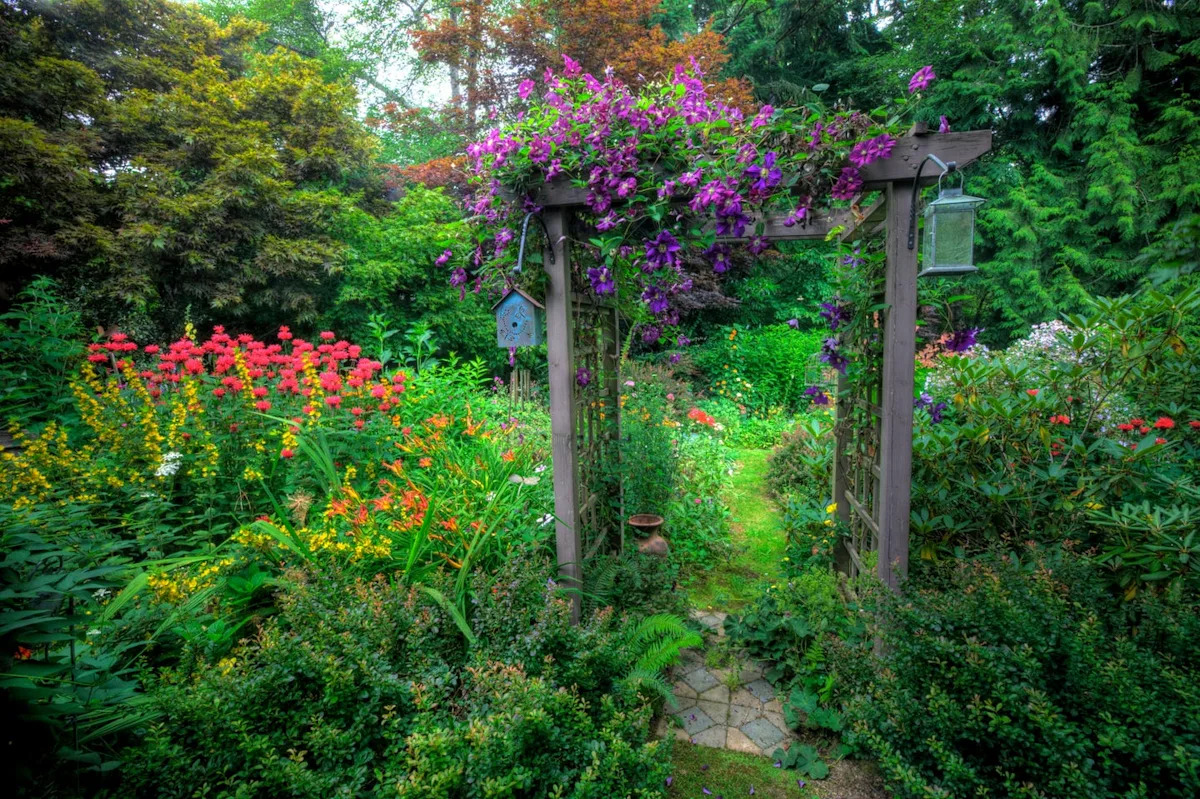
Like home trends, garden trends evolve over time. And like many of today’s home trends, modern garden trends are taking inspiration from the past. The most recent example, according to experts, is the garden arbor comeback. This charming design element is popping up in outdoor spaces yet again, bringing a storybook feel to modern yards.
Garden arbors are wooden structures usually positioned near the entrance of a garden. They add a little bit of fairy-tale whimsy to a garden and create a welcoming focal point, especially when everything is in full bloom. But beyond their aesthetic appeal, they also serve a practical purpose for climbing or vining plants, giving wisteria or certain rose shrubs a sturdy structure to grow on. This allows them to thrive and grow even more impressive blooms.
We tapped gardening pros to explain why these structures are trending again and how you can incorporate them into your garden. Gardening experts shared helpful tips about the types of plants that work well with a garden arbor, the things you’ll want to keep in mind before you start building your own, and how you can make sure it matches the architectural style of your home. If you want to add a finishing touch to your garden, keep reading.
What Is a Garden Arbor?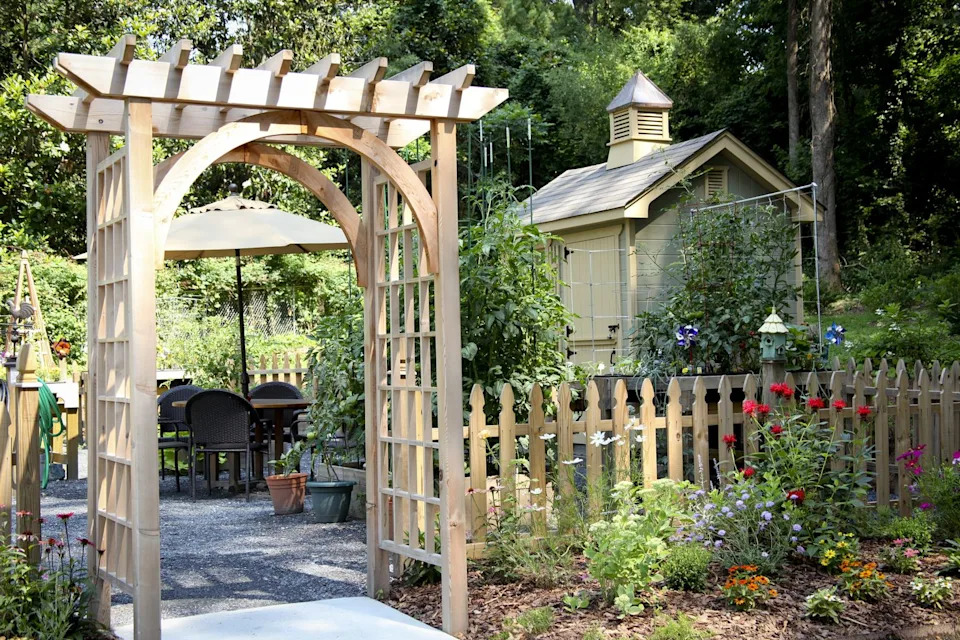
LisaIson – Getty Images
If you’ve never heard of a garden arbor before, think of it as a structural entryway made with two or four posts and a slatted roof.
“We often use them as entrances to gardens, designing small arbors or trellises to serve as symbolic gateways. They also provide a beautiful framework for climbing roses, vines, and other plants—and they’re perfect for hanging lights to add a touch of charm and ambience,” says Joe Richardson of Richardson & Associates.
The Trend, Explained
Arbors have always been a common garden feature, but there are a couple major reasons they’re gaining popularity again. For one, the integration of indoor and outdoor living is more apparent than ever post-pandemic.
“There is great demand and value associated with open space. We see an increasing demand for outdoor living and entertaining space in the form of al fresco dining, covered cabanas, and outdoor kitchens. People want to be outdoors. With thoughtful design, these spaces can be functional, protected, and well-connected with the home,” says Ryan McDaniel, partner and director of design of Brandon Architects.
Carol Yepes – Getty Images
Not only do homeowners crave a connected outdoor space, they want it to match the vibe of their interior design style. Nowadays, with the rising popularity of “cozy” design trends—think café core and the Nancy Meyers aesthetic—garden arbors fit the bill.
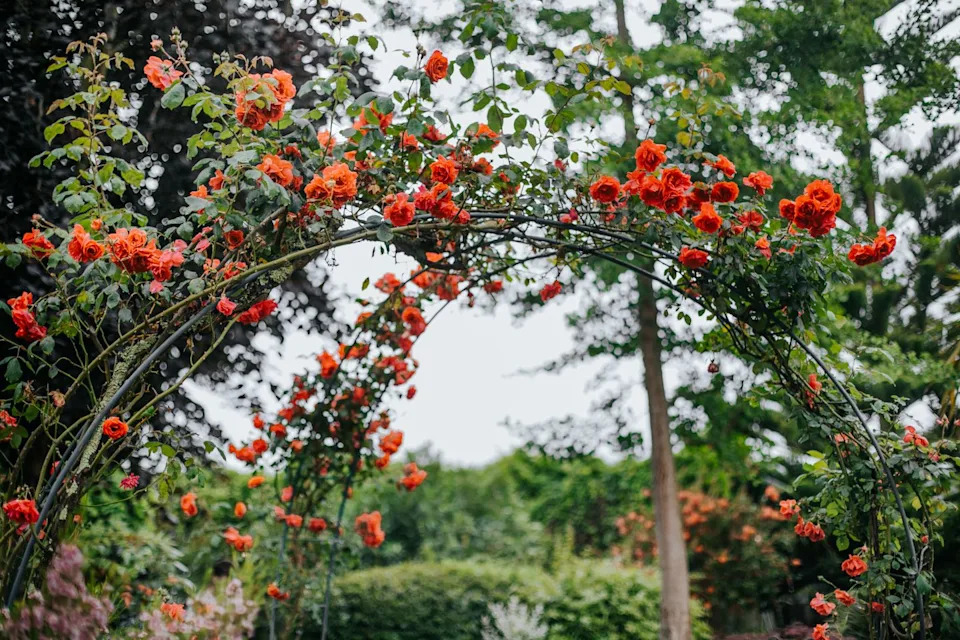
Successful looks are covered in beautiful vines and roses, adding to the natural ambience of the garden while simultaneously offering a comfortable, sheltered area. You can even string a few lights for added charm. “Cozy and naturalistic cottage gardens are currently trending and the charm of garden arbors ties into that trend,” says Patricia Benner of Benner Reibel Landscape Architects.
Tips for Installing a Garden Arbor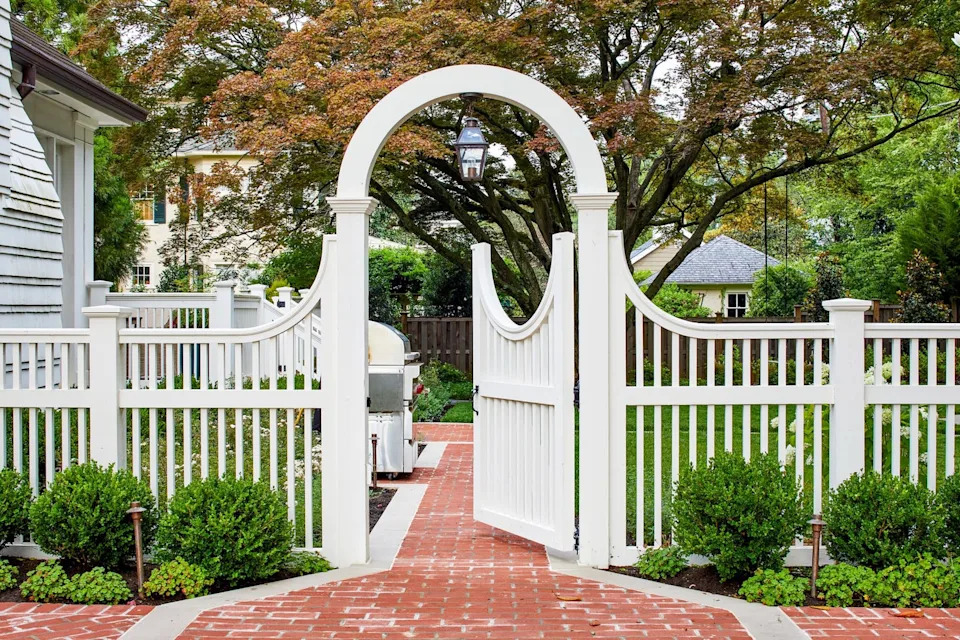
If you want to get in on this vintage garden trend, consider these pro tips before choosing your design.
✔️ Consider what to grow: “Different plants have different climbing habits—some use tendrils to grip, others twine around supports, and some may need to be tied or trained. Understanding how your chosen plant anchors itself will directly influence the arbor’s structure,” says Richardson.
✔️ Select the proper structure: Once you decide what you want to plant, evaluate what structure will work best. “Heavy or woody vines like wisteria require a much sturdier frame than lighter climbers like clematis. The spacing of slats, the height of the arbor, and the materials used should all be tailored to support the growth pattern, weight, and long-term needs of the plant. Ultimately, the plant and the arbor work together—each one shaping the success and visual impact of the other,” says Richardson.
✔️ Embrace your home’s architectural style: “The design should be reflective of the garden ecology and complement the architecture of the home,” says McDaniel. Choose colors and materials for your arbor that match your home’s exterior for a cohesive look.
You Might Also Like
Comments are closed.