
Credit: Bill Oxford / Getty Images
During spring, we lay the foundations of our gardens to come by prepping the soil, planting seeds, and tending to other important tasks. But while gardening is a relatively forgiving process that can be adjusted over time, there are certain spring gardening do’s and don’ts that may dramatically alter the health of your plants and your garden for the entire growing season.
Whether you’re growing flowers, trees, herbs, shrubs, or vegetables, here are 11 common gardening mistakes to watch out for if you want your garden to thrive.
1. Working on Soggy Ground
Rain is usually abundant in spring, so it’s difficult to avoid working in a bit of mud. But if you walk on soggy garden soil or do major gardening work when the ground is damp and muddy, you run the risk of compacting your soil and ruining the soil structure.
Raised beds should be no wider than 4 feet across to make it easier to work in them without standing on the soil. If you must work in your garden when the ground is still damp, lay boards over the soil to distribute your body weight and reduce soil compaction.
2. Planting Too Early or Too Late
Timing is everything when it comes to starting a garden. Planting seeds, seedlings, and transplants too early or too late may ruin your plants. Tender seedlings and transplants are killed by late-season frosts if they’re set out too early, while vegetables and flowers that are planted too late may not have enough time to reach maturity before the weather turns.
To avoid this fate, make sure to consult the planting instructions on seed packets and plant labels and explore planting calendars for your area so you always know what to plant and when.
Credit: Andy Lyons
3. Not Hardening Off Seedlings
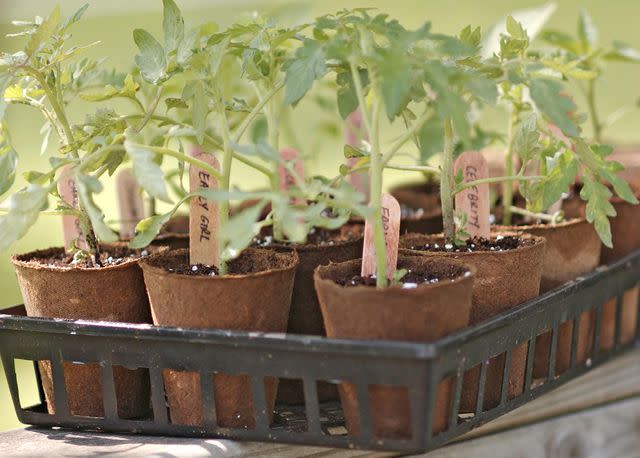
Even if you start indoor seedlings at the right time, and they are vigorous and healthy, planting them outdoors without hardening them off first exposes them to injury or, in the worst case, kills them when a late frost hits. The hardening off process usually takes place over a period of 1 to 2 weeks, during which young plants are gradually exposed to the harsher light and fluctuating temperatures outdoors. This helps plants acclimate and avoids plant loss and issues like transplant shock, which may leave plants weak and permanently stunted.
4. Applying Fresh Manure
If you purchased bagged or aged manure for your garden, it’s likely safe to apply it in spring. However, fresh, unaged manure from chickens, horses, and other livestock contains high levels of nitrogen, which risks burning and even killing your plants. It’s also important to source local manure from farms that don’t use herbicide-treated hay, as manure that contains herbicide residue potentially renders soils infertile, in addition to raising concerns about the effect of those chemicals on human health.
5. Ignoring Early Weeds
Spring weeds may not look like much, but if you allow them to get a foothold in your garden, they’ll grow like mad when summer hits. That’s why it’s critical to stay on top of spring weeds and to hand-pull or hoe out any young weeds before their stems and roots get sturdy and become harder to remove. If your garden is super weedy from seasons past, you may want to cover your soil with cardboard or tarps for a few weeks in spring to smother out early weeds before you start planting.
6. Overcrowding Plants
Squeezing as many herbs, flowers, and veggies into your beds as possible may be tempting. But it will backfire because overcrowding your garden increases plant competition, weakens growth, and increases weeds, pests, and diseases like powdery mildew.
Following proper spacing guidelines, thinning out extra seedlings, and utilizing savvy space-saving techniques like trellising and succession planting will help you maximize garden space while ensuring your plants have the room they need for proper growth.
7. Mulching Too Early or Too Much
Keeping your soil covered with mulch reduces weed problems and preserves soil moisture. However, mulching too early in the season may prevent the soil from warming up quickly, which can delay planting and seed germination. Applying an excessive amount of mulch, or spreading mulch too close to plant stems and trunks, also leads to moisture buildup and rot, and attracts pests like voles.
8. Not Prepping for Pests
Generally, leaving the leaves is a good thing, but in some places, like your vegetable garden, old leaf litter affects the growth of future plants. Cleaning up dead plants, scattered leaves, and other debris when springtime temperatures are consistently above 50°F helps reduce pest problems, while keeping overwintering pollinators safe. You may also want to install natural pest control methods, such as row covers over brassicas and other vulnerable veggies at the beginning of the season to keep pests like cabbage loopers from descending on your crops.
9. Pruning Too Early
Broken, diseased, and damaged plant stems can be pruned at any time of the year. But if you prune plants more dramatically at the wrong time, you potentially remove flower buds, reduce blooming, or even increase the risk of plant diseases and pests. Popular spring bloomers, like lilacs and forsythia, for instance, should only be pruned after they finish flowering in spring.
10. Not Sterilizing Tools
Plant diseases and pests easily spread from plant to plant on contaminated garden tools, especially if you’re doing a lot of springtime pruning. The best way to avoid this issue is to sterilize tools before you start working and in between each plant by rubbing or spraying tool blades and surfaces down with 70% isopropyl alcohol (rubbing alcohol) or a 3% hydrogen peroxide solution. For proper sterilization, allow the tool blades to dry completely before you begin to work on the next plant.
11. Forgetting to Label
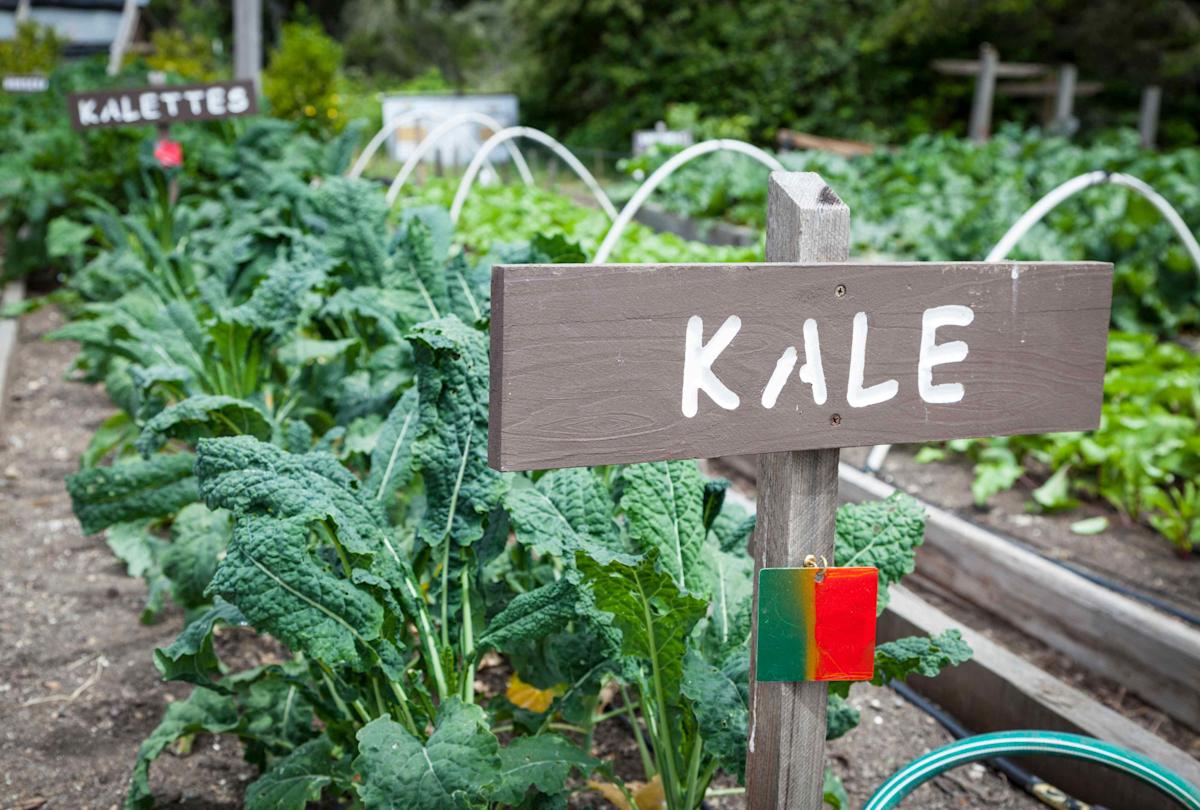
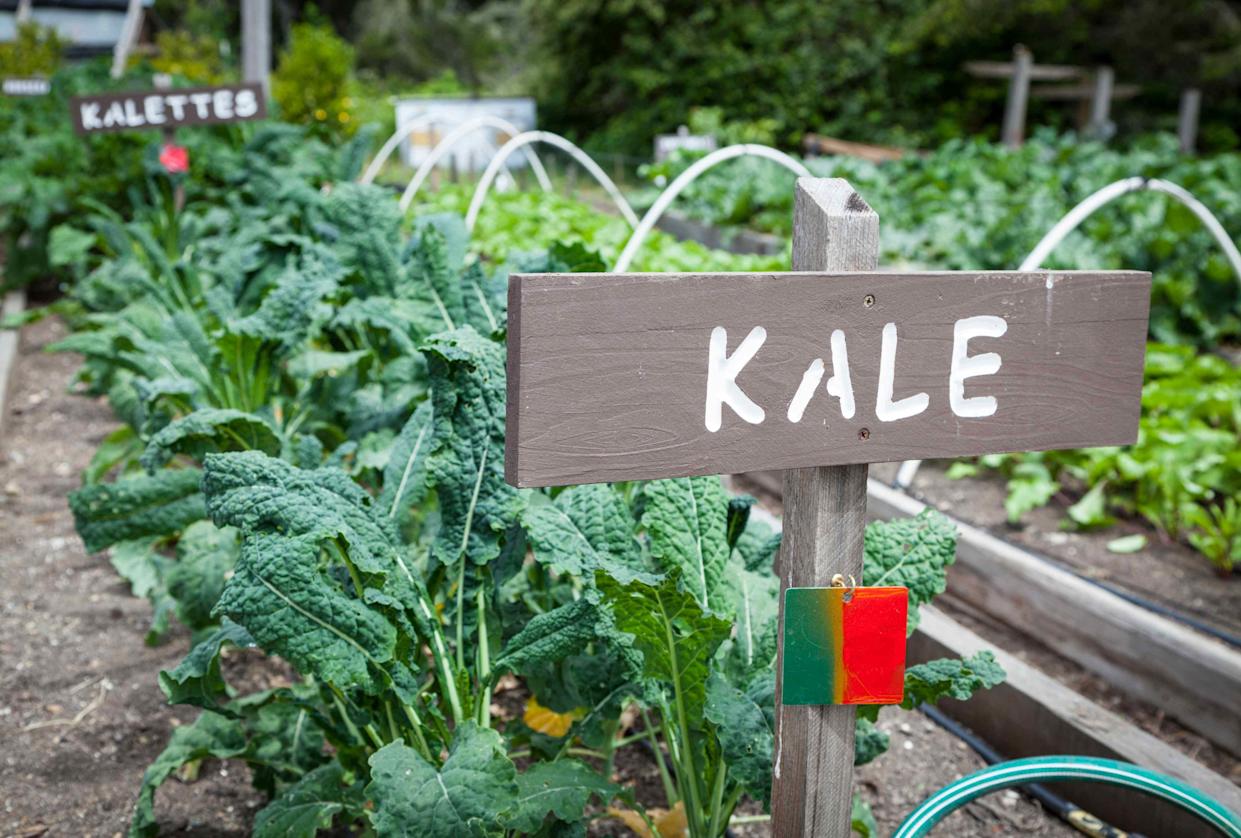
It’s all too easy to forget what was planted where if you don’t add plant labels at planting time. Many seedlings and plants look quite similar before they begin to fruit and flower, which leads to a lot of confusion later on. Plastic plant labels marked with pencil work well for keeping track of indoor seedlings. For outdoors, make your own DIY plant markers using upcycled items or simple craft supplies, like old jar lids, clay, and scrap wood.
Read the original article on Better Homes & Gardens
Comments are closed.