

Big seeds make big seedlings that grow fast so they should be ready to plant out after mid-May in the South if sown indoors now. In the North and Scotland, sow in a fortnight for June planting. They can be sown outdoors in the soil from next month if you wish, but will be at risk of weather and slugs.
Also raising plants in pots or cells allows a six-week opportunity for weeds to grow and then be polished off prior to planting, giving plants a weed-free start. In the South, bean seed fly can harm seeds unless covered with fleece after sowing until the first true leaves form.
Indoor sowings germinate best with some bottom heat from a heated propagator – this is especially true of French beans and cucumber family plants. Otherwise, germinate on a warm windowsill, but move to the best light as soon as possible.
New FeatureIn ShortQuick Stories. Same trusted journalism.
Sunflowers and nasturtiums are classic flowers with large seeds and can be raised one seed to a small pot or cell in a cell tray. Pollen-free sunflowers won’t drip pollen but are of less wildlife value. Consider planting taller, 1.5m (5ft)sunflowers with a branching habit for a long flowering season, avoiding double flowers that are less helpful to wildlife than single flowers.
Others to consider include purple lablab beans, which climb a metre or more on a trellis or other support, Cerinthe major (honeywort) and sweet peas. Sweet peas are best sown early but they will do well enough sown now. A limited range of seedlings, mostly mixed colours, are offered in garden centres but other options must be seed-raised.
Runner beans with red, white or coloured flowers can be both ornamental and productive. New varieties, “Moonlight” for example, that were bred by crossing with French beans are much less sensitive to heat and drought in late summer but will still need some watering. French beans, both dwarf and climbing, can be sown now. Dwarf ones will crop by July.
French beans have a shorter cropping period than runners so more will need to be sown in June and late July. Pods include green, yellow, purple and speckled colours.
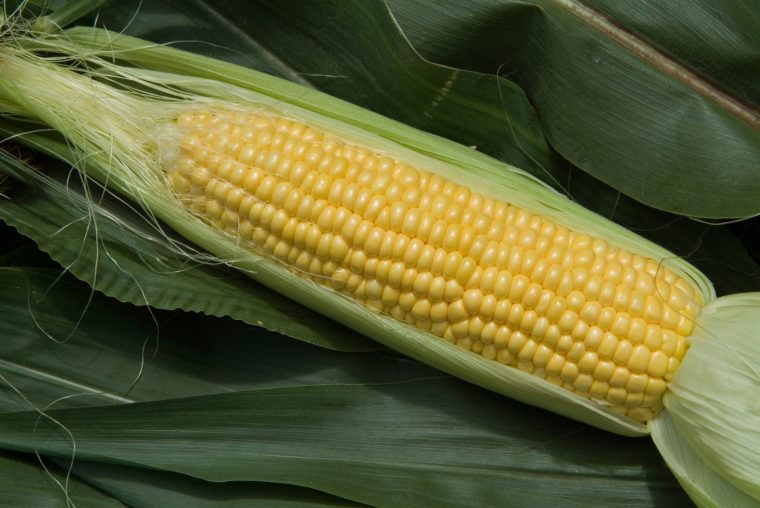 Try growing sweetcorn this year (Photo: Tim Sandall)
The first sweetcorn is sown now, with more to follow in mid-May and early June. Although you can buy early, mid-season and late varieties, you will get good results from just using early seeds, for example “Swift” or “Earlibird”, and save on having to buy more packets.
Growing just one variety will avoid any risk of cross-pollination affecting cob flavour. Ornamental corn grown to lend an exotic feel to borders or for crafts, decoration and popping, is best sown early as it takes longer to mature than proper sweetcorn.
Plant as far away from sweetcorn as possible to avoid cross-pollination that will make sweetcorn less tasty.
Sow cucumber family plants now starting with greenhouse cucumbers, melons and, for gardeners with polythene tunnels or living in the South, watermelons. Follow with courgettes, cucamelons, outdoor cucumbers, squash, pumpkins and vegetable marrows.
Larger volume cell trays or small pots, especially biodegradable paper ones, are all ideal for these plants that can resent disturbance when planting. Ornamental gourds that make environmentally friendly winter decorations need a long season to ripen fully, like ornamental corn, so get these sown in April.
Comments are closed.