
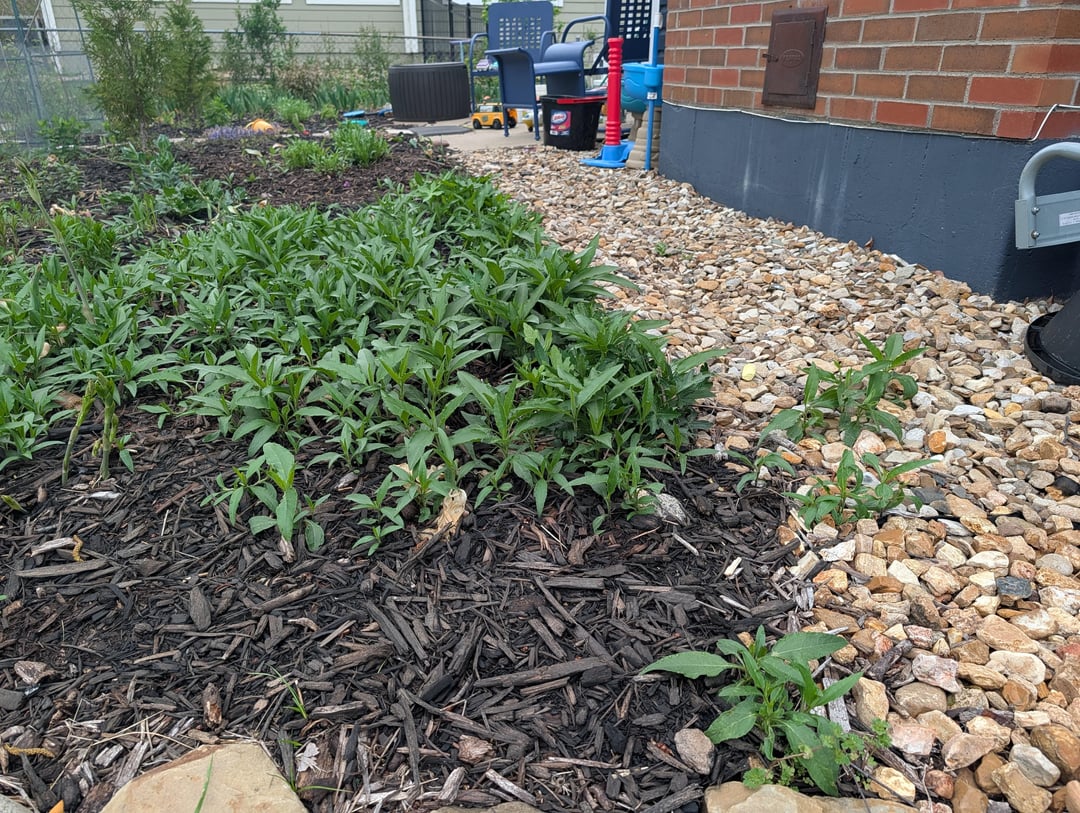
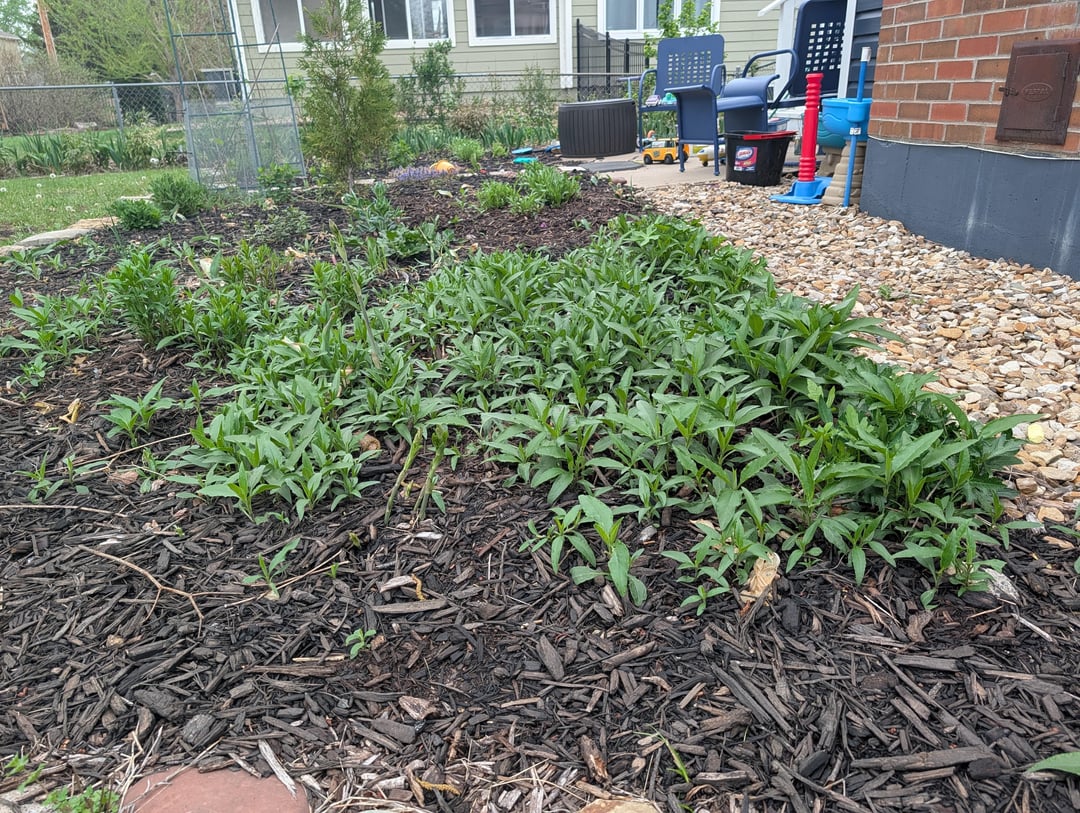
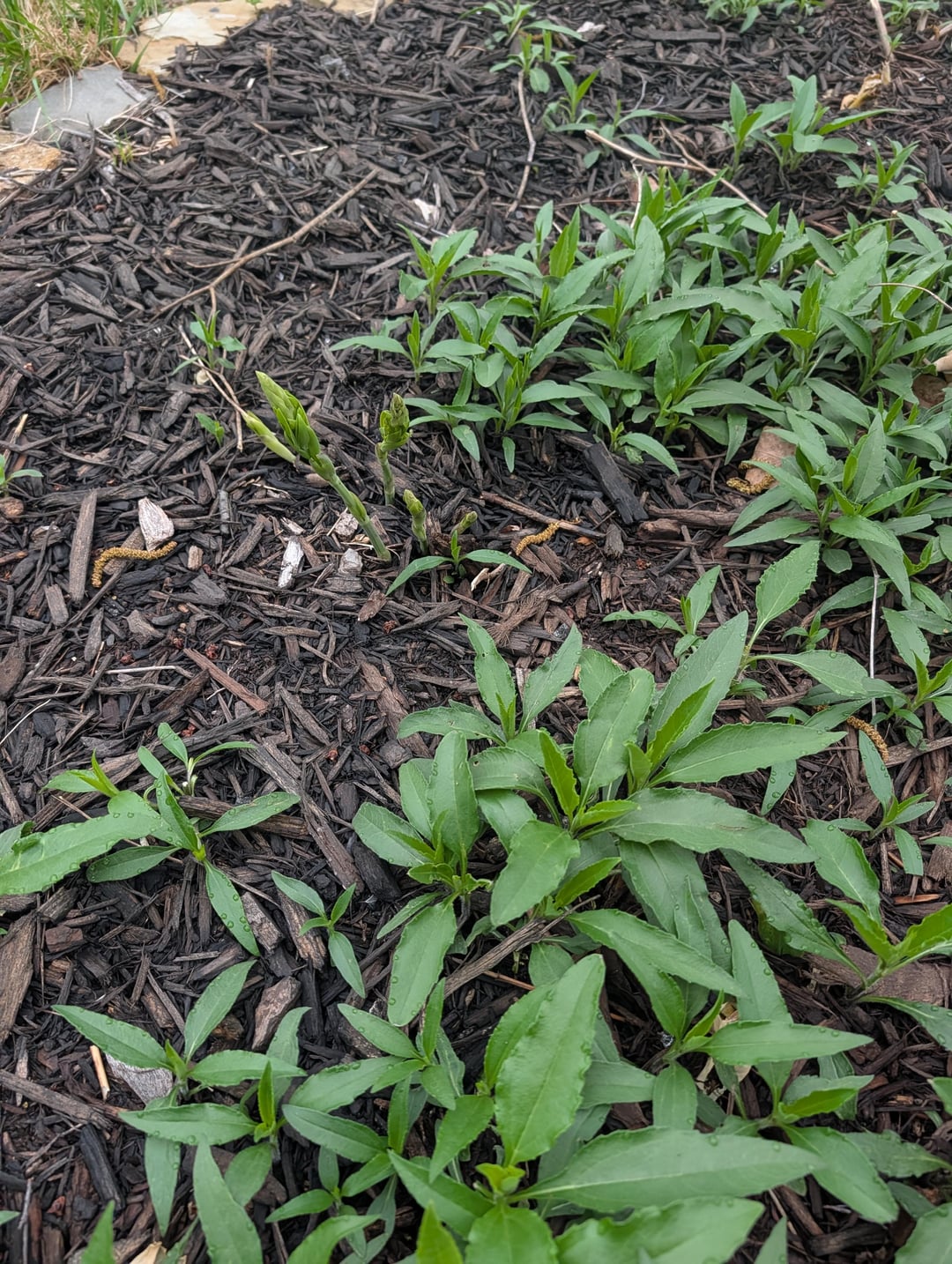
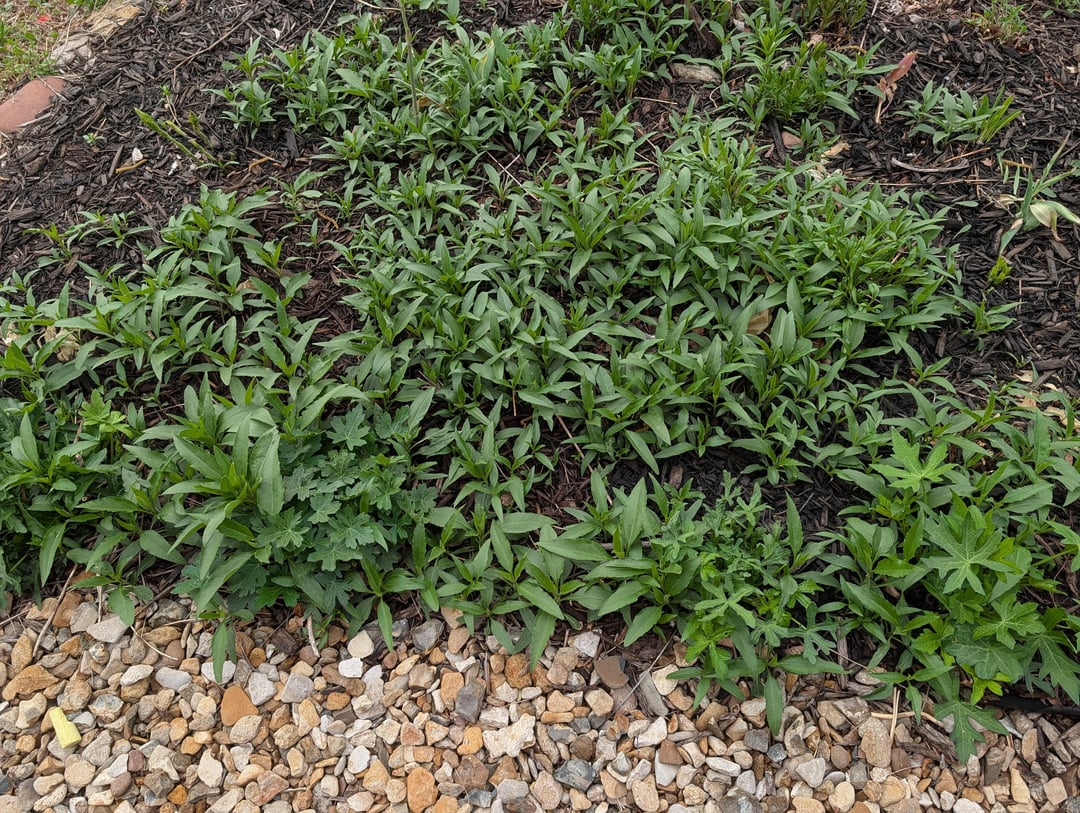
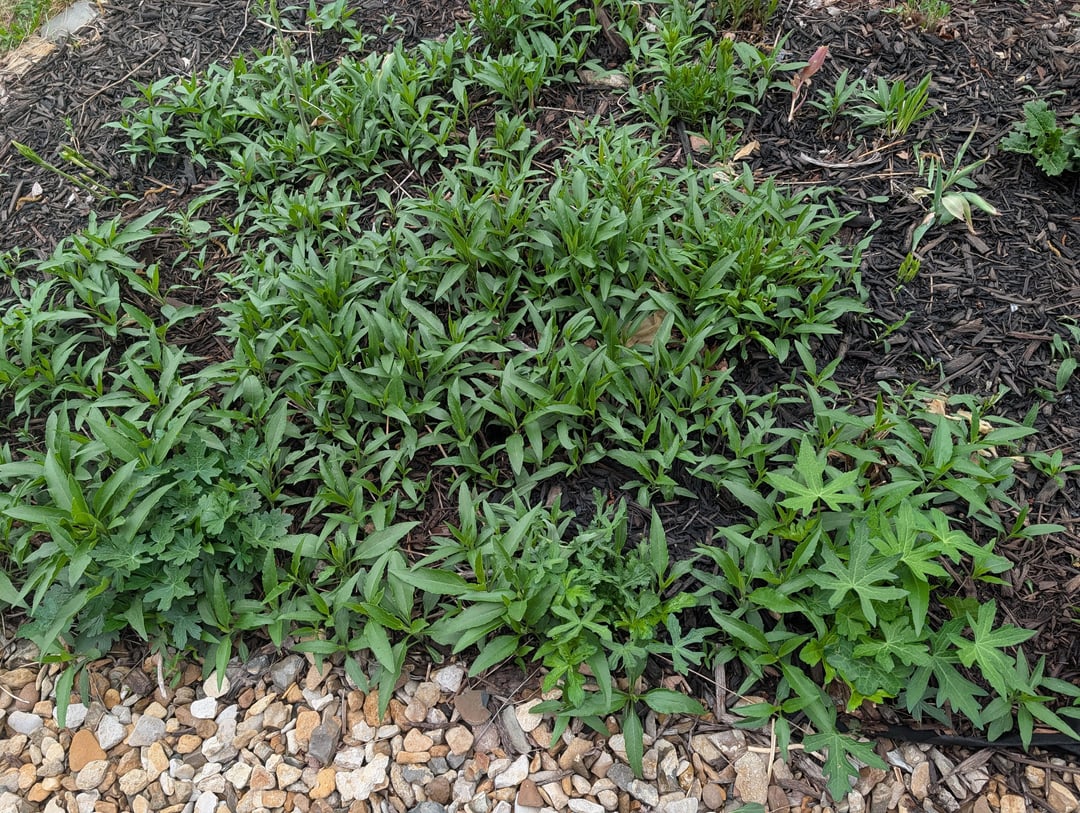
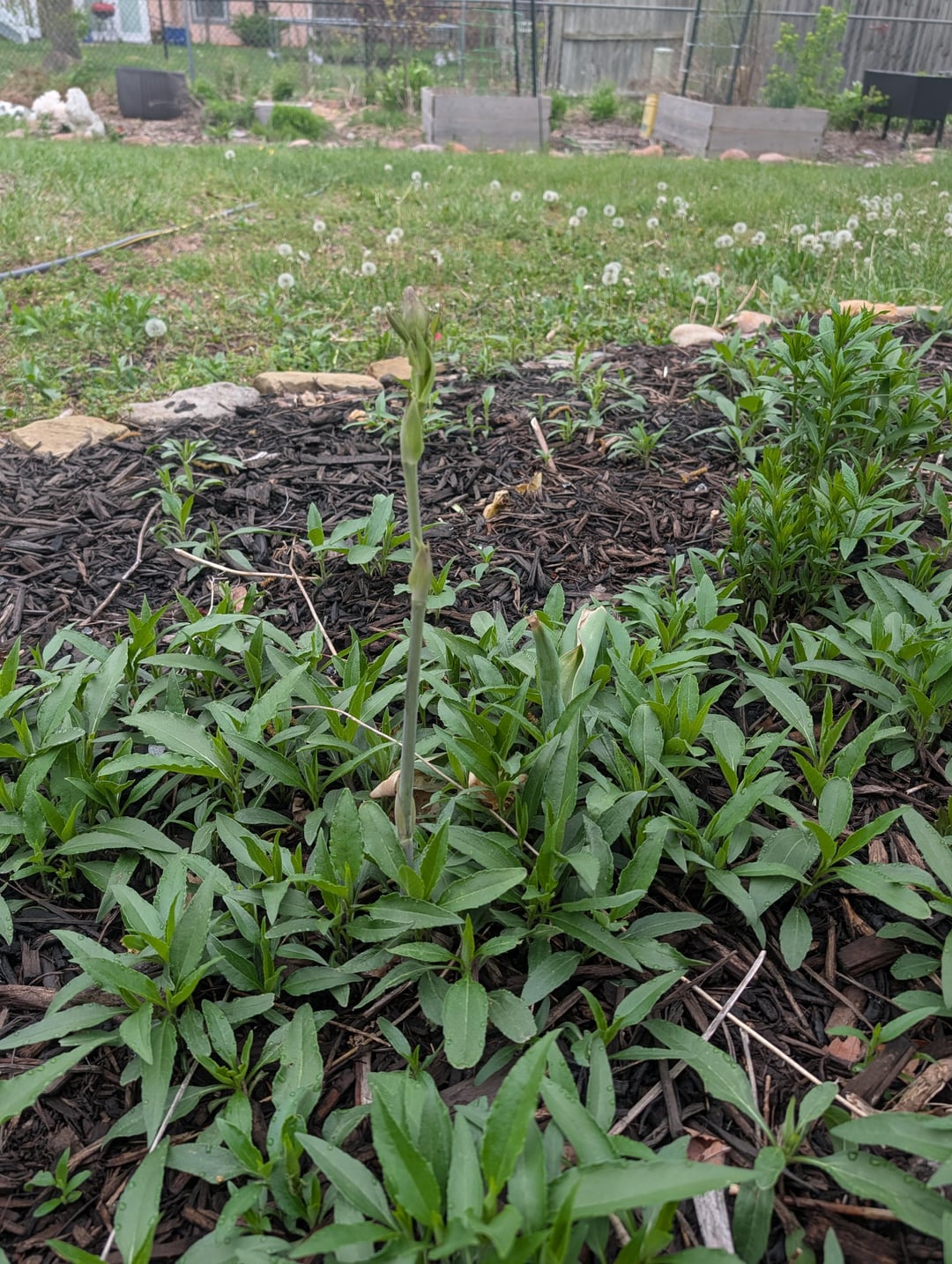
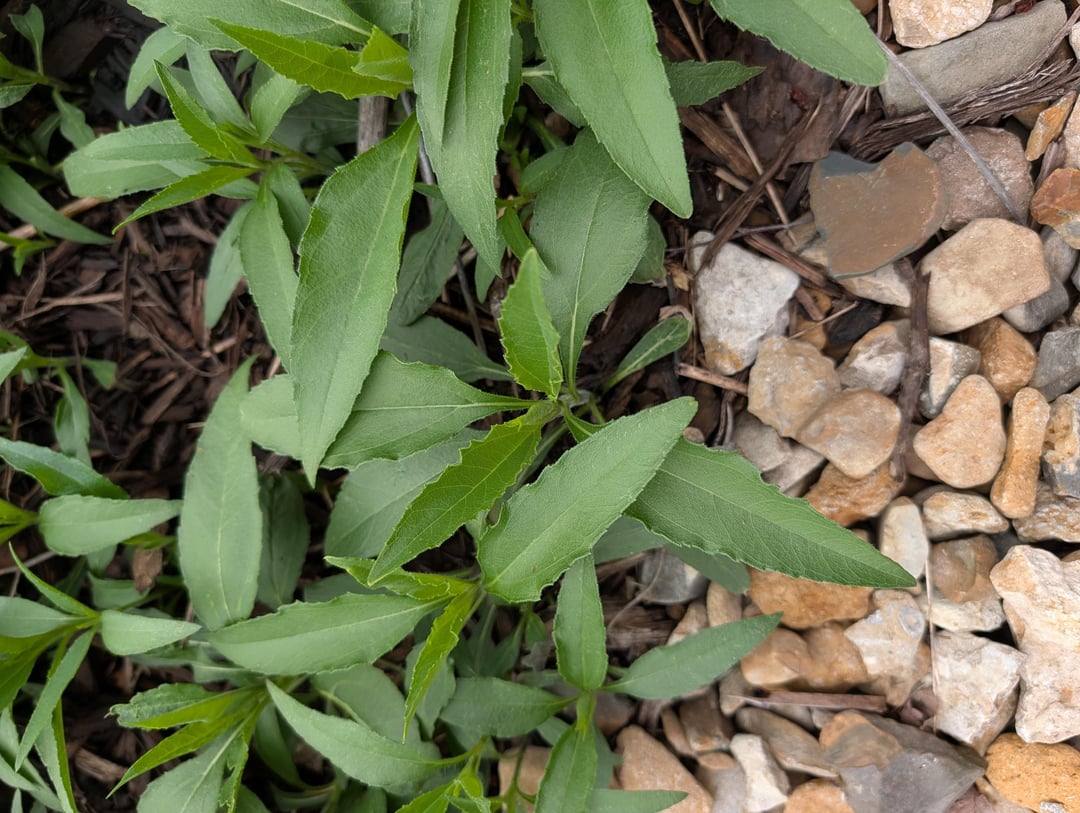
Listen. Listen. I know it's native, that's why I planted it.
Bet heeeeelp They're hyper aggressive and I regret planting one three years ago. It's crowding out my other beautiful natives.
how do I best control the spread? Just manual removal early spring?
Would eradicating them be an impossible task? Help! 6b Kansas
by CeilingStanSupremacy
17 Comments
This happened to me one year after I pulled out a giant mature sunchoke and I went crazy pulling them for about two months, and haven’t had much of a problem since. The key is that they have tubers a few inches below the soil, so you really need to get the tuber out. Supposedly the tubers are edible but I didn’t try, haha. And yeah, they’re native, but not everything native plays nicely enough to be in our gardens
They are very, very aggressive and difficult to remove. Previous commenter mentioned removing the tuber roots which is 100% what you need to do. They are persistent. I have to dig them every summer, just to keep it from taking over.
1. Dig them all up manually. Don’t leave any bits of tuber left to regenerate.
2. Cut them back repeatedly to starve the tubers to death.
3. Solarize with black plastic.
4. Glyphosate.
5. For the future, read about plants before planting them; helianthus are infamously aggressive. But hey, nobody’s perfect at the beginning (angrily looks at growing patch of Obedient plant.)
It’s a survival crop and it’s delicious. Kinda like a mix of potato and chestnut
Just please for the love of all don’t rototill over the tubers or you will TRULY feel the wrath of the fart tuber
Harvest them. Eat or sell to a local restaurant
It sounds like you may be growing an improved agricultural plant as an ornamental. For millenia this plant was harvested by people and livestock, so without those pressures it will probably spread. Its ability to grow again and again from the same patch, even if very aggressively harvested, is a huge benefit as a food crop.
In short, have you tried eating some of the tubers? I’ve seen them for $7/lb at the grocery store.
Definitely research correct preparation and ease into it because your gut biome will need to adjust to it, but if you like the flavor this plant can feed you with very minimal effort compared to most modern horticultural options.
Surely everyone’s heard of Jerusalem fartichokes. They didn’t work for my family and the spread was too much. Our livestock LOVE eating the tops and I sold the tubers. It takes a couple years but is not particularly hard. There’s no real containing- just removing.
This is now your aggressives bed. Plant equally aggressive species to compete in a battle royale.
Might I suggest Frost Aster, Bee Balm, and Goldenrod
Dig up each one and get as many tubers out as you can, rinse and repeat year after year. Two things I truly regret ever planting are comfrey and sunchokes.
I keep my sunchokes in my veggie garden where I can pick them out more easily. Even then it’s tricky because they mess up my cover crops a little – they survive crimping where oats and crimson clover doesn’t.
Sunchokes doing sunchoke things. Pull up what you don’t want. Eat it 😬
It would be a big job, but if you love them and want to keep them as part of a garden, you could try installing an underground barrier, like corten steel, of at least a foot in height, at the level of the tubers. Or a concrete ring around them. That would probably contain them.
If you are SE Michgan I would be happy to take some.
Needs its own spot. It’s from high competition tallgrass prairies, and it does it a little too well lol. Dig deep and thoroughly. One benefit is they rarely seed around unless you have a few different strains
Just eat a couple every day/every other day until they’re where you want them.
Your native garden has given you food without much effort on your part. Congrats!
The finches LOVE them. If they’re spreading too fast, dig out whatever you don’t want. Hunt around in the soil for random tubers like you would potatoes. They’re tasty.
Once you do an initial big dig up, they aren’t hard to keep in line, just dig some out every year.