
 4 min read
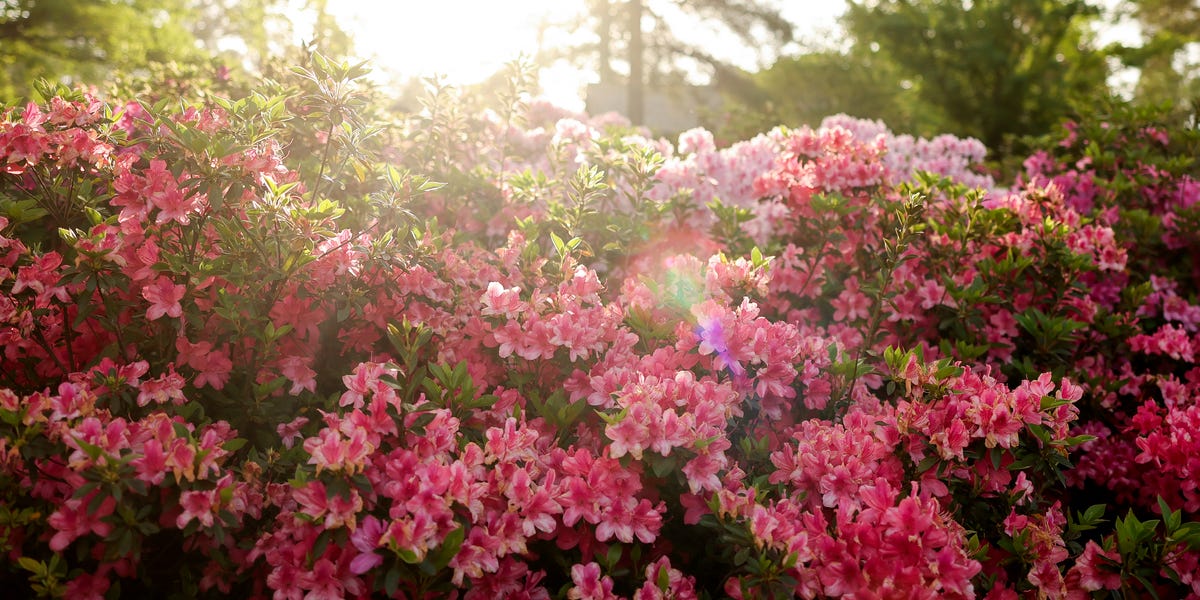
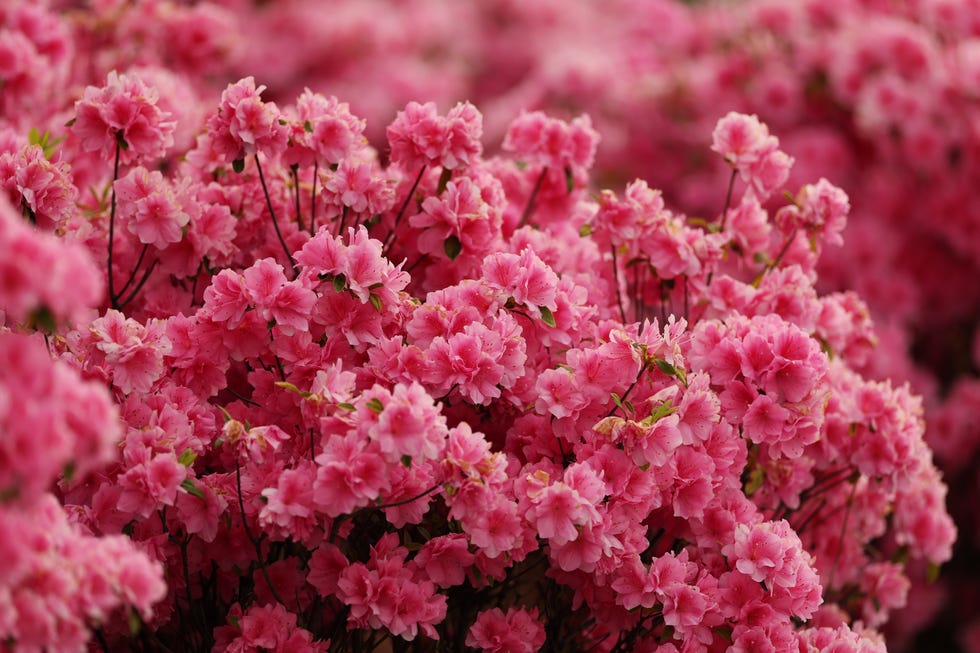
In the Southern parts of the U.S., spring is officially in bloom! And perhaps nowhere is this more evident than in Augusta, Georgia, which is hosting The Masters this week. While sports fans tune in for the golf, and foodies are constantly trying to recreate the tournament’s pimento cheese sandwich recipe, gardeners know that the real stars of the show are the lush azalea bushes lining the course.
Augusta National//Getty Images
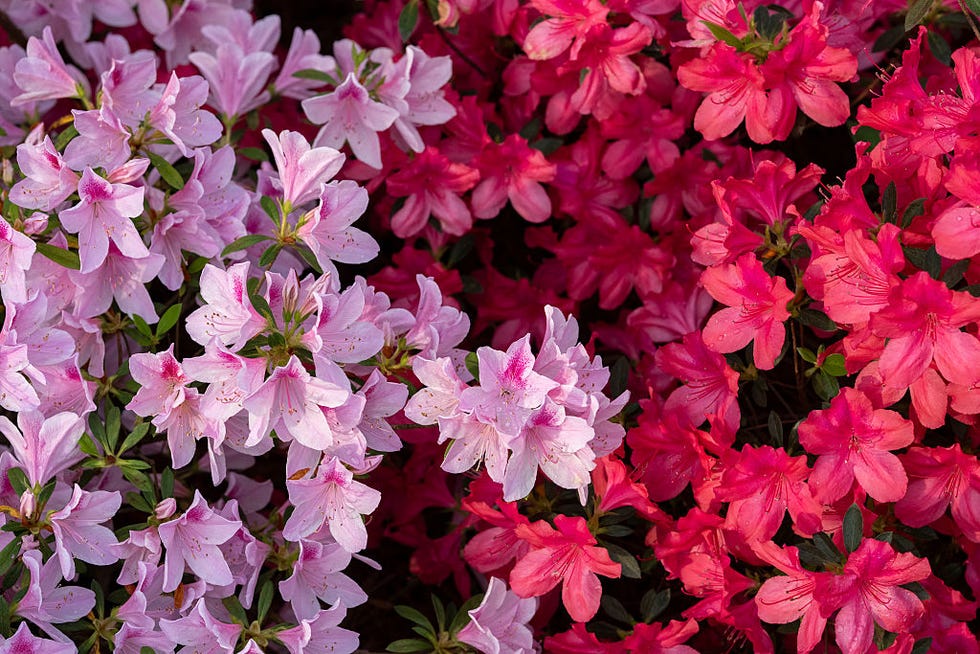
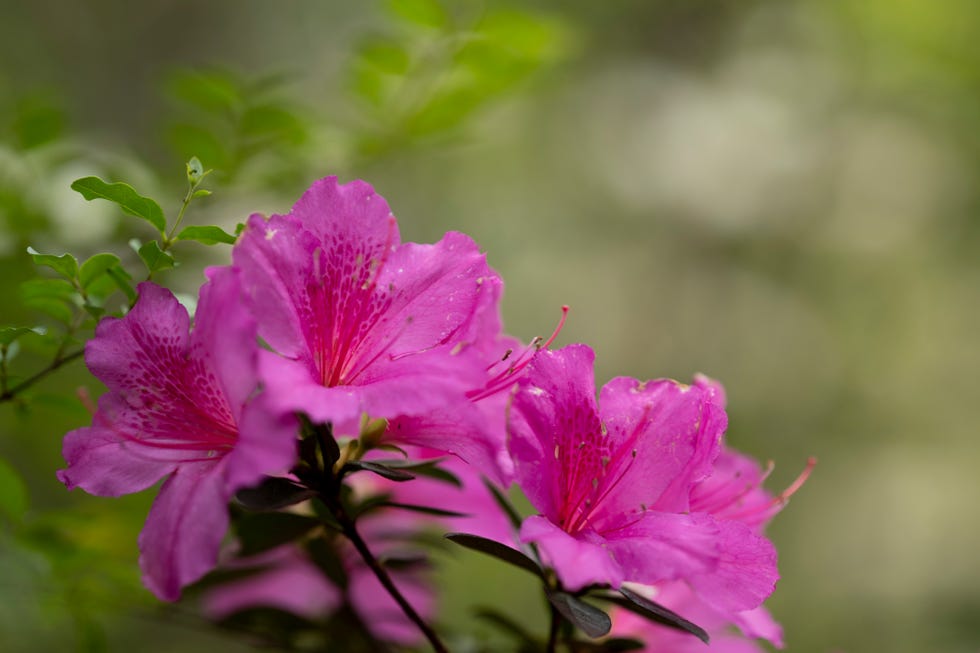
Want to bring a bit of that beauty to your own front yard? The good news is that you absolutely can. This flowering shrub is available in literally thousands of named varieties, and in hues ranging from pure white to hot pink.
“They’re really not difficult to grow, as long as you give them the right conditions,” says Melissa Finley, Thain Curator of Woody Plants at the New York Botanical Garden. “Any issues that occur are usually because they have been planted in the wrong place in a spot that’s too sunny, too wet or too dry.”
Ready to boost your curb appeal with some Masters-worthy azaleas? Here is everything you need to know.
Find the Perfect Spot for Your Azaleas (Take a Cue from Amen Corner)
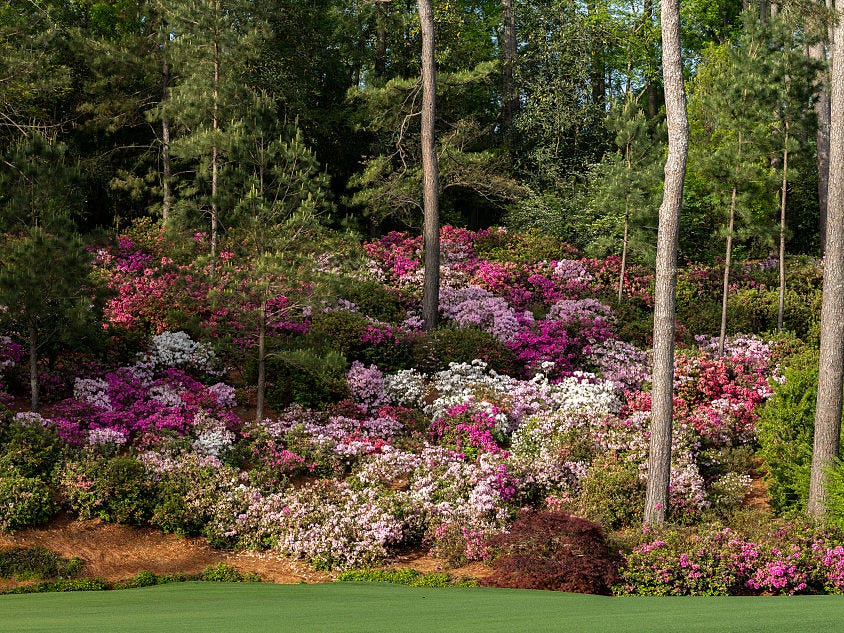
Consider Amen Corner, that iconic three-hole stretch at the Augusta National that can make or break the tournament for players. There, azaleas nestle under the tree line on a slope—which is not only dreamy but also textbook as far as ideal azalea growing conditions go. Azaleas prefer moist, well-draining soils, which is why they do especially well on shaded slopes or hillsides under trees. In clay soils, they can get stressed, so plant them so that the root ball is about two inches above ground level so that their roots stay higher up, says Finley.
 Patrick Smith//Getty Images
Rory McIlroy walks the azalea-lined 12th hole, one of three holes on Amen Corner, during a practice round ahead of the 2018 Masters Tournament.
Plant Your Azaleas the Right Way (Don’t Bogey This One)
When planting your shrub, dig a hole about two to three times as wide as the root ball, and just about as deep. Ease the plant out of its pot, then place it in the hole at the same depth (or even a smidge higher) than it was in the container.
Then fill it back in with the native dirt. Don’t add any peat moss or potting soil to the hole. This can cause drainage problems, as well as root circling (where the roots don’t spread out) and the bush won’t be as sturdy.
Backfill the soil, tamp down gently, then water your shrub well. Keep watering regularly until the plant is fully established, especially during the first year or two, says Natalie Carmolli, public relations specialist with Proven Winners Color Choice Shrubs.
A 2- to 3-inch layer of mulch will help maintain soil moisture, as well as keep down weeds. But keep the mulch a few inches away from stems so you don’t invite disease or pest issues. Also, spread the mulch out so that it extends a few inches beyond the plant’s drip line (the outermost circumference of the shrub) to encourage root growth into a wider area, says Finley.
Augusta National//Getty Images
Pay Attention to Your Azaleas’ Water Needs (You Can Relax After a Couple of Years)
Azaleas should not need any supplemental watering once they are established. However, for the first two seasons, keep them slightly moist, says Carmolli. Generally, it’s better to keep them slightly moist than too dry.
Fertilizing Azaleas Is Optional
It’s not entirely necessary, but it’s fine to fertilize with a granular extended-release fertilizer in fall or late spring when the new leaves appear.
Or simply add a little mulch every season, which breaks down and provides adequate nutrients for the azaleas, says Finley. This decomposing mulch also promotes the presence of mycorrhizal fungi that bring soil nutrients to the roots.

Augusta National//Getty Images
Pruning Is Optional, Too
Fortunately, you don’t need to prune your azaleas. The shrubs are naturally well shaped. (Note: Keep your azaleas’ full mature size in mind when planting them so you don’t find yourself in the situation of needing to prune them for space.)
With reblooming varieties, you can snip off a few stems, if you do it immediately after the first bloom. This will not only shape it, but will stimulate more growth, says Carmolli. But otherwise, simply sit back and enjoy the pretty, colorful flowers these shrubs provide.
Got a Small Space? You Can Grow Azaleas in Pots
“You can absolutely grow an azalea in a container,” says Kristina Howley, a horticulturalist with Proven Winners. Because the roots will get colder, not being directly in the ground, you’ll want to “choose a variety that is at least two USDA zones hardier than your own,” she says.
For example, if you live in zone 5, choose an azalea that’s hardy to zone 3. Also, in cold climates, use a frost-proof pot (not something like terra-cotta, which may shatter when freezing temperatures arrive).
The azalea can remain in the pot for 3 to 5 years before you should take it out to replenish the potting soil or to size the container up to accommodate the root ball. When you notice the plant is starting to decrease in vigor, says Howley, repot it.
Augusta National//Getty Images
Just a Few Common Problems to Watch for with Azaleas
Azaleas have very few problems, especially if you site them correctly, says Finley. The two most common are lace bugs and spider mites. If you notice these pests on your plants, use a spray from the garden hose to blast them off. If this is not successful after a few tries, you can use an insecticidal soap as a last resort. “But healthy plants can usually fend off minor issues, so make sure to site your plant correctly in the first place,” says Finley.
Richard Heathcote//Getty Images
Azalea Basics: Everything to Know at a GlanceCommon Name: AzaleaBotanical Name: RhododendronPlant Family: EricaceaeType of Plant: ShrubNative Origin: Japan, North AmericaSun Exposure: Full to part sun, depending on the varietyPreferred Soil Type/ pH Range: Moist, well-draining/slightly acidicMature Size: 2 to 3 feet tall and wide to 12 to 15 feet tall and wideFlower Color: White, pink, red, lavender, salmon, orange, yellowToxic to Pets: Yes, if ingestedDeer resistant: NoUSDA Plant Hardiness Zones: 3 to 9 (find your zone here)More Spring Garden Ideas:
Comments are closed.