

Composting is great for recycling kitchen waste and providing nutrients for your soil and plants – but it could be very harmful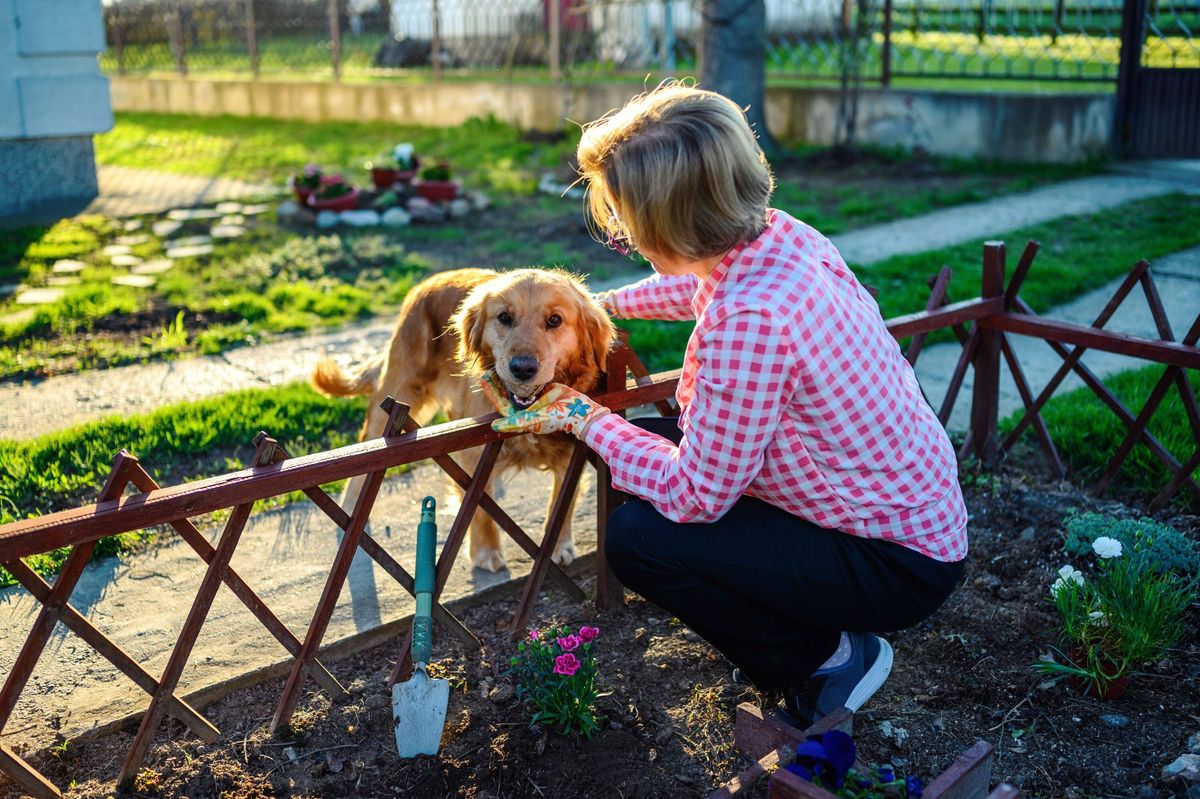
Compost can be very dangerous(Image: Getty)
Composting is an excellent method to reduce waste while giving your garden a boost. With milder weather approaching, numerous green-fingered Brits are venturing into the garden and using their compost to enrich flowerbeds and plant fresh flowers.
However, within compost lurks a hidden threat that few people are aware of. The powerful aroma of compost is incredibly appealing to dogs – but your four-legged companion could become extremely unwell from it.
This is because decomposing organic material in compost can harbour fungi that generate mycotoxins.
These are powerful toxins that can cause muscle tremors and seizures in dogs.
Coffee grounds, mouldy food and garden waste pose serious risks to dogs.
The symptoms of acute compost toxicity typically emerge within half an hour to three hours after your pet ingests the compost.
This can include agitation, overheating, vomiting and drooling, panting, tremors and seizures, reports the Express.
Even a tiny quantity can prove fatal, so it’s vital to take your dog to the vet straight away if you suspect they have consumed compost.
Compost can also cause intestinal blockages in dogs if there are foods that haven’t properly decomposed.

Compost can hide a dangerous toxin(Image: Getty)
A spokesperson for GardeningExpress.co.uk said: “Composting is a really environmentally friendly way to recycle kitchen waste and it provides fantastic nutrients for your soil and plants – but while it’s great for your garden, it could be harmful to your dog.
“Dogs can be very attracted to the smell of decaying food material, so the risk can be high if they’re left near a bag of compost or a compost pile unattended.
“Avoiding items known to be toxic to dogs and opting for pet-safe mulches are simple but effective ways to keep your garden safe.
“If you suspect your dog has ingested compost, contact your vet immediately, even if they’re not showing symptoms yet.”
Comments are closed.