
Winter leaves lawns overgrown and moss-covered, but gardening expert Monty Don has shared the one crucial task to focus on this month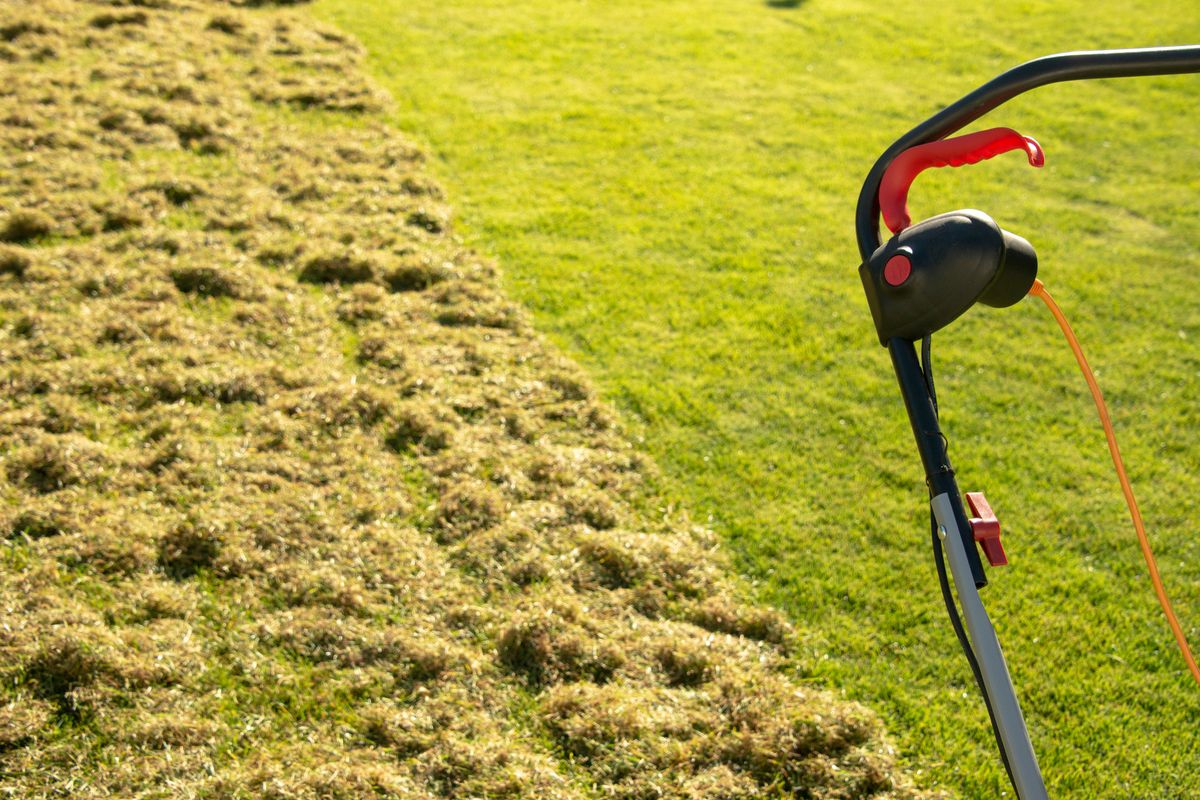
Winter leaves lawns overgrown and moss-covered(Image: Getty)
If your lawn is patchy, soft, or mossy, a simple and small change in your garden routine could make all the difference. Moss is common in UK gardens and often spreads in thin grass. While it may seem like a problem in itself, moss is usually just a symptom. In most cases, it indicates that the conditions in your lawn are more favourable for moss than for healthy grass growth.
Monty Don says there’s one easy task gardeners should focus on right now to clear moss and boost healthier, thicker grass growth. Writing on his website, he said: “The best grass likes very well-drained soil. Moss, for example, is always a symptom of poor drainage, made worse by shade.
“Unfortunately, even the best-prepared soil becomes compacted by matted roots, rain and, especially, normal family use.
“The answer is to work on it at least once a year by sticking a fork in the ground and wiggling it about and repeating the process every six inches or so.”
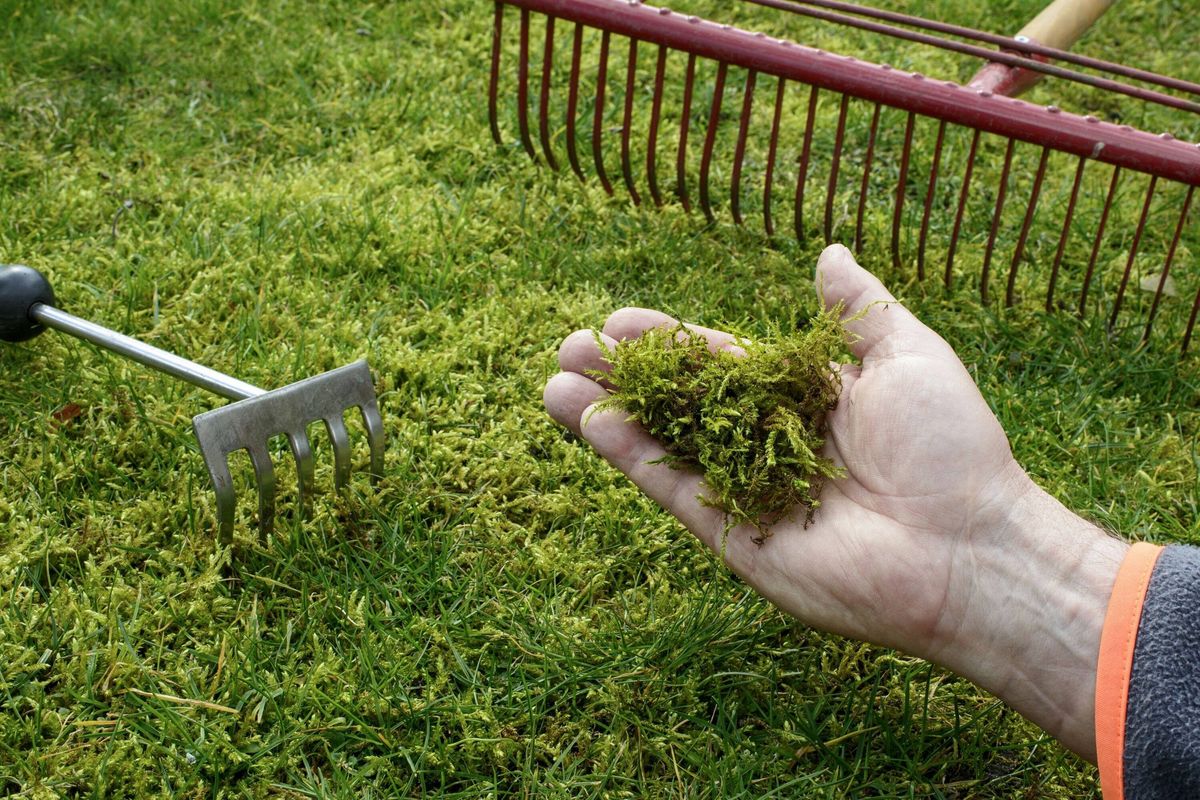
Moss establishes itself on lawns suffering from waterlogging, flourishing in damp conditions, indicating that the grass cannot drain effectively due to compacted soil.
Lawns will be moss-free and ‘thicker than ever’ after Monty Don’s 1 simple task in March(Image: Getty)
Compressed earth can cause grass to deteriorate and encourage disease, while simultaneously blocking nutrients and sunlight from reaching the grass roots, increasing the likelihood of patchy growth.
Piercing the soil with a garden fork improves lawn aeration, creating channels that allow air and water to circulate more effectively through the grass roots.
Once you’ve fully aerated the turf, stimulate growth by whipping up a simple homemade blend that will naturally decompose and provide the lawn with vital nutrients.
Monty advised: “Mix up equal portions of sieved topsoil, sharp sand and sieved leaf mould or compost. If you do not have these things to hand, then just sharp or silver sand will do the job.
“Spread it across the area you have pricked and brush it in with a stiff broom, filling the holes with the mixture. This will help drainage and feed the grass.”
Applying mulch not only nourishes the soil but also naturally prevents weeds and moss from establishing themselves on your lawn, as it strengthens the grass and enables it to outcompete any rivals.
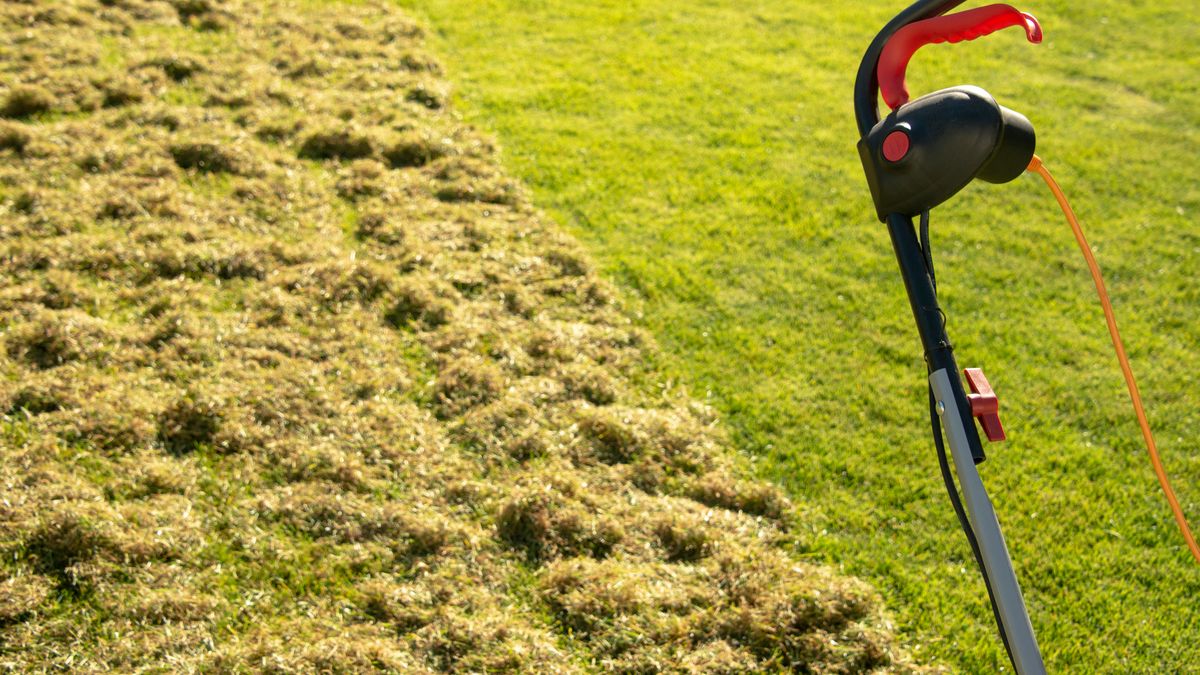
Lastly, run a wire rake across your lawn to remove moss and other organic matter that accumulates on the turf and prevents nutrients from reaching the soil beneath.
Moss establishes itself on lawns suffering from waterlogging(Image: Getty)
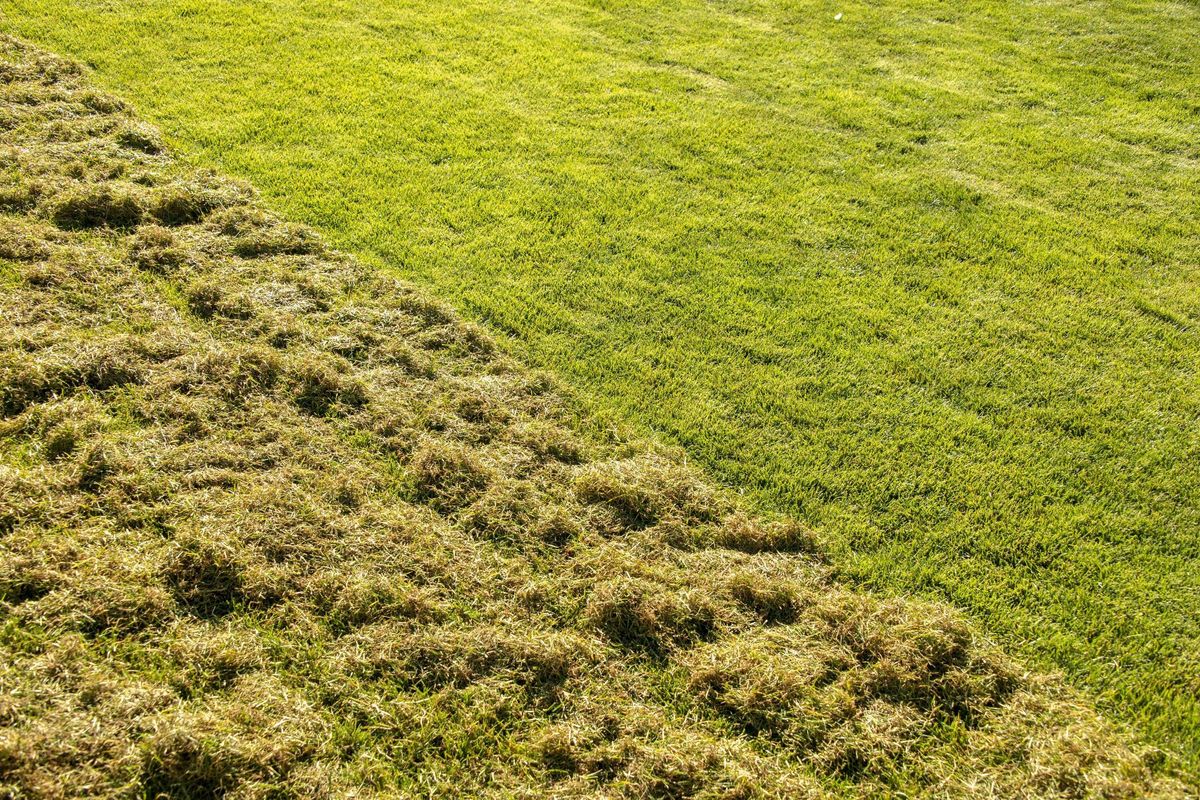
Monty said: “It is also worth giving the lawn a good scratch with a wire rake. This will remove all the overwintering thatch and moss, letting light and water reach the soil and the grass roots.
“Put the debris on the compost and then mow. It will look a little bald for a week or so, but will grow back thicker than ever.”
Taking the time to complete these straightforward tasks in spring will not only eliminate moss from your lawn but also encourage the grass to grow more robustly, ensuring you can enjoy a thick, vibrant green lawn this spring.
However, if this technique does not work, experts at Lawn Pack advise using Iron Sulphate. They shared: ” The most effective moss treatment in UK lawns is Iron Sulphate (Ferrous Sulphate).
“When applied correctly, it treats moss quickly, turns moss black within days, and makes removal easier. Apply using a sprayer according to product dilution instructions. Within a few days, the moss will darken and begin to die.”
Comments are closed.