
Even if we disregard those “other costs,” eating 80 pounds of potatoes before they sprout or rot in storage is no small feat. That’s why I preserve my surplus potatoes by canning. But that is an entirely extra set of costs, in terms of both money and time.
Which brings up the next topic: how much is your time worth? A friend and I had this discussion (read: argument) many years ago. He considered his time worth something. If not what he got paid while at work, at least something. But I maintain that our free time is just that — free. If you think your time in the garden is worth an hourly rate, then add that to the cost of growing potatoes.
Moving on, the costs associated with vegetable gardening are often much higher. Trellises, raised beds, containers, potting soil, watering cans, cages, stakes, posts, tools and other equipment all add to the cost of production. And that doesn’t include chemicals, such as insecticides, and soil amendments.
Buying seedlings can also be very costly. In some cases, you cannot possibly break even on the purchase of seedlings. For example, a seedling of lettuce or broccoli will only produce one head of lettuce or broccoli. If you pick individual lettuce leaves or let smaller broccoli florets grow after you harvest the main head, that might stretch your dollar for a bit, but you get the point. Ask yourself: if a seedling costs almost $5, will you get that much produce out of it, overall?
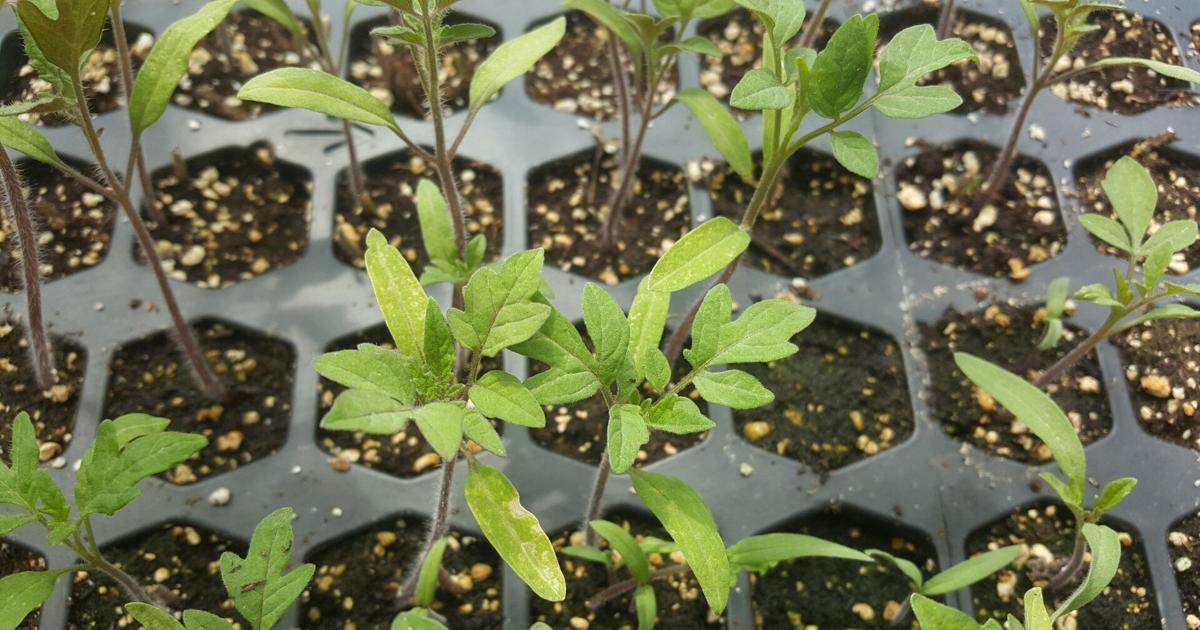
With that in mind, you might want to start your own seedlings from seeds. But whereas seeds are relatively cheap, the seedling trays, soil mixtures, shelving units, and plant lights are not. And many gardeners invest in small greenhouses, sheds, or other structures in which they start their seeds. Trust me when I say it’s a slippery slope!
Don’t get me wrong; you don’t need to spend lots of money on garden equipment to have a garden. And there are many benefits to growing your own vegetables, besides the ones I mentioned at the beginning of this article.
Comments are closed.