
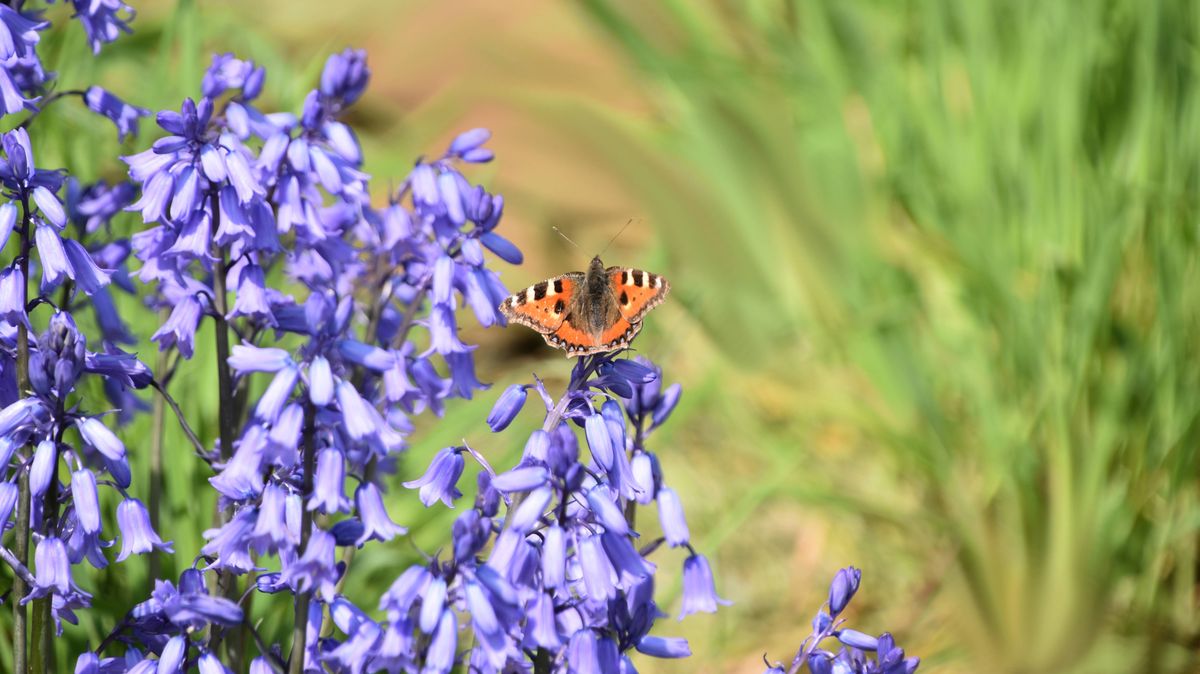
A gardener has advised others who have bluebells growing in their own patch to make one simple check this month to avoid an ‘invasion’ that can take years to fix
Alan Johnson Social News Reporter
15:23, 07 Apr 2026
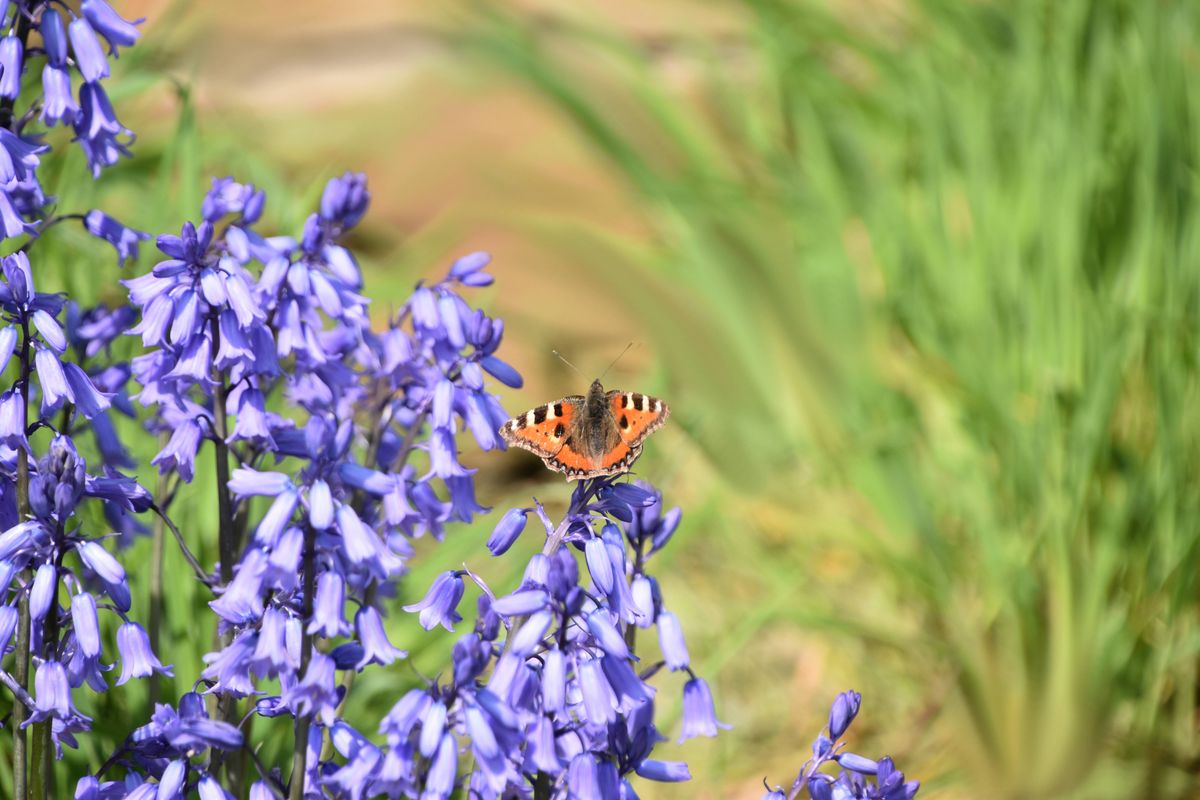
Do you have bluebells in your garden?(Image: Christine Rose Photography via Getty Images)
If your own outdoor space is fortunate enough to have bluebells growing in it, one gardener has urged you to take action this month to keep on top of your flowers.
Denise Hope, also known as Mud and Bloom on TikTok, began by outlining the differences between English and Spanish varieties. “Bluebells are one of the most magical signs of spring in UK woodlands – but not all bluebells are native,” she revealed. “Some are Spanish bluebells, which look similar but grow quite differently.” English bluebells can indeed be identified by their drooping stem, while they tend to flower on one side only.
Content cannot be displayed without consent
Furthermore, the flower is a deep blue shade with a cream-white pollen and carries a sweet scent. Spanish bluebells, on the other hand, grow more upright and flower on every side.
They are also distinguished by a lighter blue tone and are conical in shape, possessing no scent whatsoever, with their pollen being light blue.
Mud and Bloom advised: “Bluebell colonies take a long time to establish – around five to seven years from seed to flower – and the flowers can take years to recover after footfall damage. If a bluebell’s leaves are crushed, they die back from lack of food as the leaves cannot photosynthesise.
“Native bluebells are also protected in the UK under the Wildlife and Countryside Act 1981, which means that digging up the plant or bulb in the countryside is prohibited.”
But when it comes to your own garden, why is it important to distinguish between English and Spanish bluebells?
According to the RHS, the latter are invasive and spread readily by seed and bulb offsets (small, immature bulbs).
The RHS elaborated: “In favourable growing conditions, English, Spanish and hybrid bluebells will slowly but steadily spread to form dense clumps, potentially smothering smaller plants and in Northern Ireland and the Republic of Ireland, Spanish bluebell is listed as an invasive non-native species.”
The advice continued: “In gardens close to wild, native English bluebell populations, Spanish and hybrid bluebells are considered less desirable due to concerns over competition and hybridisation threatening the native bluebell population.
“If your garden is close to a wild population (such as a local woodland), then it is best to avoid planting Spanish and hybrid species, to prevent pollinators transferring pollen and causing hybridisation.”
The most effective methods for removing Spanish bluebells include digging out entire clumps, forking out individual plants, and regularly mowing lawns containing them throughout spring and summer to weaken their bulbs, preventing flowering and self-seeding, which will ultimately eradicate them.
The RHS warned: “If an area contains a lot of bluebells, it may take several years of digging, forking out or regular mowing to eradicate them completely.”
Comments are closed.