
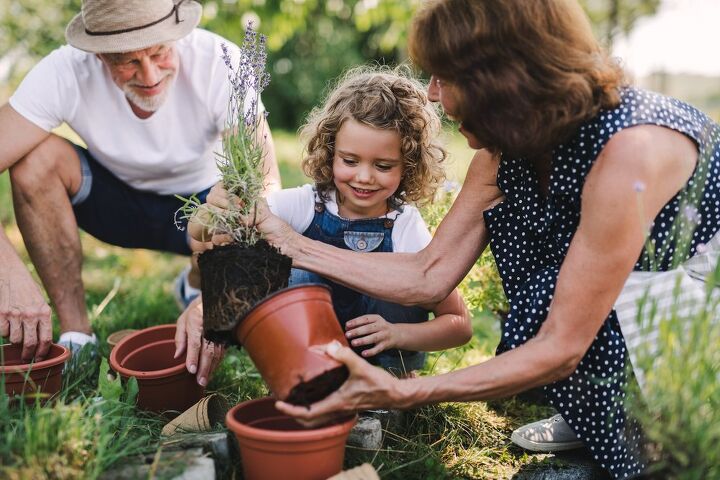
Credit: Shutterstock / Ground Picture
Spring is the ultimate season for gardeners. It’s the time of year when you prepare the soil, sow seeds, plant seedlings, and tend to perennials. There’s a lot to do in the garden, and while many of these tasks are enjoyable, they take a toll on your body. Gardening is great exercise, but it can also cause injury and soreness if you aren’t careful.
To reduce the risk of injury and make gardening easier on your body this spring, remember to take plenty of breaks and stay hydrated. Use a cushion and a bench to make gardening near the ground easier on your back and knees. Wear sun protection and durable gloves whenever you garden. Use a wheelbarrow and wagon to move soil and plants more easily, and always stretch before you garden.
If you love gardening, then you are probably itching to get to it as soon as the ground thaws. While it’s wonderful to get a head start on your spring garden, remember to listen to your body. Before you put on your gardening gloves and get to work, there are several hacks you should know that will help make gardening much easier on your body this spring.
Tips To Make Spring Gardening Easier On Your Body1. Stretch Before You Garden
Before you touch a single garden tool or even go outside, remember to stretch. Gardening involves a lot of bending, lifting. Stretching your legs, back, arms, and neck will make it easier to move your body, especially if you plan on gardening for several hours. Doing this will also help prevent injuries such as pulled or strained muscles. You are also less likely to experience muscle soreness the following day if you stretch properly.
2. Set A Timer For Breaks
Regardless of your physical endurance, always take breaks when gardening for more than an hour. The problem with doing this is that time can fly by unnoticed. One of the most common mistakes gardeners make is forgetting to take scheduled breaks. To help you remember, set a timer on your phone. This way, you’ll keep your time in the garden structured, encouraging you to move on to other tasks rather than spending the entire day on one project.
3. Warm Up With A Walk
Gardening is a workout, and spring gardening can be particularly intense. You must dig, lift soil and compost, and exert a lot of energy. If you anticipate a day of high-intensity gardening, warm up your body a bit beforehand. Take a walk around the neighborhood, or enjoy another form of low-impact cardio for at least thirty minutes. Warming up your heart and muscles helps reduce the risk of injury, and help slowly raise your heart rate rather than rushing into heavy lifting when your body is still lethargic
4. Use A Bench Or Cushioned Mat
Whenever you garden for several hours, use as many accessories as possible to make the experience more comfortable and easier on your body. A portable stool or bench is a great idea if you spend a lot of time in the dirt. The closer your body is to the ground, the less bending you need to do. Knee pads or a cushioned mat are also good options. Resting on your knees can grow quite painful, so every bit of padding helps make it more bearable.
5. Avoid The Hottest Hours Of The Day
While the spring isn’t famous for oppressive heat, the middle of the day can grow quite warm in some regions. Whenever possible, avoid gardening during the hottest parts of the day. Check the forecast and take a lunch break when the temperature is highest and the sun is at its strongest. Relaxing in the shade will reduce the risk of heat-related ilnesses, and will keep you more energized.
6. Keep A Water Bottle Handy
Prioritize hydration when gardening. Just as your young plants require water to thrive, so do you. Always keep a water bottle handy to avoid getting dehydrated while working in your garden this spring. Use one of your scheduled breaks to drink water.
7. Wear Durable And Comfortable Gloves
Every gardener should wear gloves when working in the yard. If you plan to do a lot of gardening this spring, it’s a good idea to invest in new, durable, and comfortable gloves, which are less likely to rip. Wearing gloves protects your hands from dirt, cuts, blisters and plinters.
8. Don’t Do The Same Task All Day
Each garden task works specific muscles in your body. Instead of doing the same task all day, switch it up throughout the day. If you dig holes or rake for hours, you may strain certain muscles and feel very sore the next day. Instead, perform different gardening tasks in 30-minute to one-hour intervals. Not only will this put less strain on your body, but it will also make your day more interesting.
9. Create Shade And Wear Sun Protection
If you’re working in one specific area in your yard for the day, consider finding ways to add shade to the area to keep your body cooler and protect your skin from the sun’s harmful UV rays. Always remember to wear sunscreen, a hat, and clothing that is breathable but helps block UV rays. The last thing you want is a severe sunburn on your first day back in the garden.
10. Practice Yoga Or Pilates To Build Your Core
It’s not easy to stay in good physical shape in the winter, but you’ll be happy you did when spring arrives. If you love gardening and have a big yard, give yoga or pilates a try in the winter and early spring. Gardeners need to be flexibile and have good core strength. Yoga and pilates are fantastic ways to help improve flexibility and build core strength.
11. Avoid Bending Over Unnecessarily
A lot of gardening pain and many injuries result from constant bending. This, along with frequent lifting are gardening mistakes that can injure your back, neck, and shoulders. Try to avoid bending and slouching whenever possible. Take a seated position rather than a crouched one. Always bend at the knees, especially when lifting bags of soil or other heavy items. Reducing the time you spend bending will make gardening easier on your body.
12. Utilize Your Wheelbarrow And Wagon
Wheelbarrows and wagons haven’t gone out of style for a reason – they work. Since spring gardening involves lifting bags of soil, mulch, and compost, it’s always smart to use garden tools that reduce this heavy burden. A wheelbarrow is a great way to move bags of soil, mulch, and heavy potted plants around your yard. You can also use a wagon for all your seedlings and smaller plants. These tools help reduce the weight you need to lift and reduce the number of back and forth trips you need to take in your yard.
13. Build Stamina Over Time
Gardening is a marathon, not a sprint. You’re likely very excited to accomplish some big projects once the soil is ready, but you must take your time. Listen to your body, and remember it’s ok to start with small projects first. Over time, as your body builds strength and stamina, you can increase the amount of time and energy you spend in the garden. After a month of regular activity, you’ll feel stronger. Building stamina slowly is a great way to reduce the risk of injury while gardening.
Summing Up Hacks To Make Spring Gardening Easier On Your Body
If you’re getting ready to start your spring garden, remember that this is a season when many people experience garden-related injuries and pain. To help make gardening easier on your body, stretch and warm up with some light activity before you begin.
Use useful tools like portable stools, cushioned knee pads, a wheelbarrow, and a wagon. They help reduce the physical burden gardening has on your body. Stay hydrated and take breaks regularly. Avoid bending and slouching, and try to switch tasks, so you don’t work the same muscle group for too long and injure yourself.
Related Guides:
Comments are closed.