
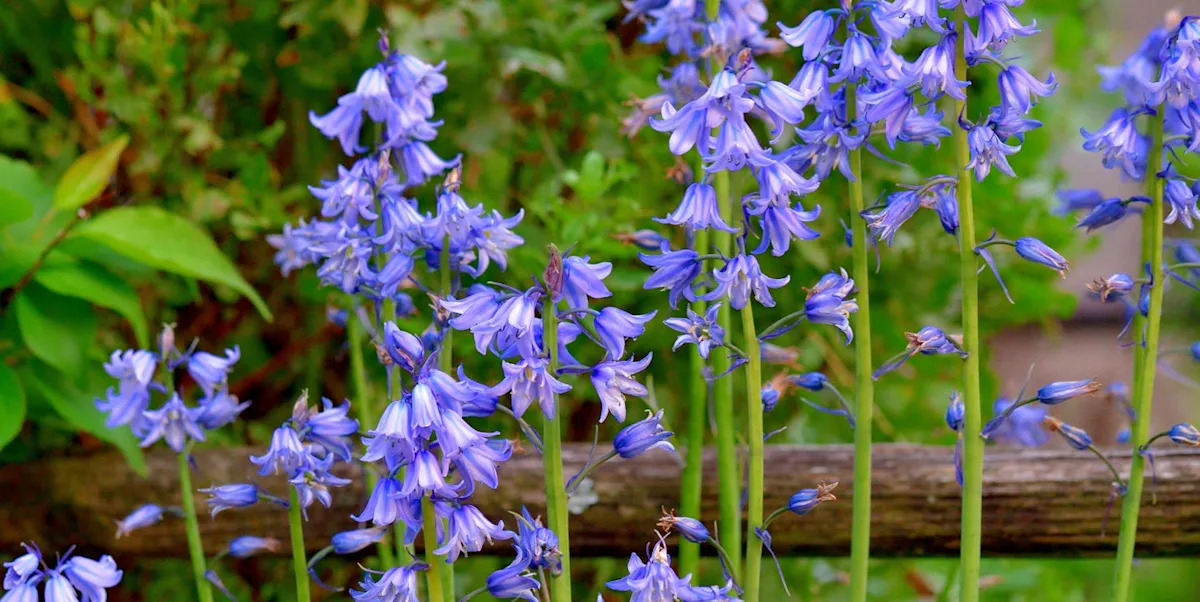
If you’ve spotted bluebells in your garden this spring, it’s worth taking a closer look – because one fast-spreading variety could threaten the UK’s native flowers.
‘Spanish bluebells were originally introduced as ornamental garden plants, but they have the ability to spread aggressively, meaning they are one of the biggest threats to native bluebells,’ says Chris Bonnett, plant expert and founder of Gardening Express. ‘They grow faster, produce more seeds and easily hybridise with native varieties, creating crossbreeds that dilute the UK’s iconic woodland flower.’
If you’ve got bluebells in your garden, it’s worth taking a closer look – here’s how to spot the difference.
1. Check the stem shape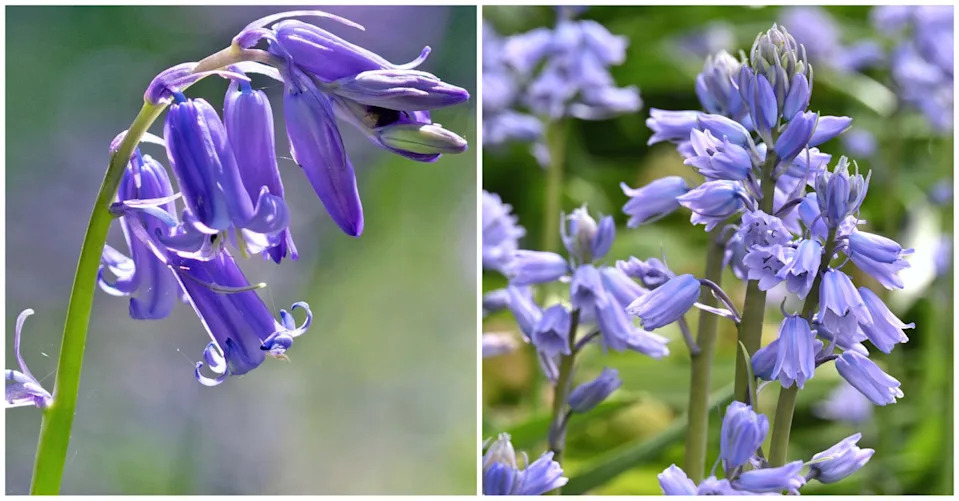
left: English bluebells, right: Spanish bluebellsGetty Images
A key visual difference is the flower position and stem, with native bluebells having a traditionally curved shape.
‘UK bluebells typically have flowers arranged on one side of a gently arching stem, creating the famous nodding appearance,’ explains Jim Dickson, gardening expert at Fothergill’s.
Spanish bluebells, however, have flowers arranged all the way around a more upright, rigid stem, with individual bell-shaped flowers pointing outward in multiple directions.
2. Look at the flowers closely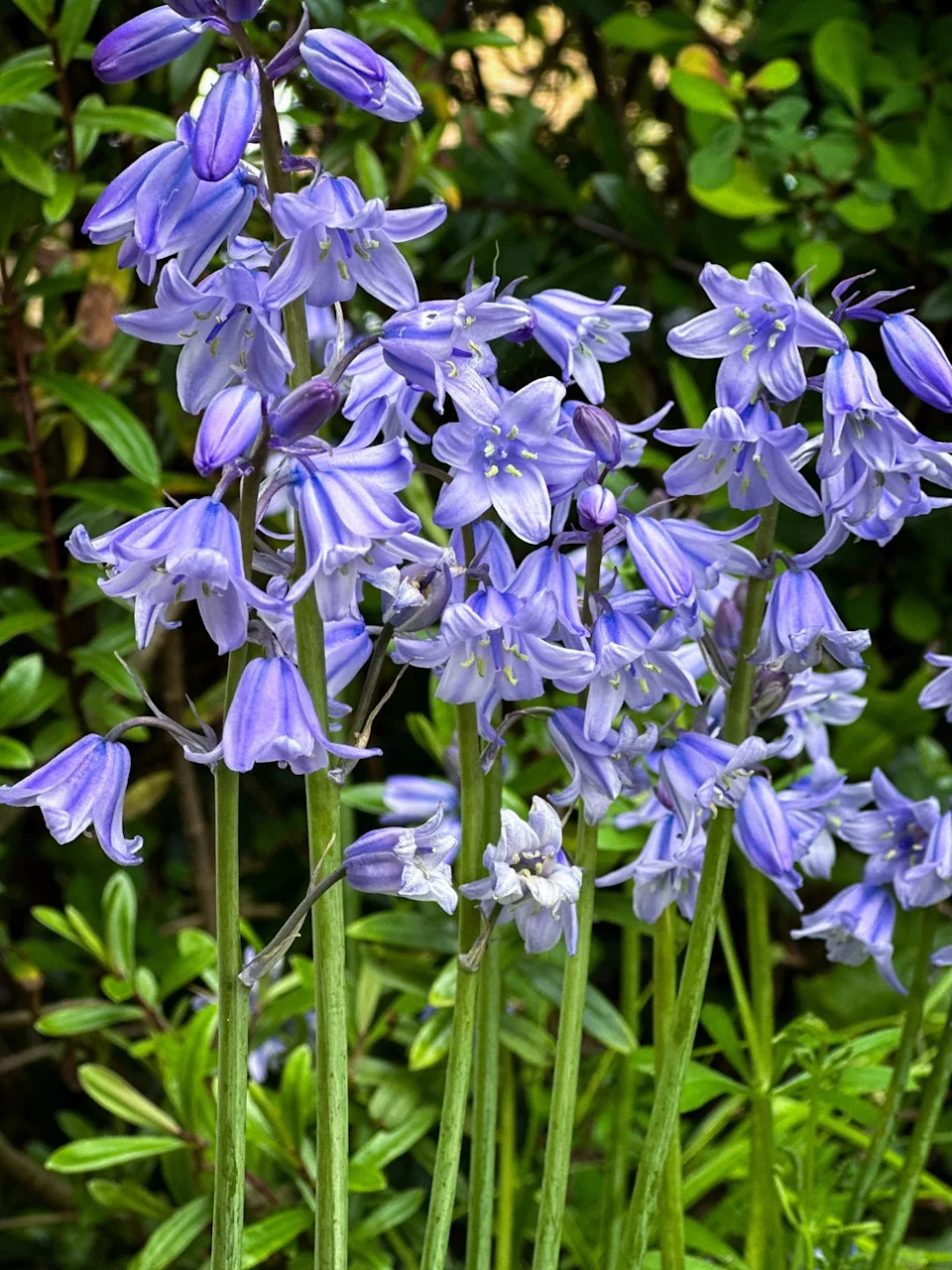
gollykim – Getty Images
‘UK bluebells are a rich violet-blue, often narrower and tubular, while Spanish bluebells are larger, more open, and can also appear in white or pink forms,’ says Jim.
Chris adds that Spanish bluebells are often much paler in tone, sometimes appearing lilac rather than deep blue
3. Notice the pollen colour
A subtle but telling detail: native bluebells have cream pollen, while Spanish varieties tend to have blue or pale green pollen.
4. Smell them
One of the easiest ways to tell Spanish and native bluebells apart is by their scent – and it’s especially noticeable in spring woodlands.
‘UK bluebells have a sweet fragrance, while Spanish bluebells are typically unscented,’ says Jim.
This becomes most obvious in large displays, where native bluebells create a rich, immersive scent that Spanish varieties simply lack.
5. Check the leaves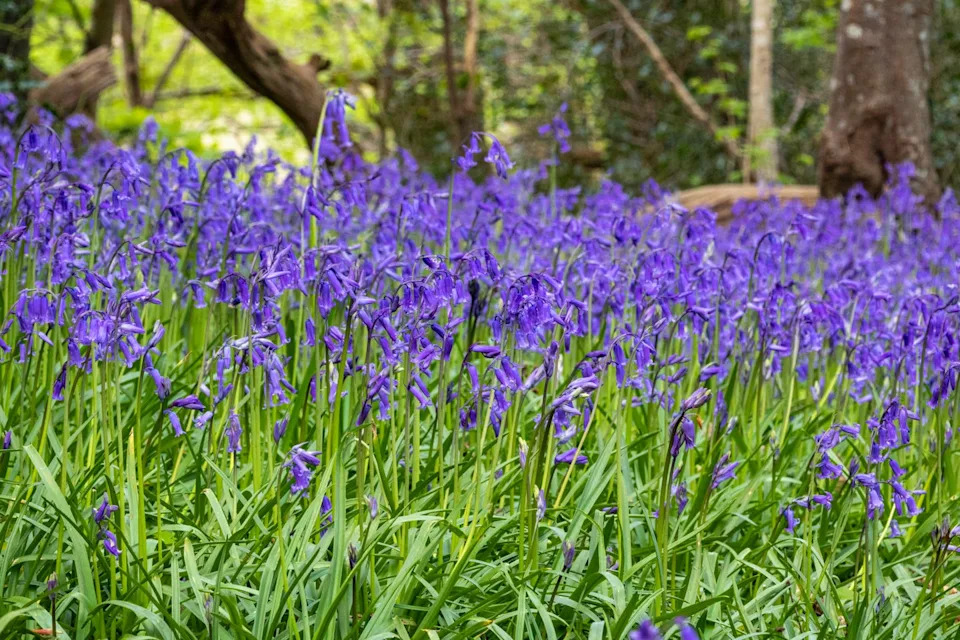
Native bluebells are known for their slender leaves and soft, nodding shapeJohn Insull – Getty Images
‘Spanish bluebells have broader leaves and tend to grow more aggressively, whereas native bluebells have slender, grass-like leaves,’ Jim reveals.
Over time, this difference in growth habit becomes more obvious, with Spanish varieties forming denser, fast-spreading clumps.
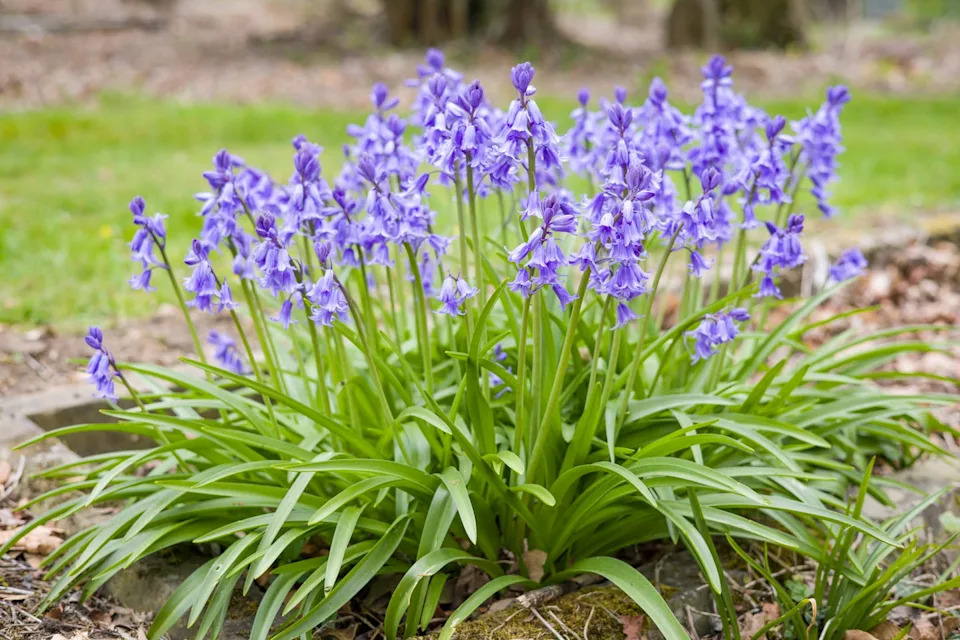
Spanish bluebells form dense, upright clumpsPaul Maguire – Getty Images
6. Watch how they spread
The real concern for UK gardens is how easily they spread – often escaping beyond garden boundaries via seeds, bulbs or even garden waste if not properly managed. While Spanish bluebells are not currently listed as an invasive species by the government in England and Wales, they are still widely considered a threat to native bluebells due to their vigorous growth and ability to hybridise.
‘Gardeners play a crucial role in protecting native bluebells,’ says Chris. ‘Even a single garden population can establish in surrounding areas within a few years, so early identification and careful management can make a big difference.’
Follow House Beautiful on Instagram, TikTok and Pinterest
Habitat Global 2-Seater Bamboo Garden Bistro Set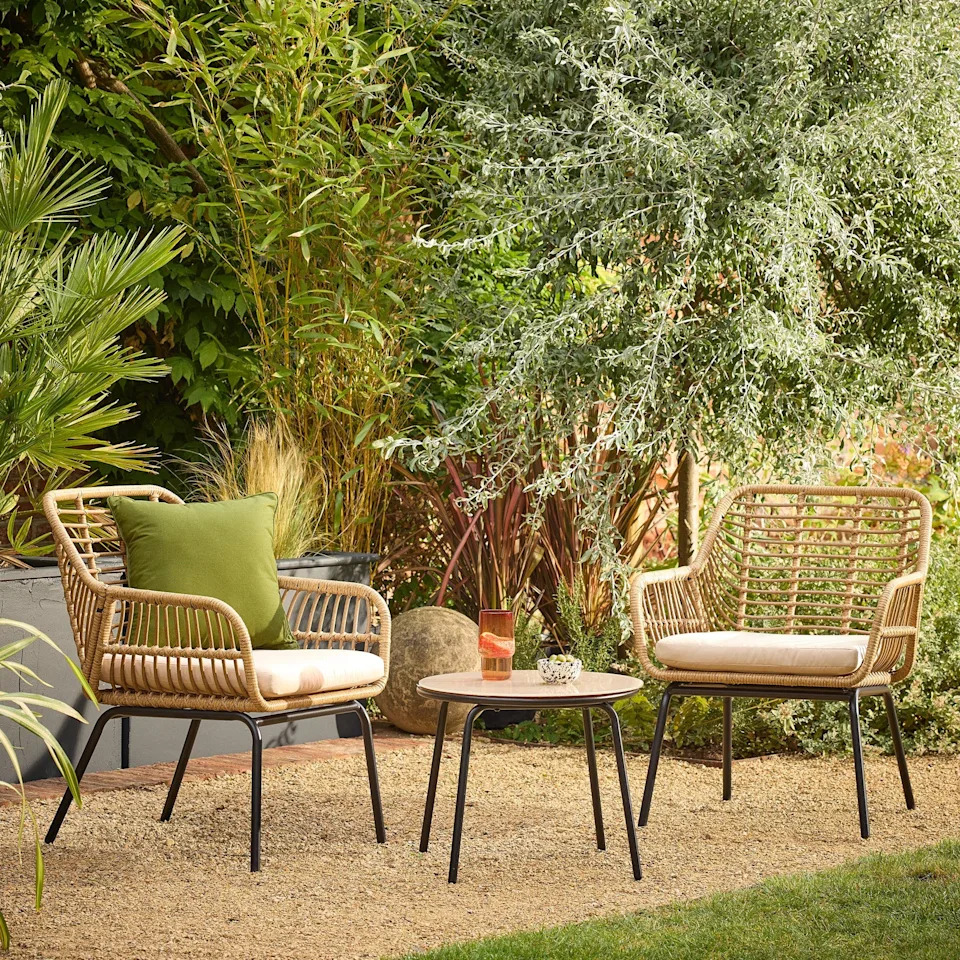
BUY NOW
Habitat Global 2-Seater Bamboo Garden Bistro Set
argos.co.uk
£130.00
ArgosBurgon & Ball Scalloped Indoor Watering Can
BUY NOW
Burgon & Ball Scalloped Indoor Watering Can
amazon.co.uk
£17.99
Amazonnex Natural Scalloped Rattan Outdoor Solar Floor Lamp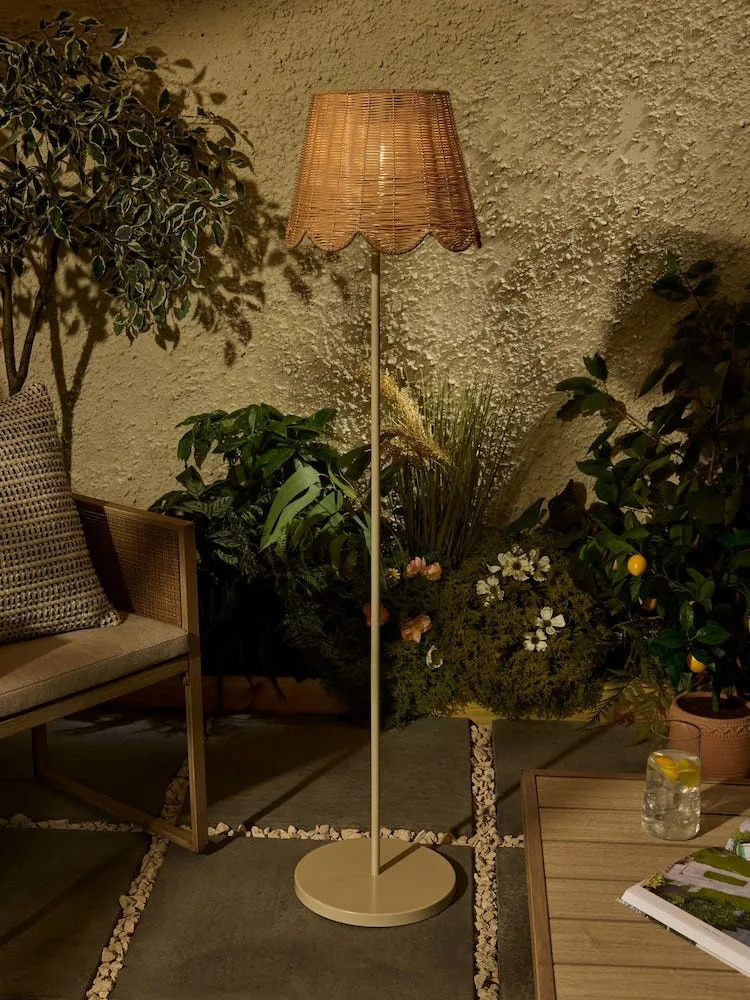
BUY NOW
nex Natural Scalloped Rattan Outdoor Solar Floor Lamp
next.co.uk
£65.00
NextMarcy 2-Seater Sling Garden Sofa, Greige
BUY NOW
Marcy 2-Seater Sling Garden Sofa, Greige
John Lewis
£279.00
John LewisScalloped Edge Smooth Fibre Clay Plant Pot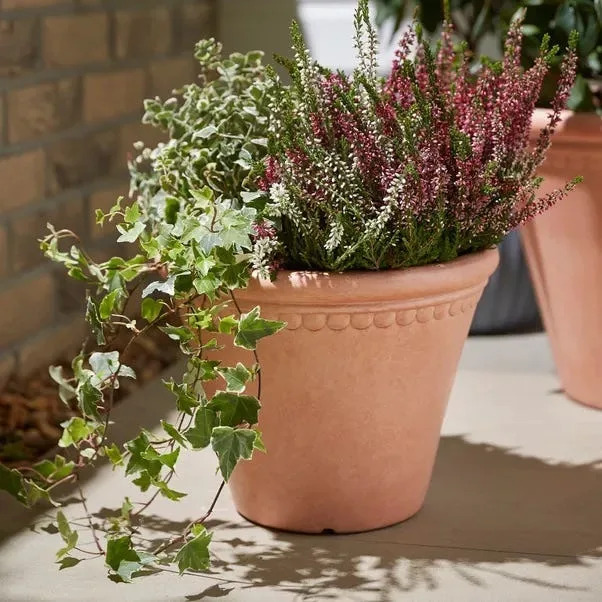
BUY NOW
Scalloped Edge Smooth Fibre Clay Plant Pot
dunelm.com
£25.00
DunelmDibor Dibor Dining Chair Seat Pad Set
BUY NOW
Dibor Dibor Dining Chair Seat Pad Set
amazon.co.uk
£25.00
Amazon
Comments are closed.