
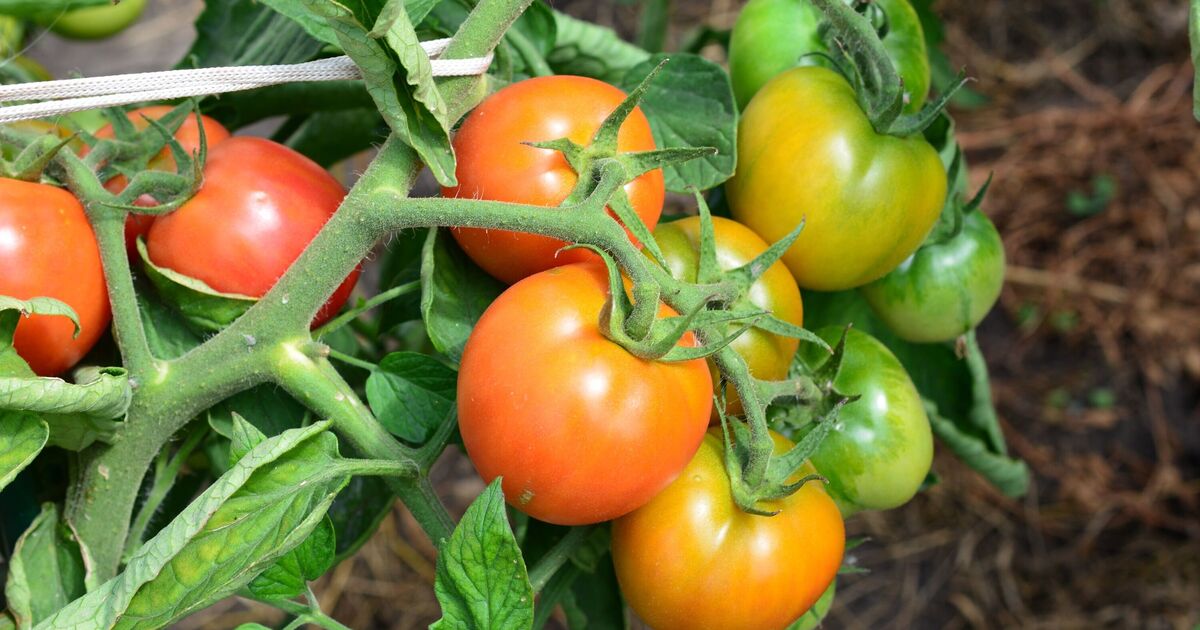
With spring in full swing, home gardeners across the UK are eagerly tending to their tomato plants, one of the country’s most popular crops. Tomatoes are not only easy to grow but also highly rewarding, producing vibrant fruit that is perfect for salads, cooking, and preserving. However, experts are warning that certain parts of the plant require caution.
Tomatine, a naturally occurring chemical in tomato plants, is found in particularly high concentrations in the stems, leaves, and unripe green fruit. While it helps protect the plant from pests and disease due to its fungicidal properties, tomatine can be toxic to humans in significant amounts, potentially causing headaches, dizziness, and nausea if ingested or handled excessively.
But studies suggest an average adult would need to consume at least one pound (roughly 500 grams) of tomato leaves to reach a toxic threshold. That is a massive amount to eat in one sitting.
The Singapore Food Agency explains it well: “The levels of tomatine found in ripe tomatoes are usually low, and not a cause for concern. However, ingesting large amounts of tomatine, especially when consuming unripe tomatoes or tomato leaves, can cause digestive problems which result in symptoms like nausea, cramps and diarrhoea.
“In most cases, the symptoms of tomatine poisoning are relatively mild and subside within a few hours or days. However, in severe cases or for those with pre-existing health conditions, tomatine poisoning can create serious complications which require medical attention.
“If you experience severe symptoms of vomiting and stomach pain within an hour of eating tomatoes, and these symptoms do not go away, it is best to seek medical treatment immediately.”
Amy Grant from Gardening Know How who has been gardening for 30 years also said: “When ingested in extremely large doses, [tomatine] may cause gastrointestinal problems, liver, and even heart damage. It is highest in concentration in the leaves, stems and unripe fruit; ripe red tomatoes have very low doses of tomatine.
“This doesn’t mean that you should avoid fried green tomatoes though. It would take huge amounts of tomatine to make a person ill.”
She added: “Those suffering from autoimmune disorders should avoid digesting tomatoes and other members of the nightshade family, which may lead to issues with inflammation.”
Spring is arguably the most critical season for tomatoes because it bridges the gap between a fragile seedling and a productive, weather-hardy plant. Spring provides the warming soil and longer daylight hours needed for these seedlings to grow stronger. During this time, they develop thicker stems, deeper roots, and more leaves, which are essential for supporting flowers and fruit later.
Comments are closed.