
Expensive gas, groceries and gardening 👨🌾
Most people don’t realize that conventional nitrogen-based fertilizers are made from natural gas aka fossil fuels. Not only is this rough on the climate, but their prices are heavily impacted by disruptions to global supply chains. So when there’s a war in the Middle East, expect farmers to suffer and consumer prices to rise 😤
As if farmers weren’t struggling enough, the prices for their fertilizer inputs like urea (a crystallized form of nitrogen) have risen by almost a third since the war began, and with diesel also in short supply, shipping prices are up too. Not only does that mean higher gas and groceries, but also more expensive retail fertilizers as well (SOURCE: CNN)
So if you are an avid gardener, here are three ways you can keep your costs down this spring:
Buy organic 🥬
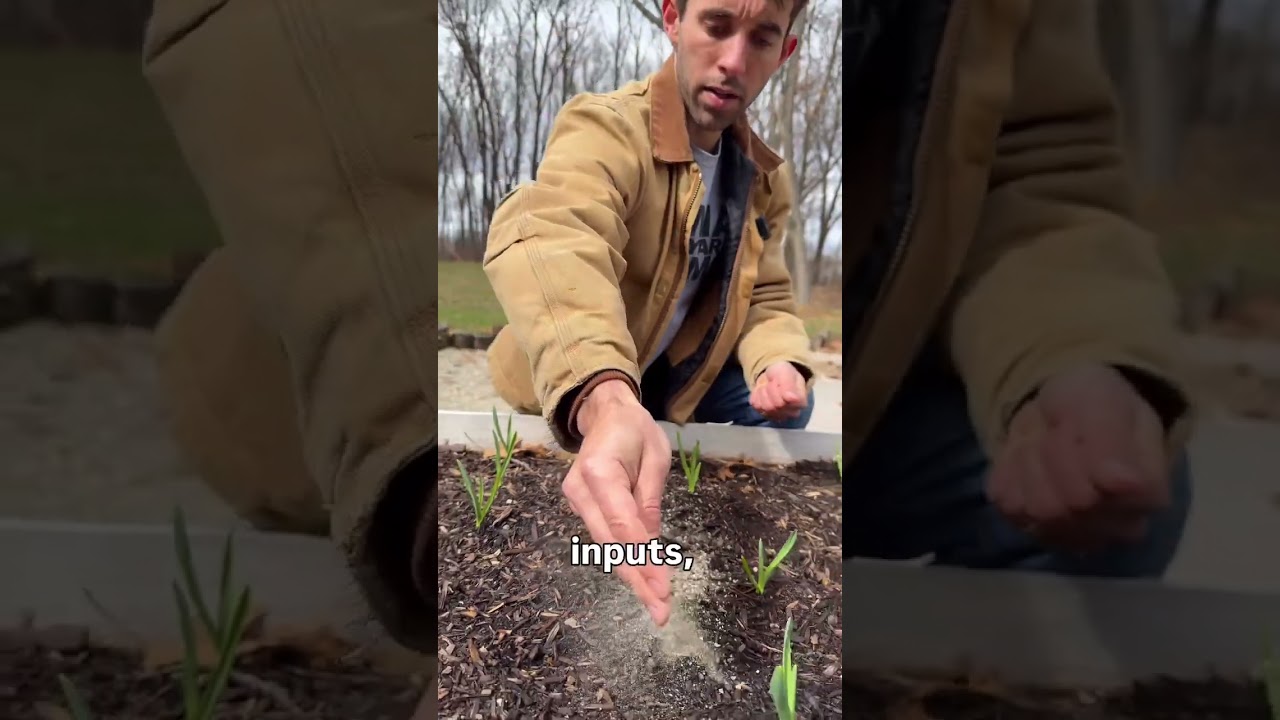
The easiest way to avoid the synthetic fertilizers is to buy organic fertilizers instead. These fertilizers are made from inputs like manure and compost that are sourced more locally and less dependent on global supply chains. Plus they’re better for your soil microbiome! My go to is espomaorganic
Create your own compost 💩
Diverting food scraps away from the landfill and mixing them with brown waste from your yard can create a wonderful homegrown compost pile that your plants will love. You need a bit of outdoor space to get started, but if you have the time and energy, it is free fertilizer made by Mother Nature
Plant nitrogen-fixing plants 🌱
If you really want to revitalize your soil each season, you can rotate your plants and sow cover crops that pump nitrogen back into the soil naturally. Cover crops like rye, buckwheat and beans are great options that will help your soil build strength over time
4 Comments
So you want to talk shit about world leaders to promote you buisness, and someone else is probably doing all the work
Fish emulsion or bone meal are great
So.. organic veggies should have no reason to be raising their prices?
No.
Start composting
Start your worm farms
Grind your egg shells
Start utilising the goldmine of elements that you are throwing away as waste.
None of which takes much space or time to set up.
This then would be zero cost to you for food/fertilizer and you would be a responsible Gardner.