
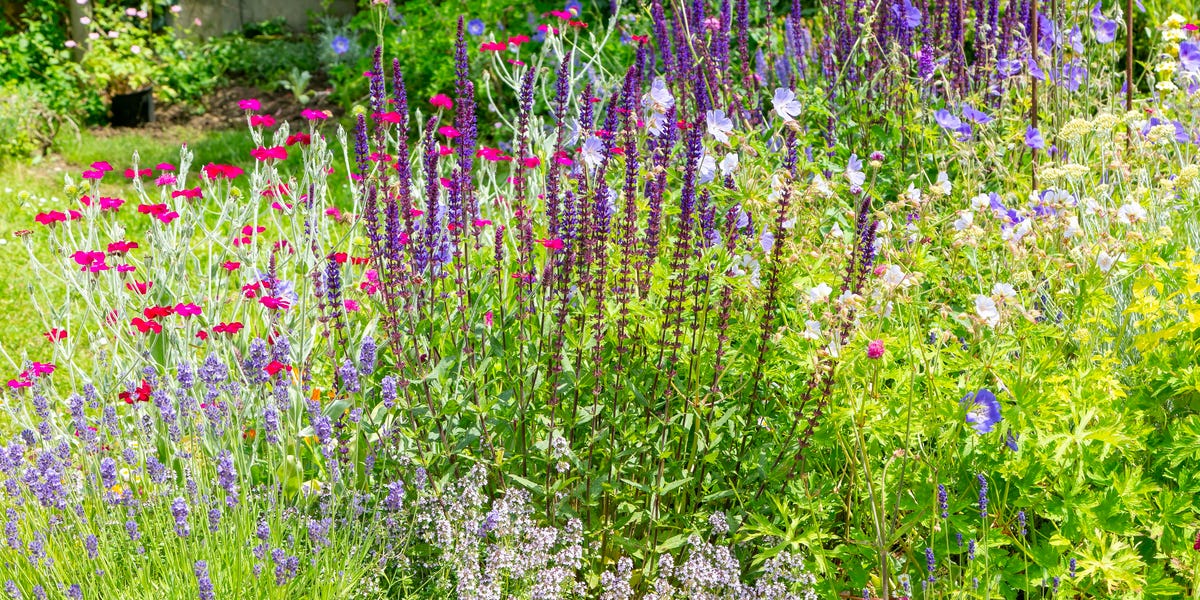
Wild gardens are no longer the preserve of sprawling country plots. As homeowners and renters alike look to carve out outdoor ‘micro escapes’, demand for relaxed, nature-led planting is rapidly growing.
The data backs it up. Pinterest reports searches for ‘garden inspiration ideas’ have surged by 940 per cent, while ‘balcony makeover ideas’ are up 165 per cent — a clear sign that even the smallest outdoor spaces are being reimagined.
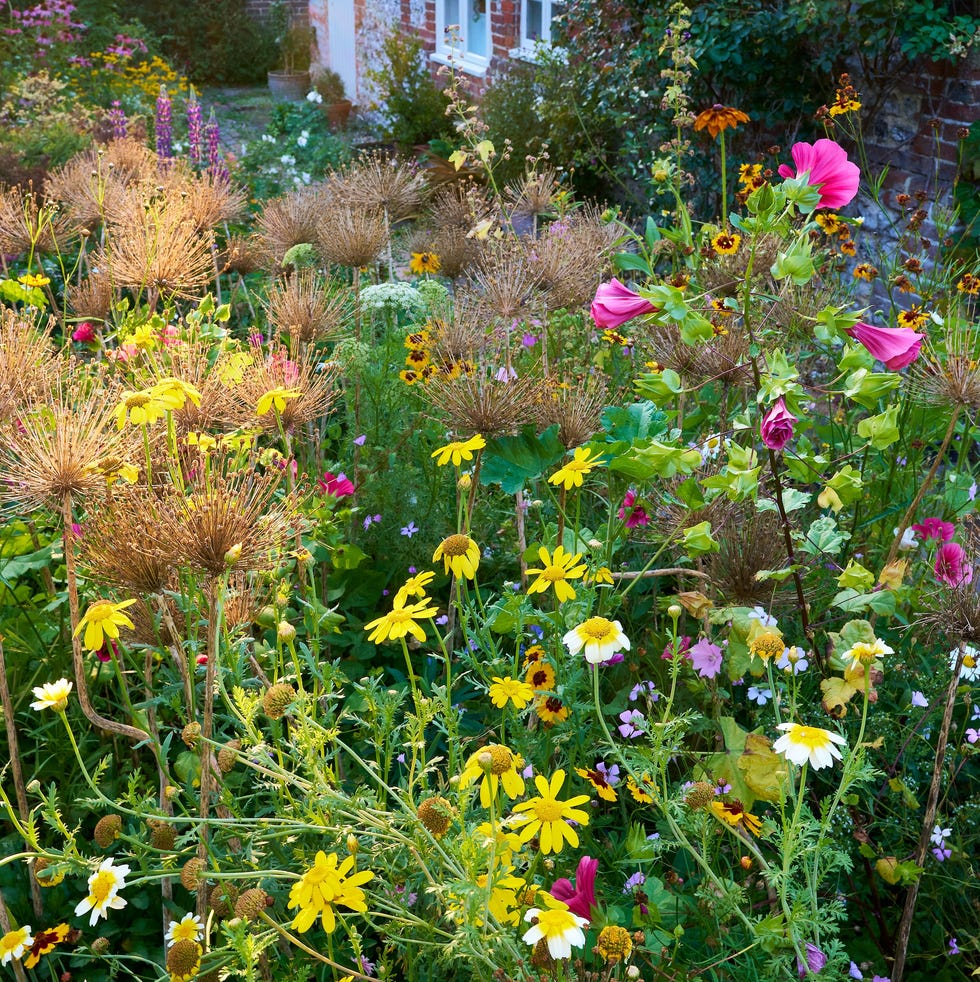
And it’s not purely about aesthetics. A survey by Barker and Stonehouse found that one in five Brits now prefer a wild garden style, favouring lush, layered planting, meandering pathways and spaces where nature is free to thrive.

Matthew J. Thomas//Getty Images
But how do you bring that look — and its biodiversity benefits — into a small garden or even a balcony?
Start with the right plants (and the right soil)
A true wild garden isn’t about letting everything grow unchecked — it’s about creating the right conditions for wildlife to thrive.
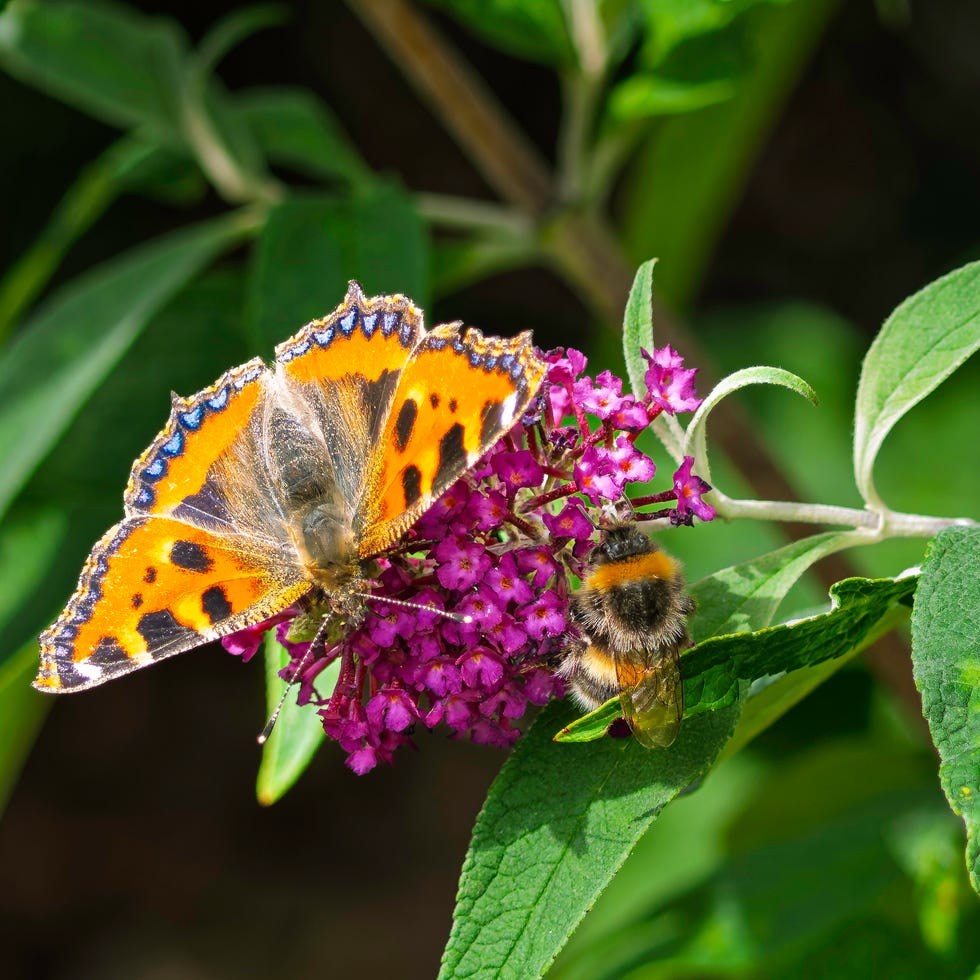
‘Many insects prefer simple, flat flowers as they are easier to feed from,’ says Guy Jenkins, consumer manager at Johnsons Lawn Seed. ‘A sunny and sheltered position will offer ideal growing conditions where the scent and colour of the flowers can be easily detected by butterflies and bees.’
GrahamM Creative / 500px//Getty Images
When choosing plants, think pollinator-friendly first. ‘Herbs like lavender, thyme and oregano are very appealing to insects, alongside verbena and milkweed,’ Guy explains. ‘People who are lucky enough to have a Buddleia in their garden will also know that these beautiful flowering bushes are an absolute feast for butterflies. Fruit trees, especially apple, are another important source of both nectar and pollen for bees as well as butterflies. If you look out for the RHS Perfect for Pollinators logo, you can’t go wrong.’
Just as important is how you sow. ‘The mistake I see most often is when people simply scatter flower seeds on top of grass in the hope that something will somehow take root! You need to treat wildflower seeds in the same way you would any other flower, fruit or vegetable plant, and sow them in cultivated soil,’ he adds.
Think vertically in small spaces 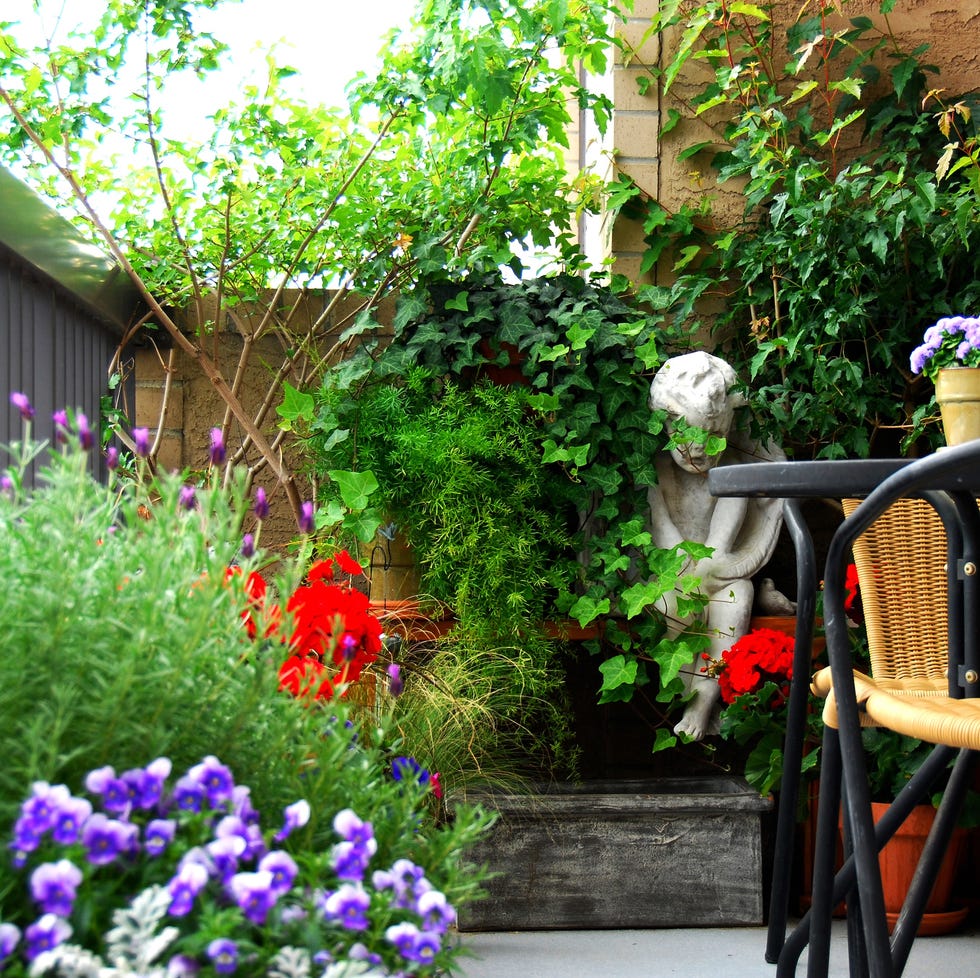
madlyinlovewithlife//Getty Images
No lawn? No problem. For balconies and compact patios, Guy recommends making use of height.
‘Make the most of a smaller balcony or patio area with a vertical garden that uses a sturdy trellis or another upright structure that you can fix planters to. You can upcycle any sort of container, as long as it isn’t too heavy, for a boho-style vertical garden that will fill up with beautiful wildflowers throughout spring and summer.’
Climbing plants, trailing herbs and stacked planters can create the layered effect of a larger wild garden — even in just a few square metres.
Let it look natural
The appeal of a wild garden lies in its softness. Rather than pristine lawns and perfectly edged borders, think looser planting, gentle curves and pockets of shelter for insects and birds. Leave seed heads standing where possible and allow certain areas to grow a little more freely — especially if space allows for a ‘wilder’ corner.
The goal is biodiversity first, beauty second — although the two often go hand in hand.
Choose furniture that blends
Once planting is established, furniture should work with the garden — not compete with it.
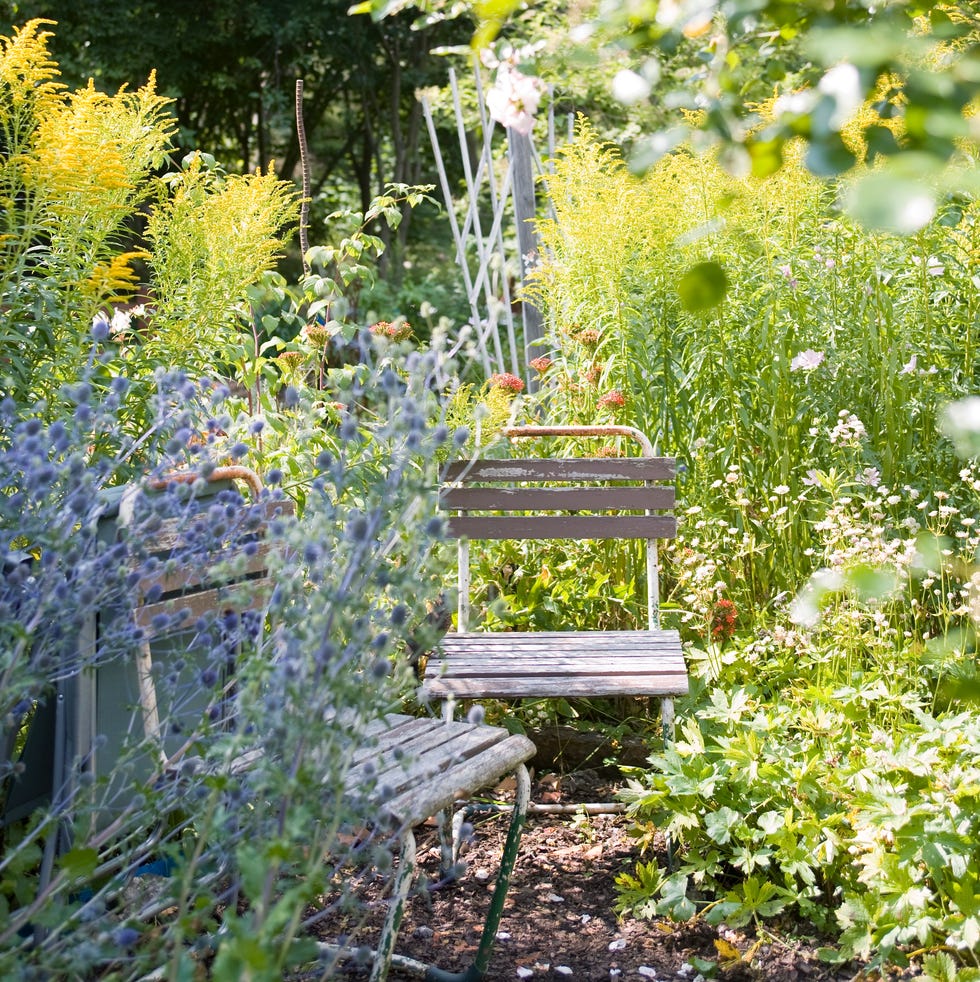
ZenShui/Sigrid Olsson//Getty Images
‘When placing furniture in a wild garden, consider tucking seating into hidden or partially secluded spots to create peaceful retreats,’ says Magdalena Gierasinska, head of product and displays at Barker and Stonehouse. ‘Positioning a bench beneath a tree canopy, a reading chair nestled within tall grasses, or a small table set behind climbing plants can offer a sense of discovery and tranquillity.’
Material choice matters too. Opt for natural and repurposed wood, which develops a soft patina that enhances its rustic charm. ‘Choose furniture with slender frames, woven details, or foldable designs to support an open, airy design that allows your garden to remain the focal point and feel less imposing in a natural setting,’ Magdalena suggests.
Acacia Wood Foldable 2-Seater Garden Bistro Table & Chairs Set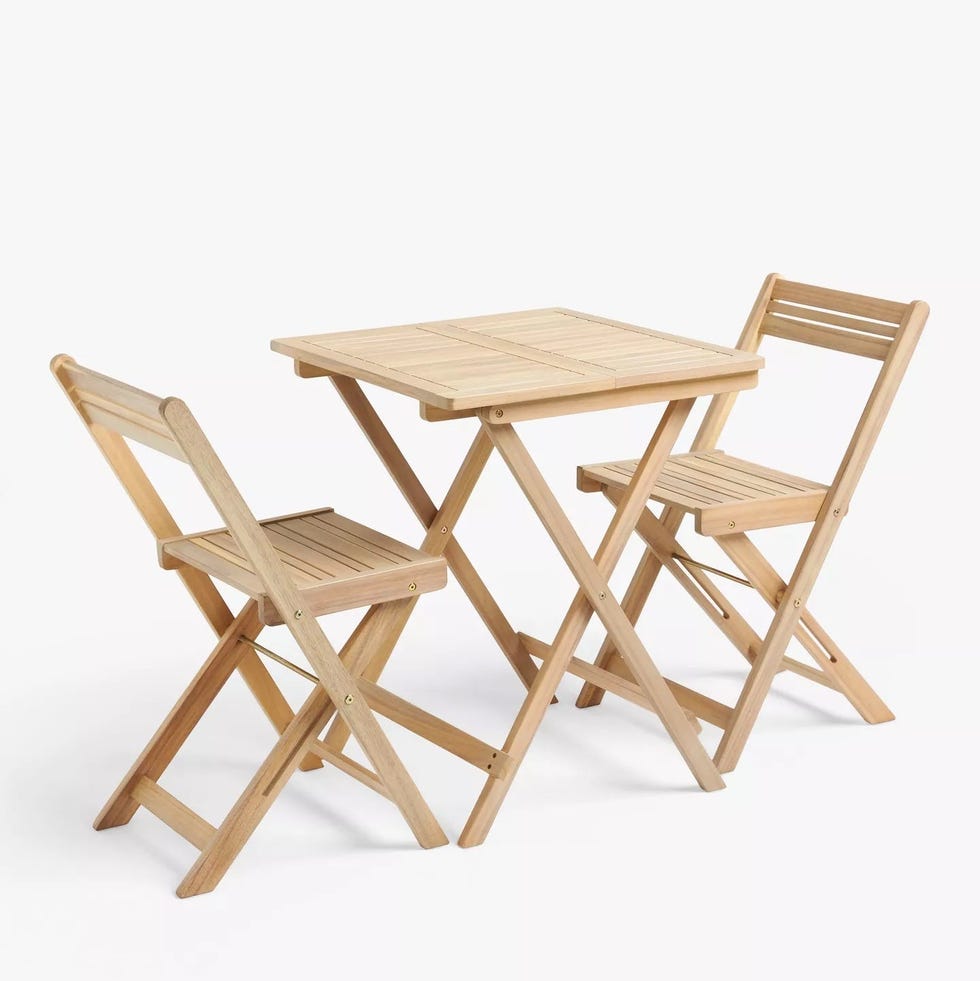
Now 20% Off
Credit: John Lewis
Follow House Beautiful on Instagram, TikTok and Pinterest
Comments are closed.