
7 Things You Don’t Need for Your GardenPhotos by R A Kearton – Getty Images
On the first spring-like day, you’ll find me outside with my hands in the dirt. Gardening is my passion, my therapy and my sanity. But when you spend as much time as I do outdoors, you learn a few tricks about how to save money.
Paging through seed catalogues or perusing websites, there are so many gardening gadgets that promise to make my time in the garden easier and more productive. Much of it is marketing—and growing up in my grandmother’s garden, she taught me to be thrifty and evaluate every too-good-to-be-true promise with a skeptical eye (which is actually a good rule from Gram for many other aspects of life!).
From saving seeds to collecting rainwater to sharing cuttings with other gardeners, there are plenty of ways you can save money. But one of the easiest methods is to learn what you don’t need in the first place—either because it’s not based on science or it has limited practicality. Some of these tips I’ve learned from Gram and through the years of experience, while others I’ve gained from horticulturists and gardening experts I’ve interviewed for my articles.
While you may feel differently—because everyone gardens their own way—these are the items I’ve learned not to waste money on in my own garden:
1) Landscape Fabric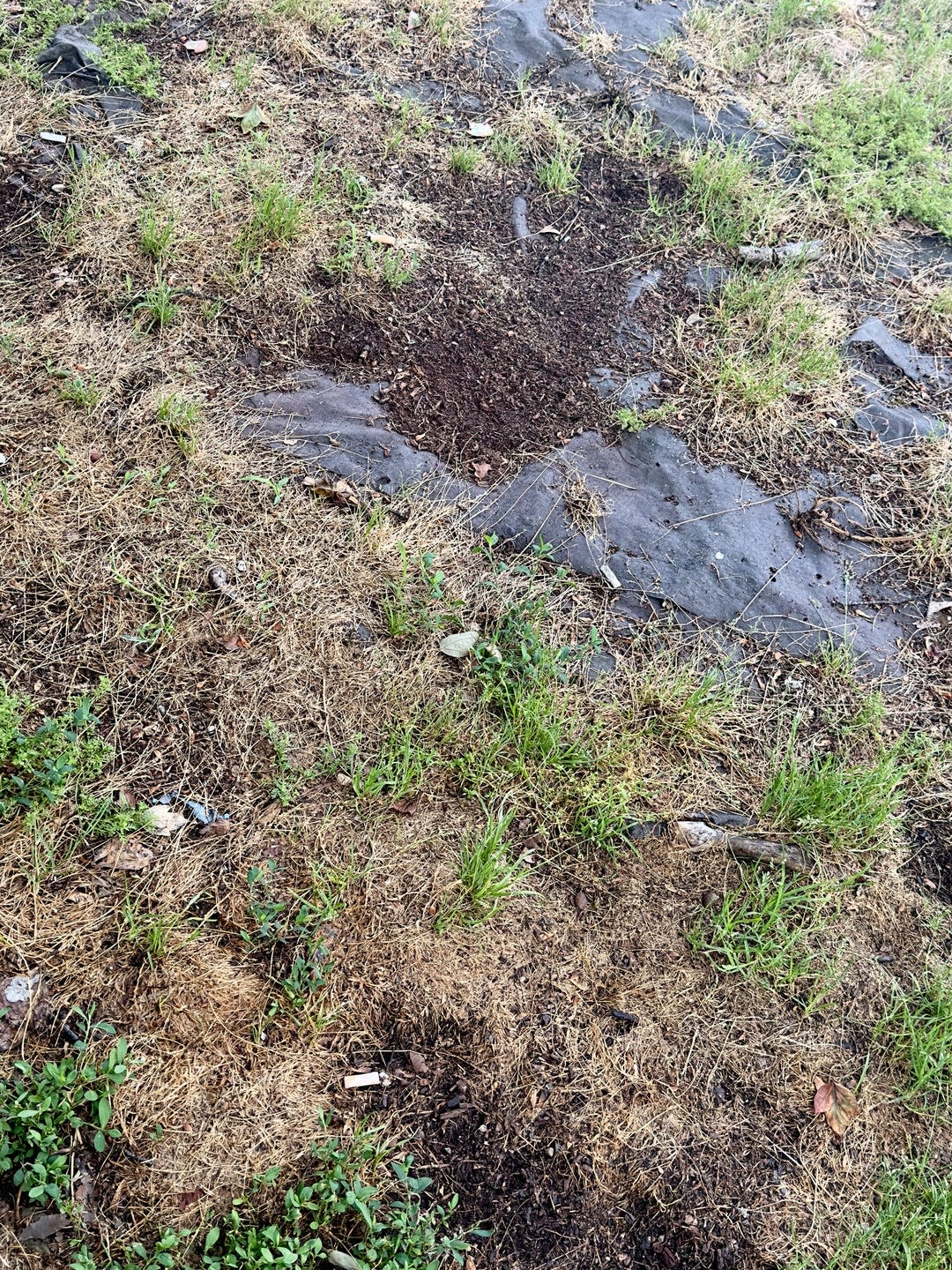
Photo credit: Douglas Sacha – Getty Images
Years ago, these fabrics were advertised as a long-term solution that would eliminate the need for weeding. Guess again! Landscape fabric is a big, fat maintenance nightmare. It’s impossible to keep plant debris and organic matter, such as falling leaves, from landing on top, so you’ll soon have a nice, rich medium for weeds to grow on top of the landscape fabric.
Weeds and plant roots eventually work their way through the fabric, too, making its removal nearly impossible. Organic mulches are a better choice for weed control, making it easy to pull weed seedlings. Plus, they help retain moisture and keep roots insulated from heat and cold for better plant health.
2) Soil “Boosters”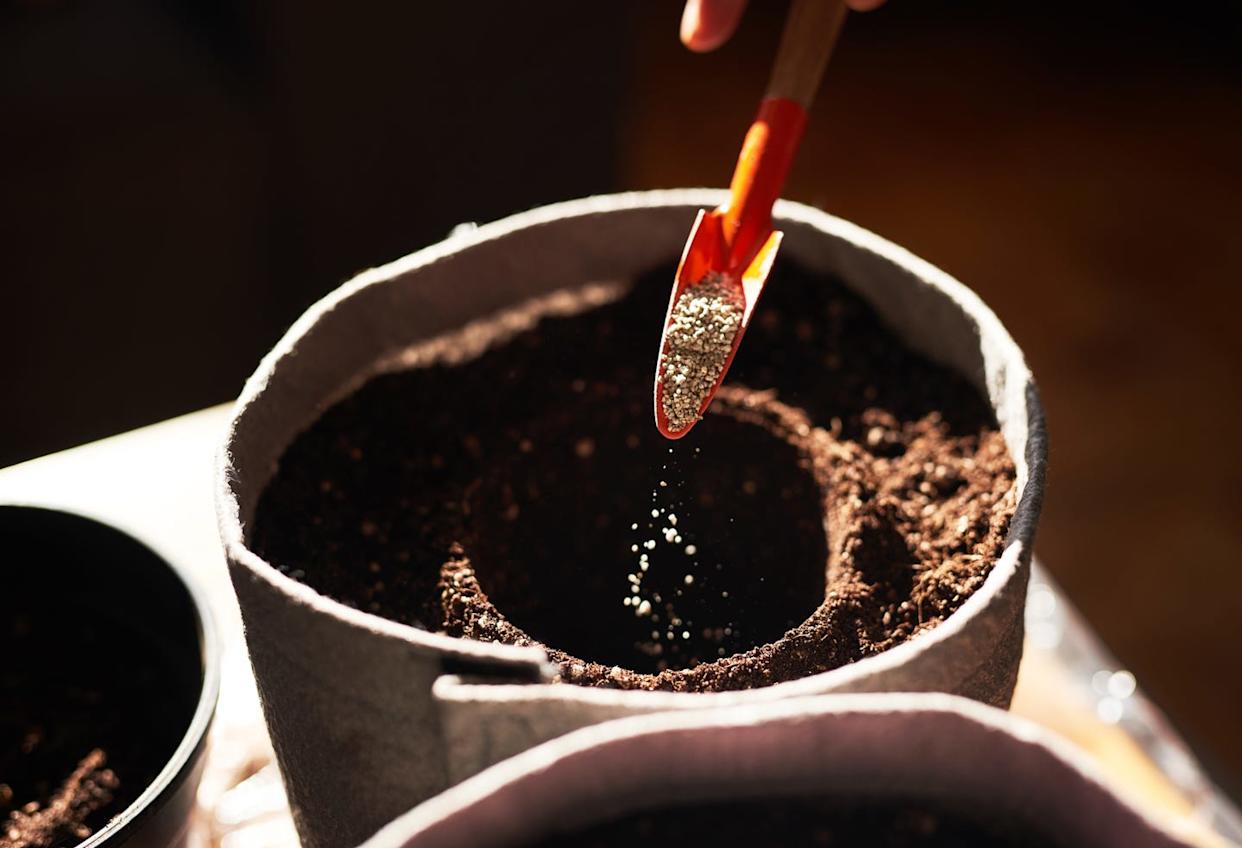
Photo credit: Hiraman – Getty Images
In recent years, many pricey commercial products have been introduced that promise to deliver beneficial fungi, such as mycorrhizae, to your garden to help your plants flourish. Yet many studies have shown that these products are ineffective and unnecessary.
In fact, a recent study of 250 products found that 88 percent of the time, the promised fungi were not present in the soil— and that some products actually contained a pathogen that harms plants, had undisclosed chemical fertilizers, or didn’t contain spores for the fungi they’re meant to produce. My takeaway? Work on healthy soil by adding compost and minimizing or eliminating the use of chemicals.
3) Flimsy Tools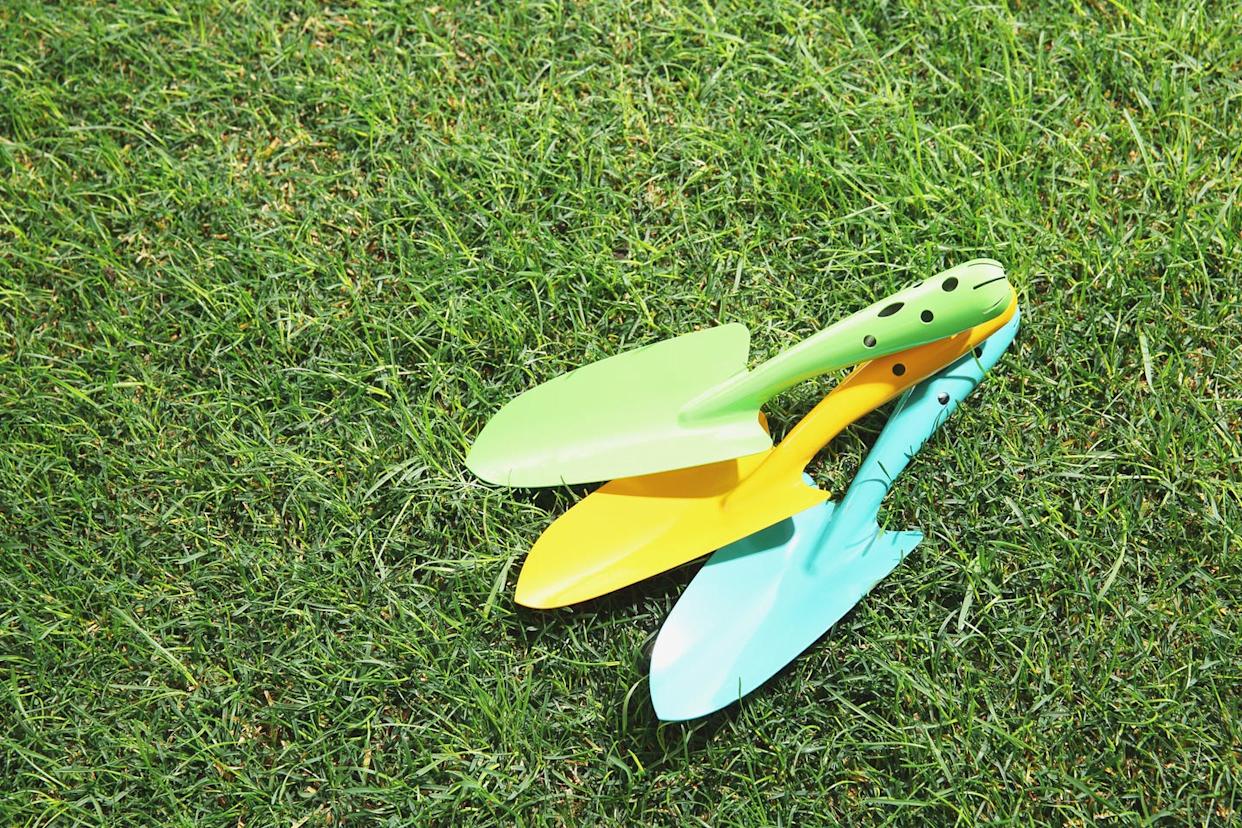
Photo credit: Aflo Images – Getty Images
Cheap tools have flimsy metal and plastic parts that break in compacted soils. I skip these because I don’t want to get hurt when a trowel snaps in half while I’m trying to dig or pruners break when attempting to trim a branch.
I also don’t want tools to end up in the landfill every year. Instead, I purchase those made from stainless steel, that can be sharpened or have replacement parts, or that have some sort of warranty.
RELATED:Enchanting Small Garden Ideas You Can Actually Afford
4) Single-Use Tools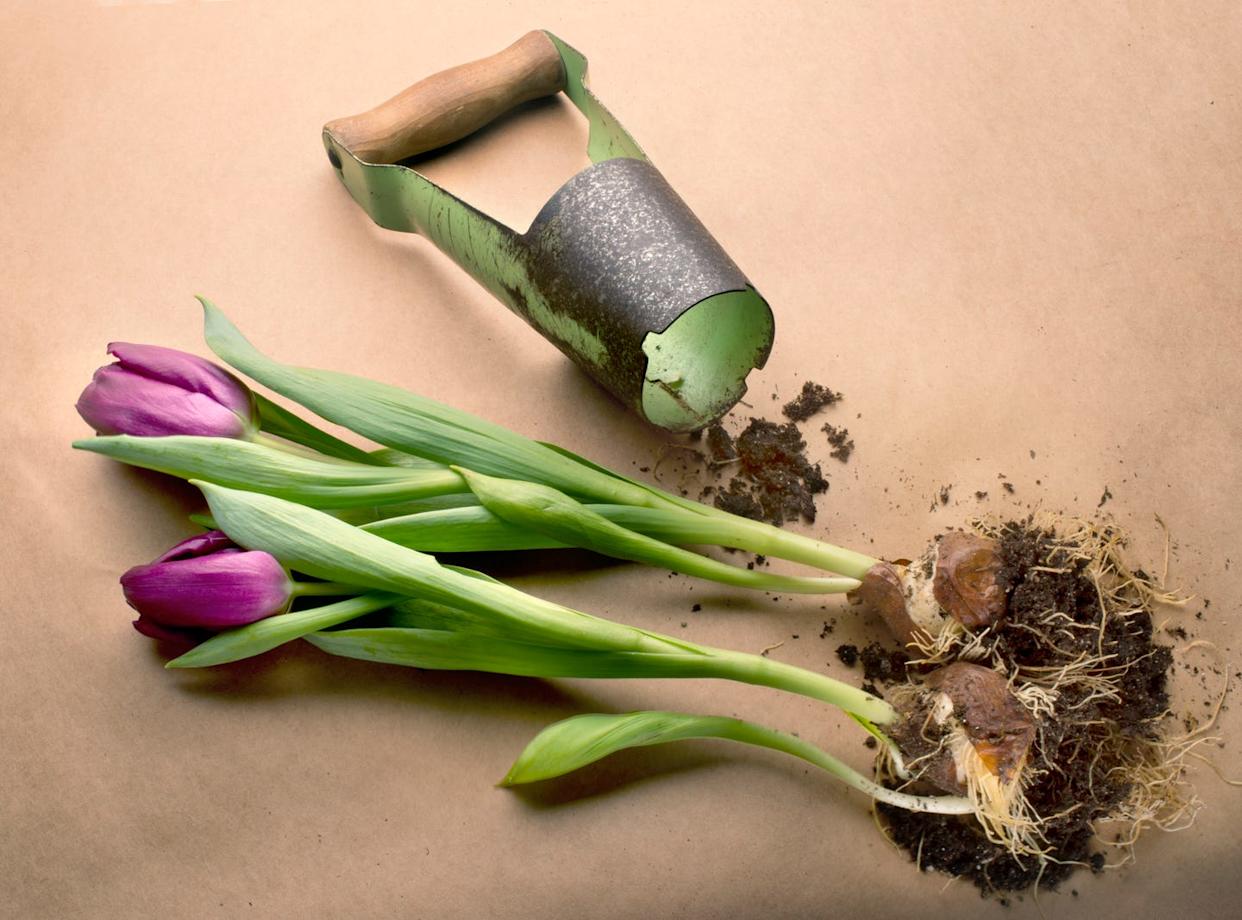
Photo credit: ATU Images – Getty Images
Single-use tools seem like they’ll make a specific gardening chore more efficient, but they’re just a waste of money. For example, you really don’t need a bulb planter when your garden trowel works just fine. Why purchase something you’re going to use just once or twice a year?
Instead, invest in good quality tools that serve multiple purposes: A garden trowel, a garden knife, a garden spade, and pruners.
5) Spike Aerating Shoes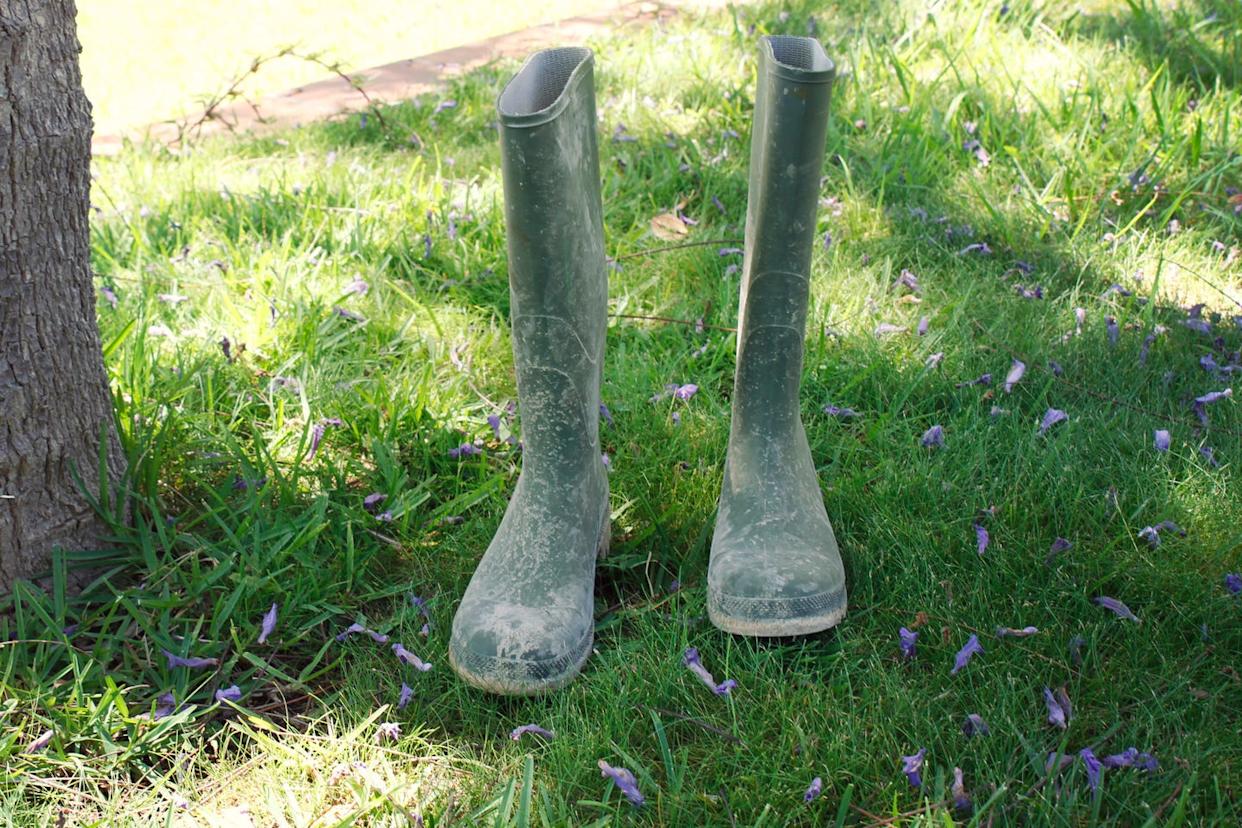
Photo credit: Isabel Pavia – Getty Images
You may have heard that aeration is a good idea to keep your lawn healthy. Ideally, soil should contain a relatively equal number of small pores that hold water and big pores that hold oxygen. But soil becomes compacted over time; aeration can create large pores for air so roots can breathe, stimulating new growth.
You can aerate your lawn two ways: Core aeration, which pulls up small, rounded plugs of soil (ideally 3 to 4 inches deep and ½-inch wide), and solid-tine aeration which simply pokes holes in the soil. The issue is that solid-tine aeration is not as beneficial because it actually may create compaction—the exact opposite of what you’re trying to accomplish.
Thus, walking around on your lawn in spiked shoes—which is a form of solid-tine aeration—doesn’t accomplish anything because the tines aren’t deep enough, nor do they pull up cores of soil, which is the most advantageous way to aerate.
RELATED: The Best Gardening Tools for a Picture-Perfect Yard
6) Expandable Hoses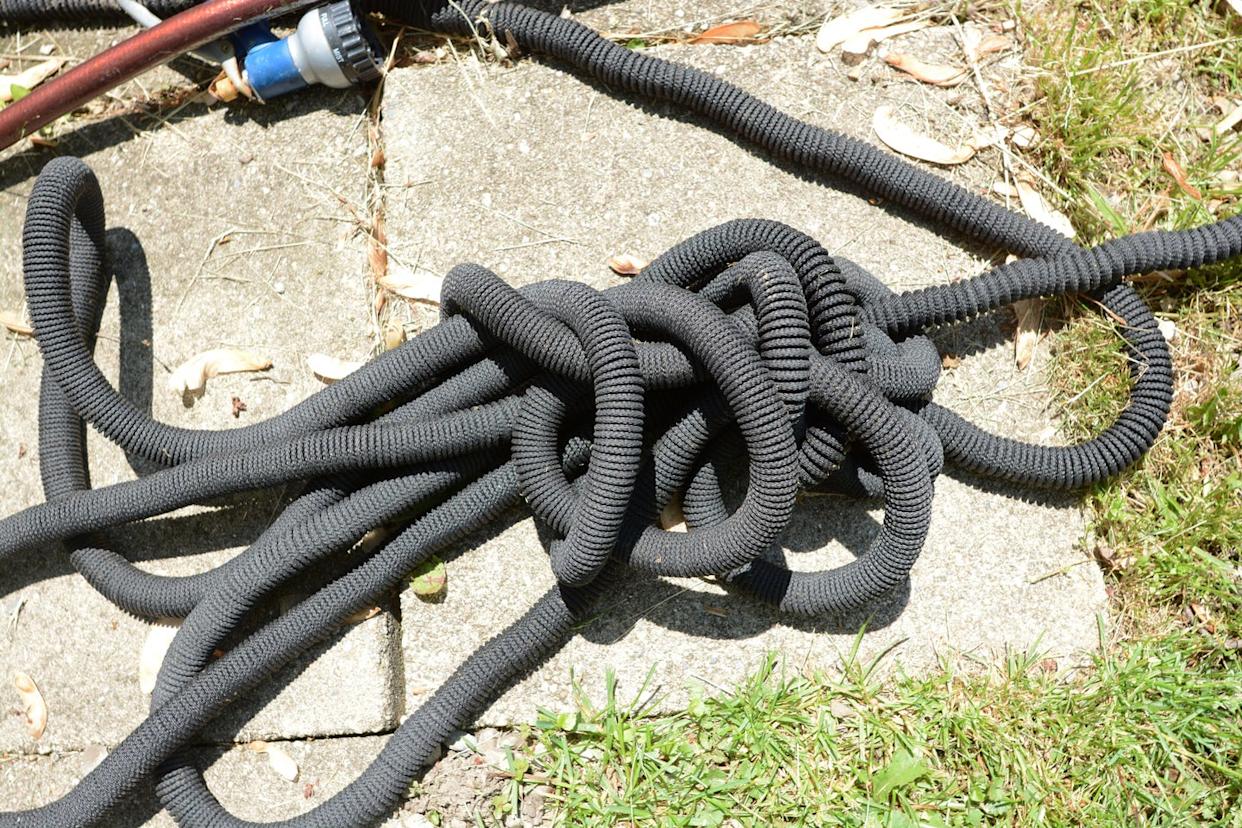
Photo credit: Deb Perry – Getty Images
I know plenty of people love these hoses, but I despise them. I find them unwieldy and hard to coil up. The metal ones also get too hot to touch if they’re out baking in the sun. They also don’t last very long, ending up in the landfill after a season or two. I much prefer durable hoses for a more sustainable garden.
7) New Seeds Every Year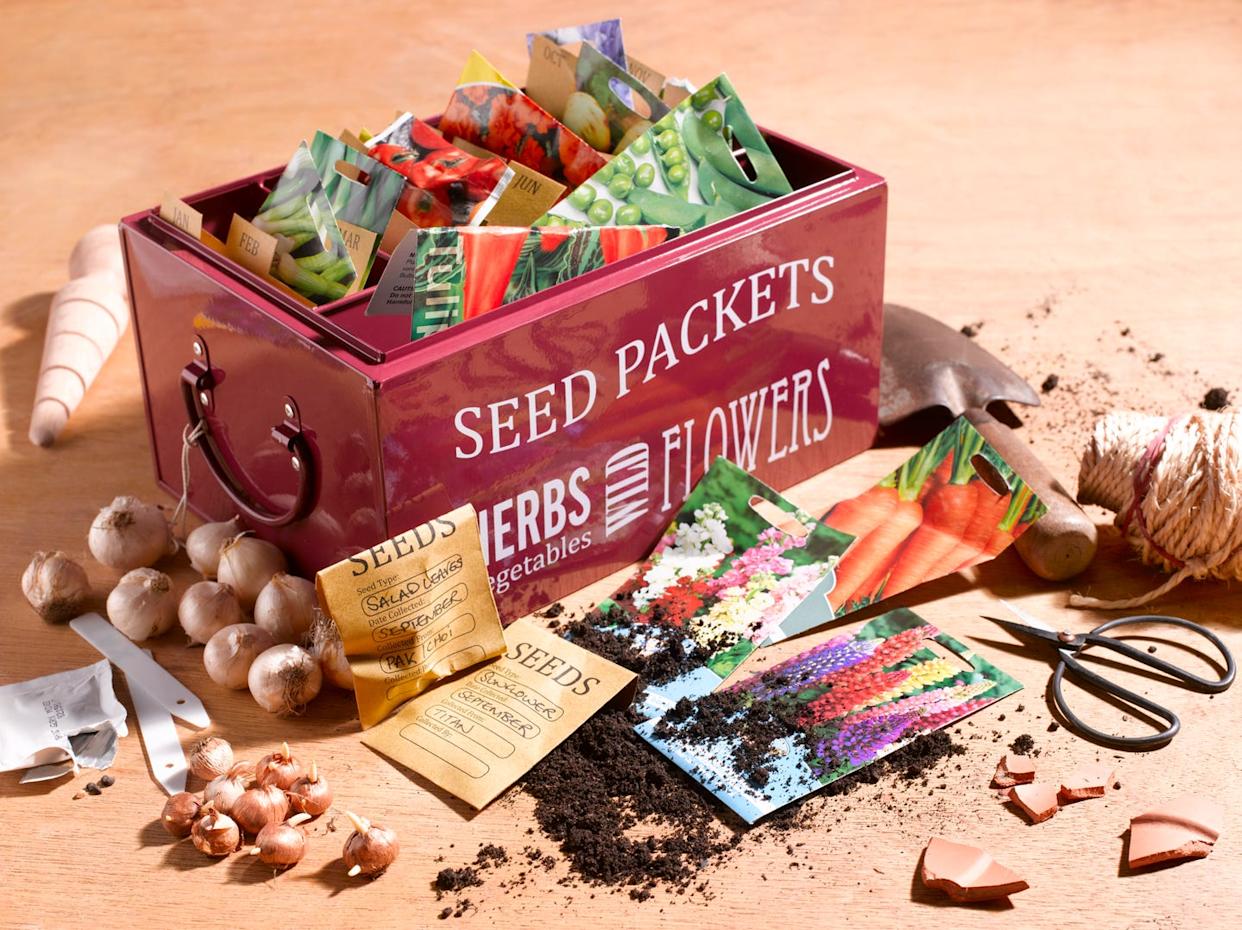
Photo credit: Peter Dazeley – Getty Images
Of course, it’s fun to go seed shopping— but it’s not totally necessary if you still have some seeds left over from last year (or even the year before). In fact, if stored properly, most seeds remain viable from two to five years. Keep them in their original seed packets, and store those inside a plastic zipper-top bag.
A few types of seeds, such as corn, carrot, spinach, lettuce, and many herbs, don’t germinate well after 2 or 3 years, but for the most part, you’ll be able to use seeds for a few years minimum.
Read more: How to Tell if Seeds Are Still Good to Plant Before Spring
You Might Also Like
Comments are closed.