SERIES 37 | Episode 08
Why is the base of my eucalypt tree swollen?
MILLIE: We can see there is a huge swollen lump at the base of this eucalypt and it’s called a lignotuber. It’s an adaptation that many eucalypts use to resprout or regrow after damage, such as after a bush fire.
It’s a common feature that you’ll find on a lot of mallee eucalypts, which generally have multiple stems and that is because they are reshooting from the buds in that lignotuber. It is an incredible feature for survival, but I reckon it also looks absolutely gorgeous!
What are the best plants for attracting birds?
CLARENCE: When it comes to attracting birds into your garden, there are so many beautiful plants to choose from. Nectar filled flowers like grevilleas are an obvious choice for the insect and honey eaters, but just like everything else, diversity is key.
The foliage of grasses can provide shelter for species that forage in the ground, like thornbills, as well as nesting materials and seed for species like finches.
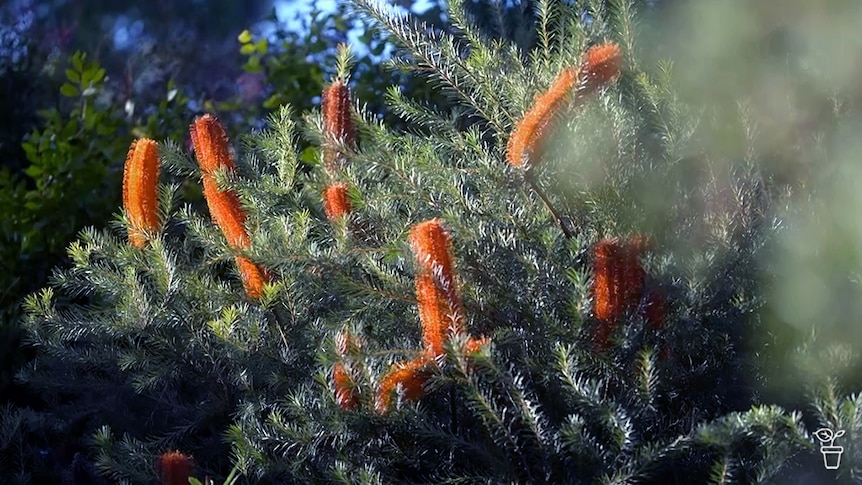
When it comes to offering seed, you cannot beat the allocasuarina and banksia, whose spectacular seed pods hold a favourite snack for some of our most beloved of birds, the black cockatoo.
Why are some leaves purple?
SOPHIE: Most leaves are green, but some leaves turn red, orange or purple in autumn before they fall. But what about plants that have purple leaves all year round? Leaves that appear red and purple have high levels of anthocyanin pigments that absorb red and purple light.
They still have chlorophyll to photosynthesise, but a lower proportion. For some plants, purple leaves don’t provide any advantages; they can even cause slower growth.
This can occur through mutation or be encouraged through selective breeding. Others turn purple in response to stress or lower light conditions. It’s thought that the purple pigments can help reduce the absorption of light, so they can be protective to plants that are not used to a lot of sunlight.

Comments are closed.