
 3 min read
If you’re looking for a fuss-free flower that won’t require you to baby it all season long, we’ve got a winner. There’s only one annual flower that’s tough-as-nails and blooms from spring to a hard frost. This plant can handle heat and drought, rarely has pest or disease issues, and comes in more varieties and colors than you think. Plus, they tolerate poor soils and barely need fertilizing.
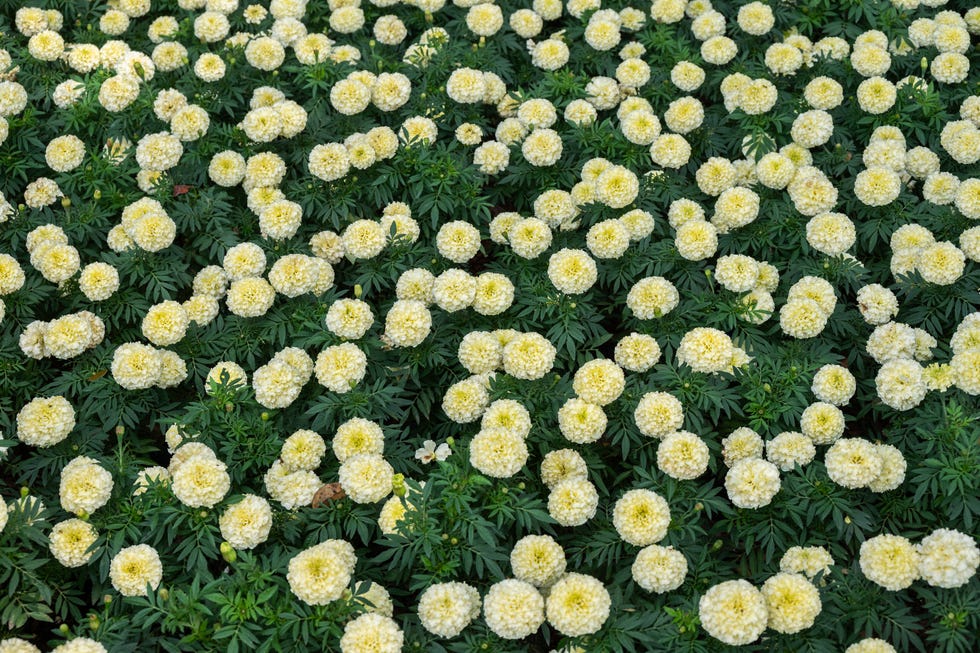
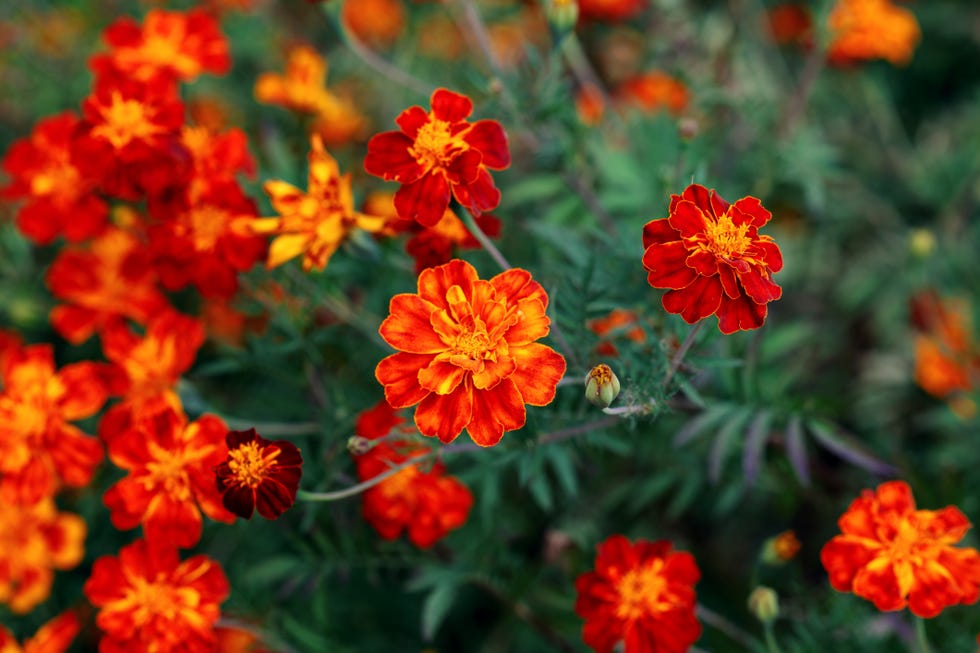
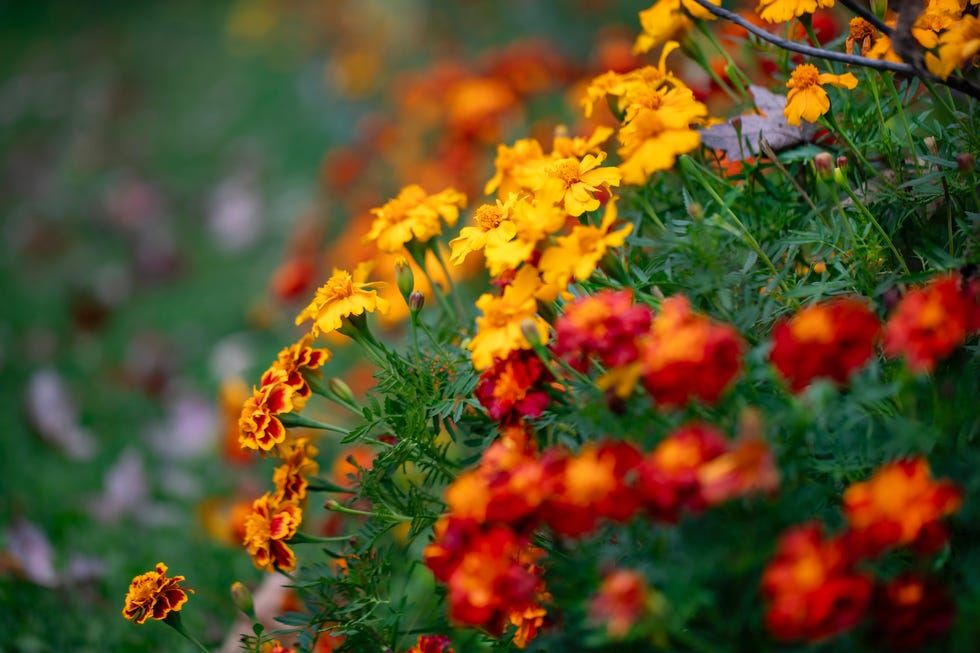
These cheerful flowers, which range in height from 5 inches to 4 feet tall, typically are orange, yellow, red, gold, copper, brass, bicolor, or creamy white with many variations in hues, depending on the cultivar. These flowers add instant impact to your garden, and they’re right at home with the current resurgence of nostalgic décor that’s trending indoors and outdoors.
Wondering what annual we’re so in love with? It’s marigold—a sentimental, old-fashioned favorite your grandparents and great-grandparents grew. Native to Central and South America, marigolds have long held significance in cultures ranging from the Aztecs to modern Mexico. They’re also ridiculously easy to grow, even when starting them from seed.
imageBROKER/Burkhard Sauskojus//Getty Images
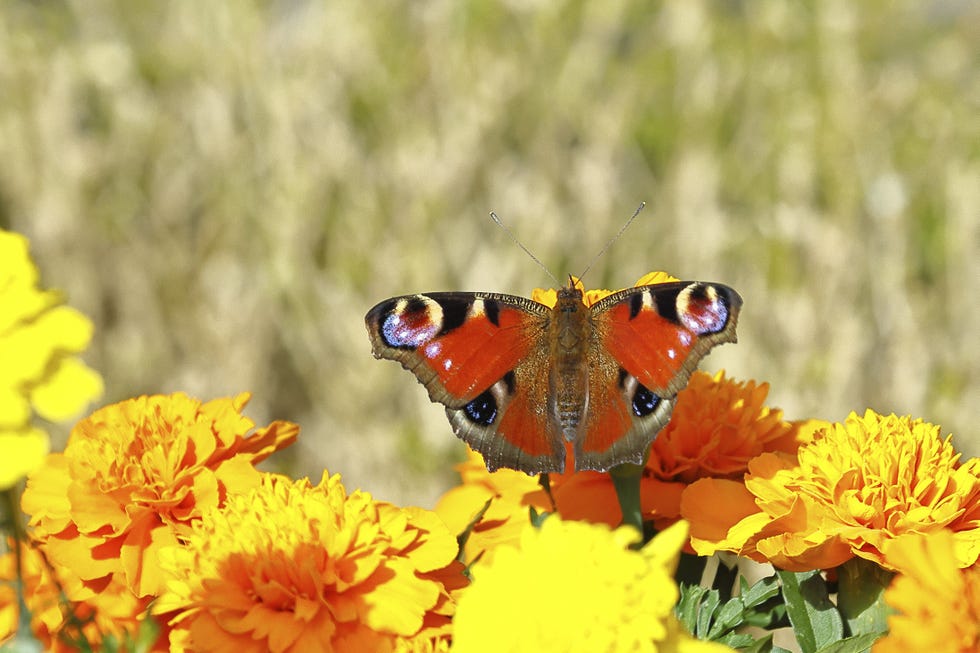
Many pollinators, especially beneficials such as syrphid flies (which prey on garden pests such as aphids), visit marigolds, making them a welcome addition to both ornamental and vegetable gardens. The spicy, pungent scent of their foliage also deters bunnies and deer—though that doesn’t guarantee you won’t have a nibble here and there if your local wildlife is hungry enough. Ahead, here’s everything you need to know about how to grow marigolds.
Philippe S. Giraud//Getty Images
Where to Plant Marigolds
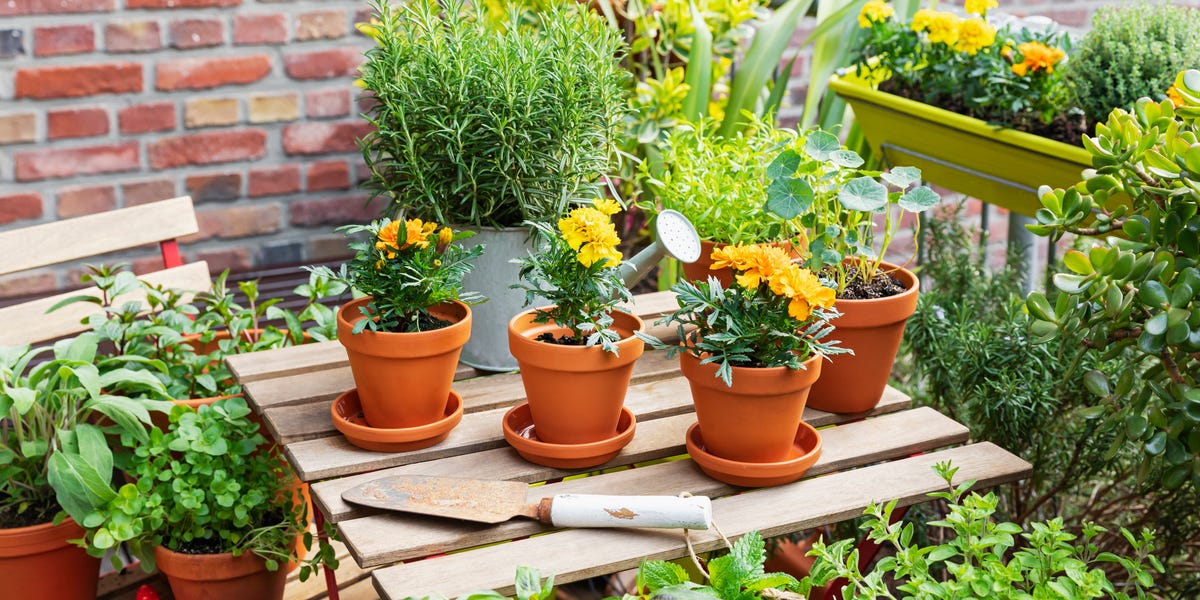
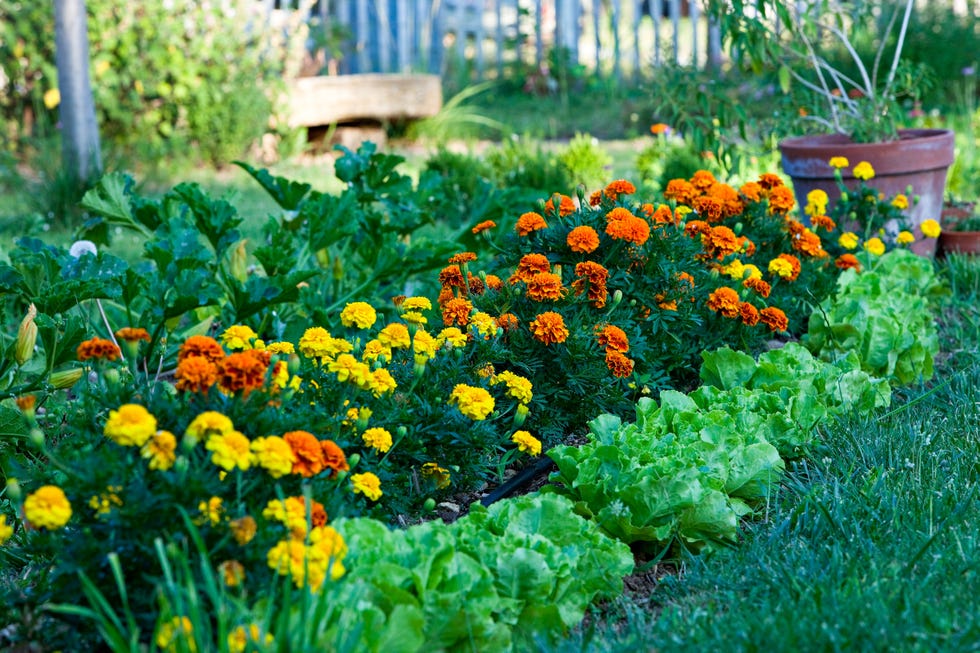
Marigolds can be planted in any sunny location. These flowers work well in landscape beds, mass plantings, mixed borders, cottage gardens, and potagers, as well as in container gardens. They require minimal care once established.
Boy_Anupong//Getty Images
How to Plant Marigolds
Start the seeds indoors under grow lights about six to eight weeks before the last expected frost date in your area or in the ground after all danger of frost is behind you. Plant the seeds about quarter-inch deep, covering lightly with soil. Seedlings can be planted after all danger of frost has passed in your area. Water well; seeds will germinate in about a week or so.
Andrei Bulatov / 500px//Getty Images
How to Care for Marigolds
Marigolds do not require deadheading, or removing the faded flowers, but it will help them produce more flowers. The spent blooms can get moldy in humid conditions so deadheading also keeps the plant neat and tidy in the heat (it’s easy to deadhead; just snap off the faded flower with your forefinger and thumb, right under the flower head).
Light
Marigolds need full sun, which is considered six or more hours of direct sunlight. They will not bloom well in shady conditions.
Soil
Marigolds need well-draining soil, but they’re fairly tolerant of poor soils. They don’t love clay, so plant in containers in an all-purpose potting mix if you have heavy soils.
Water
Marigolds do better on the dry side. Water when first planting or during drought conditions, but never let the soil get sopping wet.
Fertilizer
Marigolds are not heavy feeders and do well even in poor soils. If you like, fertilize with a granular slow-release at planting time, but that’s all that’s typically necessary.
Ali Majdfar//Getty Images
Common Problems with Marigolds
Marigolds rarely have pest issues, though you may see an occasional Japanese beetle, which can be hand-picked or knocked into a bucket of soapy water. Don’t let the plants get too soggy, which causes root rot. Stake tall varieties so they don’t flop over or break.
Oliver Strewe//Getty Images
How to Save Marigold Seeds
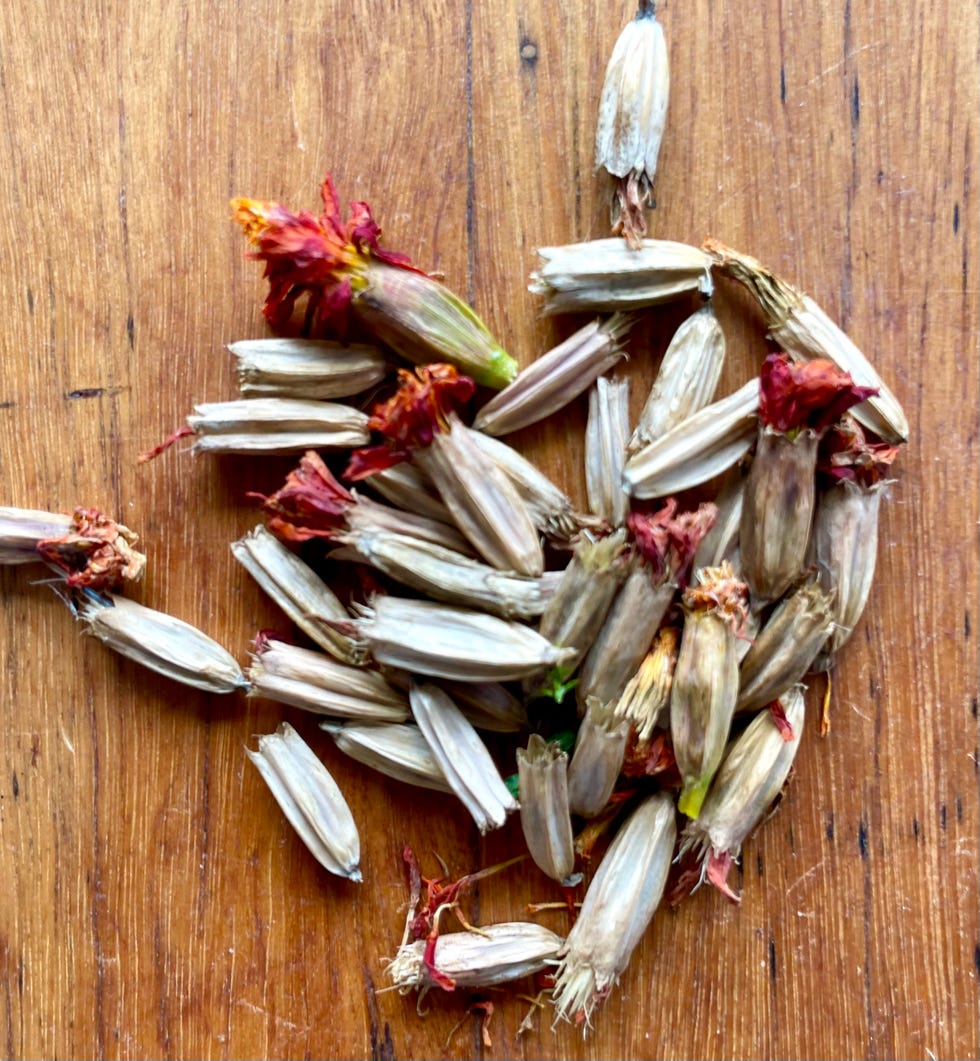
If you’re feeling thrifty, marigolds are some of the easiest seeds to harvest and save for planting next year. If you’re deadheading regularly, let a few flower heads dry on the plant. When they are mostly brown, snip them off the plant. Open the pod and let the seeds dry completely indoors before you save them in a paper envelope. Don’t store them in plastic until they’re totally dry, or they will develop mold.
Types of Marigolds
There are three main categories of marigolds, which all require similar care:
 VU PHAM VAN//Getty Images
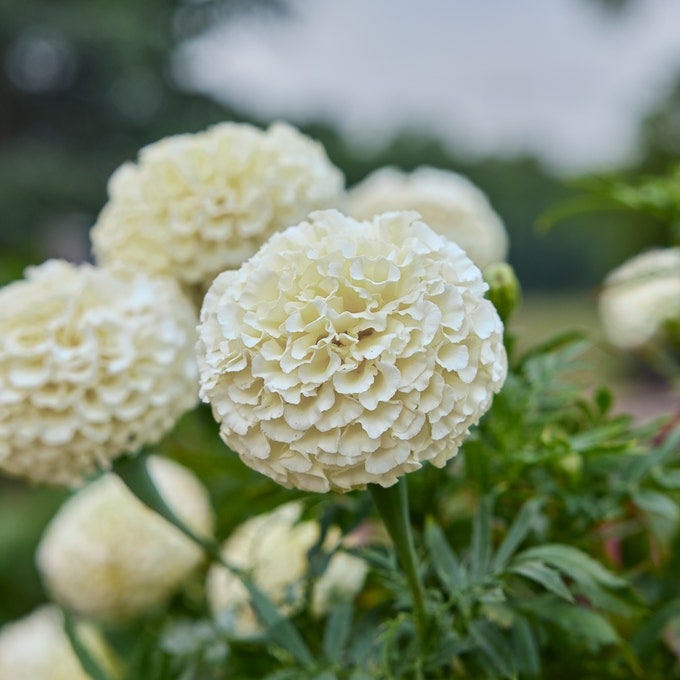
African Marigold
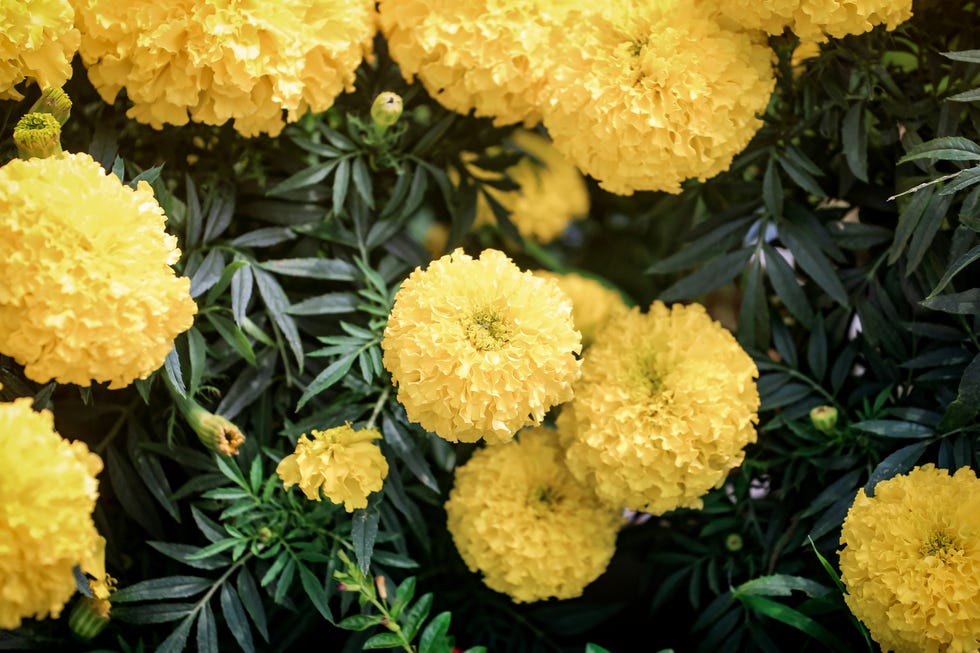
African Marigold (Tagetes erecta) is the tallest category of marigolds and can reach heights of 3 to 4 feet. Their flowers may be up to 5 inches wide!
 aire images//Getty Images
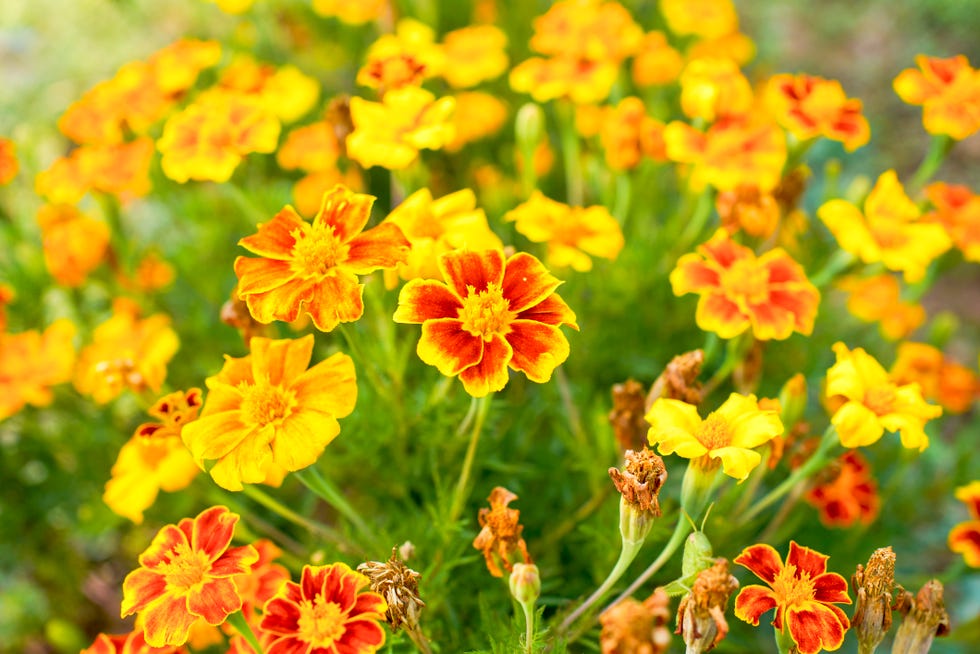
French Marigold
French Marigold (Tagetes patula) is a bushy and compact plant and usually reaches 6 to 12 inches tall. There are both double and single flower varieties.
 Photos by R A Kearton//Getty Images
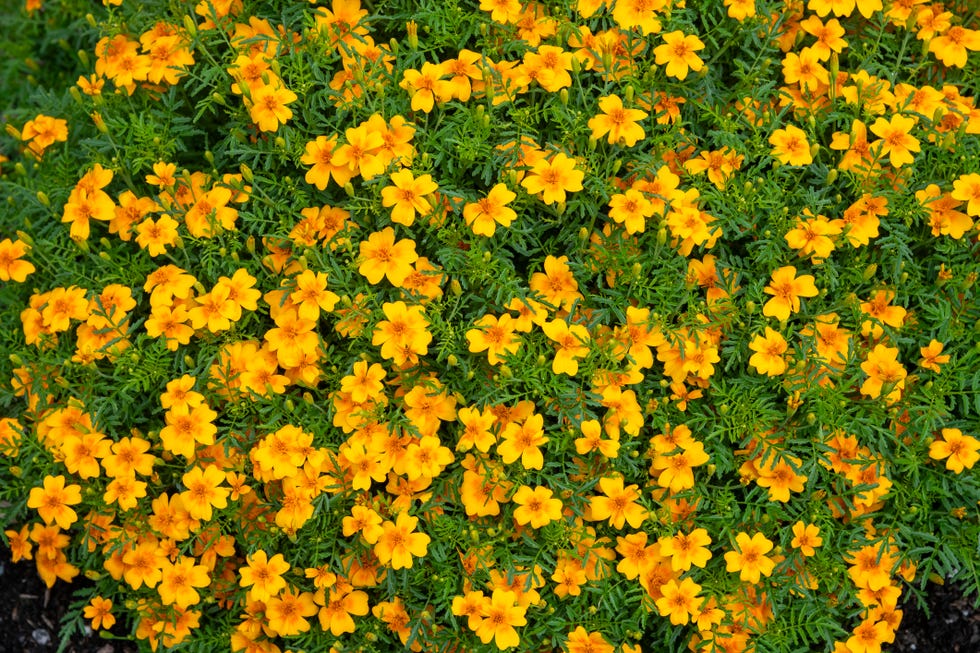
Signet Marigold
Signet Marigold (Tagetes tenuifolia) is a petite plant with lacy foliage, a mounding habit and more delicate flowers. The 1-inch-wide flowers, which have a single row of petals, are edible and make beautiful garnishes for salads or cocktails.
 Star-Spangled Marigold Seeds and Plants
 Starfire Mix Marigold Seeds
Now 84% Off
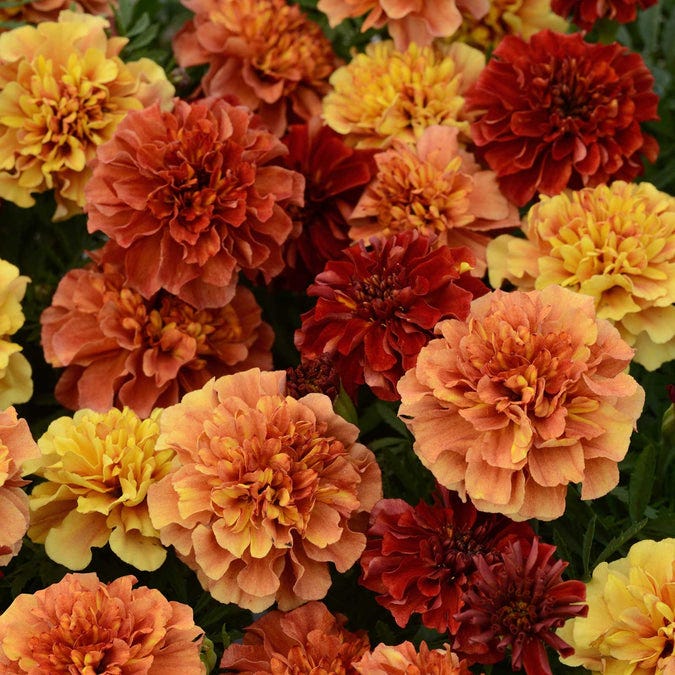 Strawberry Blonde Marigold Seeds
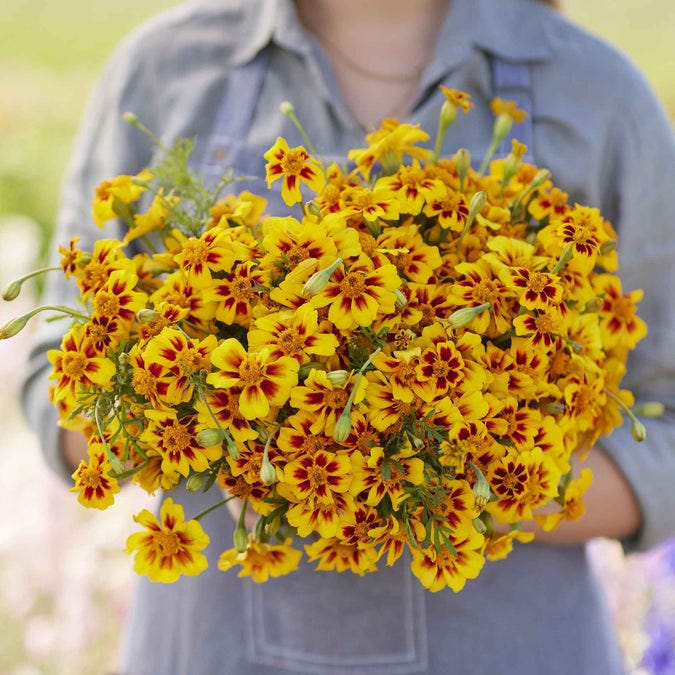 Naughty Marietta Marigold Seeds
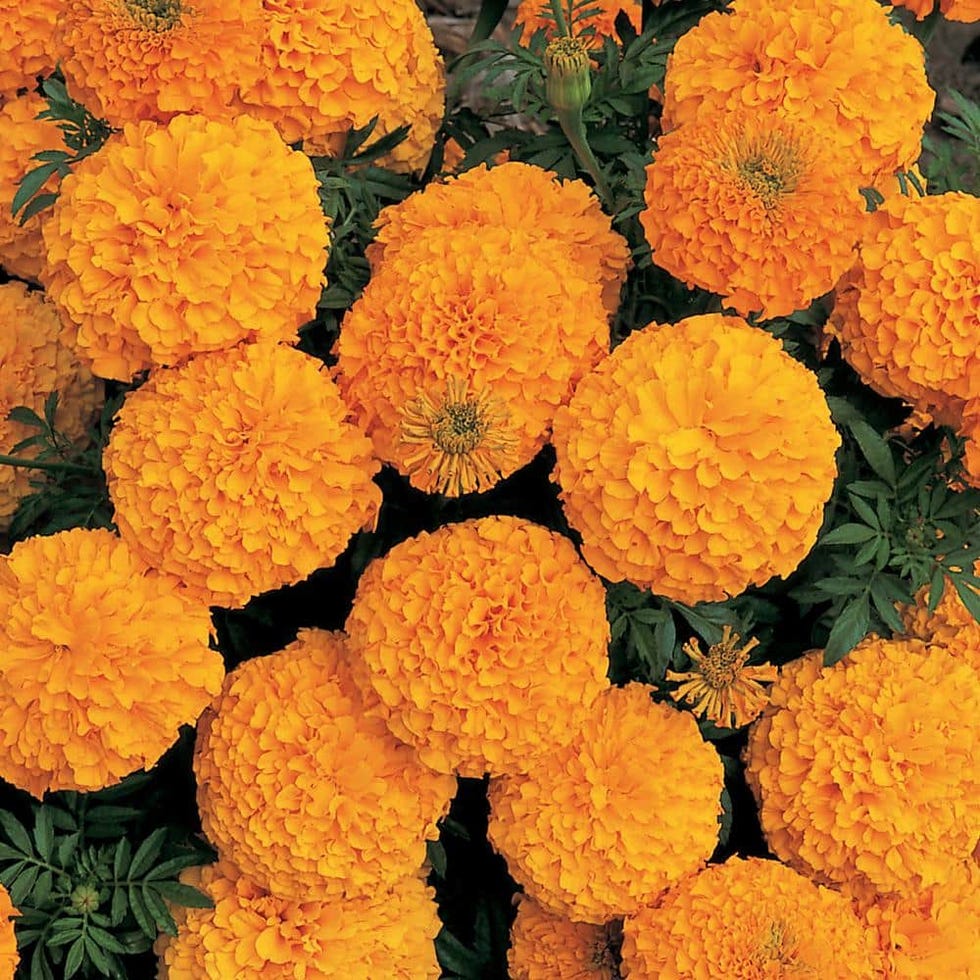 African Marigold Plant (7.5 inch pot)
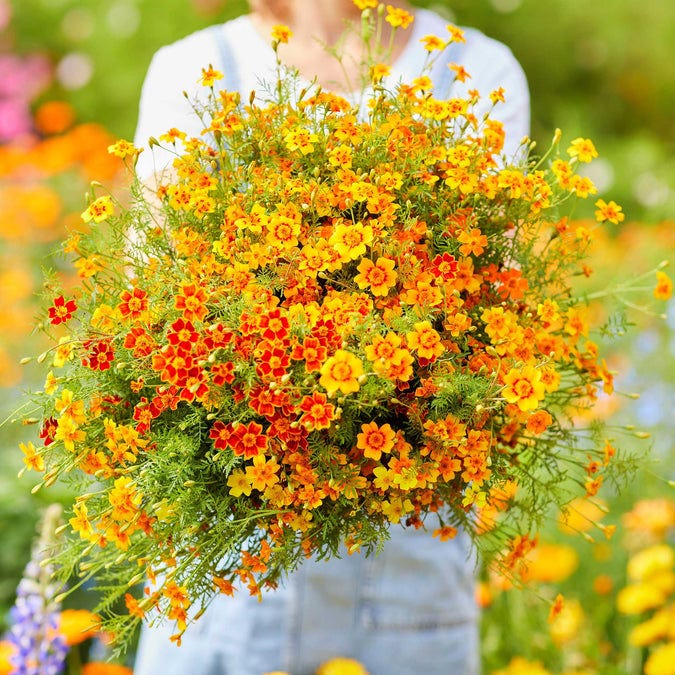
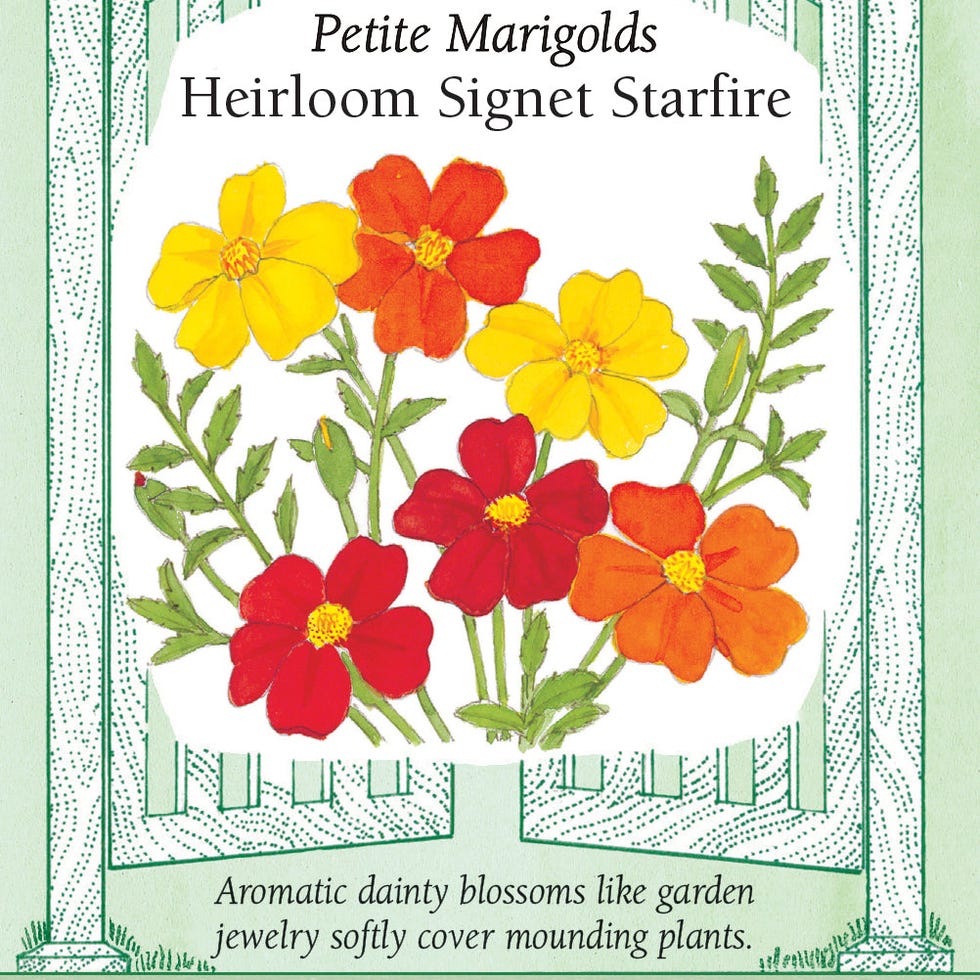 Starfire Signet Marigold Seeds
Arricca Elin SanSone is a writer, editor, and content creator who specializes in lifestyle and gardening. With a background in health reporting, she applies these same research skills when writing about the science of growing things. She trials new plants in her expansive garden, and her houseplant collection consists of 60+ varieties. Arricca has written thousands of articles for publications such as Country Living, House Beautiful, Good Housekeeping, Prevention, VERANDA, Southern Living, and more. She’s happiest when digging in the dirt, baking, or spending time with the people and dogs she loves.
Comments are closed.