SERIES 37 | Episode 06
Costa meets a scientist whose work has influenced an organic approach to growing and preserving delicious produce at home.
Featured Garden Owner:Dr Ping YinLocation:Garigal Country, Killarney Heights, NSWClimate Zone:Warm temperateGarden Established:2017Style:Fruit & vegie gardenKey Features:fruit trees and vines, permaculture layout, organic vegetables, native bees
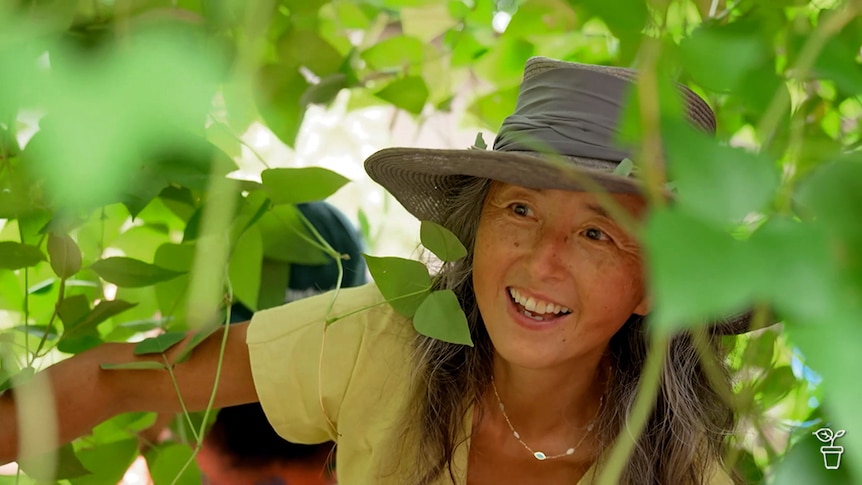
Gardener and scientist Dr Ping Yin has a backyard alive with abundance! It is lush with vegies and fruits in pots, the ground, climbing up structures, and even in a bathtub pond. Ping preserves and ferments much of the produce to eat well year-round.
Ping has a PhD in chemistry and in her professional working life analyses plants at a molecular level. It’s influenced her approach to growing food. “So basically, I want to plant as many variety, diversity as possible because different plants offer different profile of chemicals that that is good for us. So the more different food you eat and then the healthier your body can be.”
It’s also inspired her to take an organic approach, letting nature take its course and allowing plants to go to flower to attract insects. “I don’t spray anything and you observe… I was trained as scientists and you just, you know, try to work out how things are working and then use it to your best advantage.”
Many plants in Ping’s garden connect to her heritage, like the Chinese toon tree, which is prized for its flavoursome young leaves. “In Chinese, we call it chun ya – chun means spring, ya means sprout.”
“You cut it into very small pieces, and you put in the egg, you make an omelette, and you just only eat it like a few times a year. It’s something very special.” The flavour is distinctively fragrant and nutty “almost like green truffle”.
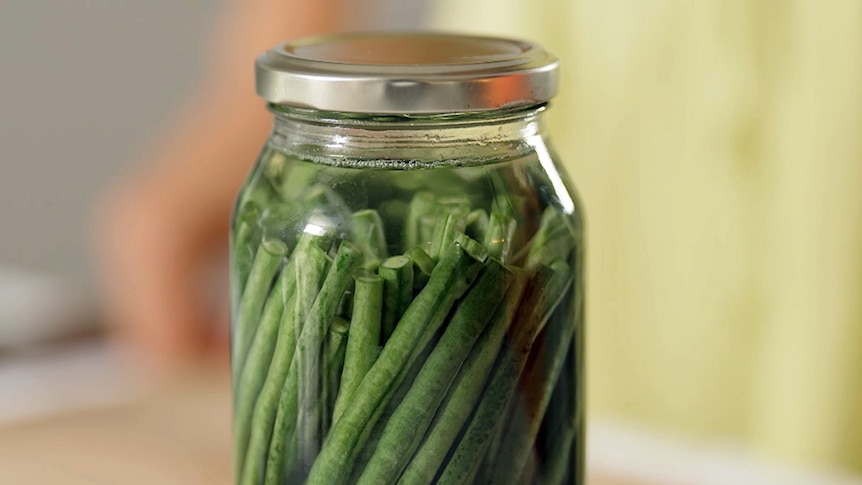
Preserving snake beans (pao jiang dou)
“I grow the snake bean every single year because it’s very much tied into how I grown up and it’s full of goodness. And we would ferment the snake bean when it’s in peak season or we can also dry it and then we eat it all year round.
We call it pao cai – it means soaked vegetable and with brine. I’ve been eating pao cai since I was born pretty much, you know, since I could eat and I never ever get fed up with it because the flavour is always different. It’s like a sweet, sour and little salty, and it’s perfect.”
What you needSterlised glass jar with a lid that seals tightlyFreshly picked snake beansNon-iodised saltPre-boiled and cooled tap water
What you do1.Make a brine with the water and 5% salt content. For 250ml of water, that’s about 12.5g of salt.2.Wash and dry the snake beans. Cut them to the length of the jar and pack them in.3.Pour in the brine and press the beans down so they are completely immersed. Leave a gap of air at the top to allow for extra liquid coming out of the beans.4.Leave at room temperature for a couple of days then store in the fridge. Taste test to find your ideal timing for taste and texture, just be sure to use very clean utensils and seal it back up.
Ping prefers a slower ferment as “the slower it goes, the better it tastes. And it keeps crunchy and also it keeps longer. It’s really simple and healthy.”
Featured Plants AFRICAN BLUE BASILOcimum kilimandscharicum × basilicum cv.PEANUTArachis hypogaea cv.MADAGASCAR BEANPhaseolus lunatus cv.CHINESE TOONToona sinensis cv.SNAKE BEANVigna unguiculata cv.
Filmed on Garigal Country | Killarney Heights, NSW

Comments are closed.