
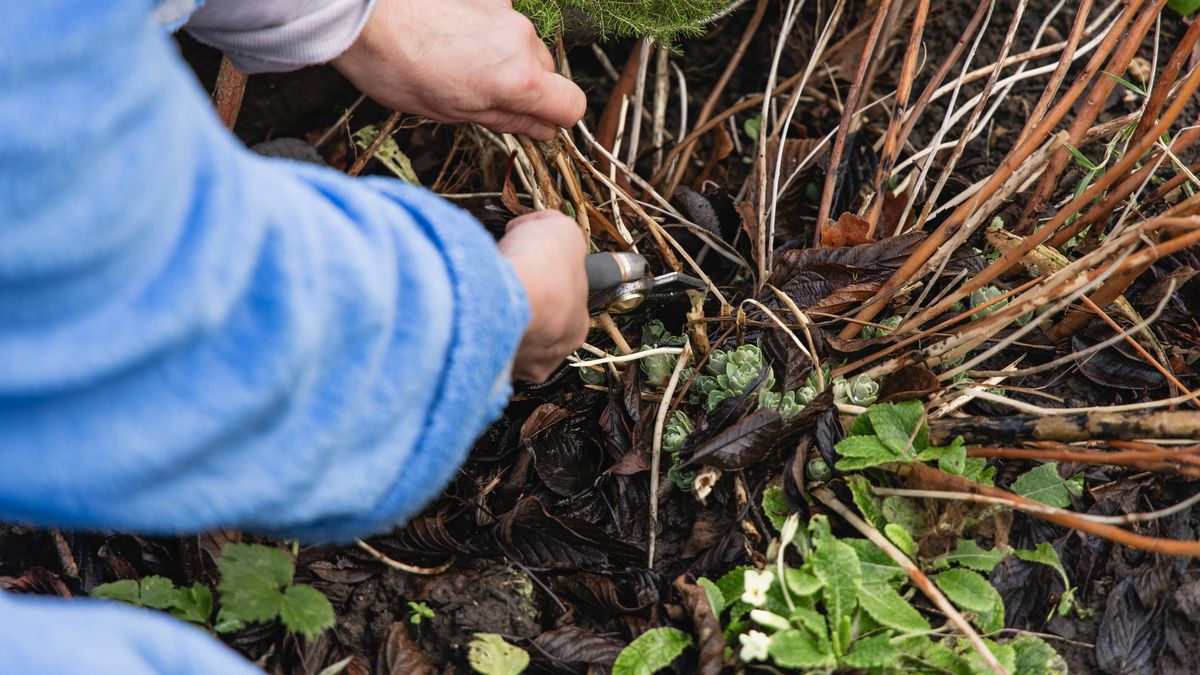
Gardening expert Alan Titchmarsh shared his pruning advice for trees, shrubs and roses on his YouTube channel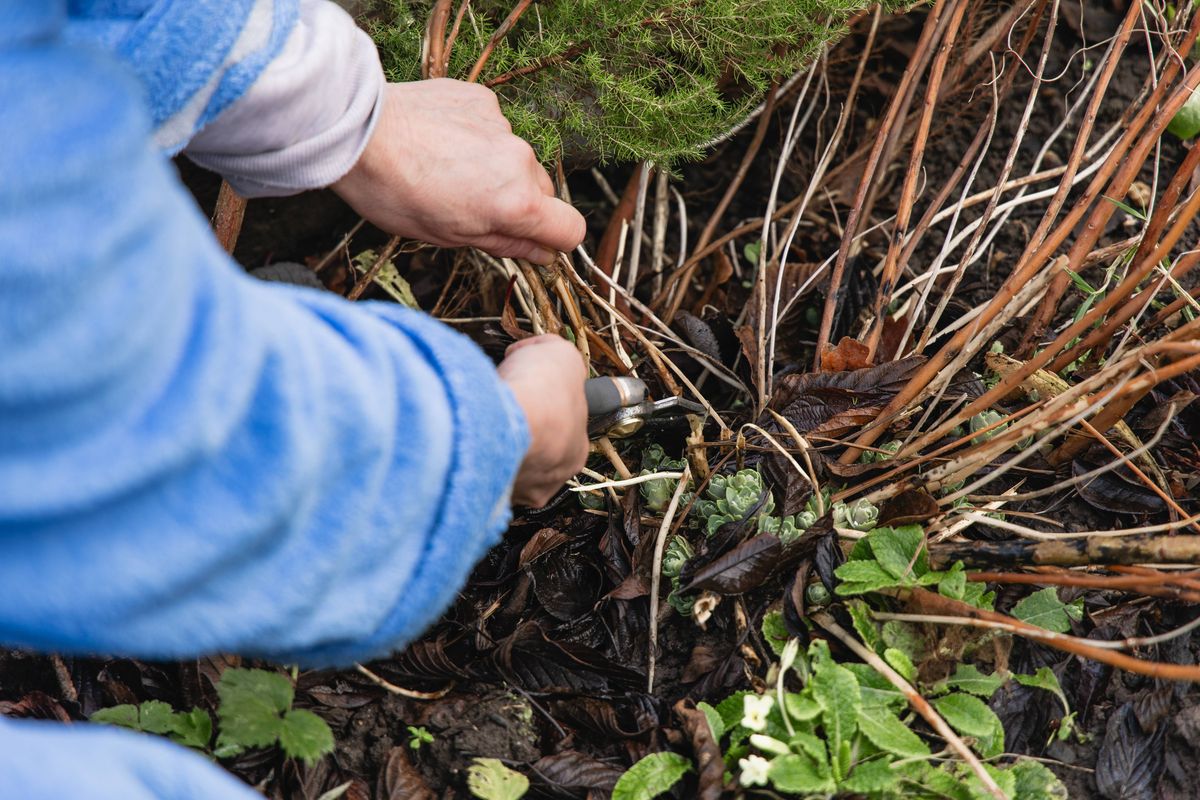
Alan Titchmarsh’s top pruning tips to ‘encourage flowering’ this spring(Image: Iuliia Bondar via Getty Images)
Renowned gardener, author and television presenter Alan Titchmarsh has dispensed countless gardening tips over his distinguished career, covering everything from maintaining lush green lawns to mastering proper pruning techniques. Through his YouTube channel, Gardening with Alan Titchmarsh, he’s outlined his expert guidance on pruning trees and shrubs.
Alan Titchmarsh explained: “One of the most confusing things in gardening is the pruning of trees and shrubs. So today, I’m going to show you how to prune, when to prune and what to prune.” The horticultural authority advised that three pruning implements are essential, selected according to the stem’s diameter.
Alan continued: “Don’t be so aggressive with your fruit trees.
“Shorten the long ones at the end, but preserve those little stubby bits that go all the way up your branch because they will produce your crop.”
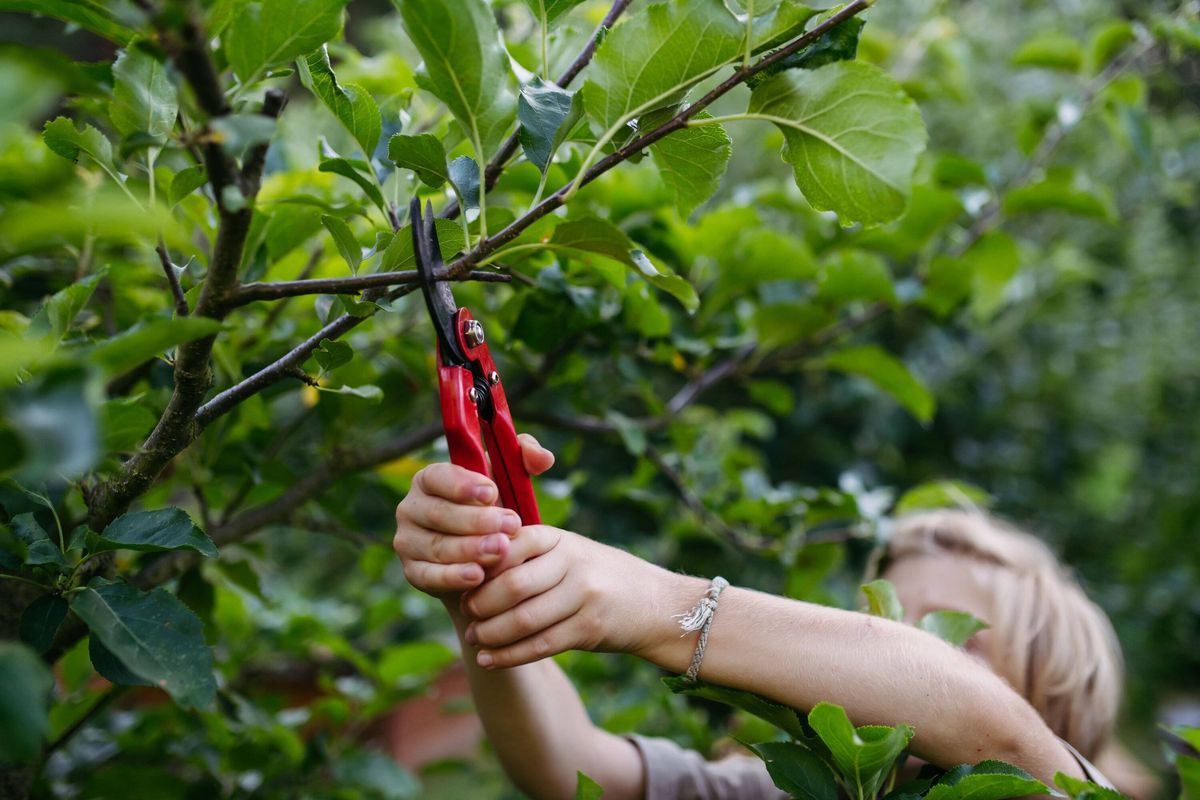
Fruit trees should be pruned when dormant(Image: Getty)
Pruning shrubs properly
Alan stated: “When it comes to shrubs, those that flower in spring are generally pruned immediately after flowering. Those that flower later in the year, in summer, you prune in winter,” reports the Express.
The gardening authority demonstrated proper rose-pruning techniques, describing roses as the nation’s favourite garden plant.
Shrub roses require pruning from January through March. To thin the rose effectively, Alan removed the dark brown, brittle stems.
He concluded: “It’s always a case of taking your time, seeing where it’s coming from, where it’s going to, and if there’s anything else to replace it. Once you’ve got it off, you can’t stick it back on again.”
These comprised a sharp set of secateurs for smaller stems and branches, loppers for moderately thicker branches, and a pruning saw for genuinely thick stems.
Content cannot be displayed without consentTree pruning technique
Alan explained: “The first thing to consider is why you’re pruning something. There are several reasons.
“One is to produce an appealing shape. Another is to eliminate pests and diseases. Yet another is to encourage flowering and fruiting, particularly in the case of fruit trees.”
Winter is the optimal time to prune most fruit trees, including apples and pears, while they are dormant.
When pruning a fruit tree, Alan suggested identifying a fruiting spur, from which fresh growth will emerge.
Any stems bearing “winy, weeny buds on” can be removed, as these branches won’t produce new growth.
Comments are closed.