
Why native plants matter
Native plants, which are species that occur naturally in a region, play a critical role in supporting wildlife and maintaining healthy ecosystems.
Unlike many ornamental plants commonly sold in garden centers, native plants evolved alongside local insects, birds and animals. That long-term relationship makes them essential for many species’ survival.
“Many of our insects, including pollinators, are highly specialized and can only feed or raise their young on our native plants,” Rosenstock said.
Melanson echoed that point, emphasizing the ecological connections between plants and wildlife.
“Native plants anywhere are essential to local wildlife, because they have dependent relationships that have developed over eons,” he said. “They are the first food that feeds the entire food web.”
From milkweed relied upon by monarch butterflies to red buckeye, coral honeysuckle and crossvines that draw ruby-throated hummingbirds, native plants provide critical habitat and nutrition.

Native plants and black-eyed Susans are seen at this home in Park Circle. REMARK Studio designed the landscaping for the outdoor space.
Patrick Brickman/Remark Studio
“Pretty as they are, non-native plants simply cannot supply the food our local wildlife requires to exist,” Melanson added.
Beyond pollinators, native vegetation also helps protect waterways and support aquatic life. Species like the Rocky Shoals spider lily provide habitat for water-dependent ecosystems, while native root systems help stabilize soil and filter runoff.
Despite growing interest, finding native plants can still be a challenge for many gardeners.
“Traditional plant nurseries and garden centers either do not carry native plants at all or their selection is very limited,” Rosenstock said.
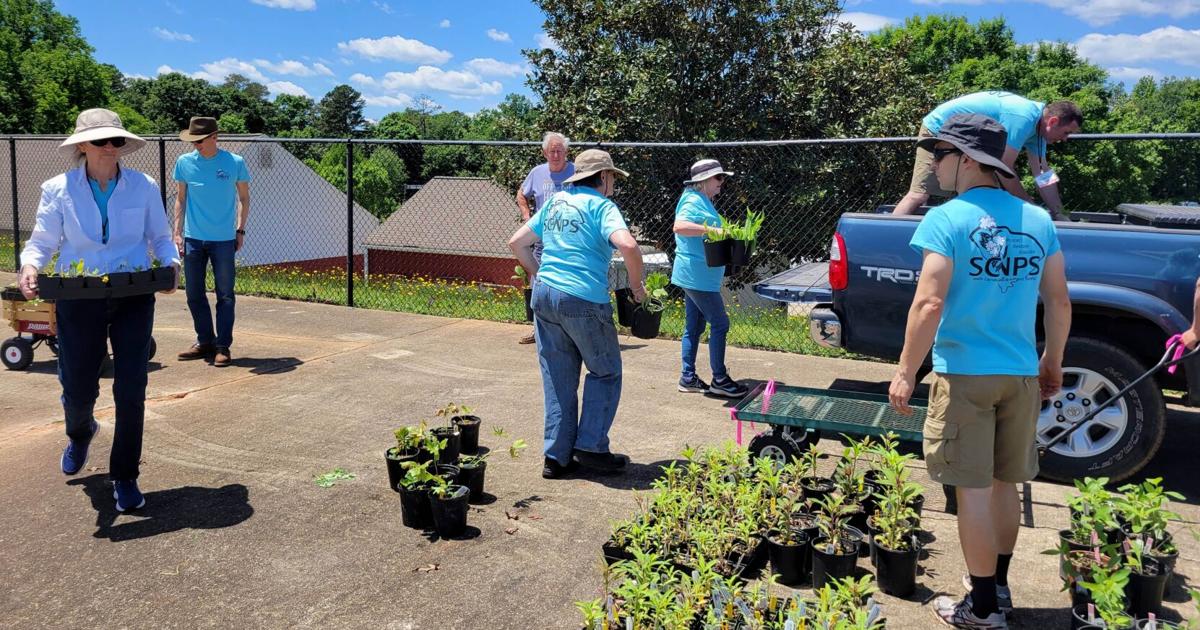
Events like the Midlands Plant Sale help bridge that gap, offering both access to plants and guidance from experienced growers.
This year’s sale will take place at Canoeing for Kids, a nonprofit in Lexington that supports water recreation for underserved youth.
Comments are closed.