
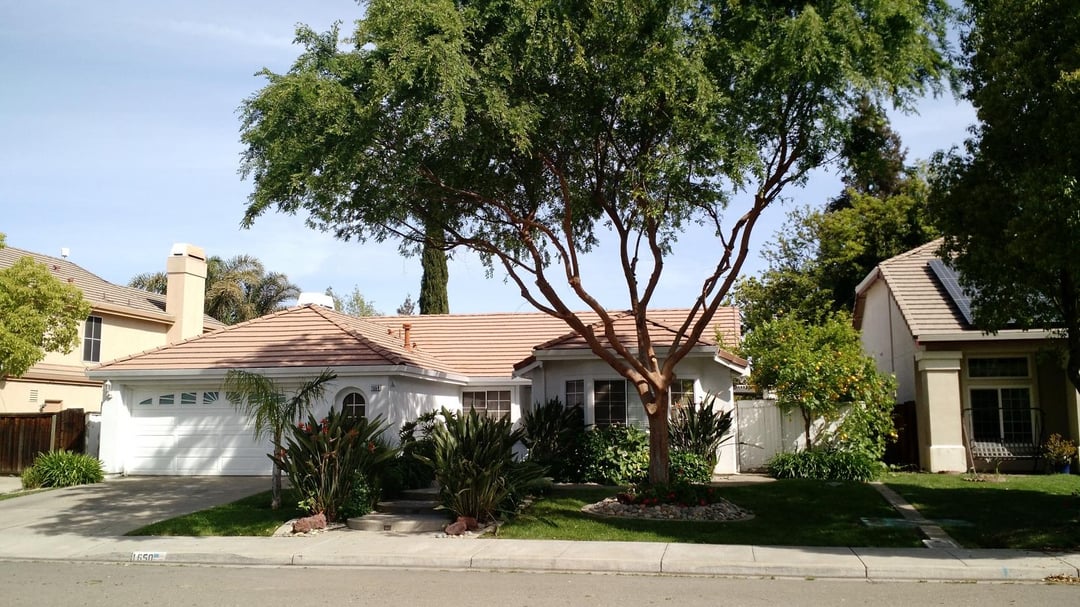
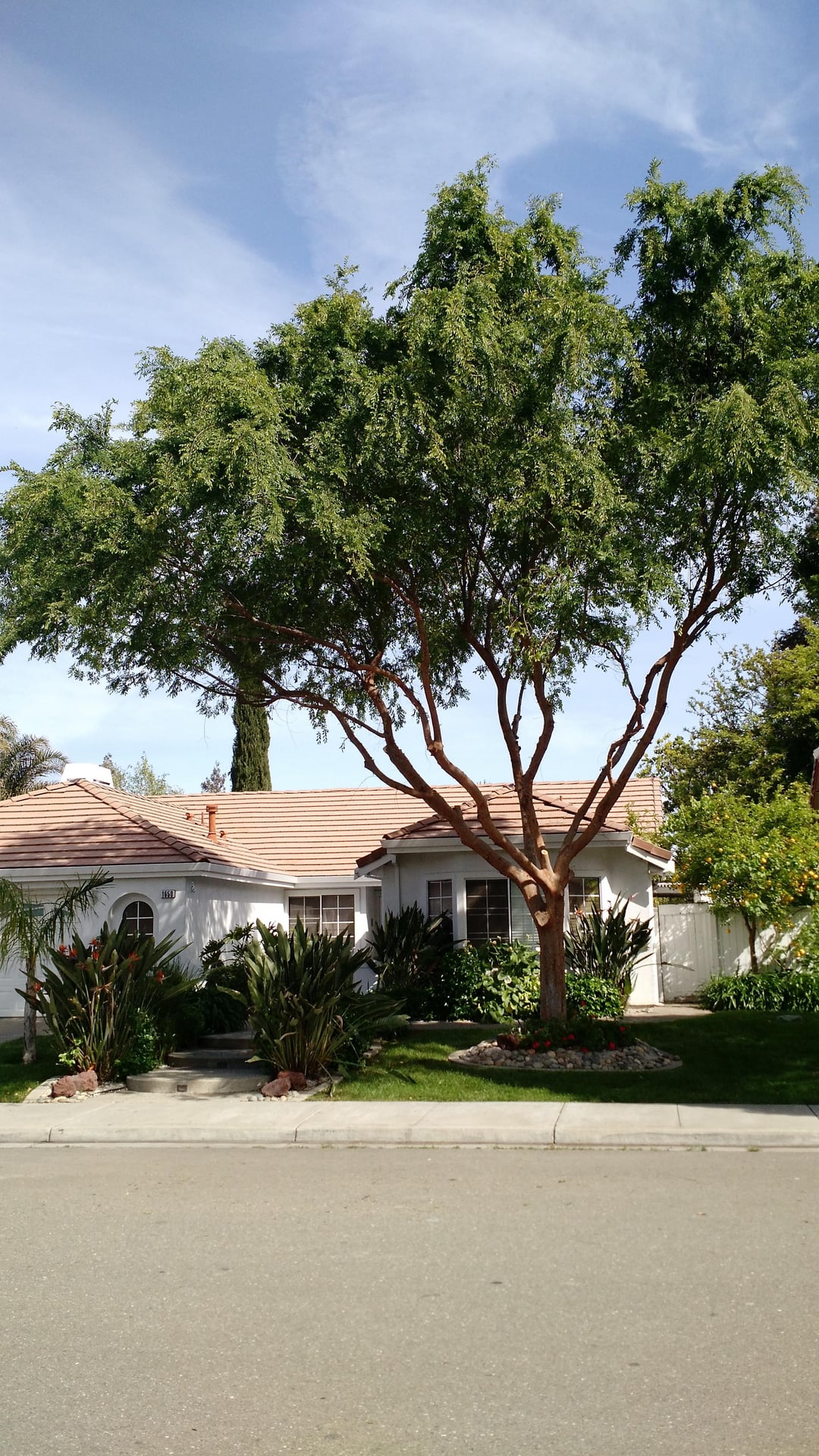
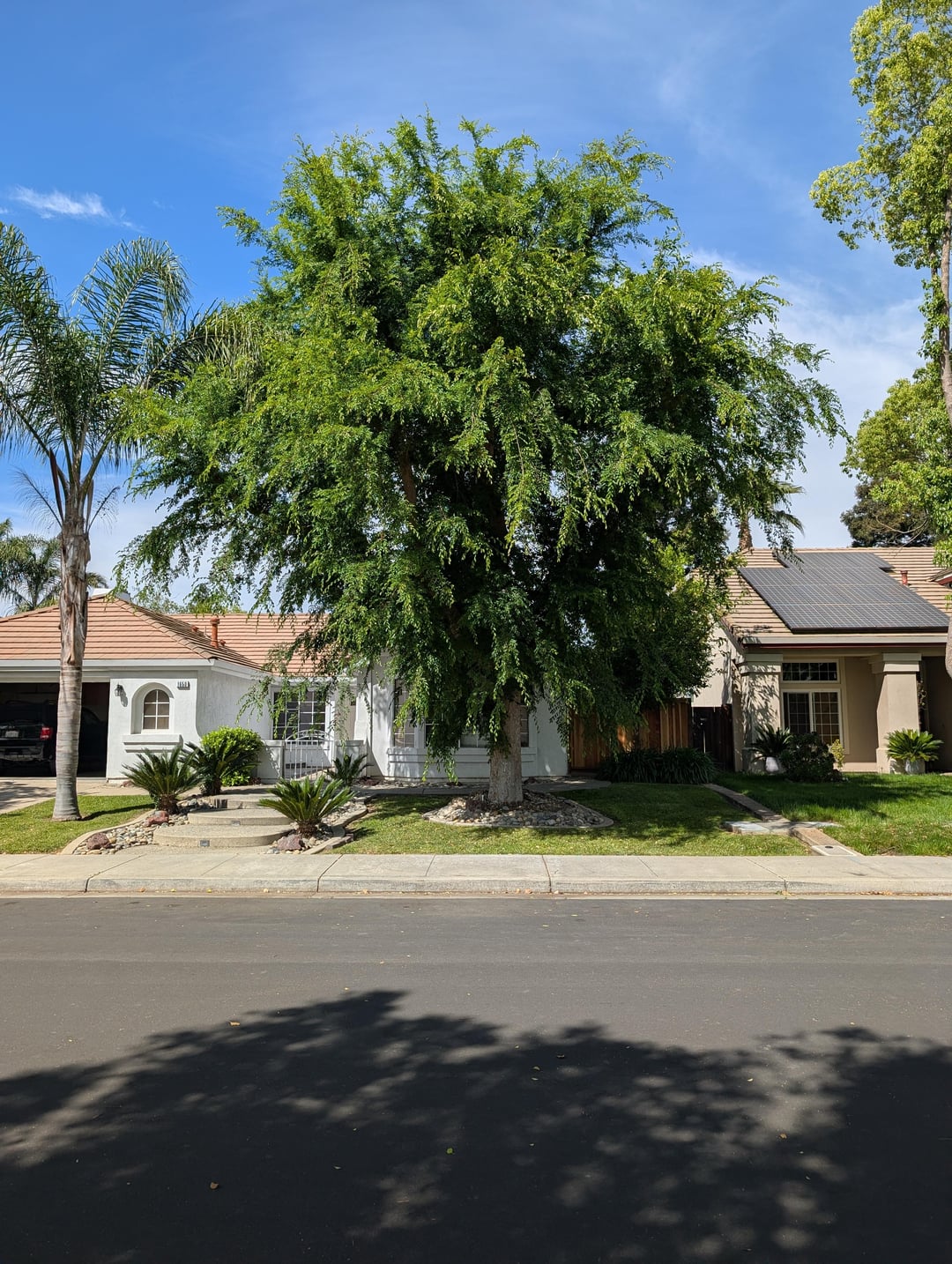
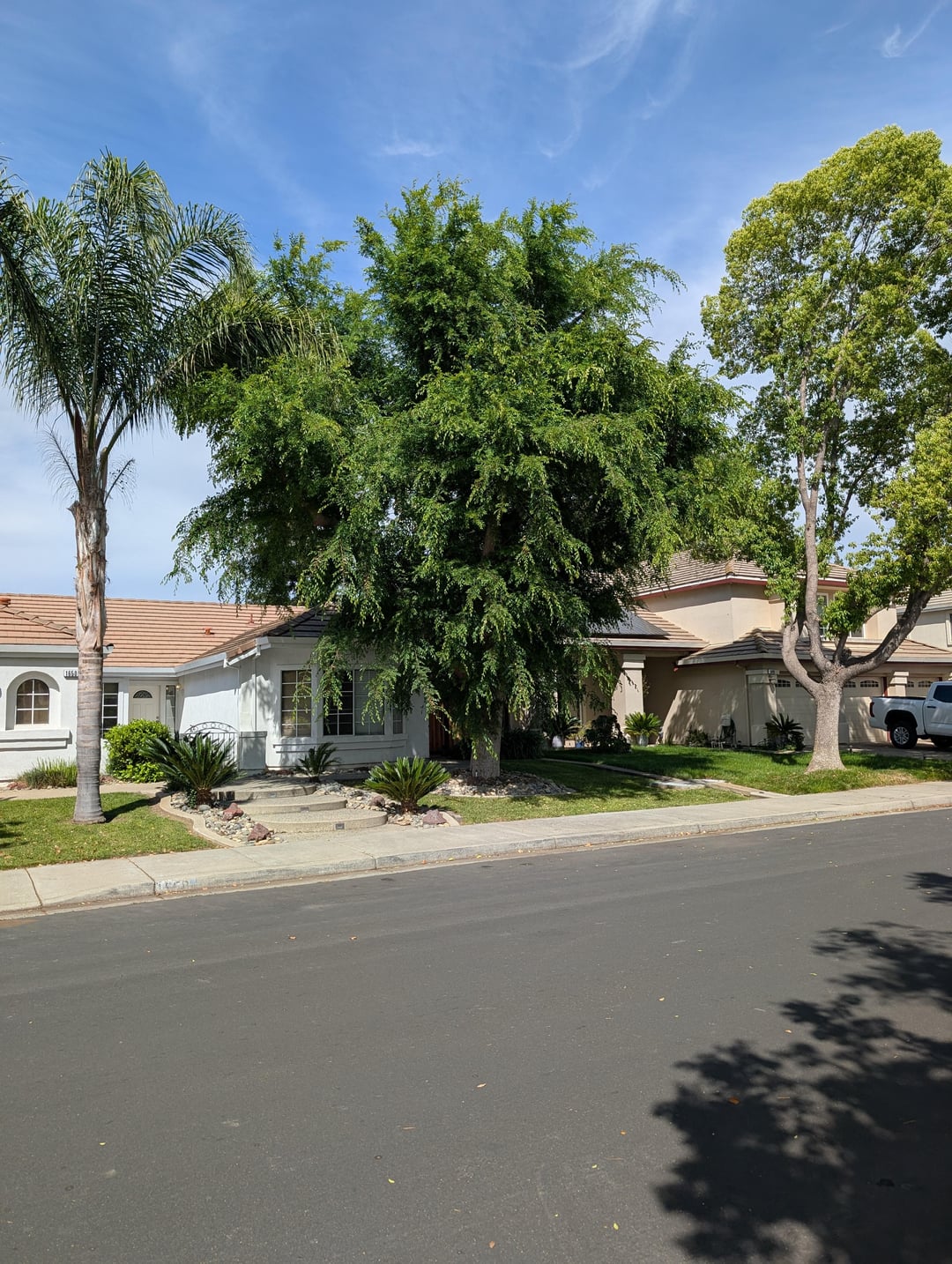
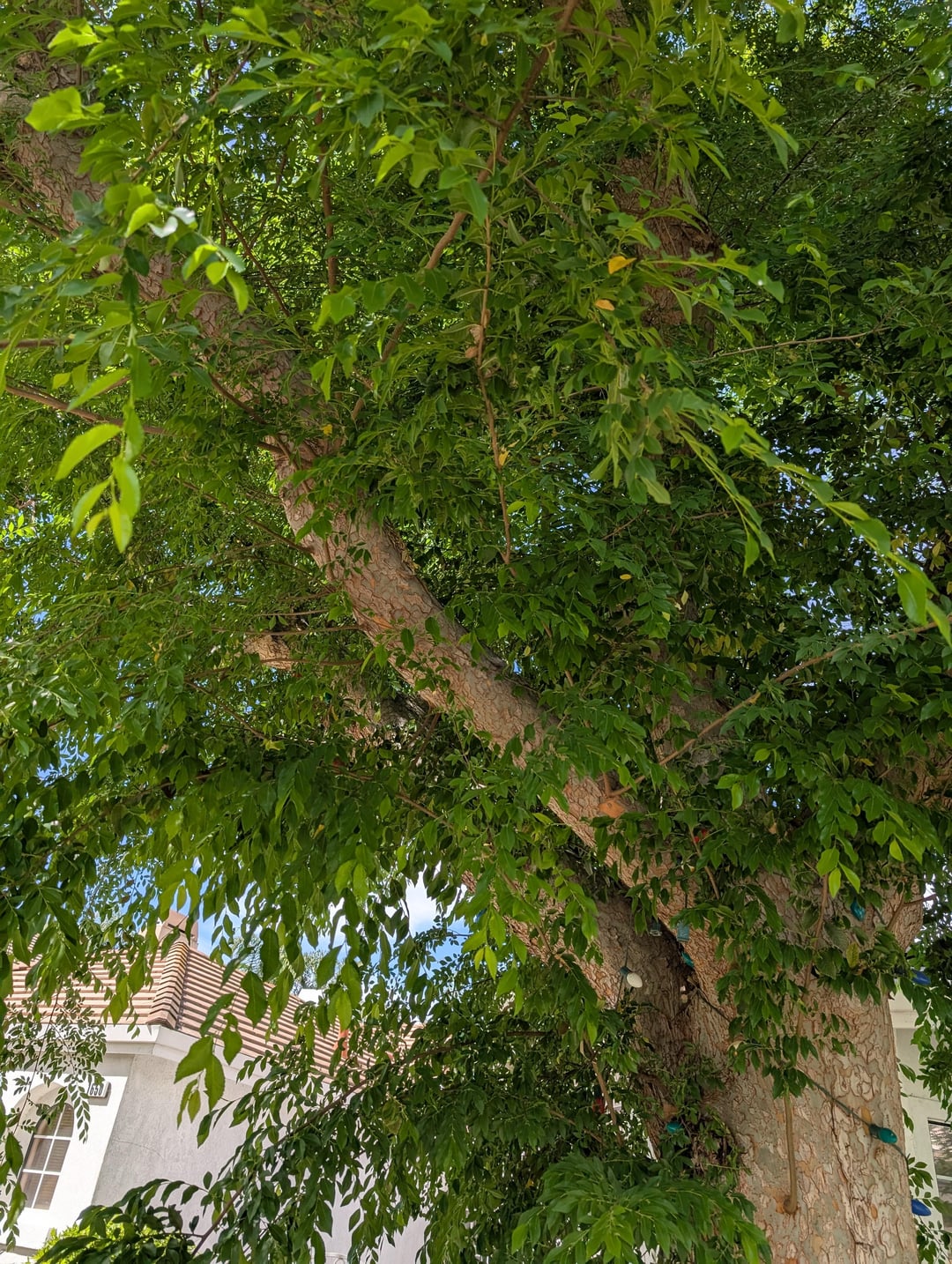
I used to hire a company to prune my tree every couple of years. The first 2 photos are how it looked when they were done. Last year I hired a different company and they basically tipped it. The last 3 pictures is how it is growing now. Is the look of the tree ruined forever?
by Active_Mastodon5288
10 Comments
Looks like a Lacebark or Chinese Elm (same tree 2 common names). The appearance of the tree in the first photos may present better but it pushes all growth out to the tips with no internal growth. The length increases and weight at tips as well causing risk of limb failure to increase. The solution is to reduce the tips and shorten lever arms and encourage internal growth. The latter pruning is better for the long term health of the tree but it may not present as well to home owners. It can be cleaned up again but I would suggest finding a middle ground. The first photos the tree looks a bit “lollipoped” or “lions tailed” and I agree the last photos are not the most aesthetic.
Gonna be honest they both look like shit to me. First company should’ve lightly trimmed evenly across the canopy, not just remove everything under a certain elevation.
First company did a kind of lion’s tail. Second company may have been trying to correct this and that’s why it’s so bushy. Idk man. Hard to say without being there on what you left to deal with but the first company over pruned. That’s the short of it.
That’s a lot of epicormic sprouting from secondary stems, but not unexpected given how the tree was lion-tailed / lollipopped. This lacebark elm seems vigorous, yet. If you like the tree, then it can be pruned to better form. Work with your arborist to do what corrective and structural pruning you can afford.
I’m not a big fan of *Ulmus parvifolia* or its hyrbids, but it is resistant to Dutch Elm Disease. Also, they’ve a dense crown providing heavy shade.
Lacebark/Chinese elms fail readily under wind, snow, or ice loading due to poor branch unions. Even if they don’t break at their branch unions under loading events, they can have partial failures / latent damage: their stem interiors delaminate or have longitudinal cracks. Given this propensity to fail under load, I can hear a sales arborist pitching crown thinning or crown raising to get that very leggy form. Unfortunately, that leggy form won’t dampen wind load and would have increased transfer of energy to the secondary branch unions with the primary stem.
Find a 4th company all of those are shit.
Pretty sure the photos are in reverse order. Did the newer company cut most of the lower growth and just leave the top full? That’s the look you *don’t* want, right?
I like the last three photos much better! Do you not like the shade, greenery and privacy of the bushier style? The limbs look like they would end up precarious if you continued trimming as in the first two photos forever. Is there a reason not to let the tree just be the shape it wants to be?
Those dirty bastards, they made your tree look like a tree. Does look overgrown though.
Mmmmm. I like em natural.
Get your first company back.