
Key Points
Early flowering native plants offer more benefits to wildlife than spring blooming bulbs.
Spring flowers are particularly important for early pollinators.
Succession plant early bloomers with perennials that flower in summer and fall for longer blooms.
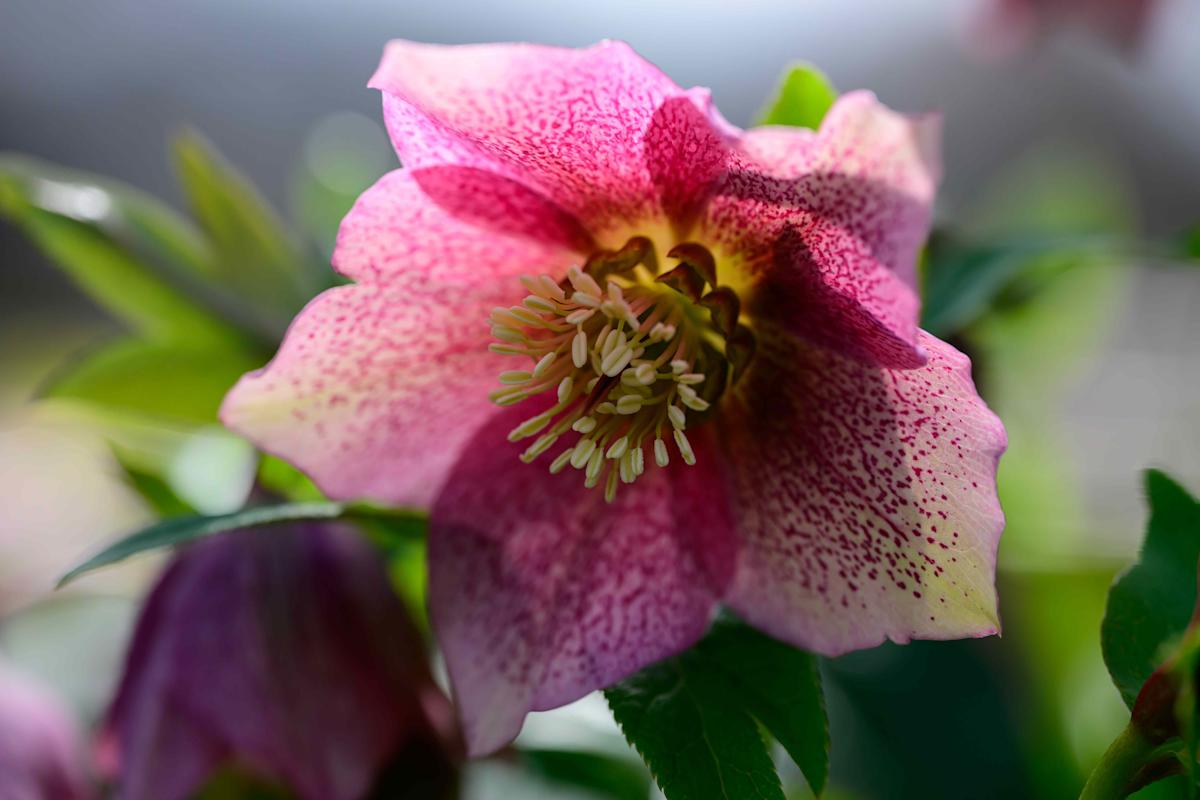
When most growers think of early blooming plants, they envision daffodils, crocuses, hyacinths, and other early flowering bulbs. But there are lots of other stunning plants that flower early in the season and that provide a longer stretch of garden color and more benefits to local wildlife.
If you’re looking for ways to expand your spring garden and enjoy more flowers this season, here are nine early blooming perennials that are sure to impress with attractive flowers, easy care vibes, and an unwavering ability to handle cool spring weather.
Bloodroot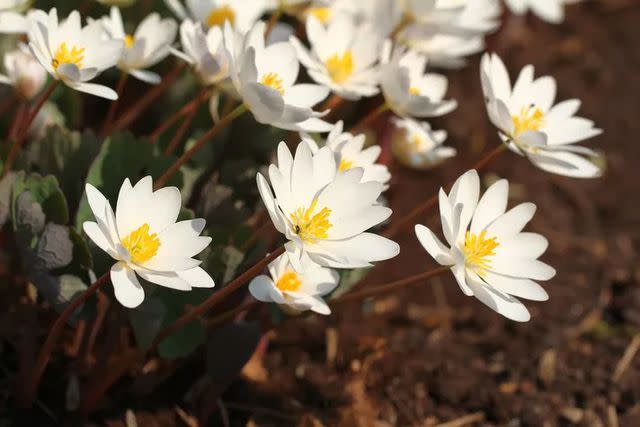
Credit: FOTOLINCHEN / Getty Images
Native to the Eastern and Central United States, bloodroot is technically a spring ephemeral that blooms before most other flowers but dies back above ground when temperatures climb. Not to worry though, as bloodroot is a tough-as-nails perennial that comes back year after year even in cool climates and tolerates shade like a champ.
Bloodroot’s delicate white flowers are also highly attractive to early season pollinators, including native mining bees and sweat bees.
Sun: Part sun to full shade
Soil: Moist, rich, and slightly acidic
Hellebore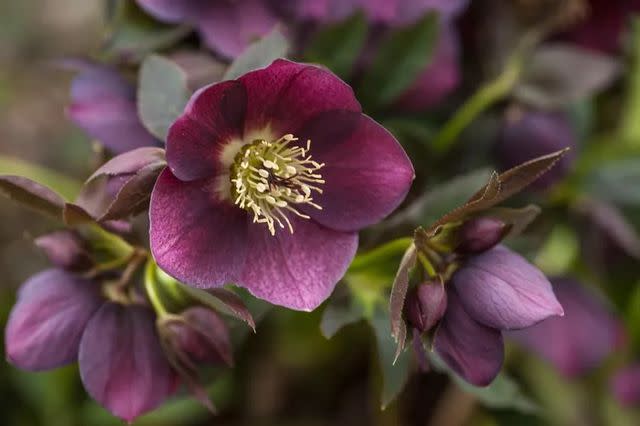
Credit: The Spruce / Evgeniya Vlasova
Also known as Lenten roses, hellebores flower right around Eastertime and draw the eye with their colorful blooms that come in shades of pink, burgundy, chartreuse, and lots of other unique colors.
A fine choice for shady spots and cottage garden designs, these plants have a classic look and pair beautifully with other early season flowers, like bleeding hearts and wild geraniums.
Soil: Rich, moist, and neutral to slightly alkaline
Virginia Bluebells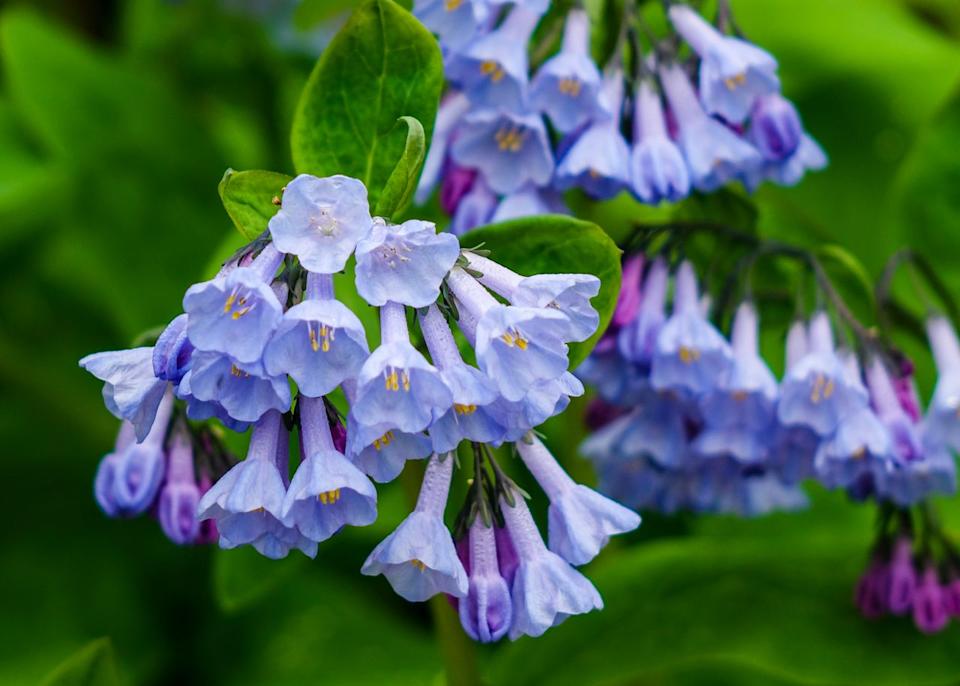
Credit: Susan Ruggles / Getty Images
Another native and early blooming plant, Virginia bluebells have graceful and slender stems and color-changing flowers that shift from pink to blue as the blooms mature. A top-notch pollinator plant, Virginia bluebells are particularly attractive to bumblebees and butterflies, and they grow well in shade, damp soil, and cold climates.
Sun: Part sun to full shade
Soil: Moist, rich, and slightly acidic
Creeping Phlox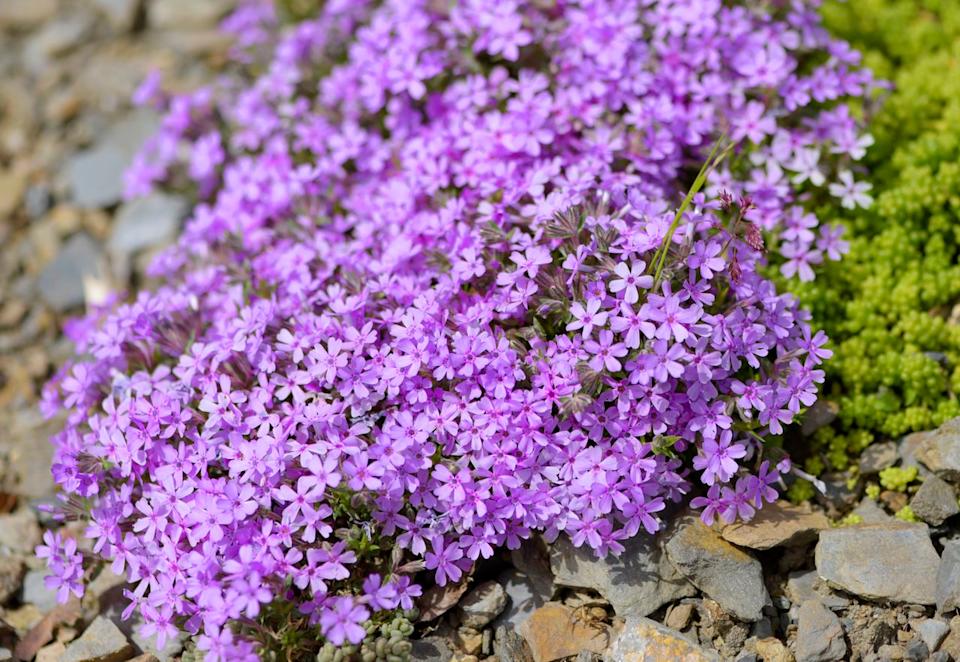
Credit: The Spruce / Evgeniya Vlasova
April’s full moon is known as the “pink moon,” as this is the time when creeping phlox blankets the ground with its pink and white flowers. Often grown as a ground-covering plant in sunny spots, creeping phlox is incredibly hardy and rarely needs watering once its roots are established in the soil. It’s also sure to draw in early season bees and butterflies, as well as hummingbirds freshly returned from their winter migration.
Soil: Well-drained and slightly acidic
Bleeding Heart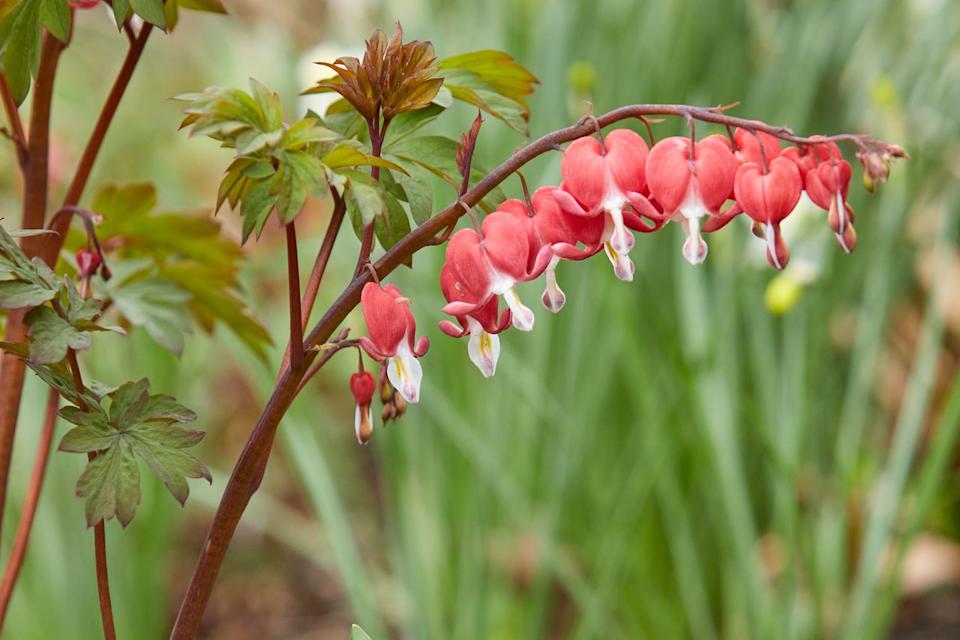
Credit: The Spruce / Grant Webster
Named for its heart-shaped flowers, bleeding hearts bloom on long, arching stems with flowers that range from a deep pink to a pure white color. These spring bloomers can either be grown from bare root stock or potted plants, and at around 2 to 3 feet tall they work well as foundation or backdrop plants for lower-growing flowers.
Sun: Part sun to full shade
Soil: Moist, rich, and slightly acidic
Wild Geranium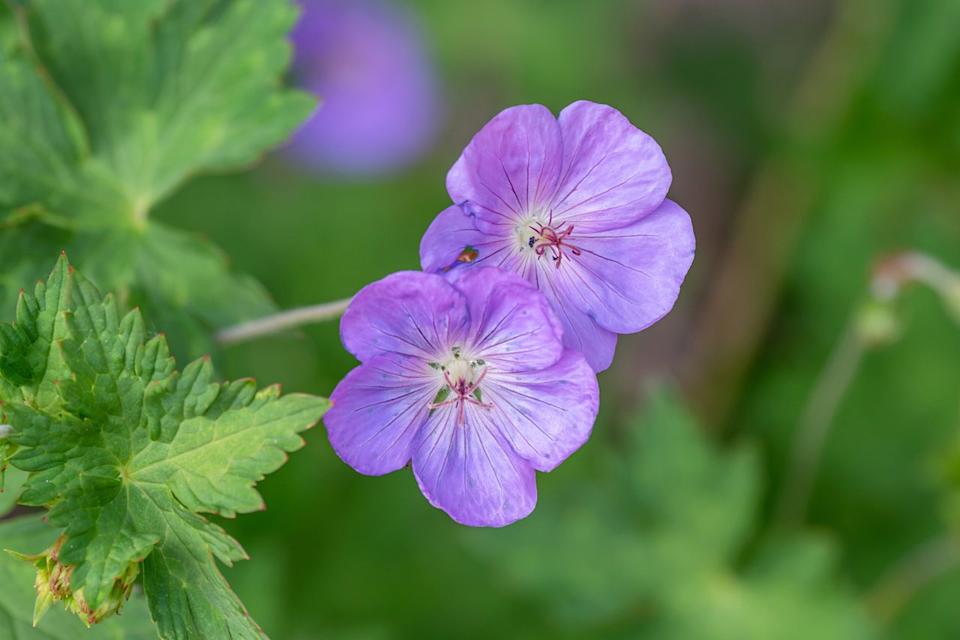
Credit: The Spruce / Evgeniya Vlasova
Wild geranium or the “wood geranium” is also native to the Eastern United States, where it naturally grows in shady woodlands and forest margins. In the garden, these plants are at their best in full to part shade and their pretty pinkish-purple flowers have a long bloom time that stretches from April to July.
Sun: Part sun to full shade
Soil: Moist, rich, and slightly acidic
Pasque Flower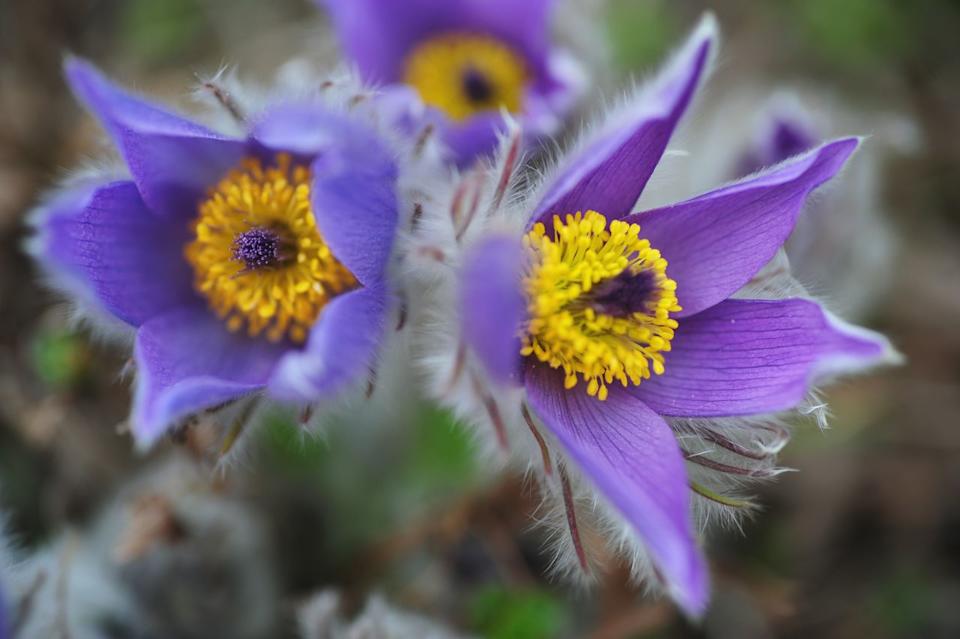
Credit: The Spruce / Evgeniya Vlasova
Like hellebores, Pasque flowers also bloom around Eastertime and are a sure sign that spring is on its way. Drought-tolerant and resilient, these early bloomers thrive in dry, sandy soil. At just around 6 to 12 inches tall, they’re a fine choice for the front or border of garden beds.
Soil: Well-draining and slightly alkaline
Lungwort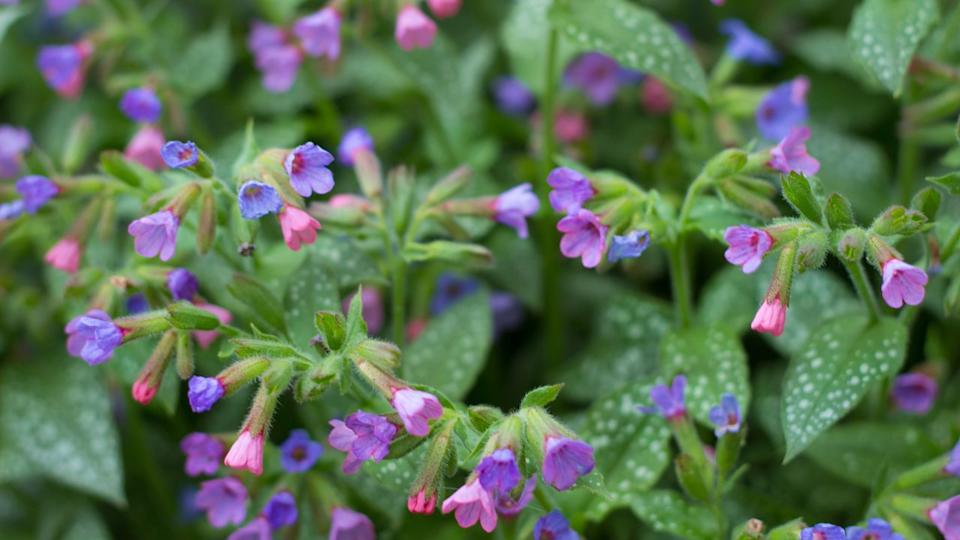
Credit: Jadranka Piperac / Getty Images
Another shade garden favorite, lungwort dazzles in spring with its colorful flowers, which change from pink to purple and blue as the season progresses. But even when lungwort’s flowers fade, this plant still attracts attention with its speckled leaves that add a touch of whimsy to any garden bed you grow it in.
Sun: Part sun to full shade
Soil: Moist, rich, and slightly acidic
Primrose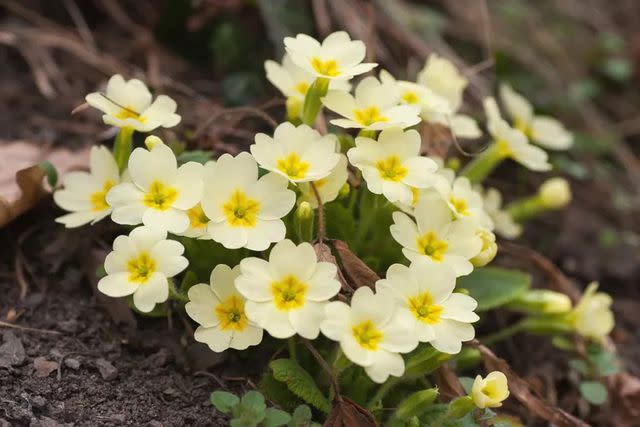
Credit: The Spruce / Evgeniya Vlasova
Growers in hot climates often treat primroses as annuals and replace their plants every spring. But primroses are hardy plants that grow perennially in cold climates and they can live for years and naturalize partially shaded spots over time.
Today, there are around 400 recognized species of primroses, which vary in height, bloom shape, and bloom time, but they’re all noteworthy for their cold tolerance and early spring flowers.
Soil: Moist, rich, and slightly acidic
Read the original article on The Spruce
Comments are closed.