
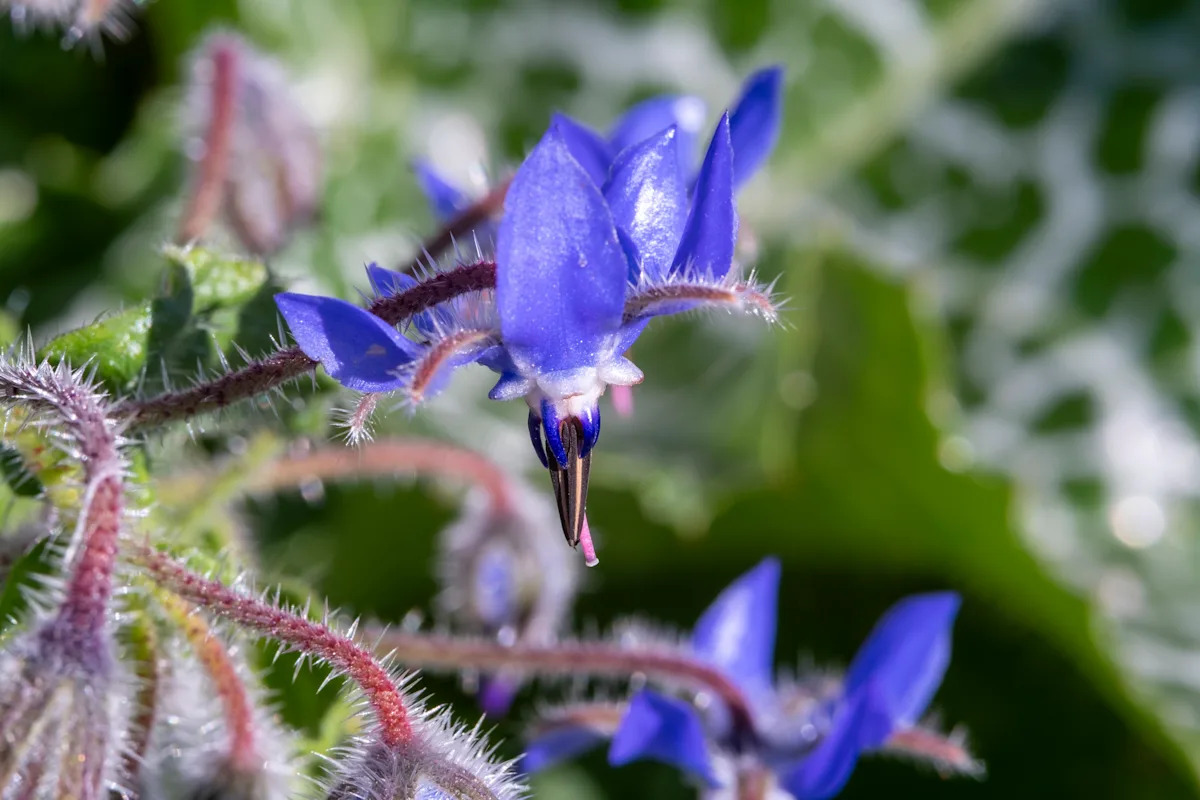
Choosing the right companion flowers for your vegetable garden does more than just add a splash of color—they can play a powerful role in creating a healthier, more productive growing space.
Many flowers naturally attract pollinators, draw in beneficial insects that prey on pests, and even help deter harmful bugs with their scent or structure. Some can improve soil health, while others may enhance the growth, yield, or flavor of nearby vegetables.
Here are 10 flowers you should consider planting next to your vegetables this season.
Nasturtiums (Tropaeolum majus)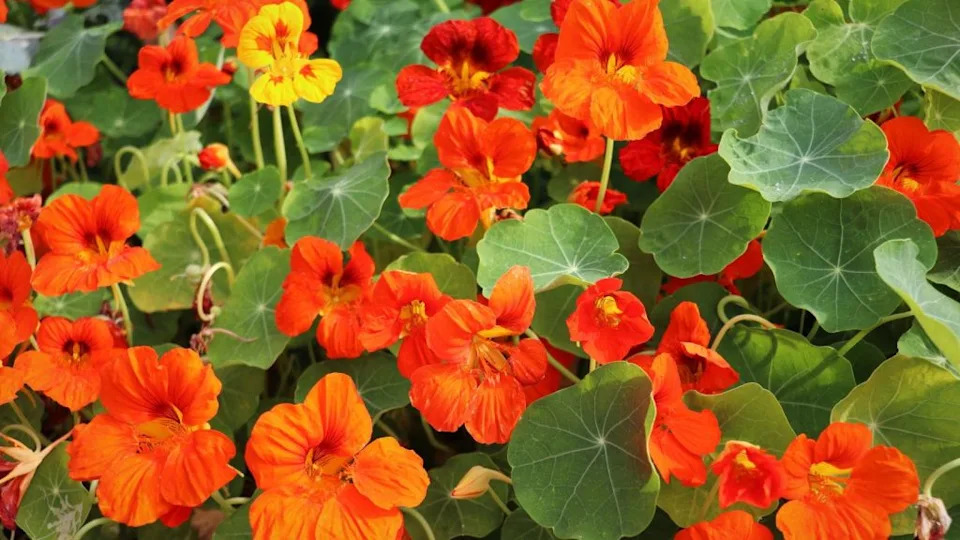
Image Credit: Deposit Photos
Nasturtiums are a dual-purpose powerhouse in the vegetable garden. They attract pests like aphids and squash bugs away from your main crop, while also bringing in beneficial insects like hoverflies and predatory wasps.
Their trailing vines help cover bare soil, reduce weeds, and retain moisture in the soil, which is perfect for supporting your vegetables.
Cosmos (Cosmos bipinnatus)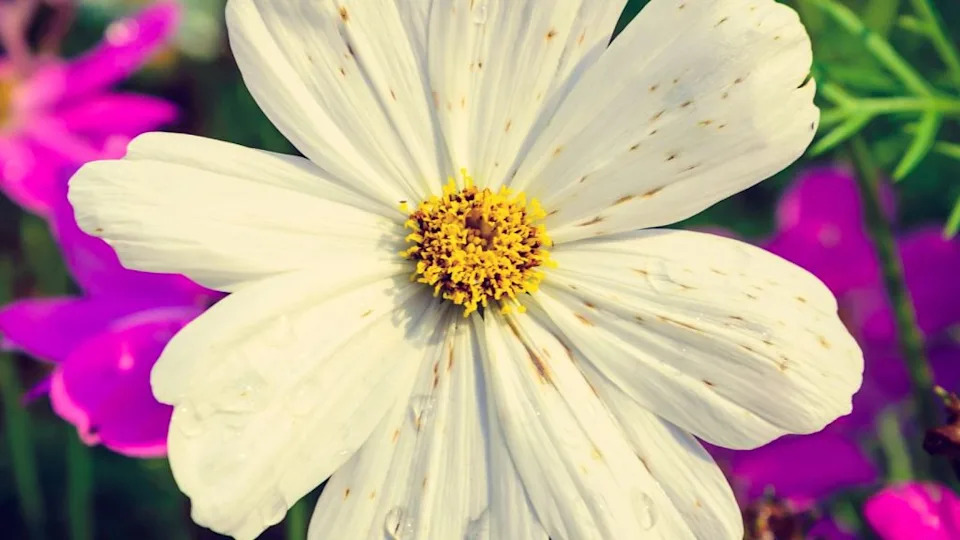
Image Credit: Deposit Photos
Cosmos are easy to grow from seeds, with blooms appearing in about two months. They tolerate summer heat well and add height and movement to garden beds, attracting pollinators with their delicate, daisy-like flowers.
They prefer sunny spots and well-drained soil, and once established, they require minimal watering. The variety of colors—pink, white, red, orange, and purple—ensures a match for any garden theme.
Borage (Borago officinalis)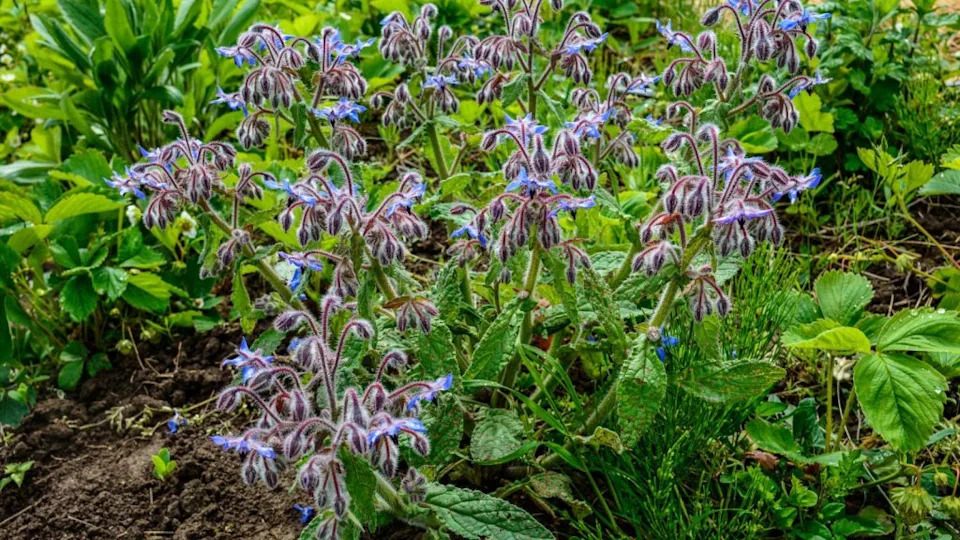
Image Credit: Deposit Photos
Borage is a magnet for pollinators and beneficial insects, which makes it a perfect companion for vegetables like squash. Its star-shaped flowers attract bees while also drawing in pest-eating insects like ladybugs.
Borage is especially effective in controlling aphids and hornworms. It self-seeds easily, so keep an eye on spreading.
Bee Balm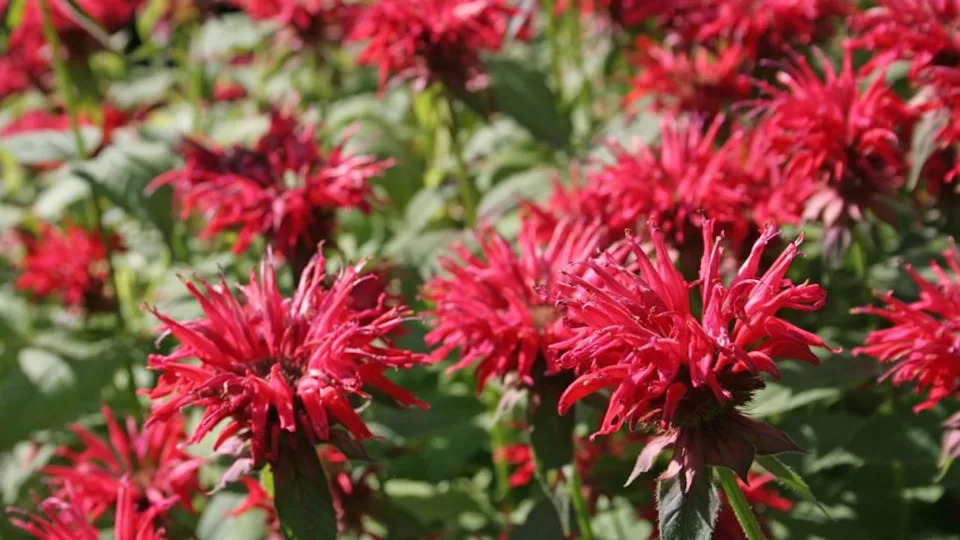
Image Credit: Deposit Photos
Bee balm is a magnet for pollinators, especially hummingbirds and bees. It also helps to reduce the risk of fungal diseases that affect many vegetables. It grows in USDA zones 4 to 9 and thrives with moderate watering and in full sun to partial shade.
Calendula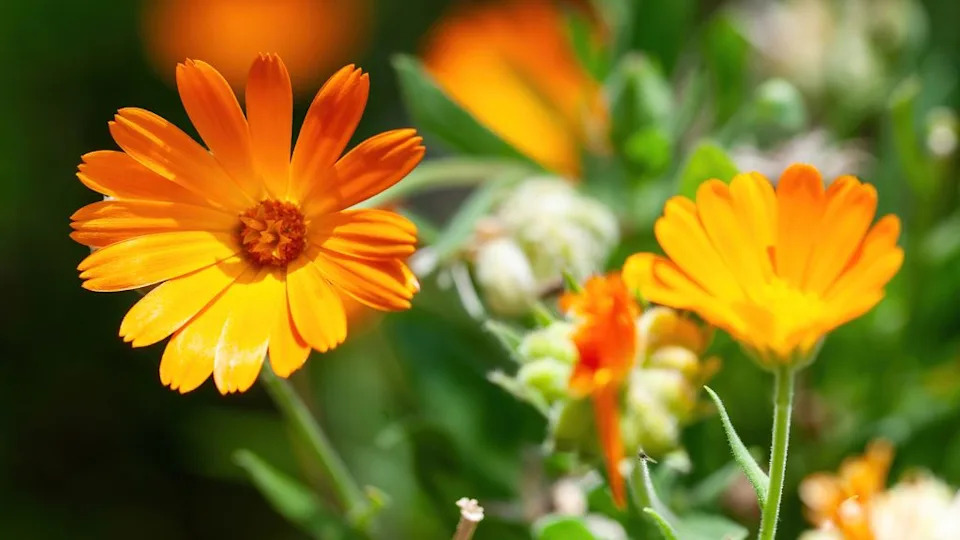
Image Credit: Deposit Photos
Calendula brings bright color to the garden and a subtle, musky scent that many pests find unappealing. It helps deter squash bugs, aphids, hornworms, and flea beetles.
These cheerful flowers are low-maintenance and grow quickly, offering both protection and pollination support as they spread across the garden bed.
Marigolds (Tagetes spp.)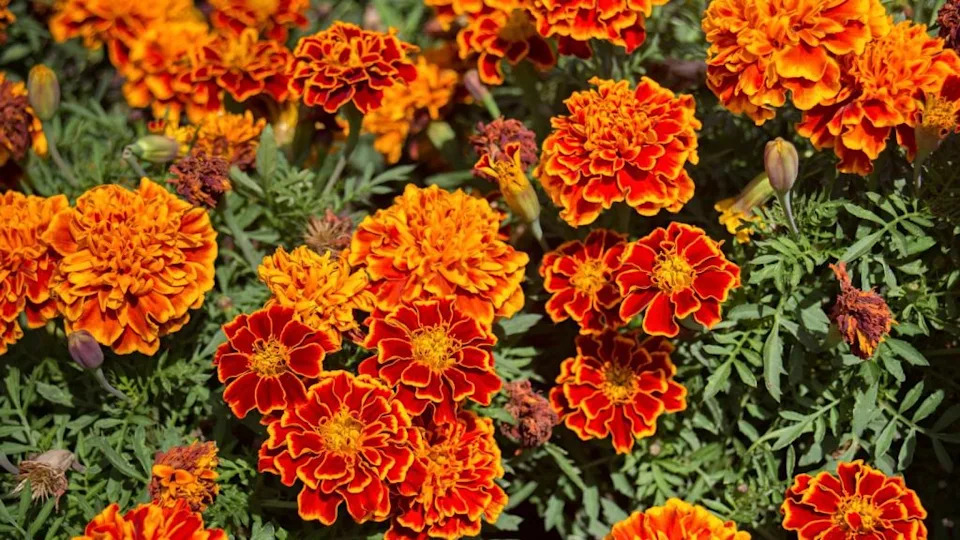
Image Credit: Deposit Photos
Marigolds are one of the most well-known companion plants—and for good reason. Their strong scent repels a wide range of pests, including squash bugs, aphids, nematodes, and beetles that often target vegetables like tomatoes and squash.
Sunflowers (Helianthus annuus)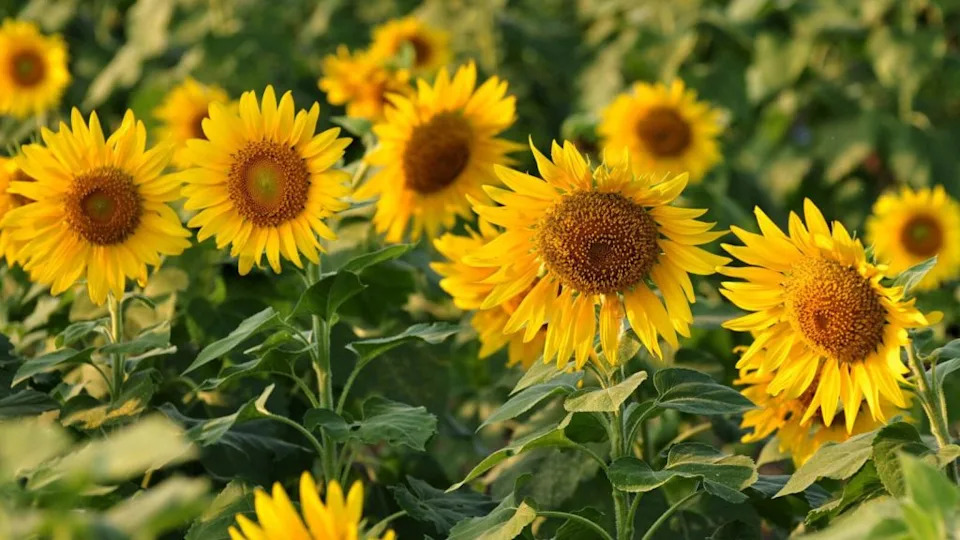
Image Credit: Deposit Photos
Sunflowers will brighten up the garden and also serve as helpful companions to a variety of vegetables. They attract a variety of pollinators and beneficial insects that can improve fruit set and help manage pest populations.
Sweet Alyssum (Lobularia maritima)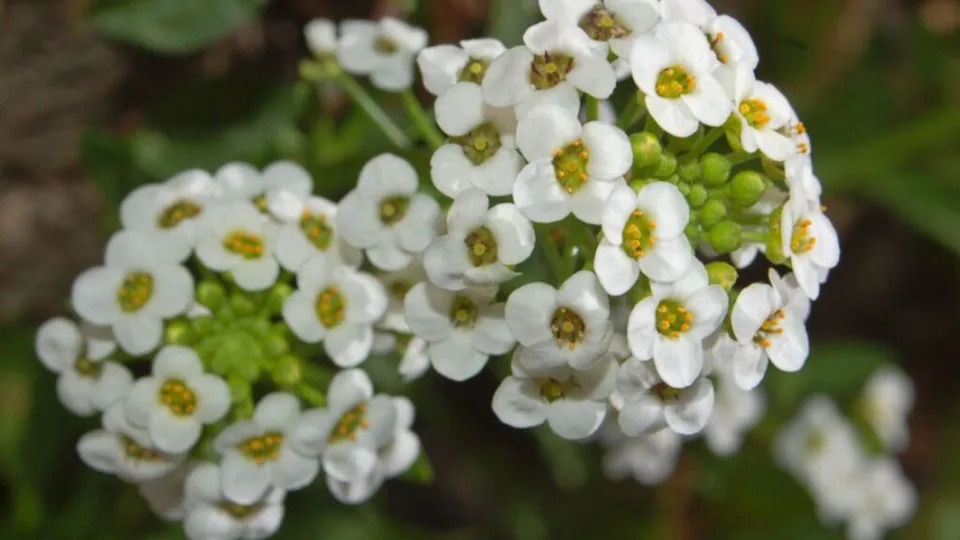
Image credit: Hectonichus, CC BY-SA 3.0 via Wikimedia Commons
Sweet alyssum is a low-growing flower that attracts parasitic wasps—tiny but mighty allies in controlling aphids and other soft-bodied pests. Its small white blooms create a soft border around your squash while quietly working to keep pest populations in check. It reseeds easily without becoming invasive and thrives with minimal care.
Chamomile (Matricaria chamomilla)
Image Credit: Deposit Photos
Chamomile may be known for its calming tea, but in the garden, it’s a powerhouse companion. It attracts beneficial insects, such as hoverflies and parasitic wasps, that prey on pests commonly found near many vegetables. It also has mild antifungal properties and can improve the health of nearby plants through its root secretions.
Lavender (Lavandula spp.)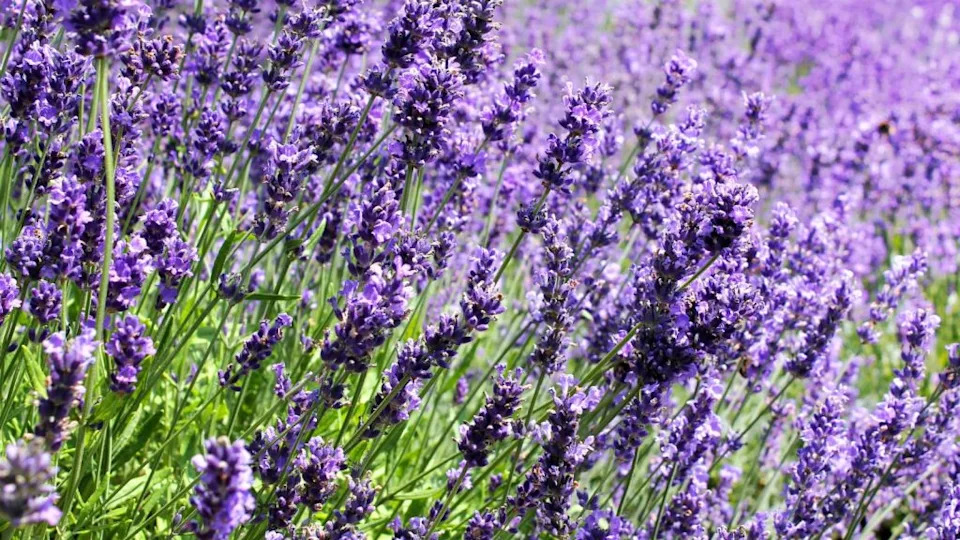
Image Credit: Deposit Photos
Lavender, known for its soothing fragrance and beautiful purple spikes, is drought-resistant and thrives in full sun and well-drained soil. Plant this season to establish strong roots for blooms that attract bees and butterflies, enhancing your garden’s ecosystem.
Comments are closed.