
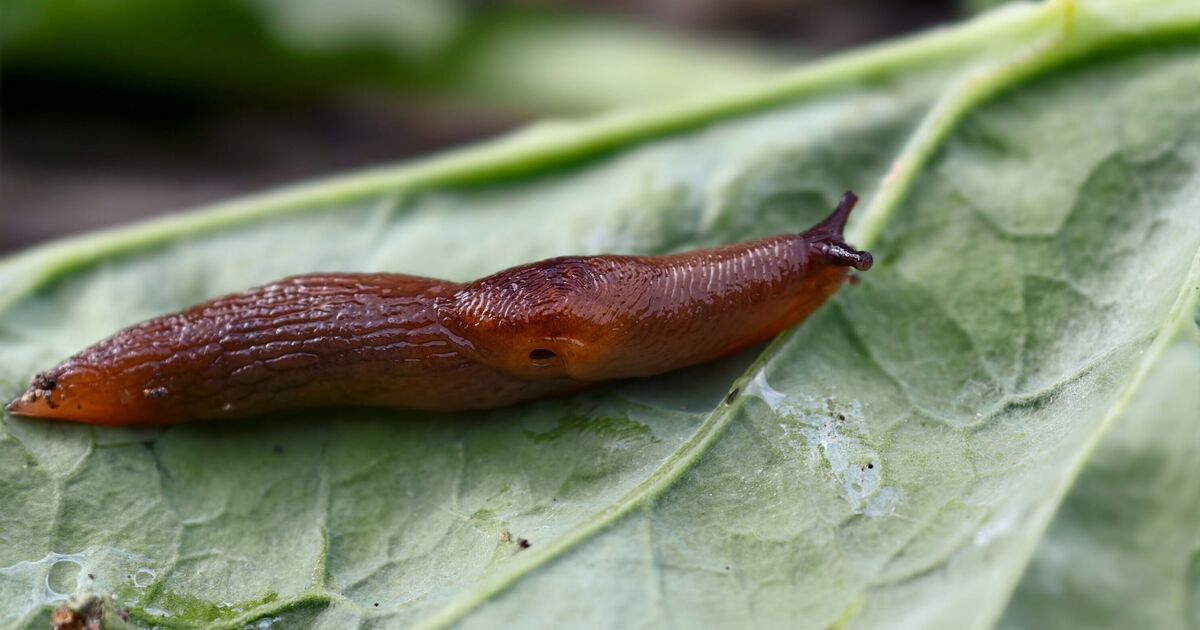

Using one natural ingredient can keep slugs away from garden (stock image) (Image: Getty)
As spring has officially sprung, many home owners will be spending more and more time outside in their gardens, whether it’s to enjoy the nice weather, or get started on planting things in their garden beds. However, adding more plants to your garden also comes with the risk of some uninvited guests.
One tiny animal can be a nightmare for avid gardeners – the pesky slug. From munching lettuce heads, to destroying young seedlings, they can leave a trail of destruction in their path. While slugs are active for most of the year, they’re a particular problem in spring, when there’s plenty of young growth for them to eat.
READ MORE: Monty Don shares top methods to deter slugs and snails
READ MORE: Stop slugs and snails eating plants with cheap natural item gardener swears by
While it’s near impossible to get rid of them completely, there are ways to reduce the amount of slugs in your garden. To help, gardener Simon Akeroyd has shared a simple trick to prevent slugs from eating your plants, and you only need one natural thing to do so.
“How to prevent slugs munching your plants,” he wrote at the start of his TikTok video. He continued to say: “It’s frustrating finding your plants have been eaten by slugs. So here is a handy gardening hack to reduce slug damage.”
In his video, Simon is seen going into a bushy area of his garden, where he went on to look for any twigs and sticks that would be covered in thorns. “Cut lengths or thorny twigs, such as roses or brambles, and place these thorny sticks around the edges of your plant,” Simon explained.
After finding some thorny twigs, he went back into his greenhouse, where he went on to cut the twigs into smaller pieces to better fit around his potted plants, making sure every part of the plants were inside the wall of twigs.
“Slugs would prefer not to slither over sharp thornes, which reduces the chances of slugs eating your plants,” Simon explained, as he held up his now slug-proof plant.
In the caption of the post, he went on to compare it to barbed wire, ‘just for slugs and snails’. “To be fair, it won’t completely stop slug damage, as some are already in the compost or soil, whilst others are completely impervious to any barriers. But it will hopefully reduce the damage,” he said, before wishing his followers ‘good luck’.
@simonakeroydgardener
How to reduce slug and snail damage in the garden. Its like barbed wirejust for slugs and snails. This is an old gardeners trickalthough young gardeners can try this too To be fair, it wont completely stop slug damage, as some are already in the compost or soil, whilst others are completly impervious to any barriers. But it will hopefully reduce the damage. Good luck.
original sound – MustangPEK???????????????????????????????????? How to keep slugs and snails from eating your garden
According to the Royal Horticultural Society (RHS), slugs and snails are so abundant in gardens that some feeding is unavoidable. They cannot and should not be eradicated, so targeted management to protect particularly vulnerable plants, such as seedlings and soft young shoots on herbaceous plants, will give the best results.
Some ways to minimse slug and snail damage include choosing plants that are less palatable to slugs and snails. You could also use transplant sturdy plantlets grown in pots rather than young vulnerable seedlings.
Gardeners can also use torches to search their garden in the early evening, picking out slugs and snails and placing them in another part of the garden, such as compost or areas with less vulnerable plants. You can also leave them out in your garden for predators to take.
Comments are closed.