
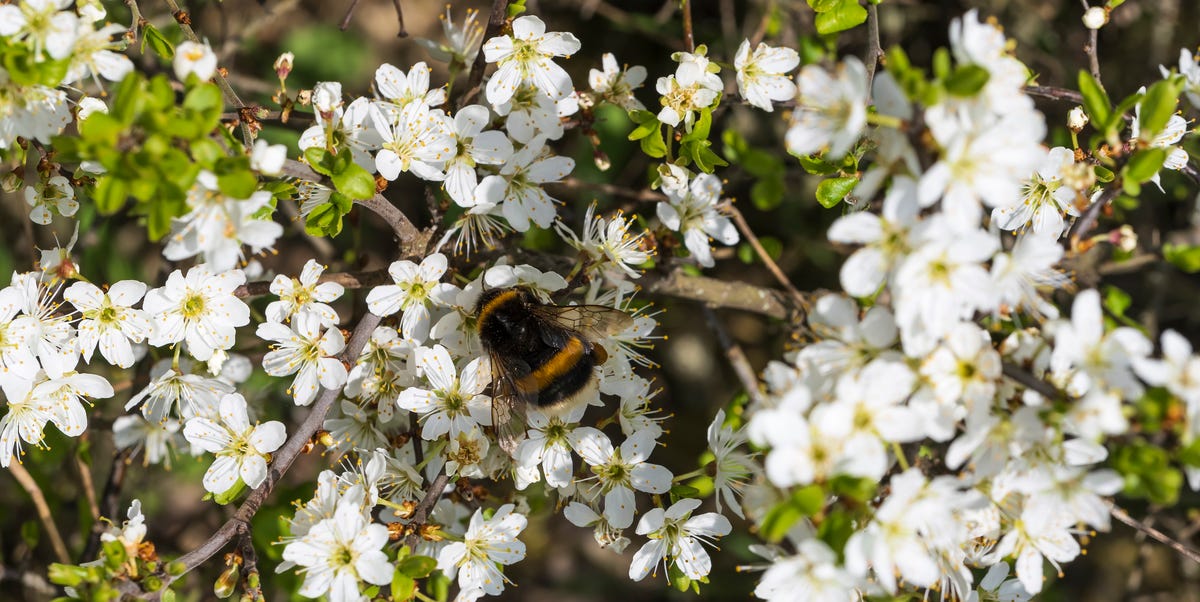
As gardens begin to stir back into life, bees are emerging too — and early nectar sources matter more than many gardeners realise.
While hedges are often chosen for privacy or structure, the right varieties can also provide a vital source of food for pollinators in early spring and beyond. Unlike short-lived bedding displays, flowering hedges offer a longer-lasting supply of nectar, as well as shelter and habitat, all while giving shape and structure to your garden.
According to Morris Hankinson, managing director of Hopes Grove Nurseries, planting a mix of species is key.
‘Hedges that flower at different times of year can provide food from early spring to late summer, especially if hedging contains a mix of native species,’ he explains. ‘Hedging also provides shelter, nesting space and overwintering homes, acting as corridors of nectar in landscapes where other resources may be limited.’
With that in mind, here are six of the best bee-friendly hedges to plant this month.
1. Prunus spinosa (Blackthorn)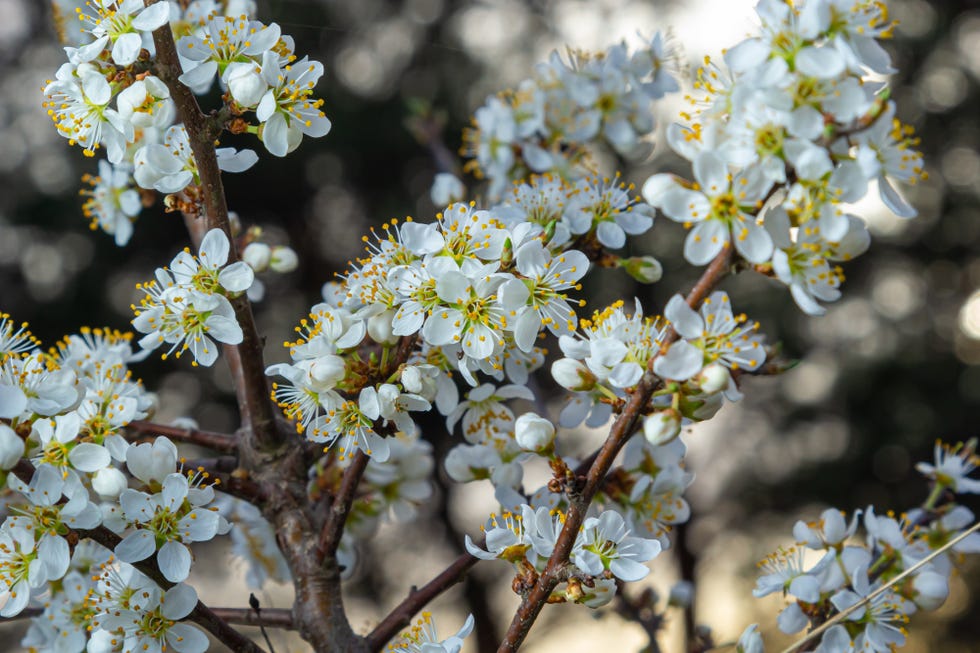

Oleg Marchak//Getty Images
One of the earliest hedges to flower, blackthorn is often still in bloom in early April, offering a vital early nectar source for bees.
Morris says the blossoms are ‘especially valuable for early emerging solitary bees and queen bumblebees searching for food after winter’.
If you are planting now, blackthorn is a strong choice for next spring’s early nectar. To maximise its benefit, avoid cutting it back too soon. ‘Allowing plants to grow naturally and trimming after flowering helps preserve the blossom that pollinators rely on,’ he advises.
2. Acer campestre (Field Maple) 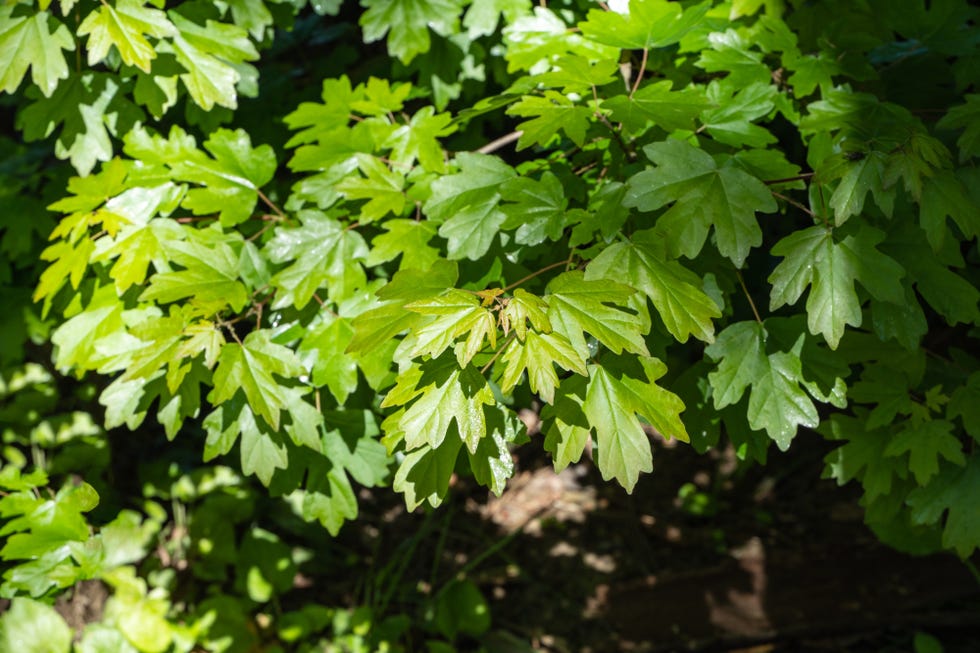
Alexander Denisenko//Getty Images
Field maple is often included in native hedging mixes — and for good reason. Its small yellow-green flowers appear in April and May, offering pollen and nectar for honeybees, hoverflies and solitary bees.
‘It tolerates regular hedge cutting,’ says Morris, ‘but leaving some sections less tightly trimmed can increase flowering and benefit pollinators.’
3. Taxus baccata (Yew)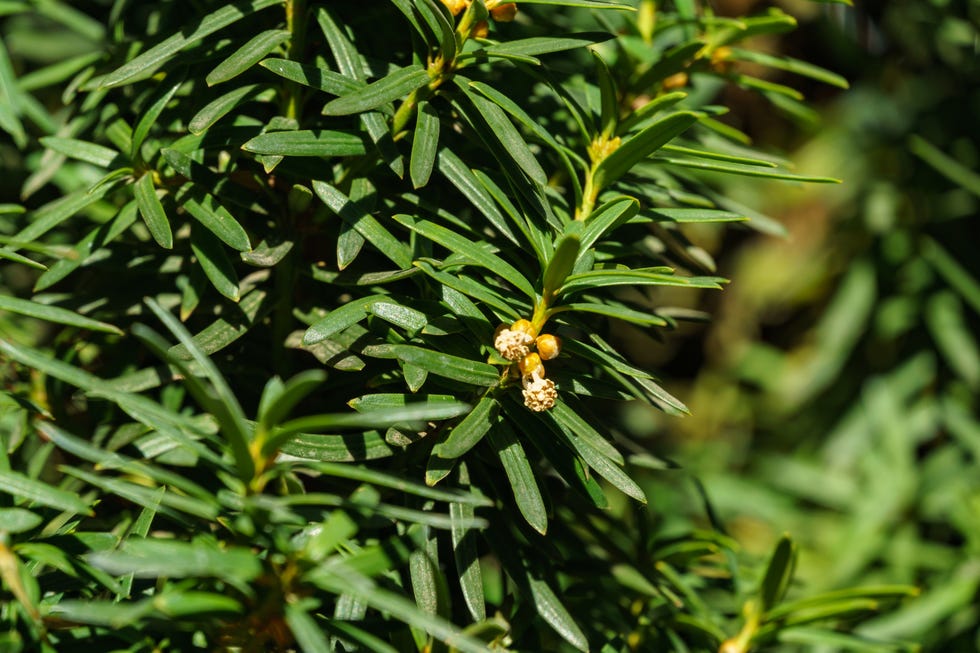
Marina Denisenko//Getty Images
Yew may not be rich in nectar, but it plays a different — and equally important — role in a bee-friendly garden.
‘Yew doesn’t have nectar-rich flowers, but it is still valuable as a year-round shelter for overwintering insects,’ says Morris. Dense evergreen growth provides protection from wind, predators and cold weather.
Keeping pruning to a minimum and allowing it to mature will help maintain this vital shelter.
4. Ligustrum vulgare (Privet)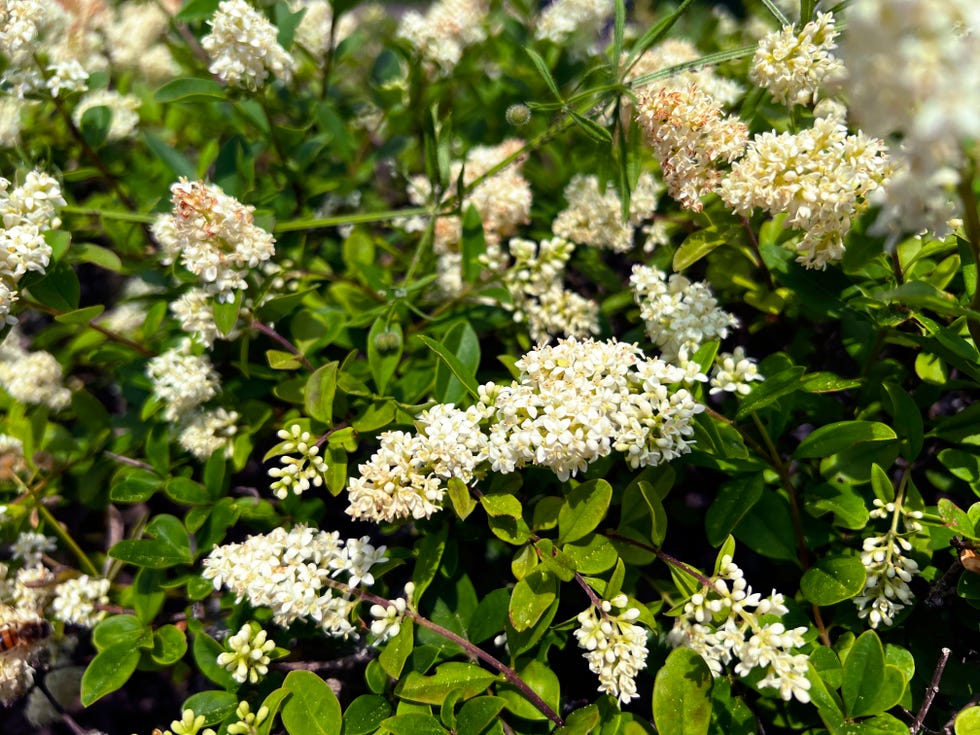
Feifei Cui-Paoluzzo//Getty Images
Often underestimated, privet produces summer flowers that are highly attractive to bees — provided you don’t cut it too early.
‘The flowers provide nectar for pollinators during the warm months of the year,’ Morris explains. Timing your pruning after flowering ensures bees can make the most of it.
5. Prunus laurocerasus (Laurel)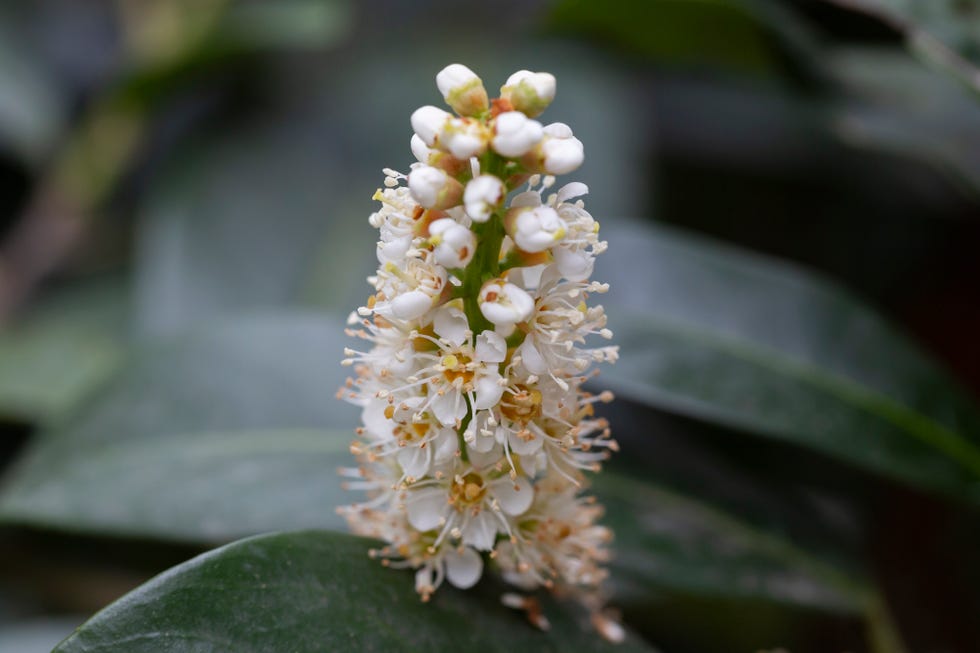
Anna Nelidova//Getty Images
Laurel’s spring flower spikes offer nectar, though not as abundantly as some native species. Still, when allowed to bloom, it can support a pollinator-friendly garden.
‘Allowing plants to flower before trimming will help to maximise the benefits for pollinators,’ Morris says.
6. Crataegus monogyna (Hawthorn)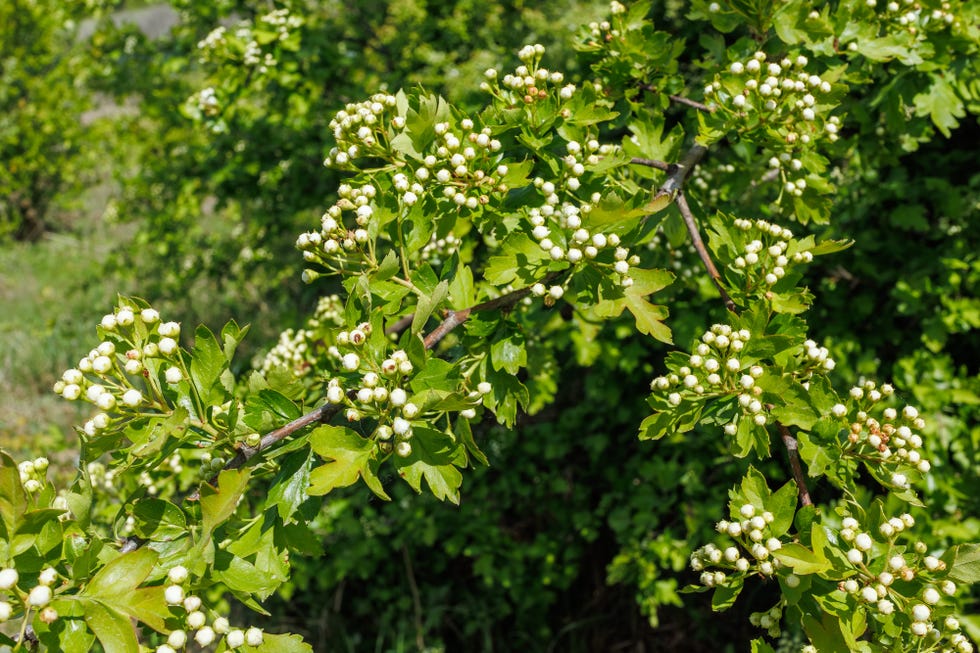
Volodymyr Chmut//Getty Images
Few hedges rival hawthorn for wildlife value. Its spring blossom — often known as ‘May blossom’ — is rich in nectar and pollen.
‘As a native, there are many pollinators that enjoy the flowers, including bumblebees, honeybees and solitary bees,’ Morris explains. Hoverflies and beetles also benefit.
As with blackthorn, pruning should take place after flowering.
All can be planted in spring if container-grown, although bare-root plants should be planted during the dormant season (November to March) for best results.
When will a new hedge start helping bees?
The good news is you don’t have to wait years to make a difference.
‘Even a young hedge can support pollinators quickly,’ Morris says. ‘From year one, faster-growing species can produce small amounts of blossom and offer shelter. By year three, there should be more flowers and denser cover, and by year five onwards, a well-established hedge will become a great food source and habitat.’
In short, planting now means future-proofing your garden for both privacy and pollinators
Follow House Beautiful on Instagram, TikTok and Pinterest
The Garden Edit Habitat Global 2-Seater Bamboo Garden Bistro SetCredit: Argos
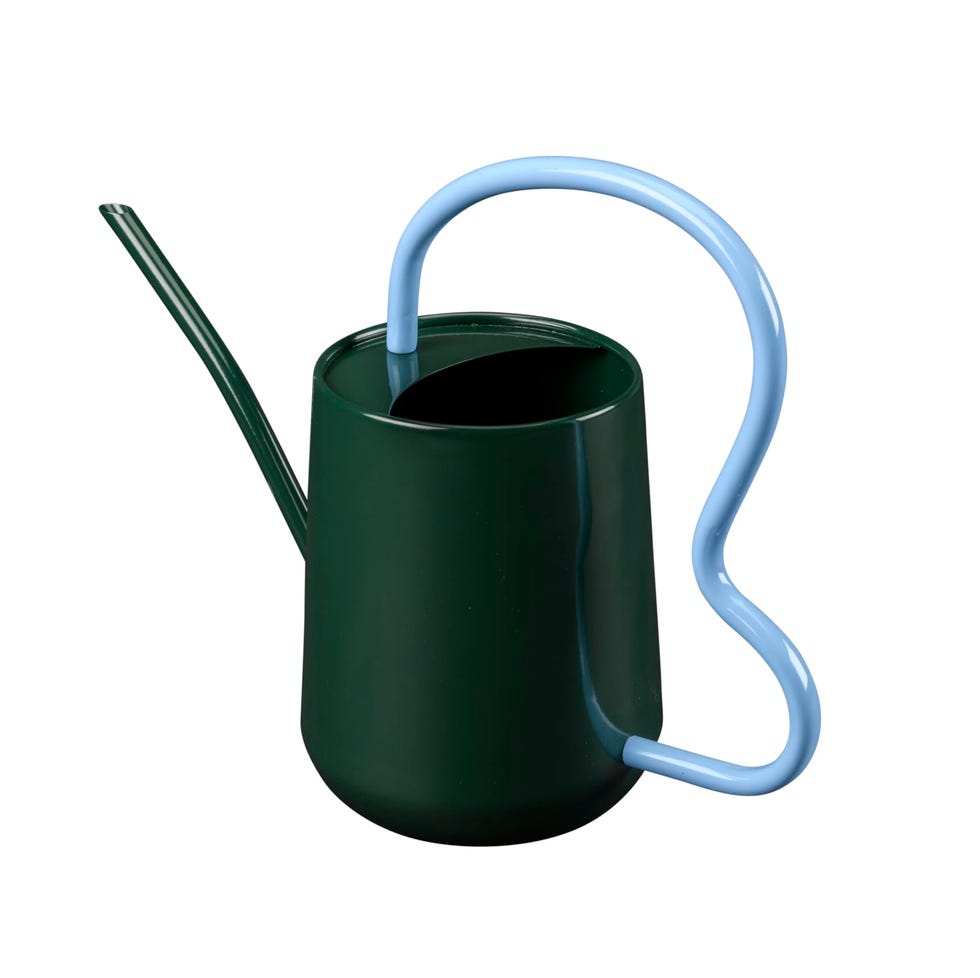 Burgon & Ball Scalloped Indoor Watering CanCredit: Amazon
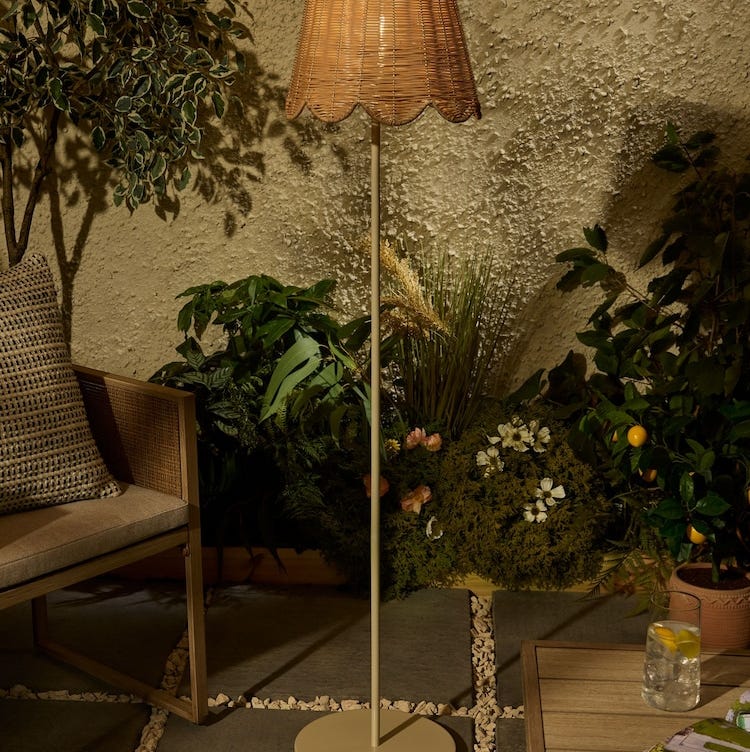 Natural Scalloped Rattan Outdoor Solar Floor LampCredit: Next
 Marcy 2-Seater Sling Garden Sofa, GreigeCredit: John Lewis
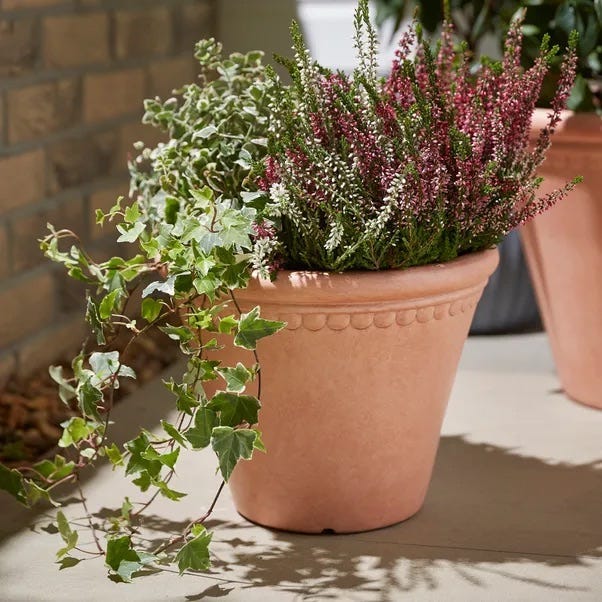 Scalloped Edge Smooth Fibre Clay Plant PotCredit: Dunelm
 Dibor Dining Chair Seat Pad SetCredit: Amazon
Comments are closed.