Edited to add: OP has explained (see below) that they are NOT in North America, and their environment and best practices understanding is very different than ours. For a full explanation, their link is very informative.
General_Bumblebee_75
Good to know that spring has arrived to your islands! Here I am beginning to see some of the native plants beginning to emerge, and my rain barrels are filling nicely for future watering needs.
Lats summer, I saw the effects of a major storm that impacted areas in Northern Minnesota. Many trees down, estimated 9 million trees down in Bemidji alone! I was visiting my friend’s cabin on a nearby island that was also impacted. Many people with cabins there were lamenting the loss of trees, but I told them to look down, not up. Similarly , removing vegetation allows more sun. There are now clearings and in the clearings, many more wildflowers blooming because they got light (The storm was in June and my visit in August). Also, many many seedlings of trees that will no doubt grow in. It will be fun to see the changes.I had never seen this species of Cornus before (C. canadensis), but it was in many places.
Where I live in Colorado, we keep the leaves! It provides cover for many insects that overwinter, the mulch helps the soil retain moisture, and it is Nature’s compost. Win, win, win.
Urbandragonsbyaaron
That’s not how you promote support to pollinators or biodiversity and you want to leave that to feed you soil but hey it’s your land do whatever you feel like!
Competitive-Ship-554
Different environments work in different ways. However, native plants in many places usually don’t need a nutrient rich soil.
lostinspacescream
I’m so confused now.
auspiciousjelly
I think you were kinda asking for it with that title in this sub 😂 but I read your other post and this is super interesting! definitely a different situation than the average like north american woodland/prairie l situation a lot of people talk about in here.
EF5Cyniclone
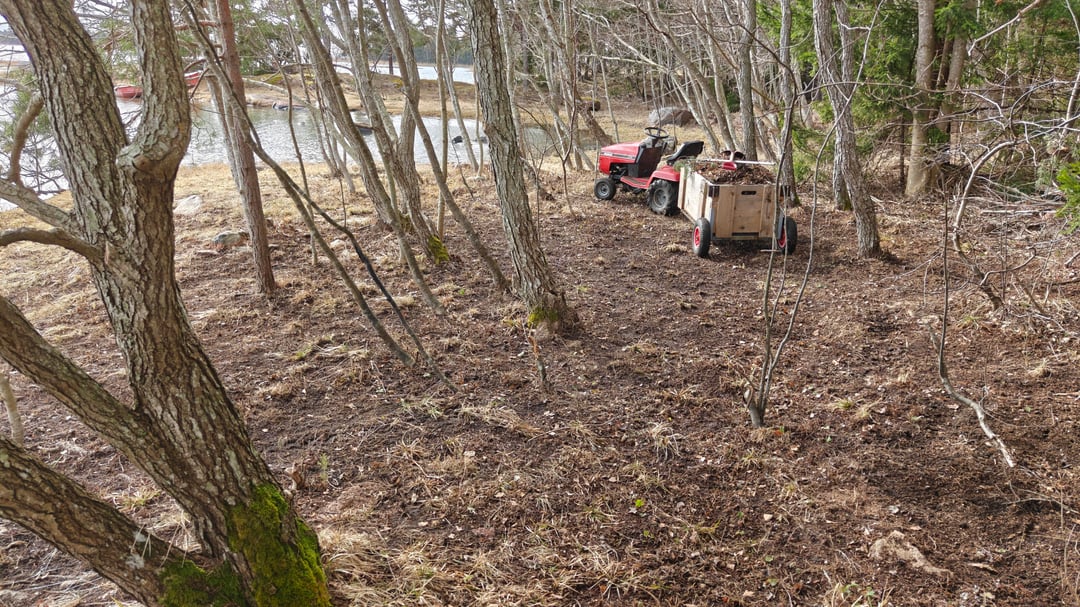
Do you use the excess biomass for anything after removal?
SixLeg5
This is an interesting thread. I do have a question related my suburban parcel in 7b eastern USA. The back 2/3 of my lot abuts 12 double lots whose backyards form a miniature hardwood forest (beech, oak tulip poplar, hickory) and five of these properties “leave the leaves”, at least in part. Although the leaves remain on the ground, some areas show denser coverage and do not decompose as rapidly as I would like. Does anyone have a recommendation for managing leaves that would accelerate natural decompositon while minimizing insect loss? I have seen salammanders and eastern box turtles in our yard so it appears I am doing something right

10 Comments
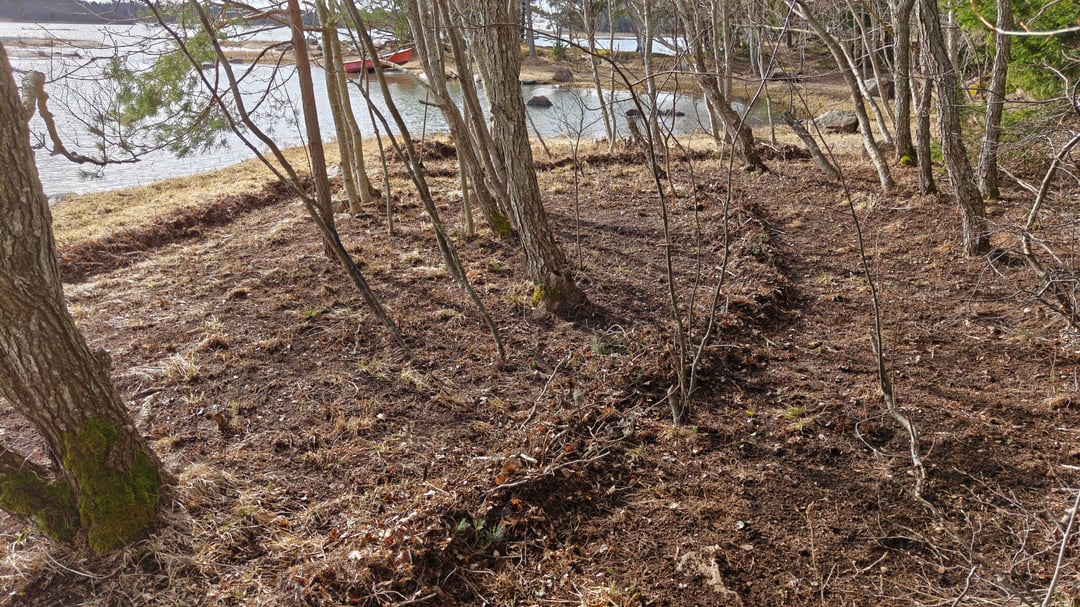
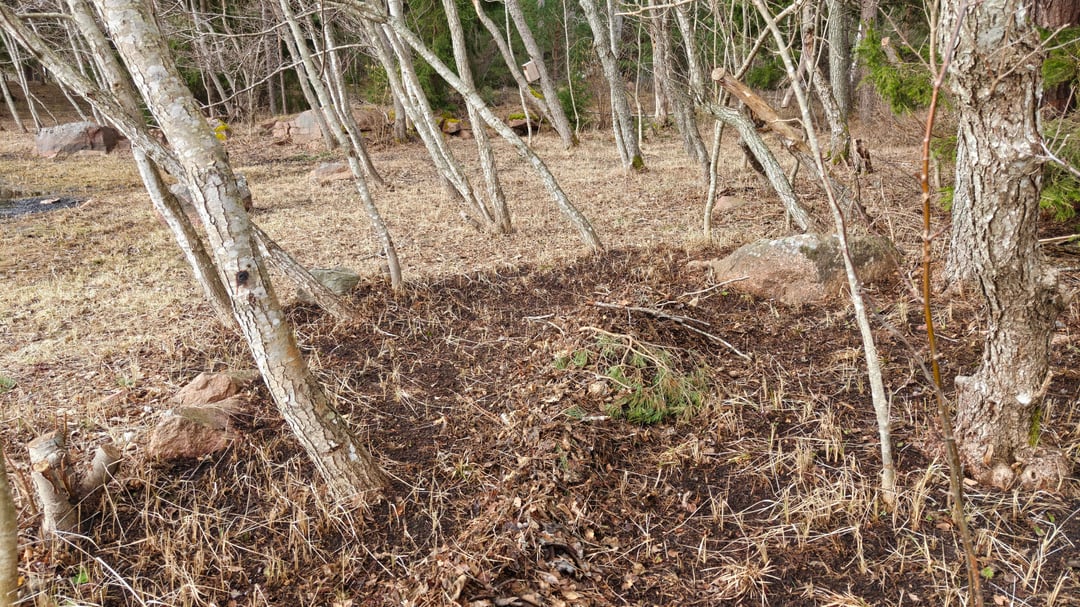
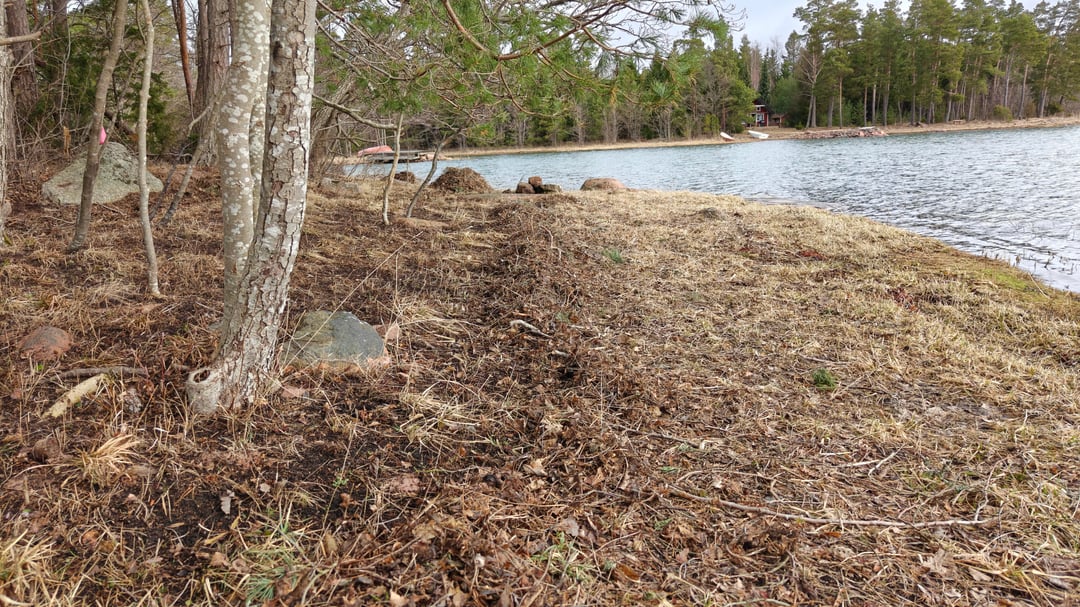
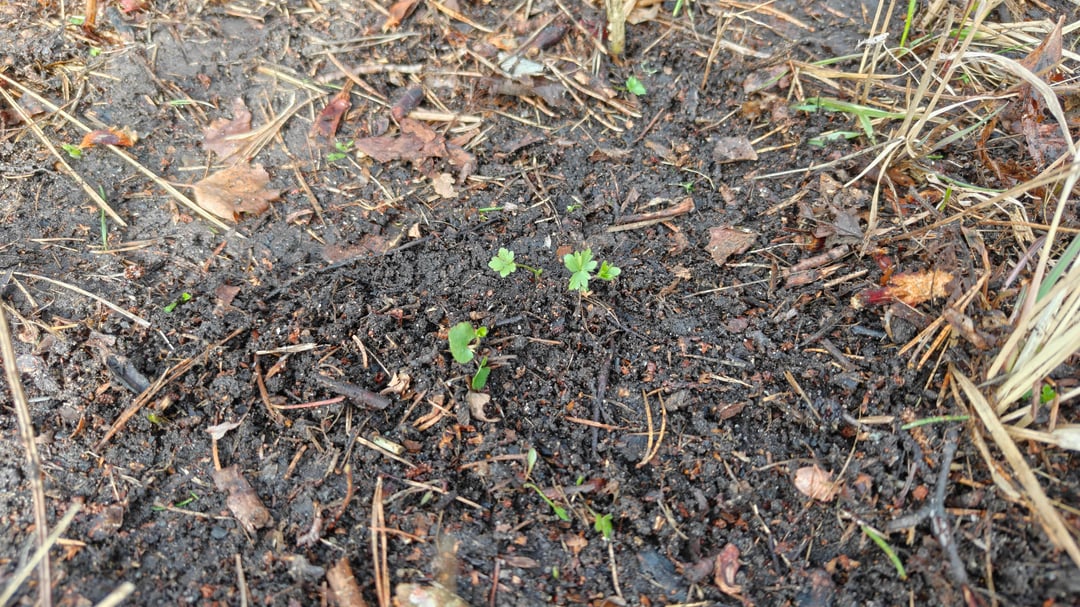
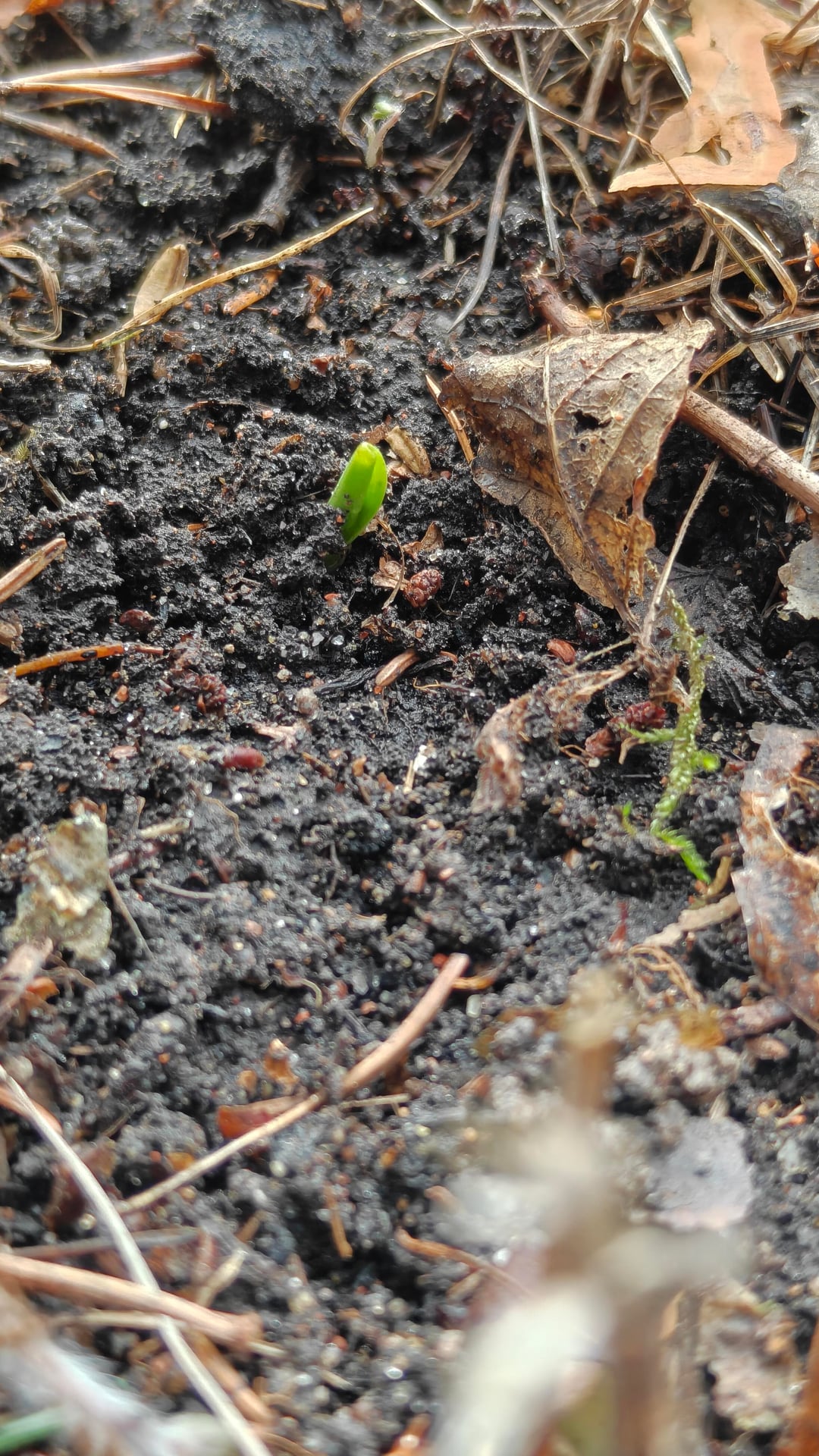
What are you raking away? Why?
Edited to add: OP has explained (see below) that they are NOT in North America, and their environment and best practices understanding is very different than ours. For a full explanation, their link is very informative.
Good to know that spring has arrived to your islands! Here I am beginning to see some of the native plants beginning to emerge, and my rain barrels are filling nicely for future watering needs.
Lats summer, I saw the effects of a major storm that impacted areas in Northern Minnesota. Many trees down, estimated 9 million trees down in Bemidji alone! I was visiting my friend’s cabin on a nearby island that was also impacted. Many people with cabins there were lamenting the loss of trees, but I told them to look down, not up. Similarly , removing vegetation allows more sun. There are now clearings and in the clearings, many more wildflowers blooming because they got light (The storm was in June and my visit in August). Also, many many seedlings of trees that will no doubt grow in. It will be fun to see the changes.I had never seen this species of Cornus before (C. canadensis), but it was in many places.
https://preview.redd.it/zw5531i1adtg1.jpeg?width=3024&format=pjpg&auto=webp&s=fcde9a1bb5e8b19f6bab8e193dcc1cb05f9341dc
what’s your ecoregion
Where I live in Colorado, we keep the leaves! It provides cover for many insects that overwinter, the mulch helps the soil retain moisture, and it is Nature’s compost. Win, win, win.
That’s not how you promote support to pollinators or biodiversity and you want to leave that to feed you soil but hey it’s your land do whatever you feel like!
Different environments work in different ways. However, native plants in many places usually don’t need a nutrient rich soil.
I’m so confused now.
I think you were kinda asking for it with that title in this sub 😂 but I read your other post and this is super interesting! definitely a different situation than the average like north american woodland/prairie l situation a lot of people talk about in here.
Do you use the excess biomass for anything after removal?
This is an interesting thread. I do have a question related my suburban parcel in 7b eastern USA. The back 2/3 of my lot abuts 12 double lots whose backyards form a miniature hardwood forest (beech, oak tulip poplar, hickory) and five of these properties “leave the leaves”, at least in part. Although the leaves remain on the ground, some areas show denser coverage and do not decompose as rapidly as I would like. Does anyone have a recommendation for managing leaves that would accelerate natural decompositon while minimizing insect loss? I have seen salammanders and eastern box turtles in our yard so it appears I am doing something right