
Credit: Dean Schoeppner
Think you don’t have space to garden? Enter micro gardening, a growing trend among those with tiny yards or even no outdoor space at all.
“More people live in apartments and high-density areas with no backyards, so micro gardening allows people to grow plants in tiny outdoor or indoor spaces,” says Kelly Funk, President and CEO of Jackson & Perkins.
Here’s how you can start a micro garden, whether you have a yard or not.
Meet Our Expert
Anton Ledin is a trained gardener and plant expert at Planta, with years of hands-on experience with houseplants.
Credit: Peter Krumhardt
What Is Micro Gardening?
Anne Gibson, also known as The Micro Gardener on her blog, coined the term “micro gardening” in 2007 when she moved to a place with an area too small for starting a traditional food garden. That meant she had to get creative with the space she did have. On her website, she defines micro gardening as “the practice of intensively food ‘farming’ in containers and well-designed, small urban spaces.”
Over the years, micro gardening has expanded to include more than just food plants. But everything is grown “in very small spaces using containers, vertical systems, windowsills, balconies, or compact raised beds,” says Anton Ledin, a trained gardener and plant expert at Planta.
“Micro gardening is all about utilizing the space that you have,” Funk agrees. In addition to identifying the pockets and nooks that could potentially support plant life, micro gardening techniques aim to maximize that potential as much as possible.
Benefits of Micro Gardening
Compared to traditional outdoor gardens, micro gardens offer a number of advantages:
Good for beginners. Ledin says micro gardening can simplify the process of getting started for beginning gardeners. “It’s easy to get carried away when you’re first starting,” he says. Micro gardening is inherently more limited than traditional gardens, allowing you to “begin with just a handful of plants, so you don’t feel overwhelmed.”
Wider accessibility. “Apartment dwellers, urban dwellers, seniors, and anyone with limited mobility can take advantage of micro gardening because it is possible with whatever space is available, like windowsills or balconies,” Funk says.
More predictability. While an in-ground garden plot is at the mercy of weather and other growing conditions, micro gardening gives you more control over all the essential variables such as soil, light, and water.
More mobility. Micro gardening makes it possible to bring your garden with you when you move to a new house or apartment, and you don’t have to wait to buy a house and have a mortgage before starting a garden. You can also move your containers around to more advantageous spots as sun angles change through the seasons.
How Do I Micro Garden?
Micro gardening is similar to container gardening in the sense that “if you have sufficient light and a container and understand the plant’s light and temperature requirements, you can garden,” Ledin says. The distinction is that micro gardening focuses on creating tiny yet very productive growing spaces.
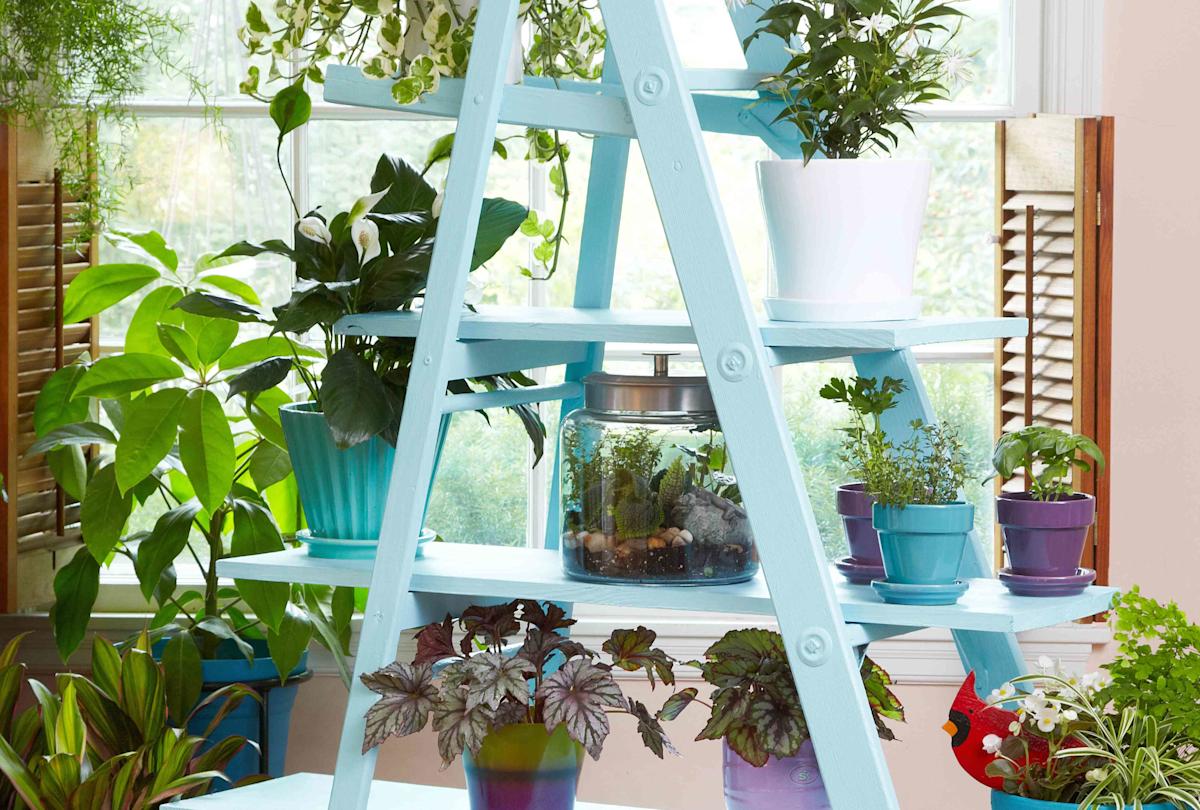
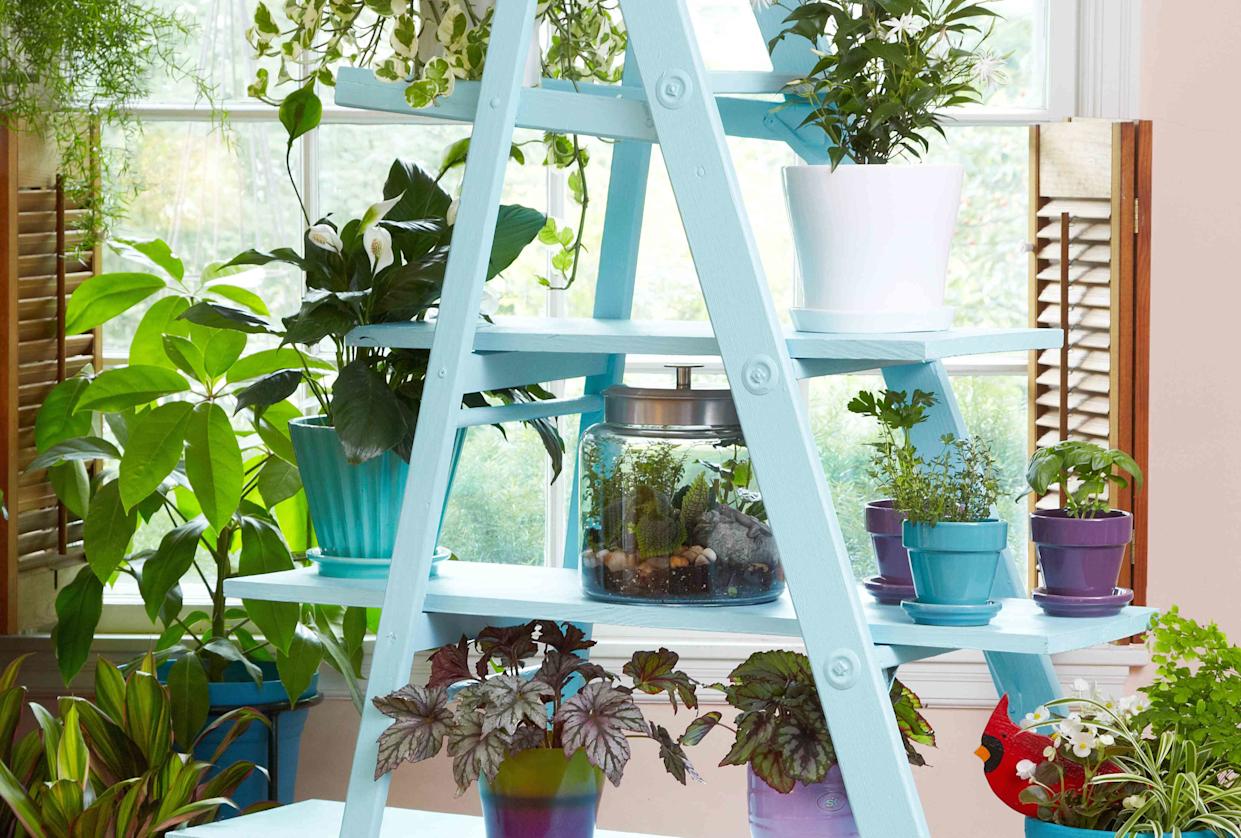
That could mean leveraging vertical space as much as possible, and even leaning on hydroponic growing units. “If you live in an apartment and have a balcony, you can use vertical space with stacked planters or vertical shelves, or use hanging baskets,” Funk says. If all you have is a windowsill, fill it with small pots of herbs like basil, parsley, and cilantro.
Start by choosing the right container and potting soil for the plants you want to grow. Use a quality potting mix with good drainage, and make sure the container has drainage holes.
“Choose slightly larger containers so roots have room to grow and soil doesn’t dry out too quickly,” Funk says. Plants in pots usually need to be watered more regularly than traditional in-ground gardens so consider sustainable watering optionslike storing rain water or self-watering pots and drip systems.
“Feed with compost or gentle fertilizer regularly because container soil runs out of nutrients faster,” Funk says. Most crops also need about six hours of direct sunlight, so make sure your pots are placed in sunny spots. Some plants don’t require that much sun, though, so do your research before burning your shade-loving greens.
Credit: Lynn Karlin
What Plants Are Good for Micro Gardening?
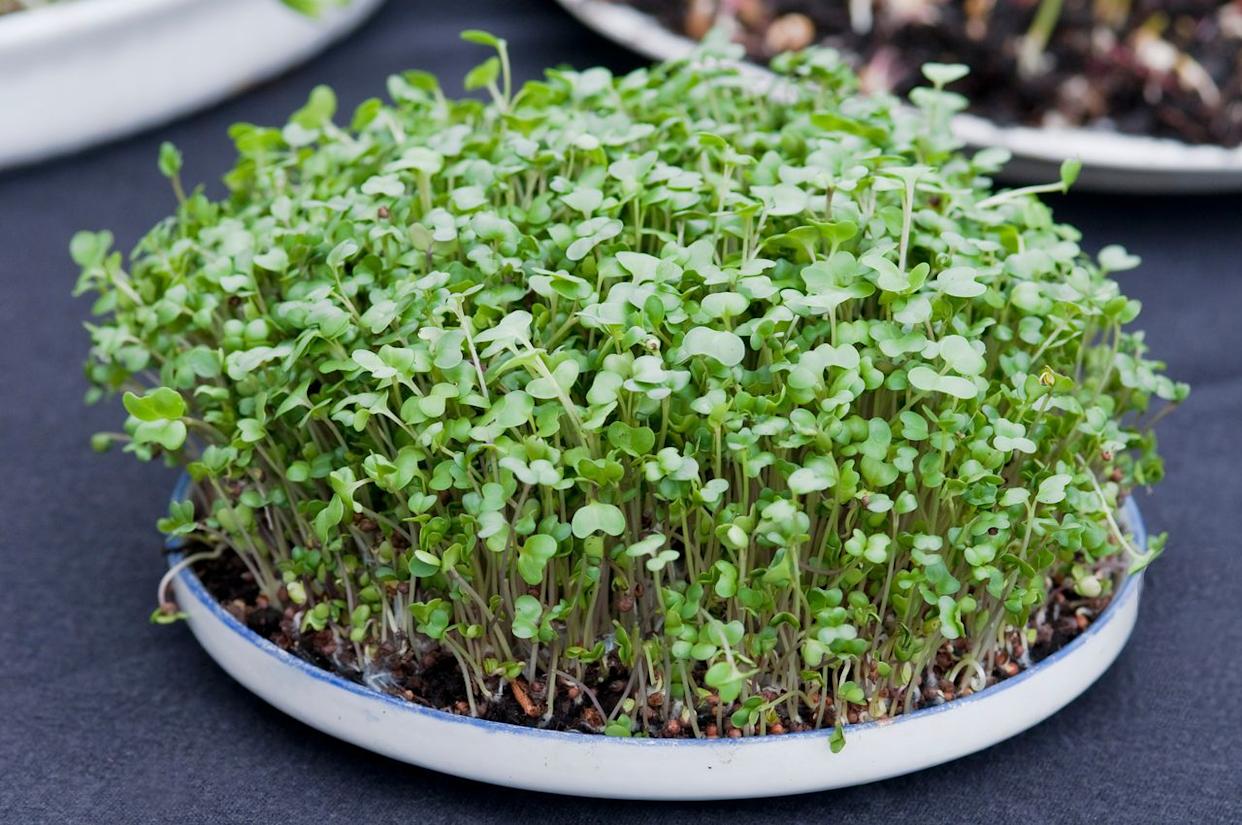
Although large plants like squashes may be off the table, you can still curate a diverse and useful food garden. The best plants are anything that require little space and have a high yield. Compact herbs—like basil, mint, thyme, cilantro, rosemary—are excellent micro garden picks, and so are microgreens—like arugula, broccoli, and radish sprouts.
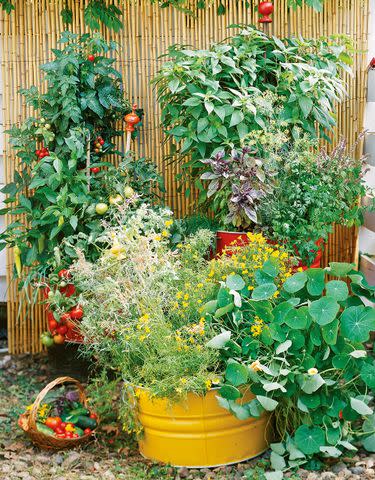
Smaller fruiting plants, such as compact varieties of tomatoes and peppers, strawberries, and blueberry—and small fruit trees are good choices as well, but they’ll do better in larger outdoor containers rather than indoors.
“Many fruits and vegetables, such as tomatoes, peppers, herbs, strawberries, and leafy greens, can thrive in containers,” Ledin says. Funk recommends using larger pots for bigger veggies—like peppers or tomatoes—and smaller ones for herbs and lettuces.
Read the original article on Better Homes & Gardens
Comments are closed.