
Not only has the soil finally dried and warmed enough, but the peak growing season in June and July – when the warmth, light levels and day length peak – is just two months away. For gardens to be most successful, there needs to be plenty of leaves ready to harvest all that sunlight.
The time for sowing vegetables peaks now, ideally before mid-April, as May-sown seeds miss some of the best light. If earlier sowings, such as parsnips, have been missed, sow anyway, as better spring conditions mean plants largely catch up.
Of course, some “successional sowings” will be needed for a continuous supply of peas, beans, spinach, lettuces and other salads every three weeks or so. However, “maincrops” of less perishable plants such as beetroot, carrots and leeks should be sown now for good yield and to get their roots deep into the soil, where they can access moisture. Plant any remaining onion sets as soon as possible.
New FeatureIn ShortQuick Stories. Same trusted journalism.
From mid-April, sow courgettes, French and runner beans, outdoor and greenhouse cucumbers, melons, pumpkins and squash in pots indoors or in a greenhouse or coldframe. It is risky to sow them outdoors until the second half of May – and even then, they grow slowly in the cool nights of early June unless covered in cloches or fleece.
It is better to buy plants of aubergines, peppers and tomatoes, as ones sown now won’t be very big until August and will miss much of the peak growing season.
Planting potatoes now means leaves will meet across the rows by early June for maximum light harvesting and also suppress weeds. The traditional “earthing up” destroys vast numbers of weeds.
Use the stale seedbed method of weed prevention. Make seedbeds as soon as the soil is dry enough, and then rake very shallowly once weeds appear and leave undisturbed. As weeds mostly need light to germinate, few weeds will appear later.
Weeds flourish in the ideal growing conditions in early summer, so aim to be rid of them before mid-May. In the meantime, leaving some to flower, such as red dead nettle, greatly benefits the insects that gardeners need to pollinate crops and prey on unwanted insects.
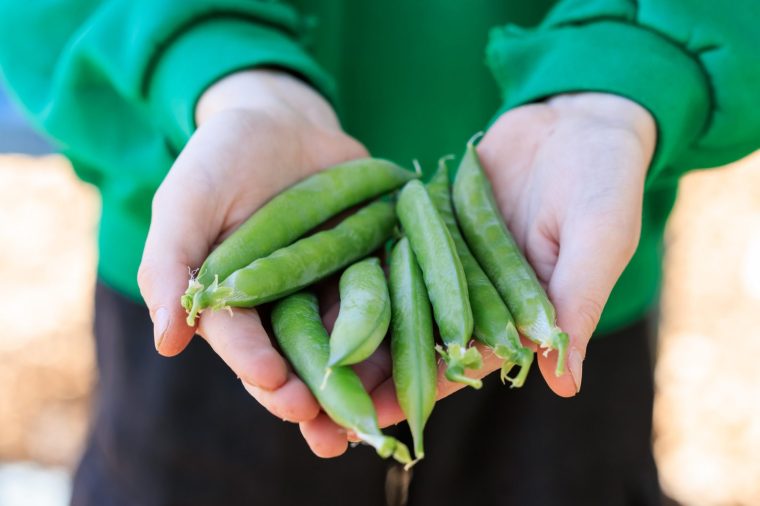 Plant beans in April (Photo: Ollie Dixon)
Enhance this by finding a space to rake in hardy annual seed, including cornfield wildflowers near roses, vegetables and soft fruit. Even a square metre can provide “services” to the gardener in preventing unwanted insects. If it is more convenient, sow annuals in cell trays to plant out later.
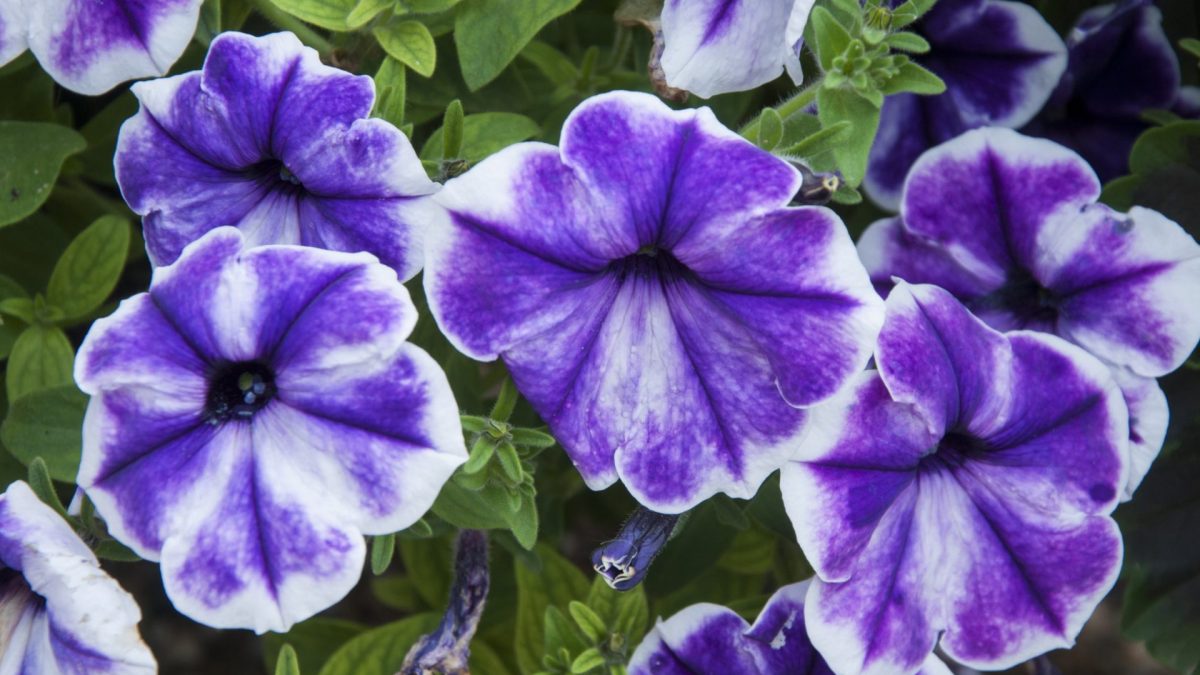
Tender bedding and container plants – fuchsia, lobelia, pelargoniums and petunias, for example – can be bought now, but cold nights can harm them, so be ready to cover with newspaper if frost is forecast, or grow under fleece for a few weeks yet. Containers can be placed in the greenhouse until the weather warms, or against a sunny wall.
It is now warm enough in the South to sow cosmos, nasturtiums, sunflowers and zinnias, in the ground or in cell trays.
Hardier plants such as clematis or sweet peas are tempting buys in April and will do well unless shaken by chilly winds. Make a shelter of canes and fleece if it looks as if they will sustain damage.
If larger herbaceous plants are needed – lupins or phlox, for example – buy and plant as soon as possible so they can establish before hot, dry weather arrives. Those offered at very tempting prices in smaller pots, 9cm or one litre, will have all summer to grow and fill the ground.
Comments are closed.