
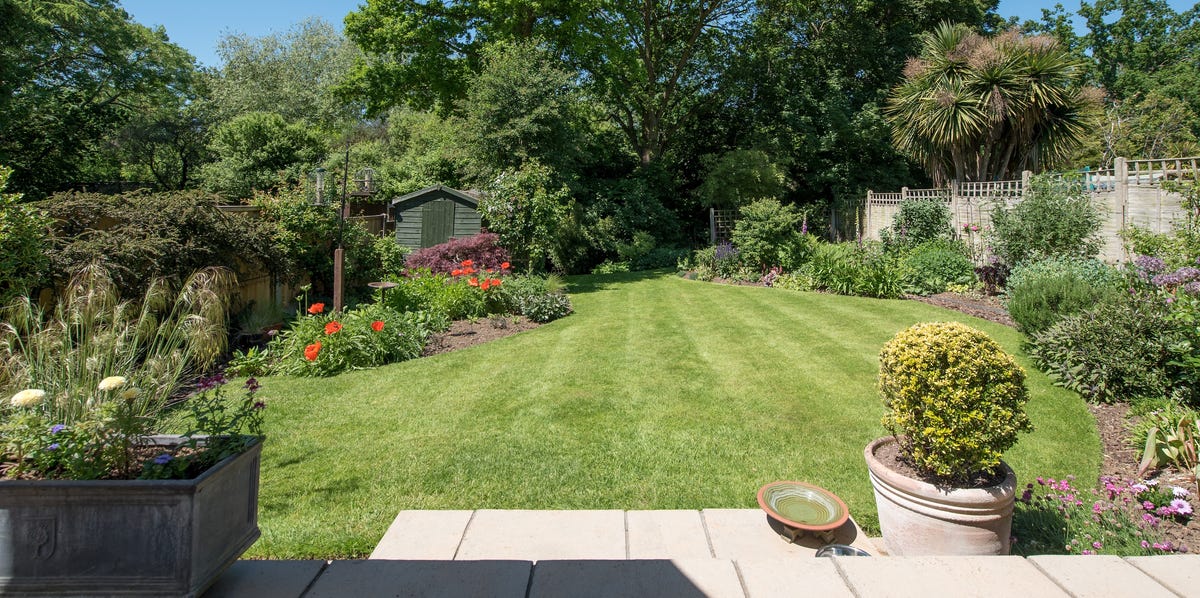
A beautiful lawn is about far more than crisp stripes and a weekend mow. The grass you choose will shape how well your garden handles foot traffic, shade, drought and even local wildlife.
Experts say the key is to start with your garden’s conditions, rather than simply reaching for the first seed mix you spot on the shelf.
‘There are many different conditions a garden and the grasses therein might have to endure,’ explains Johnny Byrne, ecologist at Arbtech Consulting. ‘Be it shady or full sunlight, prone to being waterlogged or dryness, soil type, nutrient levels and region all factor in to what species is best suited.’
In other words, there’s no universal ‘best’ lawn — only the best one for your space.
Hardwearing vs ornamental: What’s the difference?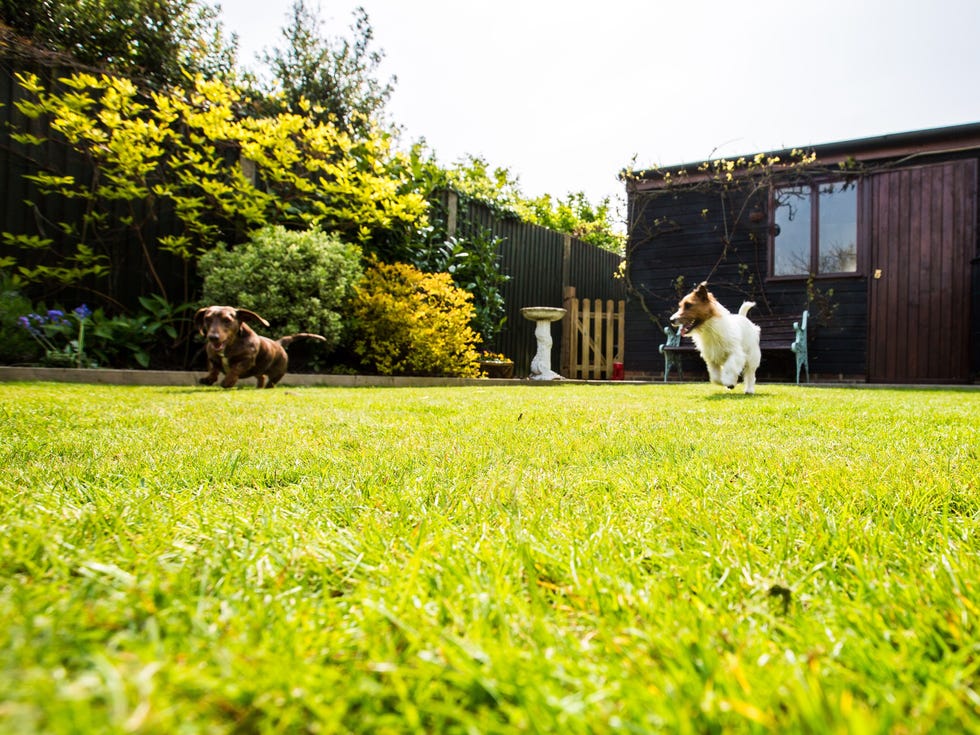

Poppy Hollis//Getty Images
If your lawn is a family football pitch, dog racetrack and entertaining space rolled into one, durability should be your priority.
‘Hardwearing lawns tend to be created for utility, able to withstand the pressures of a used garden such as foot traffic while being relatively easy to maintain,’ Johnny explains.
Perennial rye-grass is one of the most popular choices for this reason. ‘Perennial rye-grass is a very hardy species that is resistant to trampling,’ he says, adding that in sunlight it also has ‘a very appealing shine’.
Other resilient options include crested dogstail, tall fescue and smooth meadow grass — all tolerant of heavy use and adaptable across soil types and moisture levels.
Ornamental lawns, by contrast, are designed for visual appeal. Fine-leaved fescues deliver a soft, manicured finish but are less tolerant of wear and dry conditions, and typically demand more maintenance.
John keeble//Getty Images
What if your garden is shady?
While most grasses prefer full sun, some species cope better in lower light.
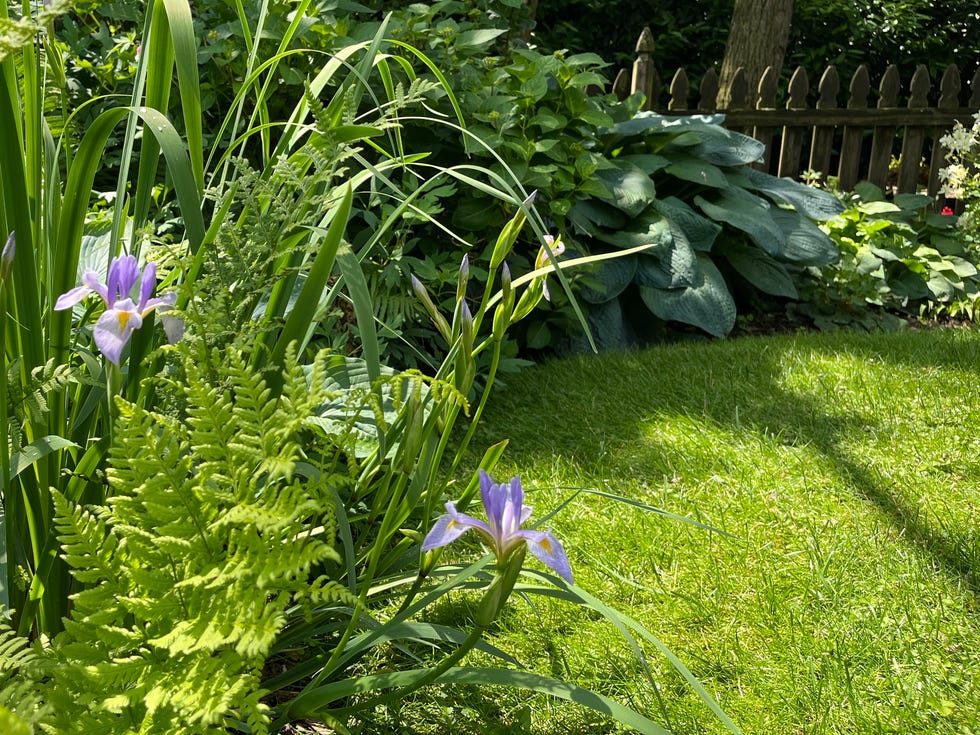
‘As a rule, grasses like sunshine,’ Johnny says. ‘However, in areas of shade some grasses such as bent grasses and fescues tend to be more shade tolerant.’
That said, even shade-tolerant varieties still need some light to thrive, so completely dark corners may struggle regardless of seed mix.
Cyndi Monaghan//Getty Images
Considering wildlife? Choose carefully
If you’re keen to boost biodiversity, your lawn can play a role.
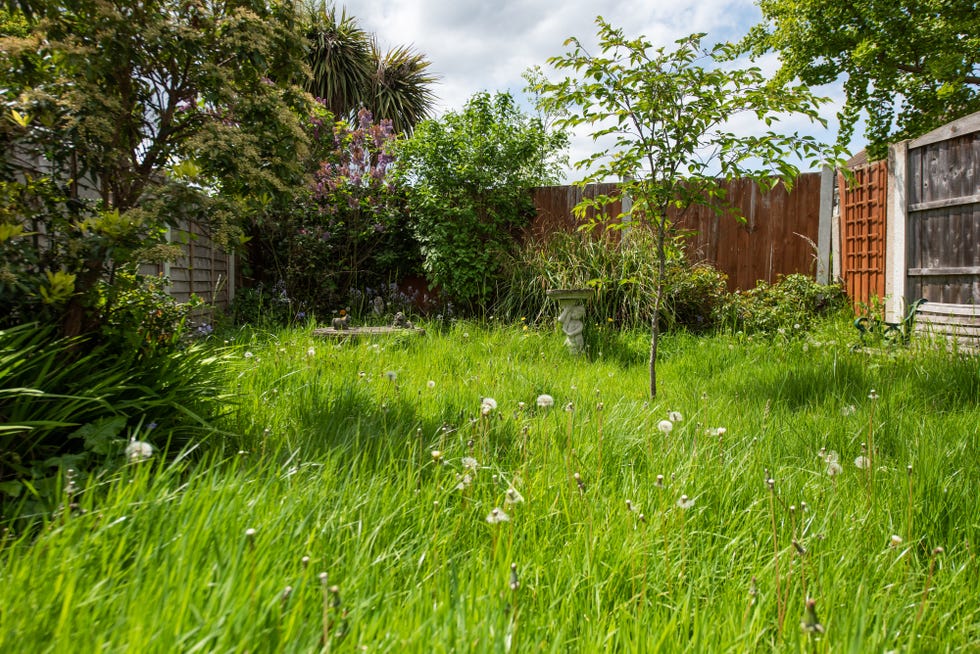
‘If you want a wildlife lawn or even just a corner, species such as Yorkshire fog and annual meadow grass have several caterpillar species munching on them,’ Johnny explains. Their seeds can also provide food for garden birds — particularly if you allow sections to flower and set seed.
It’s a reminder that a perfectly clipped lawn isn’t the only option.
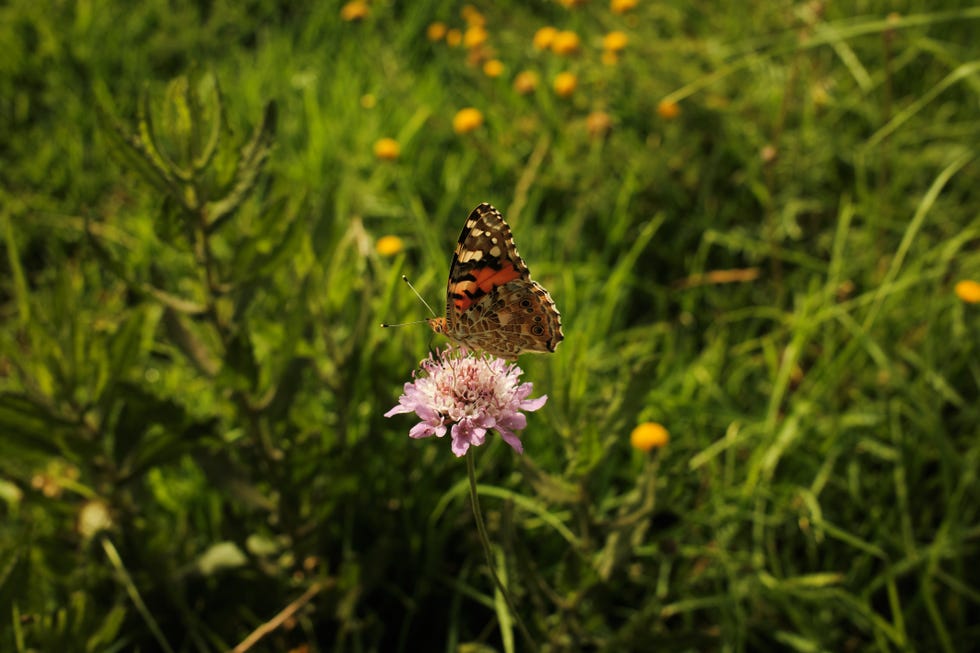
Roc Canals//Getty Images
Seed or turf?
There’s no clear winner here either.
‘There is no “better” necessarily,’ Johnny says. Growing from seed is more affordable and easier to customise, and seeds can be stored until conditions are right. Turf, however, gives near-instant results but deteriorates quickly if not laid promptly.
Seeding does require patience. ‘It does need to be scattered evenly to prevent patchiness,’ he notes.
Ultimately, the best lawn starts with honest assessment — of how you use your garden, how much maintenance you’re willing to commit to, and what conditions you’re working with.
Because the greenest lawn isn’t always the glossiest; it’s the one that actually works for you.
Follow House Beautiful on Instagram, TikTok and Pinterest
The Garden Edit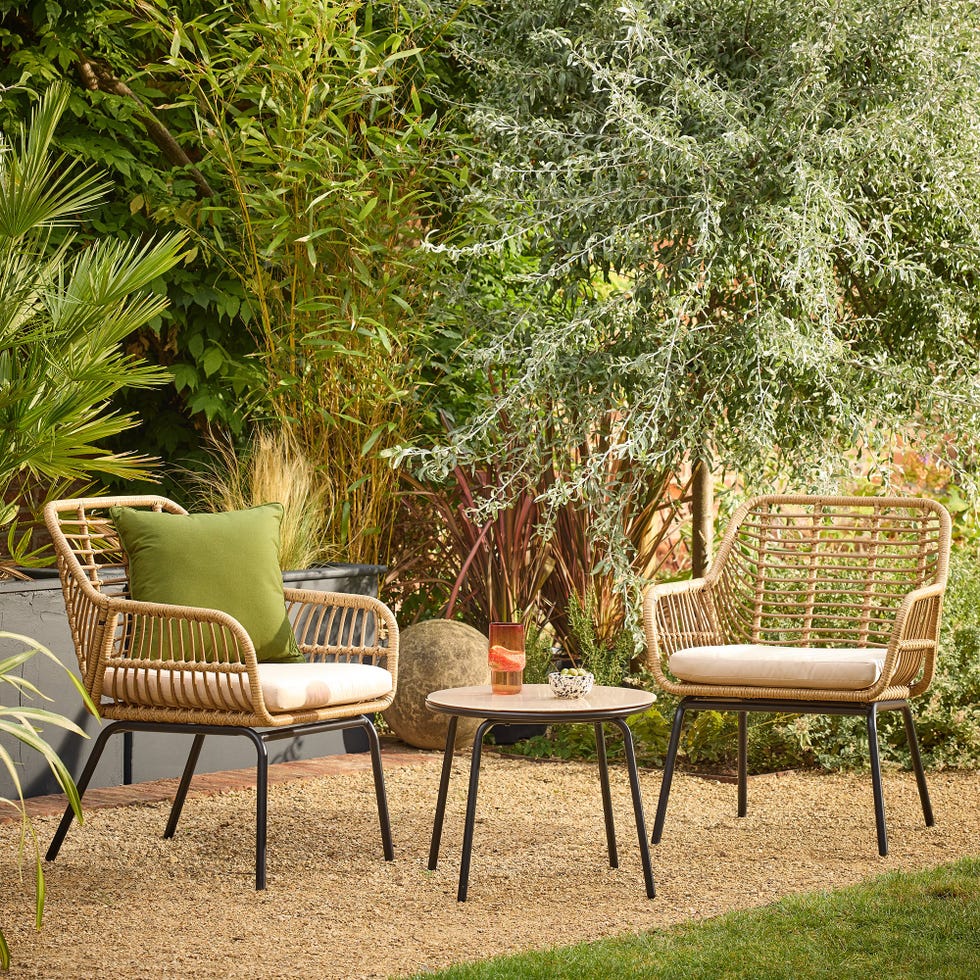 Habitat Global 2-Seater Bamboo Garden Bistro SetCredit: Argos
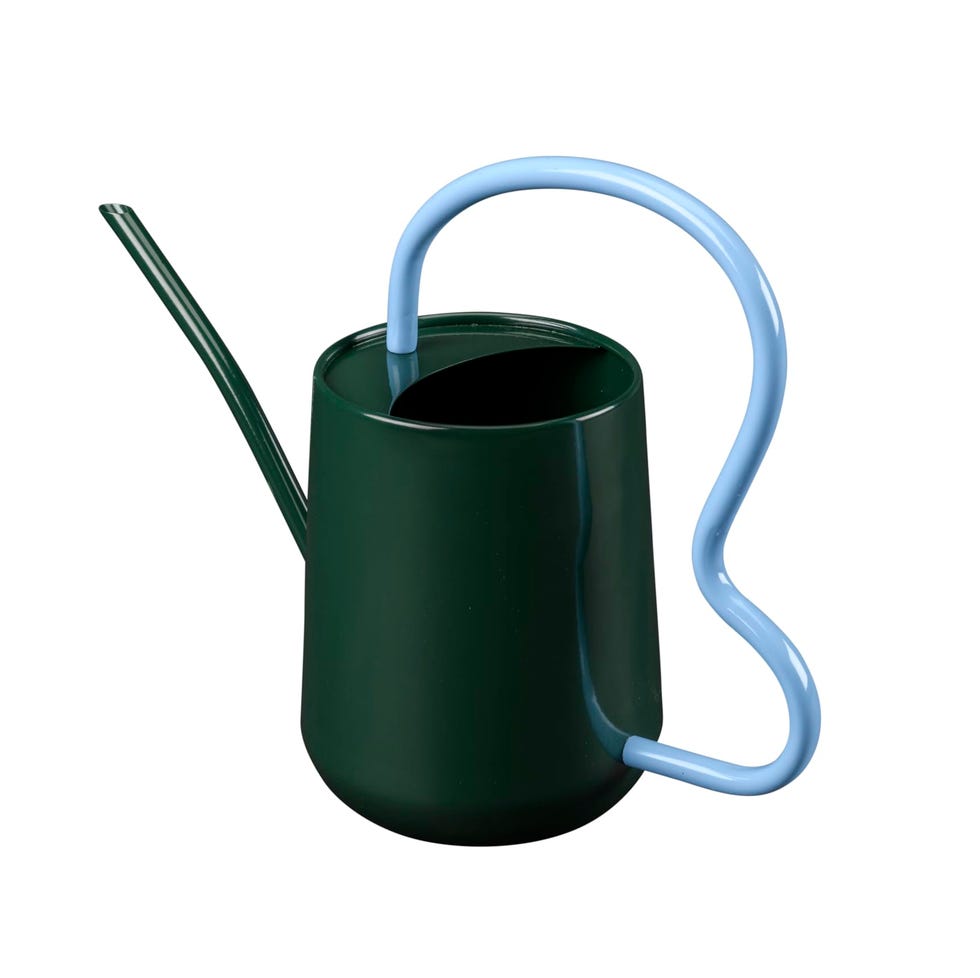 Burgon & Ball Scalloped Indoor Watering CanCredit: Amazon
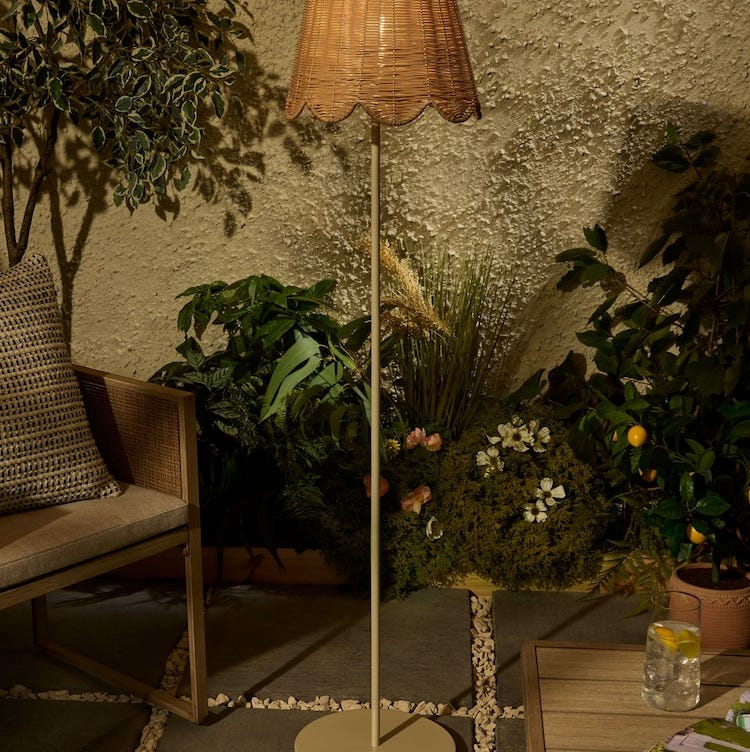 Natural Scalloped Rattan Outdoor Solar Floor LampCredit: Next
 Marcy 2-Seater Sling Garden Sofa, GreigeCredit: John Lewis
 Scalloped Edge Smooth Fibre Clay Plant PotCredit: Dunelm
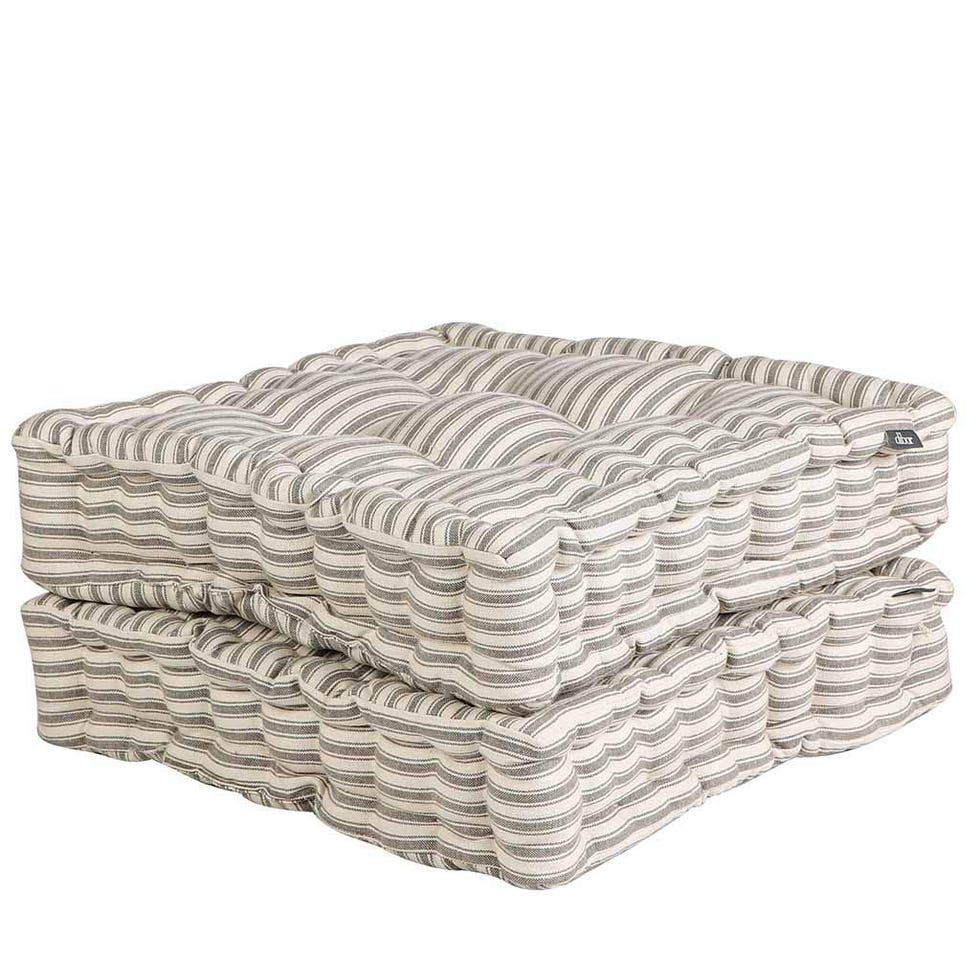 Dibor Dining Chair Seat Pad SetCredit: Amazon
Comments are closed.