
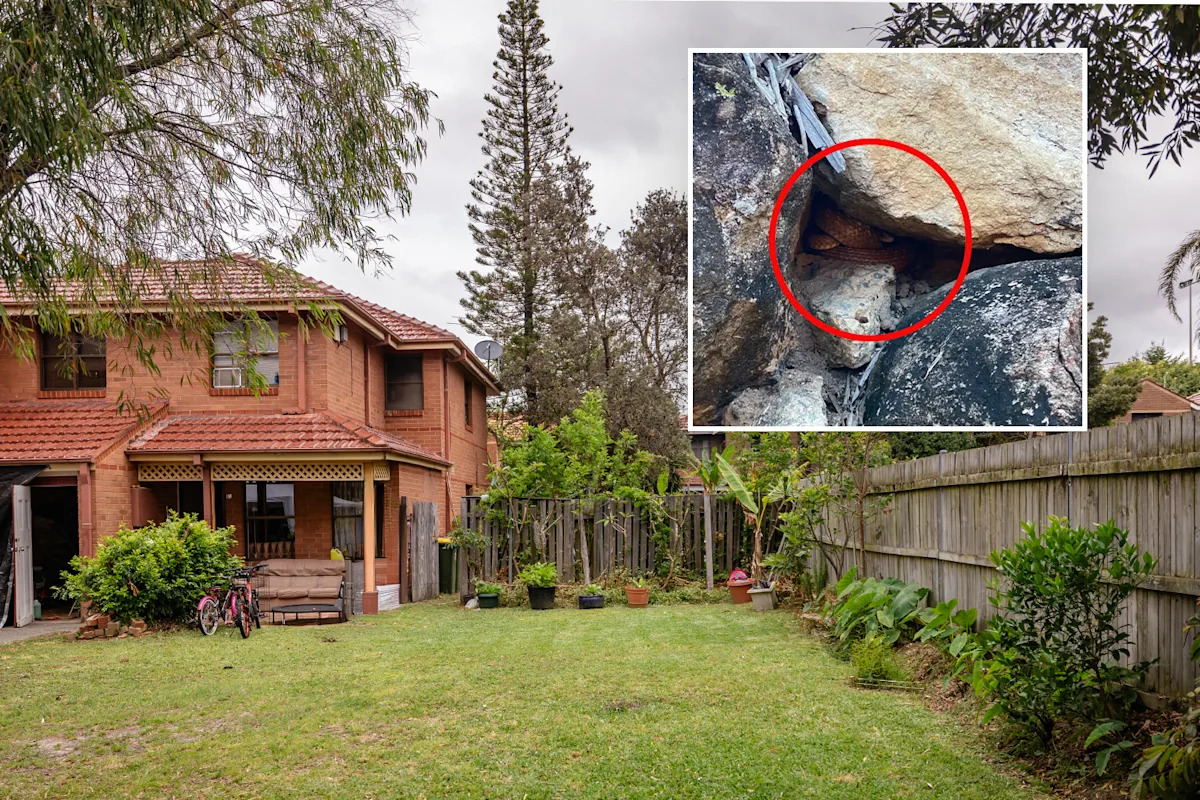
Lingering warmth and wet weather are bringing unexpected visitors into Australian backyards, with residents across the country urged to brace for increasing encounters.
An international research project has found that venomous snakes are increasingly moving toward densely populated coastal areas, as rising temperatures make their traditional inland habitats less hospitable.
The trend is expected to affect much of Australia’s east coast, stretching from Queensland down through NSW and into Victoria.
Experts warn that urban expansion combined with these environmental pressures means encounters in suburban backyards, parks, and even local walking tracks could become more common.
With the rain forecast in many states over the Easter weekend, the warning is particularly timely.
Now, as the peak snake season comes to an end, the animals are seeking spots to hibernate, which can lead to territorial behaviour.
“It’s time for [them] to hibernate now, so they’re looking for places. They are territorial,” Rolly Burrell from Snake Catchers Adelaide had earlier told Yahoo News
Rolly has been a snake catcher for over 50 years, and he said he’s only getting busier with time.
“We’ve been smashed seven days a week, 12 hours a day for about eight months,” he said.
“You can’t even go to a funeral without answering your phone all day, you know, like it’s really full on, and we look forward to just not answering the phone and relaxing a bit.”
Do you have a snake story? Contact newsroomau@yahoonews.com
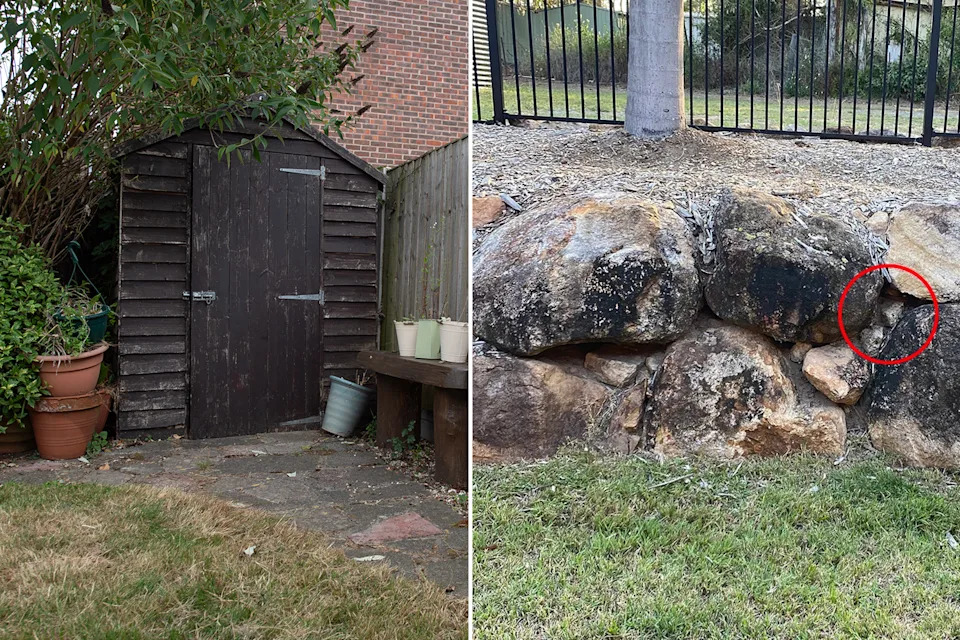
From behind the shed, in fencing, between rocks or tall grass, snakes can lurk in many places undetected. Source: Getty/Brisbane and Gold Coast Snake Catchers
How many snake bikes does Australia record?
Australia has already felt the pressure of this trend in 2024, which was confirmed as the warmest year on record by the World Meteorological Organisation.
The country saw a 35 per cent surge in emergency calls for snake bites.
During the spring and early summer of that year alone, on September 1 and December 20, the NSW poison information centre received 320 calls for snake bites.
Approximately 400,000 disabilities are caused by snakebites each year, with a further 138,000 leading to death.
The World Health Organisation is aiming to reduce these numbers by 50 per cent in the next four years.
The new study, published in the journal PLOS Neglected Tropical Diseases, tracked the habitat of all 508 medically important venomous snake species, those capable of causing severe morbidity, mortality or long-term disability.
It projected how their range will shift by 2050 and 2090.
“Before this study, surprisingly little was known about the exact distribution of many medically important snakes, even some widespread ones that cause many bites,” the study notes.
What are the most venomous snakes?
In Australia, the top three medically important venomous snake species include the inland taipan, the eastern brown snake and the coastal taipan.
The research team found the eastern brown snake to have the highest overlap with humans, followed by the coastal taipan.
The eastern brown snake is the second most venomous snake in the world and the leading suspect for Australia’s fatal snake bites.
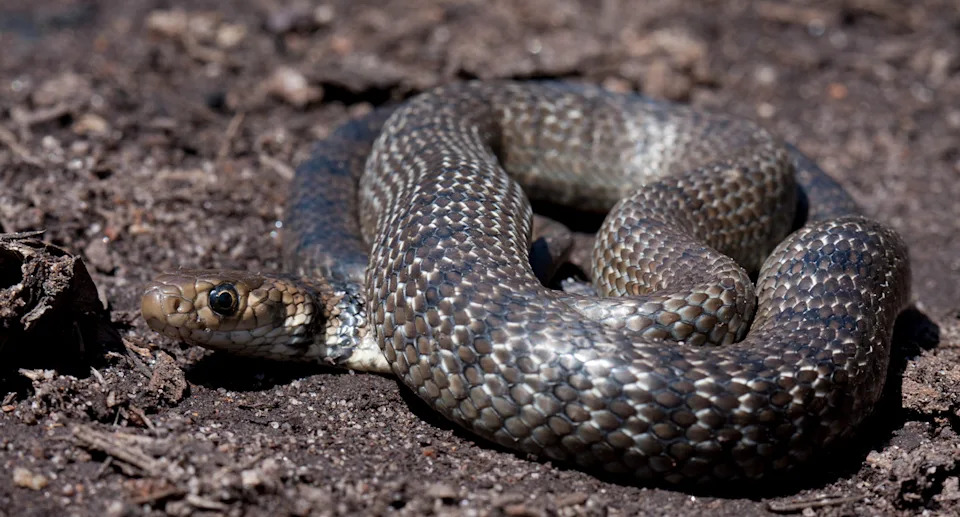
Eastern brown snakes are among the most deadly creatures on earth. Source: Getty.
According to the study, due to increasing temperatures, the snake’s range is expected to expand south along the highly populated East Coast by 2050.
“Our predictions can be used to decide where to stockpile which antivenene,” the study’s authors said.
“How to ensure adequate capacity of individual health facilities, how to improve health care accessibility of remote at-risk communities, and where to focus conservation efforts for threatened snake species,” the study authors said.”
With NCA Newswire
Do you have a story tip? Email: newsroomau@yahoonews.com.
You can also follow us on Facebook, Instagram, TikTok, Twitter and YouTube.
Comments are closed.