
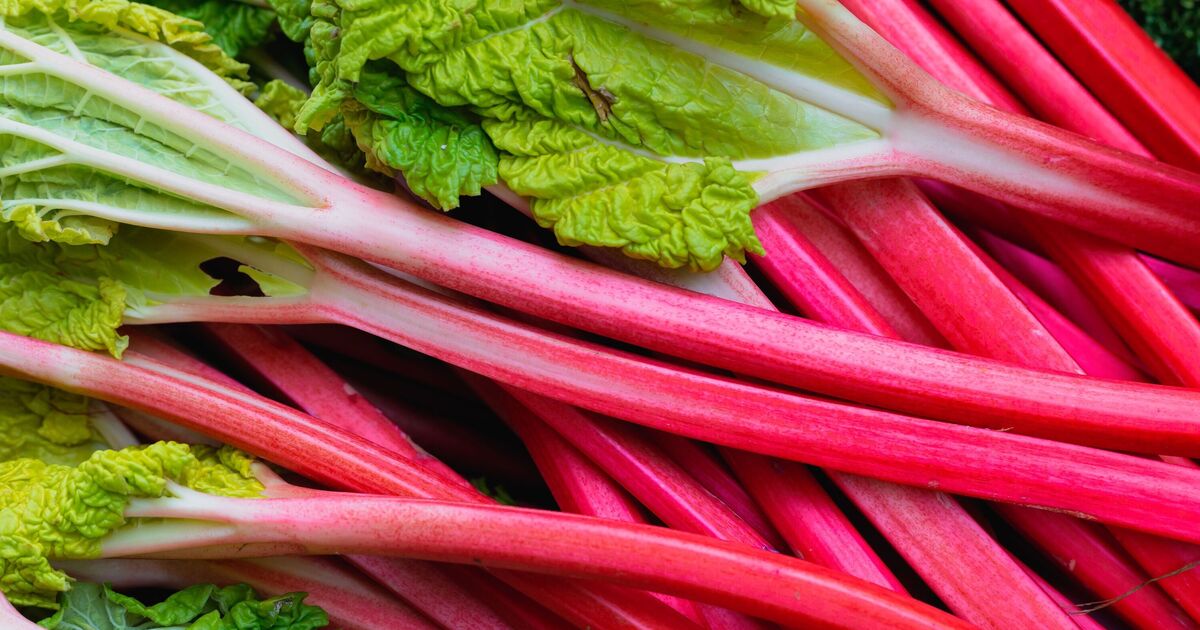

All gardeners growing rhubarb must do one crucial task for ‘tender pink’ stems in April (Image: Getty) This article contains affiliate links, we will receive a commission on any sales we generate from it. Learn more
As well as adding vivid ruby red, pink and rich green shades to the garden, rhubarb is typically regarded as a straightforward, undemanding perennial plant. Rhubarb usually delivers plentiful harvests with little gardening intervention and flourishes in diverse conditions, and there’s a clever technique called forcing that can accelerate the growing process.
Forcing rhubarb requires growing the vegetable sooner and more rapidly to yield sweeter, more vibrant stems. According to Rachel Cole, gardening expert and seed manager at Mr Fothergill’s, these ought to be nearly ready for picking. She urged, “If you’re looking for an early harvest of rhubarb, often referred to as ‘forcing’ rhubarb, now is the time to keep a close eye on your crop.”
Read more: Monty Don shares ‘easiest of all plants to grow’ in April – matures in six weeks
Read more: Black spots vanish from patios in one hour with expert’s simple household item
Rachel instructed, “Check them every couple of weeks and make sure the roots remain covered with forcing pots or large flowerpots. This will help the stems develop that delicate, tender texture and light pink hue.”
Normally, rhubarb is ready to harvest after seven to eight weeks of forcing.
Throughout this period, the plant experiences no light, replicating subterranean conditions. Consequently, they develop sooner, possess greater tenderness, and lack the typical green colouration, which accounts for the brighter and sweeter fruit.
If you still have a couple of weeks remaining to force rhubarb, Rachel advised against overcomplicating the care of your plants. She said, “Rhubarb is quite happy if you water occasionally and keep the roots covered. Do this, and you will be able to pull lovely, sweet and tender pink stems.”
The seed specialist recommended that “early crops can be harvested right now if they are looking good”, including those forced from January.
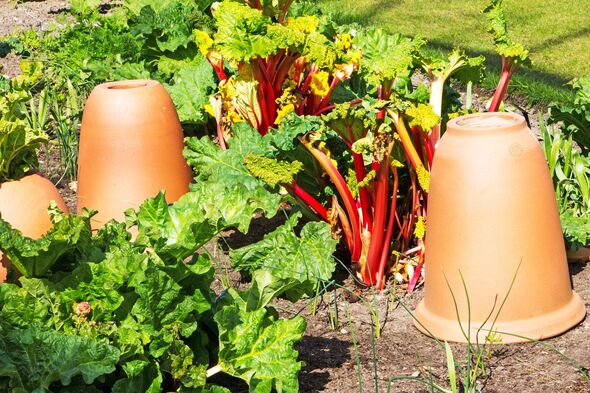
Gardeners must cover rhubarb roots with forcing pots or large flowerpots (Image: Getty)
You’ll know your rhubarb is ready once the stalks reach at least 25cm (10 inches) in length, excluding the leaves.
At this height, “you can be sure they’ll have that signature sweet-tart flavour that makes rhubarb a firm favourite in the kitchen”, said Rachel.
If your rhubarb isn’t ready to harvest, keep it well watered and promptly remove any flowering shoots that may emerge.
Anyone growing unforced rhubarb can begin harvesting from April, usually in the second year following planting.
Rachel said, “Good post-harvest care is essential for a strong, healthy rhubarb crop. Once you’ve finished harvesting – usually by June or July – apply a liquid feed to replenish the plant’s energy.
“For even better results, mulch your plants in January or February to improve overall plant health and set yourself up for an abundant crop the following year.”
Comments are closed.